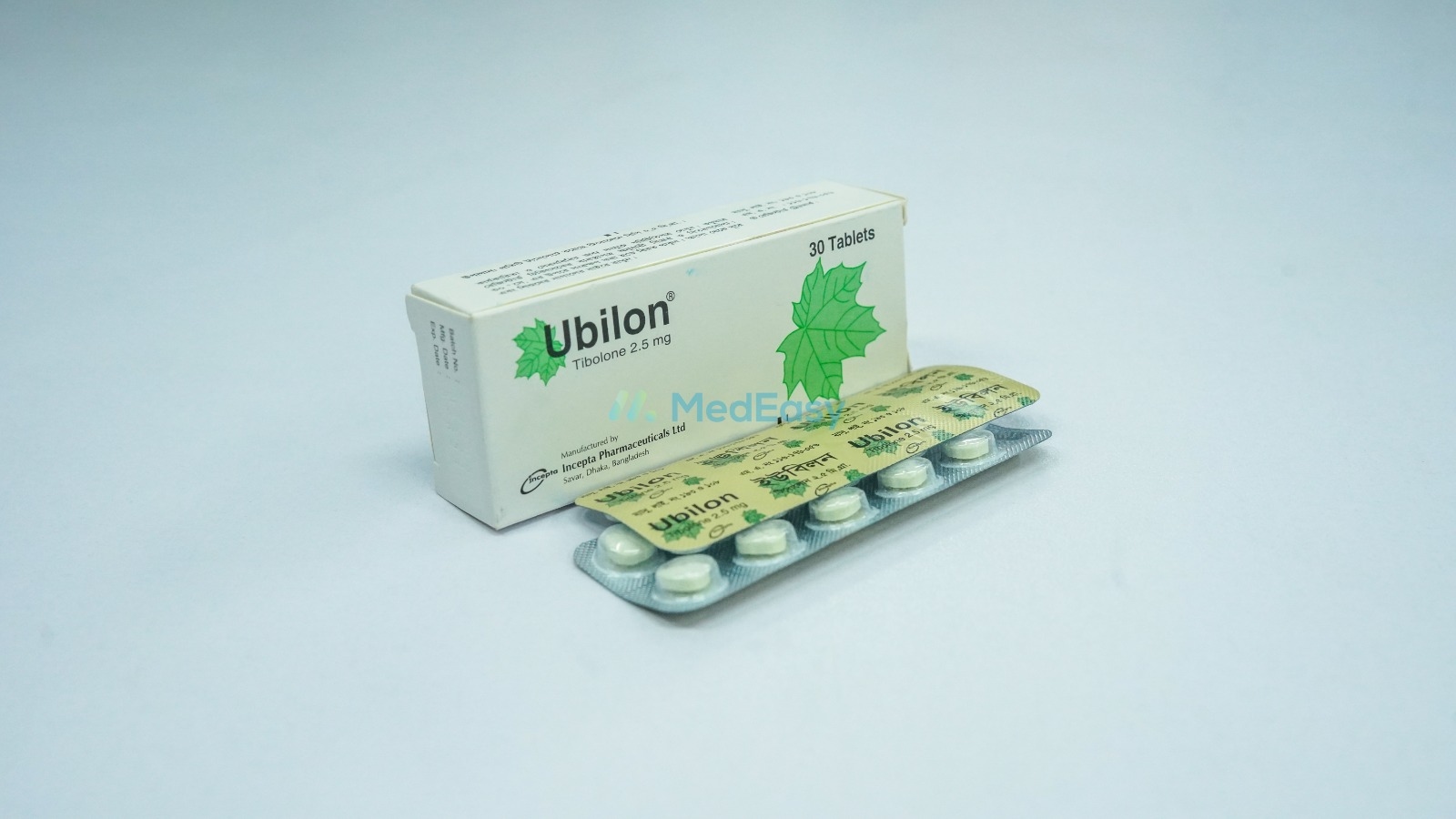
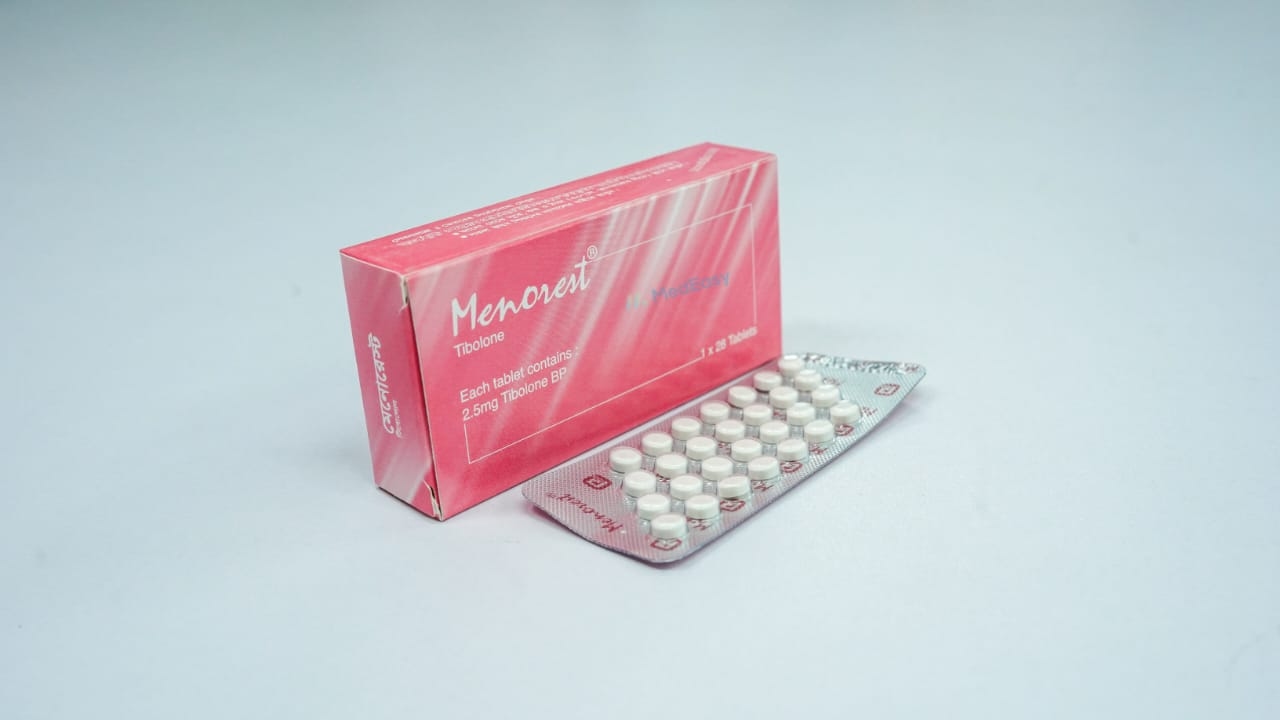
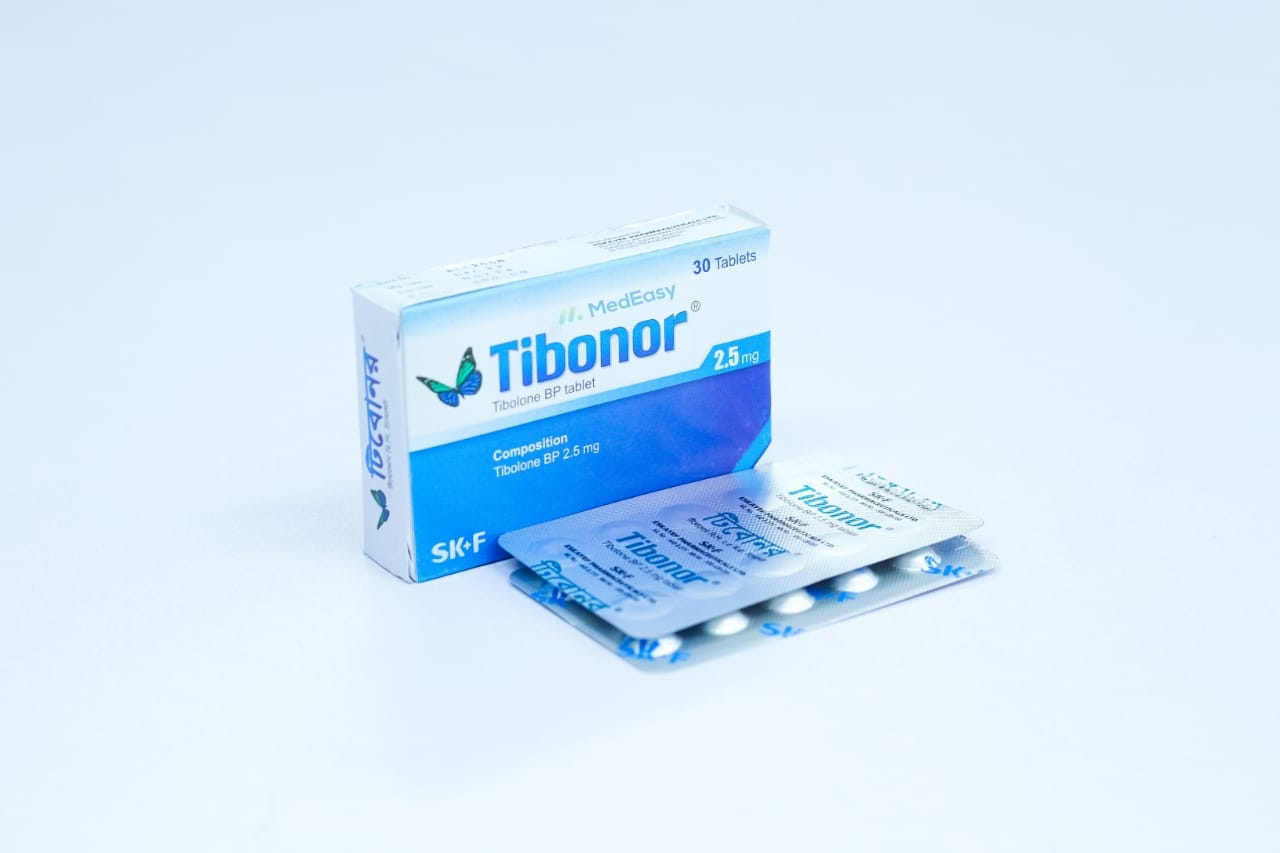
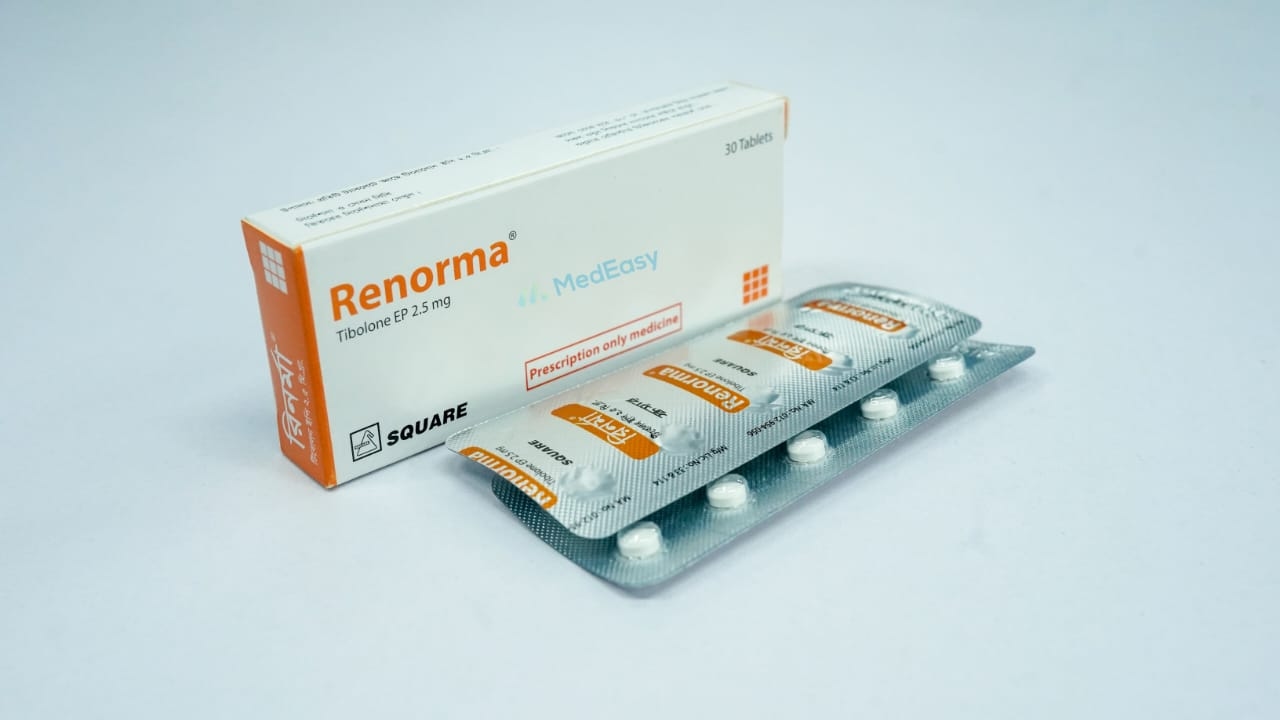
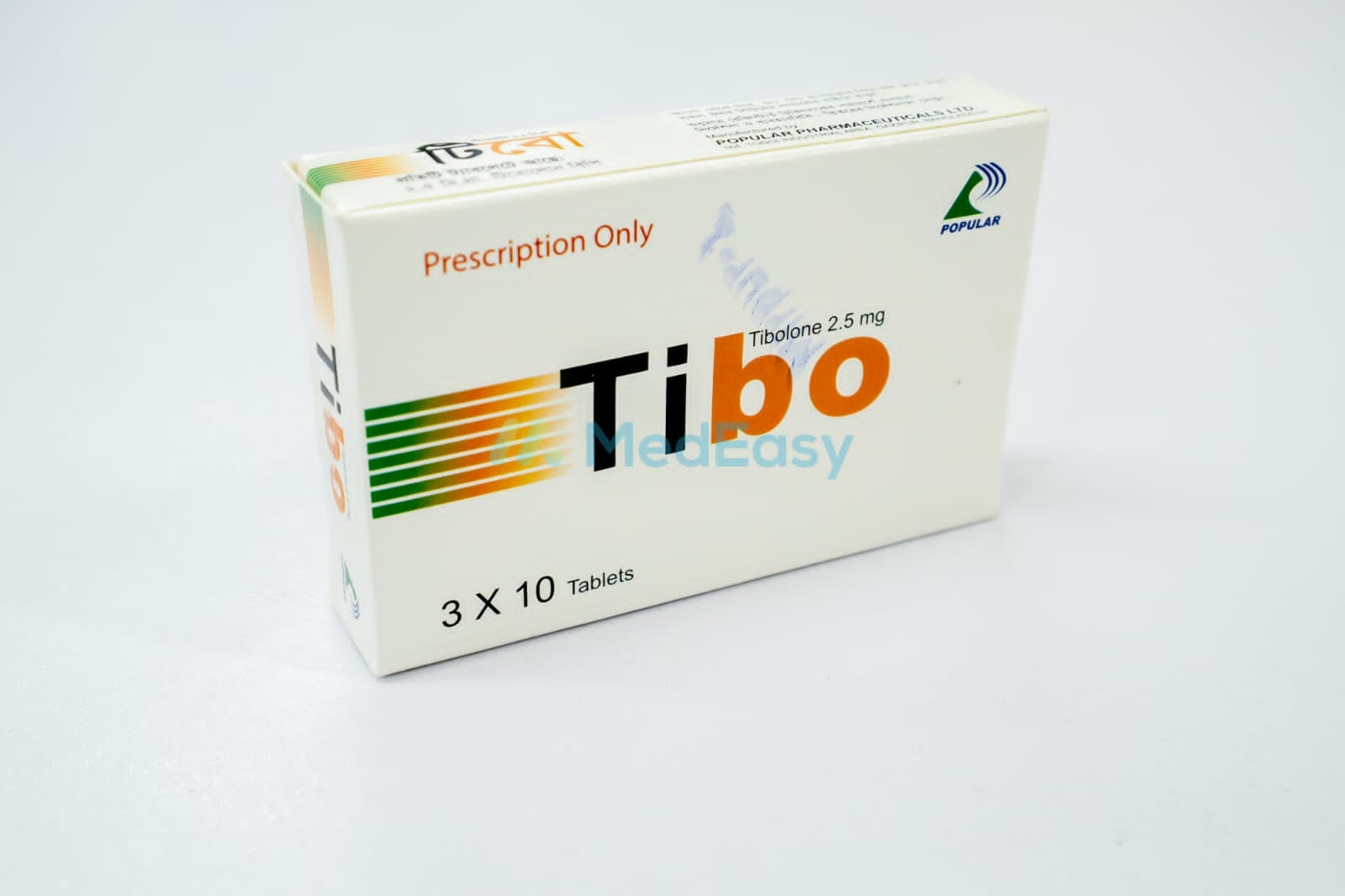
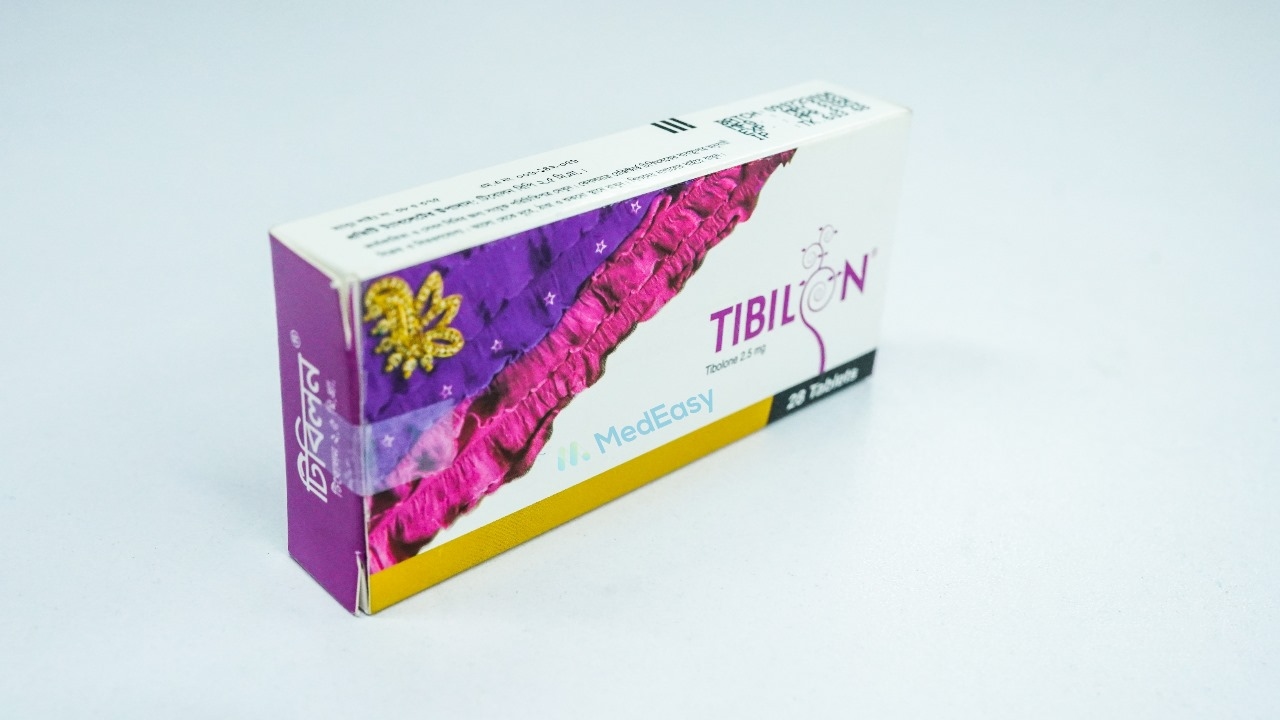
Treatment of symptoms resulting from the natural or surgical menopause in post menopausal women. Prevention of osteoporosis in women who have gone through the menopause and are at high risk of fractures, but cannot take other medicines used to prevent osteoporosis.
Theropeutic Class
Drugs for menopausal symptoms: Hormone replacement therapy
Pharmacology
Tivion 2.5 mg is a synthetic steroid that has estrogenic, androgenic and progestagenic properties. After oral administration, Tivion 2.5 mg is rapidly metabolized into three compounds which contribute to the pharmacological effects of Tivion 2.5 mg. Two of these metabolites (the 3α−OH and 3β−OH metabolite) have predominantly estrogenic activity; a third metabolite (δ4-isomer of Tivion 2.5 mg) and the parent compound have predominantly progestagenic and androgenic activities. Tivion 2.5 mg substitutes for the loss of estrogen production in postmenopausal women and alleviates menopausal symptoms. It prevents bone loss following menopause or ovariectomy. It has estrogenic effects on the vagina, on bone and on the thermoregulatory centers in the brain (hot flushes). It improves vaginal dryness and vaginal atrophy. Tivion 2.5 mg has also effects on mood and libido.
Dosage & Administration of Tivion 2.5 mg
The dose is one Tivion 2.5 mg tablet per day (2.5 mg daily). The tablet should be swallowed with some water or other drink, preferably at the same time in each day. Improvement of symptoms generally occurs within a few weeks, but optimal results are obtained when therapy is continued for at least 3 months.Starting Tivion 2.5 mg Tablet: Women experiencing a natural menopause should commence treatment with Tivion 2.5 mg tablet at least 12 months after their last natural bleed. In case of a surgical menopause, treatment with Tivion 2.5 mg tablet may commence immediately.Switching from a sequential or continuous combined HRT (Hormone Replacement Therapy) preparation: If changing from a sequential HRT preparation, treatment with Tivion 2.5 mg should start the day following completion of the prior regimen. If changing from a continuous-combined HRT preparation, treatment can start at any time. Missed dose: A missed dose should be taken as soon as remembered, unless it is more than 12 hours overdue. In the later case, the missed dose should be skipped and the next dose should be taken at the normal time. Missing a dose may increase the likelihood of breakthrough bleeding and spotting
Dosage of Tivion 2.5 mg
The dose is one Tivion 2.5 mg tablet per day (2.5 mg daily). The tablet should be swallowed with some water or other drink, preferably at the same time in each day. Improvement of symptoms generally occurs within a few weeks, but optimal results are obtained when therapy is continued for at least 3 months.Starting Tivion 2.5 mg Tablet: Women experiencing a natural menopause should commence treatment with Tivion 2.5 mg tablet at least 12 months after their last natural bleed. In case of a surgical menopause, treatment with Tivion 2.5 mg tablet may commence immediately.Switching from a sequential or continuous combined HRT (Hormone Replacement Therapy) preparation: If changing from a sequential HRT preparation, treatment with Tivion 2.5 mg should start the day following completion of the prior regimen. If changing from a continuous-combined HRT preparation, treatment can start at any time. Missed dose: A missed dose should be taken as soon as remembered, unless it is more than 12 hours overdue. In the later case, the missed dose should be skipped and the next dose should be taken at the normal time. Missing a dose may increase the likelihood of breakthrough bleeding and spotting
Interaction of Tivion 2.5 mg
No examples of interactions between Tivion 2.5 mg and other medicines have been reported in clinical practice. However, the following potential interactions should be considered on a theoretical basis: Enzyme-inducing compounds such as barbiturates, carbamazepine, hydantoins, and rifampicin may enhance the metabolism of Tivion 2.5 mg and thus decrease its therapeutic effect. Since Tivion 2.5 mg may increase blood or fibrinolytic activity (lower fibrinogen levels; higher AT III, plasminogen, and fibrinolytic activity values), it may enhance the effect of anticoagulants.
Contraindications
Contraindicated in pregnancy and lactation, known or suspected hormone-dependent tumours, cardiovascular or cerebrovascular disorders, active deep vein thrombosis, thromboembolic disorders, vaginal bleeding of unknown etiology and severe liver disorders.
Side Effects of Tivion 2.5 mg
Occasionally, vaginal bleeding or spotting may occur, mainly during the first months of treatment. Other adverse effects are headache and migraine, oedema, dizziness, pruritus, increase in body weight, nausea, abdominal pain, rash, and depression.
Pregnancy & Lactation
Tivion 2.5 mg tablet is contraindicated during pregnancy. If pregnancy occurs during medication with this tablet, treatment should be withdrawn immediately. For this tablet no clinical data on exposed pregnancies are available. Tivion 2.5 mg tablet is contraindicated in lactating women.
Precautions & Warnings
In patients with renal dysfunction, history of liver disease, epilepsy, migraine, hypercholesterolemia, impaired carbohydrate metabolism, diabetes mellitus and cholestatic jaundice.
Overdose Effects of Tivion 2.5 mg
The acute toxicity of Tivion 2.5 mg in animals is very low. Therefore, toxic symptoms are not expected to occur if several tablets are taken simultaneously. In cases of acute overdose - nausea, vomiting, and withdrawal bleeding in females may develop. Symptomatic treatment can be given if necessary.
Storage Conditions
Keep in a cool & dry place. Protect from light. Keep out of the reach of children.
Drug Classes
Drugs for menopausal symptoms: Hormone replacement therapy
Mode Of Action
Tivion 2.5 mg is a synthetic steroid that has estrogenic, androgenic and progestagenic properties. After oral administration, Tivion 2.5 mg is rapidly metabolized into three compounds which contribute to the pharmacological effects of Tivion 2.5 mg. Two of these metabolites (the 3α−OH and 3β−OH metabolite) have predominantly estrogenic activity; a third metabolite (δ4-isomer of Tivion 2.5 mg) and the parent compound have predominantly progestagenic and androgenic activities. Tivion 2.5 mg substitutes for the loss of estrogen production in postmenopausal women and alleviates menopausal symptoms. It prevents bone loss following menopause or ovariectomy. It has estrogenic effects on the vagina, on bone and on the thermoregulatory centers in the brain (hot flushes). It improves vaginal dryness and vaginal atrophy. Tivion 2.5 mg has also effects on mood and libido.
Pregnancy
Tivion 2.5 mg tablet is contraindicated during pregnancy. If pregnancy occurs during medication with this tablet, treatment should be withdrawn immediately. For this tablet no clinical data on exposed pregnancies are available. Tivion 2.5 mg tablet is contraindicated in lactating women.
Frequently Asked Questions
What is Tivion 2.5 mg used for?
Treatment of symptoms resulting from the natural or surgical menopause in post menopausal women. Prevention of osteoporosis in women who have gone through the menopause and are at high risk of fractures, but cannot take other medicines used to prevent osteoporosis.
What is the dosage of Tivion 2.5 mg?
The dose is one Tivion 2.5 mg tablet per day (2.5 mg daily). The tablet should be swallowed with some water or other drink, preferably at the same time in each day. Improvement of symptoms generally occurs within a few weeks, but optimal results are obtained when therapy is continued for at least 3 months.Starting Tivion 2.5 mg Tablet: Women experiencing a natural menopause should commence treatme…
What are the side effects of Tivion 2.5 mg?
Occasionally, vaginal bleeding or spotting may occur, mainly during the first months of treatment. Other adverse effects are headache and migraine, oedema, dizziness, pruritus, increase in body weight, nausea, abdominal pain, rash, and depression.
Who should not take Tivion 2.5 mg?
Contraindicated in pregnancy and lactation, known or suspected hormone-dependent tumours, cardiovascular or cerebrovascular disorders, active deep vein thrombosis, thromboembolic disorders, vaginal bleeding of unknown etiology and severe liver disorders.
What precautions should be taken with Tivion 2.5 mg?
In patients with renal dysfunction, history of liver disease, epilepsy, migraine, hypercholesterolemia, impaired carbohydrate metabolism, diabetes mellitus and cholestatic jaundice.
Is Tivion 2.5 mg safe during pregnancy and breastfeeding?
Tivion 2.5 mg tablet is contraindicated during pregnancy. If pregnancy occurs during medication with this tablet, treatment should be withdrawn immediately. For this tablet no clinical data on exposed pregnancies are available. Tivion 2.5 mg tablet is contraindicated in lactating women.
Disclaimer
The information provided is accurate to our best practices, but it does not replace professional medical advice. We cannot guarantee its completeness or accuracy. The absence of specific information about a drug should not be seen as an endorsement. We are not responsible for any consequences resulting from this information, so consult a healthcare professional for any concerns or questions.