
10% Off
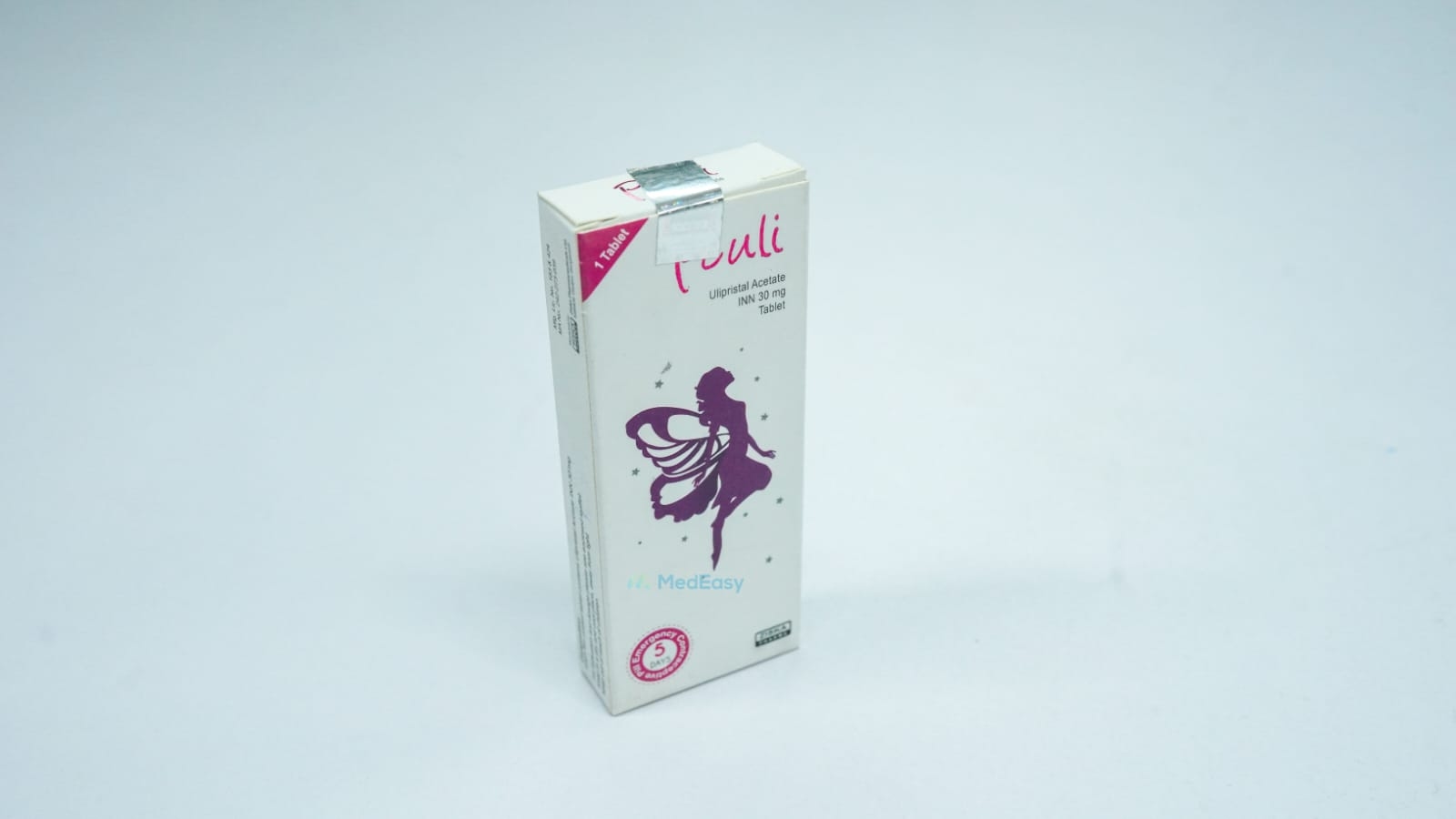
Peuli30 mg
Ziska Pharmaceuticals Ltd.
৳175.50
Add to cart


Ulicon is an FDA-approved and internationally recommended emergency contraceptive indicated for the prevention of pregnancy following unprotected sexual intercourse or a known or suspected contraceptive failure (e.g., condom breakage, missed oral contraceptive pills).
Important scope note: This entry refers only to the emergency contraception indication and dosing of ulipristal acetate (single 30 mg dose). Ulipristal acetate is also marketed elsewhere at a different (lower, repeated) dose for management of uterine fibroids; that use and dosing regimen is a distinct product and is not covered by this entry.
Ulicon is not intended for use as a regular (ongoing) method of contraception and does not protect against sexually transmitted infections (STIs), including HIV.
Each tablet of Ulipristal Acetate [For emergency contraception] contains Ulipristal Acetate INN 30 mg as the active ingredient, along with standard pharmaceutical excipients.
Ulicon is a synthetic selective progesterone receptor modulator (SPRM) used as a single-dose oral emergency contraceptive. It is formulated as a 30 mg tablet intended for one-time use after a single act of unprotected intercourse or contraceptive failure, and is not designed for routine or repeated contraceptive use.
Ulicon belongs to the therapeutic class of Emergency Contraceptive Pills (ECPs), and pharmacologically to the class of Selective Progesterone Receptor Modulators (SPRMs).
Ulipristal Acetate [For emergency contraception] acts as a selective progesterone receptor modulator with both partial agonist and antagonist activity at the progesterone receptor. Its primary mechanism of action for emergency contraception is the inhibition or delay of ovulation by postponing follicular rupture; this effect can occur even in the late follicular phase, when the risk of ovulation is highest. It may also alter the endometrium, which could affect implantation, although this is not considered its primary mechanism.
Ulipristal Acetate [For emergency contraception] is well absorbed orally, reaching peak plasma concentration approximately 1 hour after dosing, and is highly protein bound. It is metabolized primarily via CYP3A4 to active and inactive metabolites, and is eliminated mainly in the feces, with an elimination half-life of approximately 32-38 hours.
Ulipristal Acetate [For emergency contraception] does not interrupt an established pregnancy and is not effective as a method of medical abortion.
| Indication | Dose | Notes |
|---|---|---|
| Emergency contraception (adult and adolescent females of reproductive age) | One tablet of Ulicon (30 mg) taken orally as a single dose | Take as soon as possible, and no later than 120 hours (5 days), after unprotected intercourse or contraceptive failure. May be taken with or without food, at any time during the menstrual cycle. |
If vomiting occurs within 3 hours of taking Ulicon, consult a physician about whether an additional dose is needed.
After use: A reliable barrier method of contraception should be used for the remainder of the current menstrual cycle. Regular hormonal contraception (combined pills, progestin-only pills, patches, rings, or injectables) should not be started until at least 5 days after taking Ulicon, as it may reduce the effectiveness of both methods; discuss the timing and choice of an ongoing contraceptive method with a physician.
This product is intended for occasional emergency use only and should not be used as a substitute for a regular method of contraception, nor used more than once within the same menstrual cycle.
Ulicon is taken orally, as a single tablet swallowed with water, with or without food. It can be taken at any time of day, regardless of the phase of the menstrual cycle.
CYP3A4 inducers: Drugs that strongly induce the CYP3A4 enzyme, such as rifampin, carbamazepine, phenytoin, phenobarbital, St. John's Wort, and certain antiretrovirals, can substantially reduce plasma concentrations of Ulicon and may reduce its effectiveness. Concomitant use is not recommended; an alternative (non-hormonal) emergency contraception method should be considered if a CYP3A4 inducer has been used in the preceding weeks.
CYP3A4 inhibitors: Strong inhibitors (e.g., ketoconazole, certain antifungals and protease inhibitors) may increase plasma levels of Ulicon; clinical significance is not well established, but caution is advised.
Hormonal contraceptives (progestins): Regular use of progestin-containing hormonal contraceptives (or their initiation soon after use) may interfere with the ability of Ulicon to delay ovulation, potentially reducing its effectiveness; a barrier method should be used and starting/resuming hormonal contraception should be delayed as described in Dosage and Administration.
Antacids/gastric pH-altering agents: Theoretical effects on absorption are possible; clinical relevance is not well established.
Ulipristal Acetate [For emergency contraception] is contraindicated in:
The most commonly reported side effects of Ulicon (occurring in approximately 5% or more of users) include:
Less common side effects include vomiting, back pain, breast tenderness, and mood changes.
Rare but reported (postmarketing) effects include acne and hypersensitivity reactions. If severe abdominal pain develops after taking Ulicon, medical evaluation is advised to rule out ectopic pregnancy (see Precautions and Warnings).
Pregnancy: Ulicon is contraindicated in known or suspected pregnancy; it will not terminate an existing pregnancy. A formal FDA pregnancy category has not been assigned. If pregnancy is suspected (e.g., a menstrual period is delayed by more than 7 days, or is unusually light or heavy) after taking this medicine, a pregnancy test and medical consultation are advised. Available data from inadvertent use in early pregnancy have not shown a clear pattern of increased risk to the fetus, but data remain limited, and this medicine should never be used with the intent to affect an existing pregnancy.
Lactation: Ulicon passes into breast milk in small amounts. Because infant exposure data remain limited, current guidance advises that breastfeeding women who need this medicine consider expressing and discarding breast milk for approximately 24 hours after taking the dose, feeding the infant with previously expressed milk or formula during this interval, before resuming normal breastfeeding. Use only if clearly needed, and discuss with a physician, who can weigh the benefits of breastfeeding against the potential (low) risk of infant exposure.
Not for termination of pregnancy: Ulicon does not interrupt an existing pregnancy (see Contraindications).
Not a regular contraceptive method: This medicine is intended for occasional emergency use only. It should not be used as a substitute for a regular, ongoing method of contraception, and repeated use within the same menstrual cycle is not recommended. Patients should discuss starting or resuming a regular contraceptive method with a physician.
Reduced efficacy at higher body weight: Some evidence suggests that the contraceptive effectiveness of Ulicon may be reduced in individuals with a higher body mass index (BMI) or body weight, although it generally remains a recommended option and is preferable to using no emergency contraception. Patients with a high BMI should discuss the most appropriate emergency contraception option with a physician.
Ectopic pregnancy: This medicine does not increase the overall risk of ectopic pregnancy, but if it fails to prevent pregnancy, the possibility of ectopic pregnancy should be considered, especially if lower abdominal pain occurs.
No protection against STIs: Ulicon does not protect against sexually transmitted infections, including HIV; barrier methods should be used for this purpose.
Menstrual cycle changes: Menses may occur earlier or later than expected after use; if a period is delayed by more than 7 days, pregnancy should be excluded.
Hepatic impairment: Not specifically studied; use with caution in patients with significant hepatic impairment.
Experience with overdosage of Ulicon is limited. Doses of up to four times the recommended amount have been administered without serious reported adverse effects, but this does not exclude the possibility of harm. In case of a suspected overdose, seek immediate medical attention or contact a poison control center; treatment should be supportive and symptomatic, guided by a physician.
Store at room temperature (below 30°C), away from light and moisture, in the original packaging. Keep out of reach of children.
Adolescents: Ulicon may be used in adolescent females of reproductive age who have reached menarche; the safety and efficacy profile is considered similar to that in adults.
Elderly: Not applicable, as this medicine is used only in females of reproductive age.
Renal impairment: Specific dose adjustment has not been established; not extensively studied in renal impairment, so caution is advised.
Hepatic impairment: Not extensively studied; use with caution in patients with severe hepatic impairment (see Precautions and Warnings).
Obesity/high body weight: See Precautions and Warnings regarding possible reduced efficacy at higher BMI.
Ulicon is intended for single-dose, one-time use per episode of unprotected intercourse or contraceptive failure. It is not intended for continuous or repeated use, and should not be taken more than once within the same menstrual cycle. If repeated need for emergency contraception arises, a regular ongoing contraceptive method should be discussed with a physician.
Emergency Contraceptive Pill (ECP); Selective Progesterone Receptor Modulator (SPRM).
Ulipristal Acetate [For emergency contraception] works primarily by binding to progesterone receptors and delaying or inhibiting ovulation (postponing follicular rupture), which prevents fertilization. It may also produce changes in the endometrial lining that could theoretically affect implantation. It does not work by terminating an already-established pregnancy.
Ulicon is indicated for use in females of reproductive age, including adolescents who have begun menstruating. Safety and effectiveness in this group are considered similar to those observed in adult women. Safety and efficacy have not been established in prepubertal children, for whom this medicine has no indication.
Q: How long after unprotected sex can I take Ulicon 30 mg Tablet?
A: Ulicon 30 mg Tablet should be taken as soon as possible, and can be effective for up to 120 hours (5 days) after unprotected intercourse or contraceptive failure. It works best the sooner it is taken.
Q: Will Ulicon 30 mg Tablet work if I am already pregnant?
A: No. Ulicon 30 mg Tablet is contraindicated in known or suspected pregnancy because it is not effective at ending an existing pregnancy and is not intended for that purpose. If pregnancy is suspected, a pregnancy test and medical consultation are recommended.
Q: Can I use Ulicon 30 mg Tablet as my regular birth control method?
A: No. Ulicon 30 mg Tablet is intended only for occasional emergency use, not as a regular ongoing contraceptive method, and should not be used more than once in the same menstrual cycle. Discuss a suitable regular contraceptive method with a physician.
Q: Does Ulicon 30 mg Tablet protect against sexually transmitted infections (STIs)?
A: No. Ulicon 30 mg Tablet does not protect against sexually transmitted infections, including HIV. Barrier methods such as condoms should be used to reduce the risk of STIs.
Q: Is Ulicon 30 mg Tablet safe while breastfeeding?
A: Small amounts of Ulicon 30 mg Tablet pass into breast milk. Because infant exposure data are limited, current guidance suggests expressing and discarding breast milk for about 24 hours after the dose, using previously expressed milk or formula in the meantime. Discuss this with a physician before use while breastfeeding.
Q: What should I do if I vomit after taking Ulicon 30 mg Tablet?
A: If vomiting occurs within 3 hours of taking Ulicon 30 mg Tablet, contact a physician promptly, as an additional dose may be needed for the medicine to be effective.
Disclaimer
The information provided is accurate to the best of our knowledge, but it does not replace professional medical advice. We cannot guarantee its completeness or accuracy, and the absence of specific information about a drug should not be taken as an endorsement. We are not responsible for any consequences arising from this information, so please consult a healthcare professional for any concerns or questions.

