7% Off
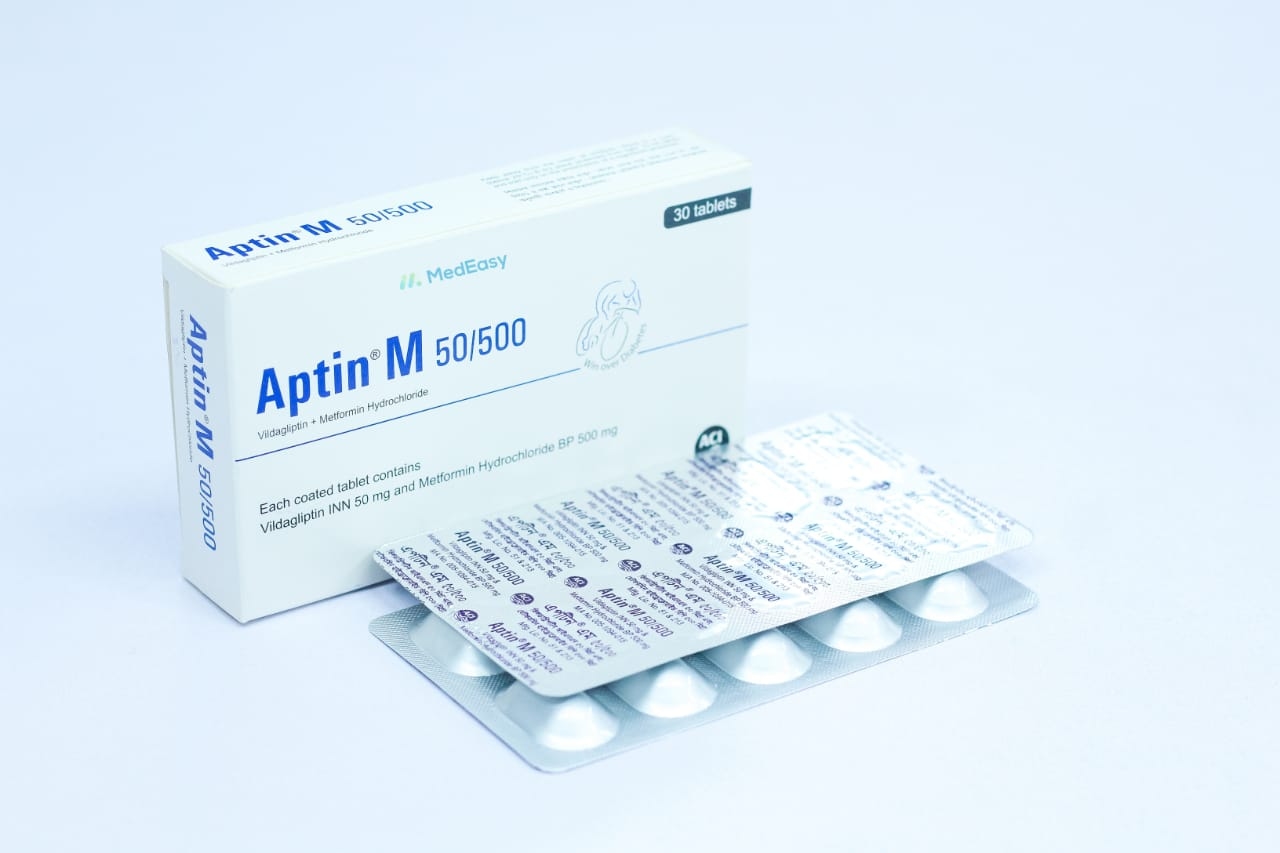
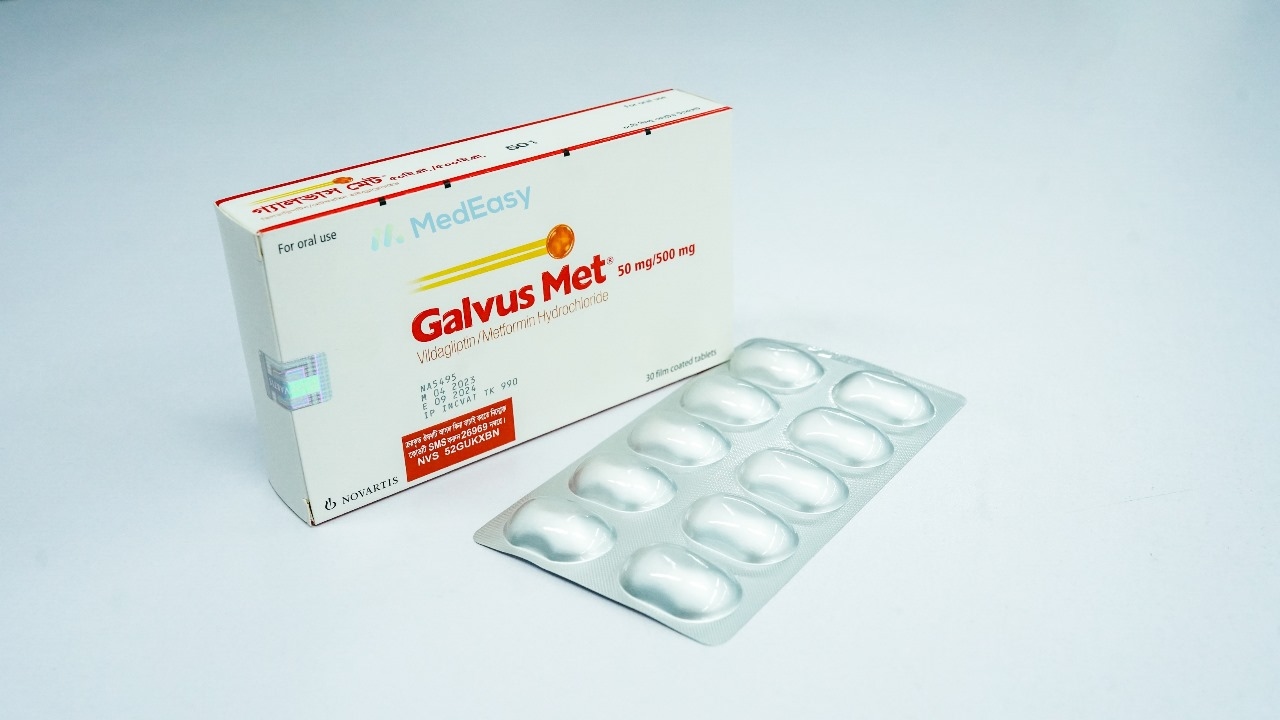
Galvus Met50 mg+500
Novartis (Bangladesh) Ltd.
৳306.90
Add to cart
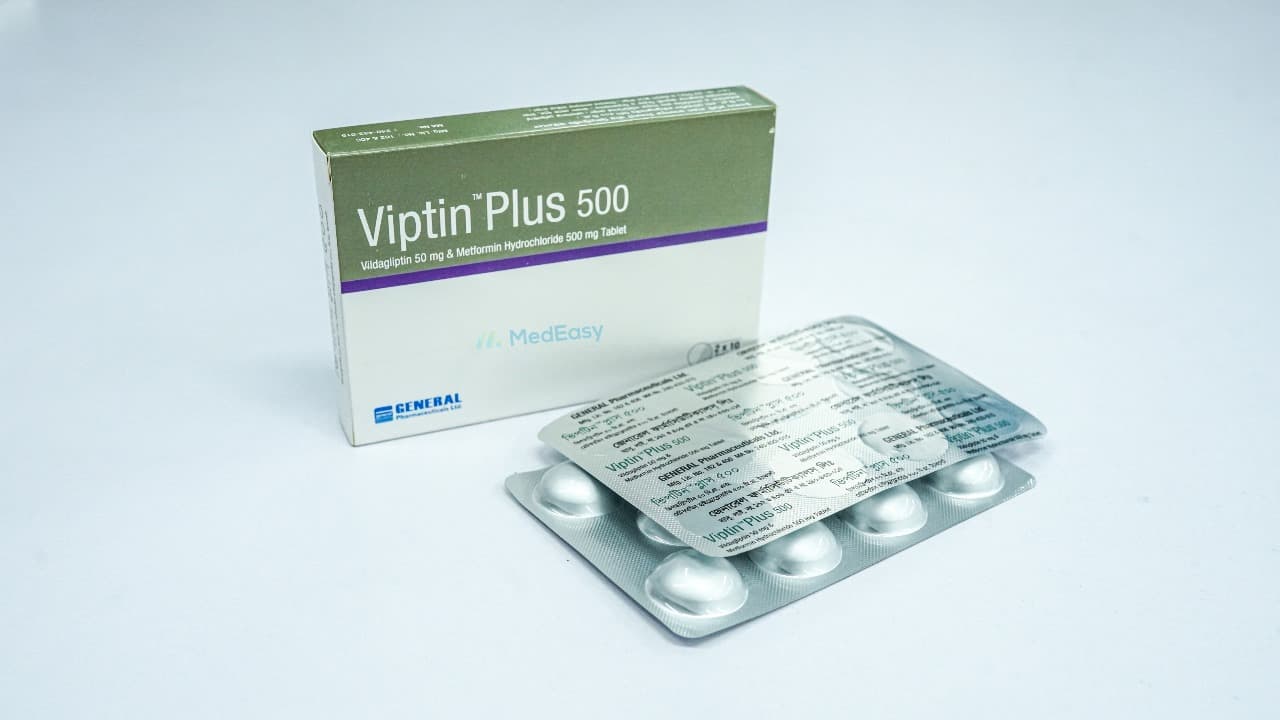

Viptin Plus is indicated as an adjunct to diet and exercise to improve glycaemic control in adults with type 2 diabetes mellitus in the following settings:
Viptin Plus is not indicated for type 1 diabetes mellitus or diabetic ketoacidosis, and is not a substitute for insulin in patients who require it.
Each film-coated tablet of Vildagliptin + Metformin Hydrochloride combines two active ingredients:
Tablets also contain standard pharmaceutical excipients (fillers, binders, coating agents) that do not have independent pharmacological activity.
Viptin Plus is a fixed-dose combination oral antidiabetic medicine that pairs vildagliptin, a DPP-4 inhibitor, with metformin hydrochloride, a biguanide. It is used in adults with type 2 diabetes mellitus to improve blood glucose control when diet, exercise, and metformin alone are not sufficient.
By combining two complementary mechanisms in a single tablet, Viptin Plus allows patients who need both agents to take fewer pills, which can help with treatment adherence. It does not replace lifestyle measures such as diet and exercise, which should be continued throughout treatment.
Viptin Plus belongs to the therapeutic class of oral antidiabetic agents (fixed-dose combinations), specifically combining a DPP-4 inhibitor (gliptin) with a biguanide. It is used in the management of type 2 diabetes mellitus.
Vildagliptin + Metformin Hydrochloride combines two agents with complementary and independent mechanisms of action to lower blood glucose in type 2 diabetes.
Vildagliptin is a potent, selective inhibitor of dipeptidyl peptidase-4 (DPP-4), the enzyme responsible for breaking down the incretin hormones GLP-1 (glucagon-like peptide-1) and GIP (glucose-dependent insulinotropic polypeptide). By inhibiting DPP-4, vildagliptin increases circulating levels of active incretins, which glucose-dependently enhances insulin secretion from pancreatic beta cells and suppresses inappropriately elevated glucagon secretion from alpha cells. This glucose-dependent action gives it a low intrinsic risk of hypoglycaemia when used alone.
Metformin is a biguanide that lowers blood glucose primarily by reducing hepatic glucose production (via inhibition of gluconeogenesis and glycogenolysis), improving peripheral insulin sensitivity in muscle (enhancing glucose uptake and utilisation), and modestly delaying intestinal glucose absorption. Metformin does not stimulate insulin secretion and therefore does not cause hypoglycaemia when used alone.
Used together as Vildagliptin + Metformin Hydrochloride, the two mechanisms act on different aspects of glucose homeostasis, producing an additive glycaemic effect compared with either component alone.
The dose of Viptin Plus should be individualised based on the patient's current metformin dose, effectiveness, and tolerability, while keeping the vildagliptin component at an effective and safe dose.
| Clinical situation | Typical adult dosing |
|---|---|
| Inadequately controlled on metformin alone | One tablet containing 50 mg vildagliptin twice daily (morning and evening), combined with the metformin dose closest to the patient's current metformin dose, up to a total vildagliptin dose of 100 mg/day. |
| Switching from separate vildagliptin + metformin tablets | Viptin Plus tablet matching the doses of vildagliptin and metformin already being taken, given twice daily. |
| Combined with a sulfonylurea or insulin | Dose individualised; a lower sulfonylurea or insulin dose may be needed to reduce hypoglycaemia risk (see Precautions). |
The maximum recommended daily dose of the vildagliptin component is 100 mg. Tablets should be swallowed whole with a glass of water, taken with or just after food to reduce gastrointestinal side effects.
| Renal function (eGFR) | Dose adjustment |
|---|---|
| ≥60 mL/min | No adjustment required for either component. |
| 45–59 mL/min | Vildagliptin limited to 50 mg once daily; metformin dose reduced per prescriber assessment (maximum metformin dose typically limited to 2000 mg/day). |
| 30–44 mL/min | Vildagliptin limited to 50 mg once daily; metformin dose further reduced (maximum typically 1000 mg/day), used only if benefit outweighs risk. |
| <30 mL/min | Viptin Plus is contraindicated (see Contraindications). |
Viptin Plus should not be used in patients with hepatic impairment or elevated liver enzymes, due to the metformin lactic-acidosis risk and vildagliptin's rare hepatotoxicity risk.
If a dose is missed, it should be taken as soon as remembered unless it is almost time for the next dose, in which case the missed dose should be skipped. Doses should not be doubled.
Tablets of Viptin Plus should be swallowed whole with a glass of water; they should not be crushed or chewed. Taking the dose with or immediately after a meal helps reduce metformin-related gastrointestinal symptoms such as nausea and diarrhoea. The daily dose is typically split into two tablets, taken in the morning and evening.
The vildagliptin and metformin components of Viptin Plus have low potential for pharmacokinetic drug interactions individually; there is no clinically relevant pharmacokinetic interaction between the two components themselves. Clinically significant interactions with other medicines mainly relate to the metformin component:
Vildagliptin + Metformin Hydrochloride is contraindicated in the following situations:
The most commonly reported side effects of Viptin Plus include:
Less common but important effects include peripheral oedema and, rarely, hepatic dysfunction (see Precautions and Warnings), acute pancreatitis, and skin reactions such as rash or urticaria. Long-term metformin use can be associated with reduced vitamin B12 absorption; periodic monitoring may be considered in patients with risk factors for deficiency.
Viptin Plus is not recommended during pregnancy. There is limited clinical experience with vildagliptin in pregnant women, and animal studies with the metformin/vildagliptin combination have shown reproductive toxicity at high doses. Since good glycaemic control before and during pregnancy is important, insulin is generally preferred for managing diabetes in pregnancy. Viptin Plus should be used only if clearly needed and if, in the treating physician's judgement, the potential benefit justifies the potential risk to the fetus; a physician must be consulted before use in pregnancy or if pregnancy is suspected or planned.
Viptin Plus should not be used during breastfeeding. It is not known whether vildagliptin passes into human breast milk, and metformin passes into breast milk in small amounts with a theoretical risk of neonatal hypoglycaemia. A decision should be made to discontinue breastfeeding or discontinue the medicine, taking into account the benefit of breastfeeding for the child and the benefit of therapy for the mother, in consultation with a physician.
Lactic acidosis is a rare but serious, potentially fatal metabolic complication associated with the metformin component of Viptin Plus, most often occurring in the setting of acute deterioration of renal function, cardiorespiratory illness, sepsis, dehydration, excessive alcohol intake, hepatic insufficiency, or any condition associated with tissue hypoxia. Patients should be advised to stop Viptin Plus and seek immediate medical attention if they experience symptoms such as persistent vomiting, abdominal pain, muscle cramps, severe tiredness, difficulty breathing, or low body temperature.
Rare cases of hepatic dysfunction, including hepatitis, have been reported with vildagliptin. Liver function tests are recommended before starting Viptin Plus, every three months during the first year of treatment, and periodically thereafter. Treatment should be discontinued if liver enzymes remain elevated (≥3 times the upper limit of normal) or if jaundice or other signs of hepatic dysfunction develop; the medicine should not be restarted after such discontinuation.
Acute pancreatitis has been reported with vildagliptin. Patients should be informed of the characteristic symptom of persistent, severe abdominal pain and advised to seek prompt medical attention if it occurs. Viptin Plus should be discontinued if pancreatitis is suspected, and not restarted if pancreatitis is confirmed.
Renal function should be assessed before starting Viptin Plus and monitored at least annually thereafter (more frequently in elderly patients or those at risk of further deterioration), because renal impairment increases the risk of lactic acidosis from the metformin component.
Viptin Plus should be discontinued at the time of, or before, surgery under general/spinal/epidural anaesthesia and not resumed until oral intake has resumed and renal function has been confirmed normal. It should also be temporarily withheld around the time of iodinated contrast imaging (see Interactions).
Viptin Plus alone has a low risk of hypoglycaemia, but the risk increases when combined with a sulfonylurea or insulin; dose reduction of the concomitant agent may be required.
Limited data are available on overdose with Viptin Plus. Overdose of the vildagliptin component has been associated with muscle pain, paraesthesia, fever, oedema, and transient increases in lipase, which resolved after stopping the medicine. Large overdoses of the metformin component can precipitate lactic acidosis, a medical emergency presenting with symptoms such as malaise, vomiting, abdominal pain, muscle cramps, and difficulty breathing.
If overdose is suspected, seek immediate medical attention or contact emergency services or a poison control centre without delay. Management in a hospital setting is supportive; haemodialysis is effective in removing metformin and lactate and may be used in cases of severe lactic acidosis or significant renal impairment. Do not attempt to manage a suspected overdose at home.
Store at room temperature (below 30°C), away from light and moisture. Keep out of reach of children.
No overall differences in efficacy or safety have been observed in elderly patients compared with younger adults, but because renal function tends to decline with age, renal function should be assessed more frequently in elderly patients taking Viptin Plus, and dosing adjusted accordingly.
Dose adjustment is required based on the degree of renal impairment, and Viptin Plus is contraindicated in severe renal impairment (see Dosage and Administration and Contraindications).
Viptin Plus is contraindicated in patients with hepatic impairment because of increased lactic acidosis risk and the possibility of impaired drug clearance.
The safety and efficacy of Viptin Plus in children and adolescents under 18 years of age have not been established; it is not recommended for use in this age group.
Viptin Plus is intended for long-term, ongoing use as part of the chronic management of type 2 diabetes mellitus, alongside diet and exercise. There is no fixed treatment duration; therapy is continued for as long as it remains effective and well tolerated, with periodic review by the treating physician, including reassessment of the need for continued therapy, glycaemic control, and renal and hepatic function.
DPP-4 inhibitor (vildagliptin) combined with biguanide (metformin hydrochloride) — oral antidiabetic fixed-dose combination
Vildagliptin + Metformin Hydrochloride works through two complementary mechanisms: vildagliptin inhibits the DPP-4 enzyme, prolonging the action of endogenous incretin hormones (GLP-1 and GIP) to increase glucose-dependent insulin release and suppress excess glucagon secretion; metformin reduces hepatic glucose production, improves peripheral insulin sensitivity, and modestly slows intestinal glucose absorption. Together they lower blood glucose through insulin-dependent and insulin-independent pathways without directly stimulating insulin release from the metformin component, keeping intrinsic hypoglycaemia risk low when used without a sulfonylurea or insulin.
Viptin Plus is not approved for use in patients under 18 years of age. The safety and efficacy of this fixed-dose combination have not been established in the pediatric population, and it should not be prescribed to children or adolescents. Management of type 2 diabetes in pediatric patients should follow age-appropriate, physician-directed treatment plans.
Q: What is Viptin Plus 50 mg+500 mg Tablet used for?
A: Viptin Plus 50 mg+500 mg Tablet is used together with diet and exercise to improve blood sugar control in adults with type 2 diabetes, typically when metformin alone is not enough, or as a convenient single tablet for patients already taking both medicines separately.
Q: Can Viptin Plus 50 mg+500 mg Tablet cause low blood sugar (hypoglycaemia)?
A: Used alone, Viptin Plus 50 mg+500 mg Tablet has a low risk of causing hypoglycaemia because metformin does not stimulate insulin release and vildagliptin acts only in a glucose-dependent way. However, the risk of hypoglycaemia increases if Viptin Plus 50 mg+500 mg Tablet is combined with a sulfonylurea or insulin, and your doctor may reduce the dose of those medicines.
Q: What is the serious warning about lactic acidosis with Viptin Plus 50 mg+500 mg Tablet?
A: The metformin component of Viptin Plus 50 mg+500 mg Tablet carries a rare but serious risk of lactic acidosis, particularly in people with reduced kidney function, dehydration, serious infection, heavy alcohol use, or conditions that reduce oxygen supply to tissues. Seek immediate medical attention if you experience persistent vomiting, stomach pain, muscle cramps, severe tiredness, or difficulty breathing while taking Viptin Plus 50 mg+500 mg Tablet.
Q: Do I need to stop Viptin Plus 50 mg+500 mg Tablet before a scan with contrast dye or before surgery?
A: Yes. Viptin Plus 50 mg+500 mg Tablet should usually be stopped before procedures using iodinated contrast dye and not restarted until at least 48 hours afterward, once kidney function has been checked. It should also usually be stopped before surgery under general anaesthesia. Always follow your physician's specific instructions.
Q: Can Viptin Plus 50 mg+500 mg Tablet be used during pregnancy or breastfeeding?
A: Viptin Plus 50 mg+500 mg Tablet is not recommended during pregnancy; insulin is usually preferred for blood sugar control in pregnancy, and Viptin Plus 50 mg+500 mg Tablet should only be used if your physician decides the benefit clearly outweighs the potential risk. Viptin Plus 50 mg+500 mg Tablet should not be used while breastfeeding. Always consult your physician if you are pregnant, breastfeeding, or planning either.
Q: Does Viptin Plus 50 mg+500 mg Tablet require any monitoring while I am taking it?
A: Yes. Because of the risks associated with Viptin Plus 50 mg+500 mg Tablet, your physician will typically monitor your kidney function (at least annually) and liver function (before starting, every three months in the first year, then periodically), and may check other parameters based on your individual health status.
Disclaimer
The information provided is accurate to the best of our knowledge, but it does not replace professional medical advice. We cannot guarantee its completeness or accuracy, and the absence of specific information about a drug should not be taken as an endorsement. We are not responsible for any consequences arising from this information, so please consult a healthcare professional for any concerns or questions.