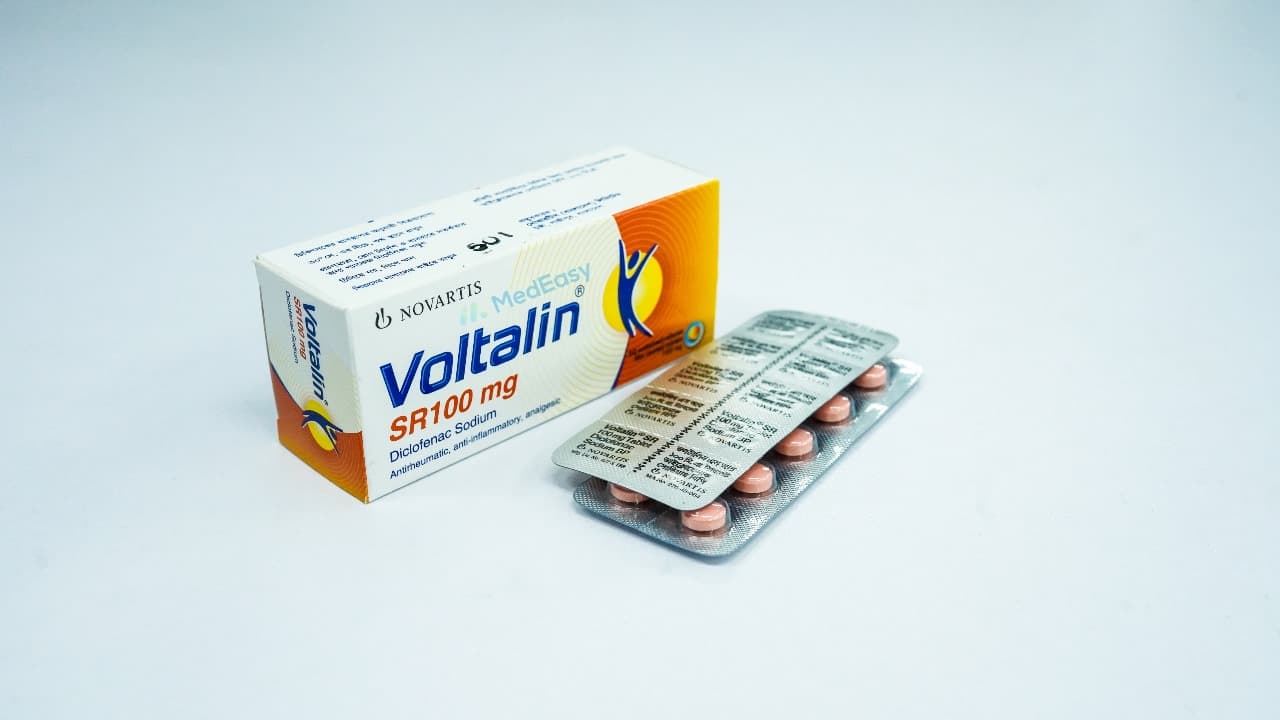
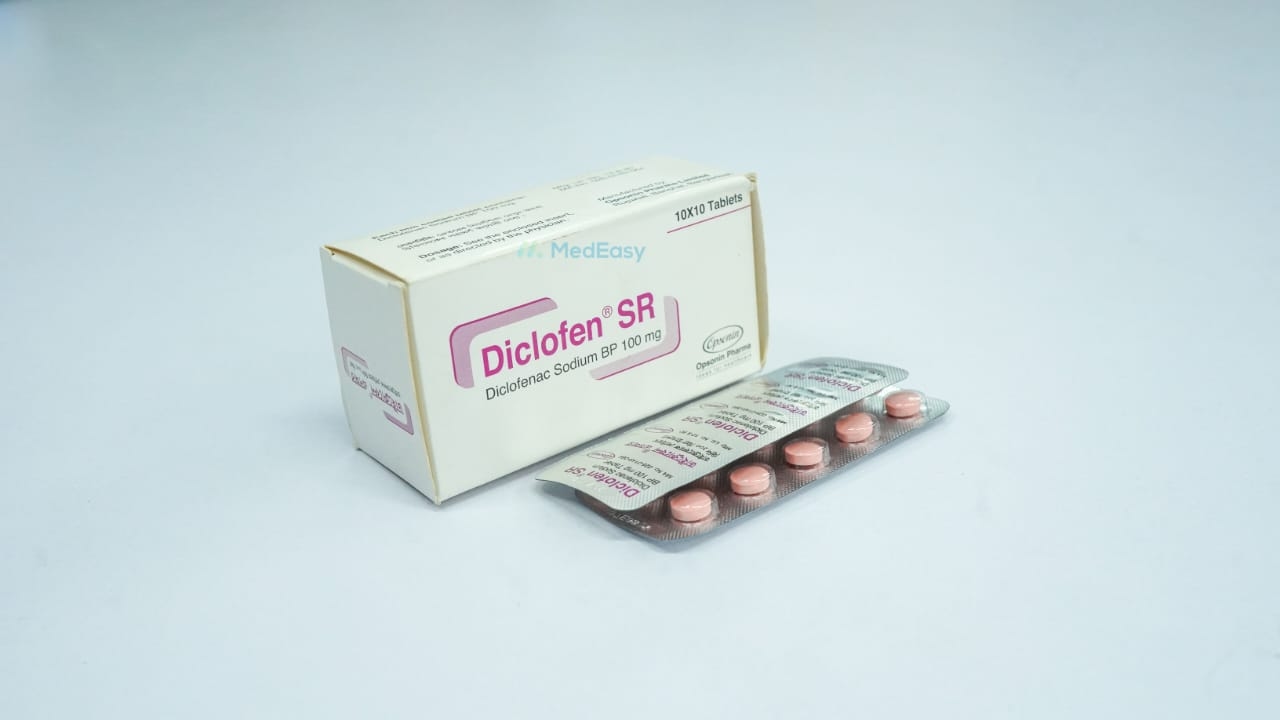
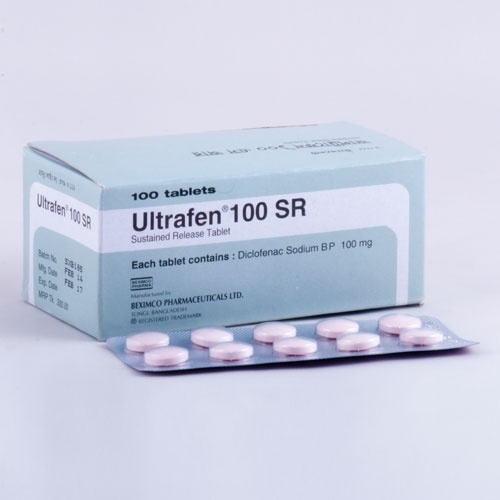
Product gallery
MRP 18.007% Off
Best PriceTk 16.74/piece
1
Section

Medicine overview

Indications of Voltalin SR 100 mg

Voltalin SR 100 mg is a potent non-steroidal anti-inflammatory drug (NSAID) with pronounced anti-inflammatory, analgesic, and antipyretic properties. It is indicated across a wide range of medical specialties for the management of pain, inflammation, and swelling caused by acute and chronic conditions.

Rheumatology

Voltalin SR 100 mg is indicated for the treatment of inflammatory and degenerative joint and musculoskeletal conditions, including:

  • Rheumatoid Arthritis (RA) — chronic inflammatory polyarthritis, including chronic involutive and seronegative forms
  • Osteoarthritis — degenerative joint disease of the knee, hip, spine, and other joints
  • Ankylosing Spondylitis (Ankylosing Spondylarthritis) — chronic inflammatory condition of the spine and sacroiliac joints
  • Spondylarthroses — degenerative disease of the spinal joints
  • Acute Gout — rapid relief of the intense pain and swelling of acute gouty arthritis attacks; Diclofenac also has some uricosuric effect
  • Peri-articular Rheumatic Disorders — including tendinitis, bursitis, periarthritis, and tenosynovitis
  • Juvenile Rheumatoid Arthritis — in children (under medical supervision)

Surgery and Traumatology

Voltalin SR 100 mg is indicated for pain and inflammation arising from surgical procedures and traumatic injuries, including:

  • Sprains — ligamentous injuries of joints
  • Bruises (Contusions) — soft tissue injuries from blunt trauma
  • Dislocations — joint displacement injuries
  • Fractures — post-fracture pain and swelling management
  • Soft tissue injuries — including strains and tears
  • Post-surgical pain and swelling — following all types of surgical interventions

Obstetrics and Gynecology

  • Primary Dysmenorrhoea — painful menstruation; one of the most effective NSAID treatments for menstrual cramps due to prostaglandin inhibition
  • Episiotomy pain — perineal wound pain following childbirth
  • Adnexitis — inflammation of the ovaries and fallopian tubes
  • Endometritis — inflammation of the uterine lining
  • Parametritis — inflammation of the tissues surrounding the uterus
  • Salpingitis — inflammation of the fallopian tubes
  • Mastitis — inflammation of breast tissue

Otorhinolaryngology (ENT)

Diclofenac is used as pre-operative medication in ENT surgery for the prevention of pain, post-operative inflammation, and swelling.

Dentistry

Voltalin SR 100 mg is indicated for the management of:

  • Post-operative dental pain — following tooth extraction, implant placement, or oral surgery
  • Post-traumatic dental pain — following dental injury
  • Inflammation and swelling associated with dental procedures

Urology / Nephrology

  • Renal colic — acute pain from ureteric stones; Diclofenac is one of the first-line treatments for renal colic, acting both as an analgesic and by reducing ureteric smooth muscle spasm through prostaglandin inhibition
  • Biliary colic — acute pain from biliary tract stones
  • Post-operative pain in urogenital tract surgery — prevention of pain and management of inflammation following procedures on the urogenital tract

Topical Use (Gel)

Voltalin SR 100 mg 1% topical gel is indicated for the local relief of pain, inflammation, and swelling in:

  • Localized forms of soft tissue rheumatism
  • Tendinitis, bursitis, and periarthritis
  • Sports injuries — sprains, strains, and contusions
  • Localized osteoarthritis of peripheral joints (knee, finger joints)

Theropeutic Class

Non-Steroidal Anti-Inflammatory Drugs (NSAIDs) / Drugs used for Rheumatoid Arthritis / Drugs for Osteoarthritis

Pharmacology

Voltalin SR 100 mg is a potent non-steroidal anti-inflammatory drug (NSAID) belonging to the phenylacetic acid derivative class. It possesses pronounced anti-inflammatory, analgesic, antipyretic, and mild uricosuric properties, making it one of the most widely prescribed NSAIDs globally and one of the most clinically versatile in terms of indications and available formulations.

Mechanism of Action

The primary mechanism by which Diclofenac exerts its therapeutic effects is through inhibition of prostaglandin biosynthesis. Specifically:

  1. COX Enzyme Inhibition: Diclofenac inhibits both cyclooxygenase-1 (COX-1) and cyclooxygenase-2 (COX-2) enzymes — the enzymes responsible for converting arachidonic acid to prostaglandins, prostacyclins, and thromboxanes. Diclofenac has a preferential but non-selective inhibitory effect on COX-2 compared to some other NSAIDs, contributing to its relatively favorable GI tolerability profile compared to fully non-selective NSAIDs like indomethacin.
  2. Prostaglandin Reduction: By blocking COX enzymes, Diclofenac reduces the synthesis of prostaglandins (particularly PGE2 and PGI2) — potent mediators of inflammation, peripheral and central pain sensitization, fever, and vasodilation at sites of tissue injury.
  3. Additional Mechanisms: Diclofenac also inhibits phospholipase A2 activity (reducing arachidonic acid release), inhibits the lipoxygenase pathway (reducing leukotriene synthesis), modulates nitric oxide synthase, and has been shown to stimulate the synthesis of endogenous anti-inflammatory lipoxins — contributing to its anti-inflammatory efficacy beyond simple COX inhibition.
  4. Uricosuric Effect: Diclofenac has a mild uricosuric action (increases uric acid excretion in the urine), which contributes to its efficacy in acute gout.

Pharmacokinetics

  • Absorption (Oral): Diclofenac is rapidly and completely absorbed from the gastrointestinal tract following oral administration. However, due to significant first-pass hepatic metabolism, the systemic bioavailability of a single oral dose is approximately 50–60% of the administered dose. Taking Diclofenac with or after a meal may slightly delay but does not substantially reduce overall absorption.
  • Peak Plasma Concentration (Cmax):
    • Conventional (enteric-coated) tablets: Approximately 2 hours after ingestion
    • Dispersible tablets: More rapidly absorbed than enteric-coated tablets (within 30–60 minutes), making them preferred when faster onset of action is desired
    • Sustained-release (SR) / Timed-release (TR) formulations: Peak concentrations are delayed and maintained more consistently over 24 hours, enabling once-daily dosing
    • IM injection: Peak plasma concentrations are achieved within 20–30 minutes
    • Rectal suppository: Absorption is slower than IM injection but bioavailability is similar to oral forms
  • Protein Binding: At therapeutic concentrations, Diclofenac is 99.7% bound to plasma proteins — predominantly albumin. This extensive protein binding limits its volume of distribution but also means it can interact with other highly protein-bound drugs.
  • Distribution: Despite high protein binding, Diclofenac penetrates well into inflamed tissue, synovial fluid (achieving concentrations exceeding plasma levels at steady state), and other sites of inflammation. Its volume of distribution is approximately 0.12–0.17 L/kg.
  • Metabolism: Extensively metabolized in the liver — primarily by CYP2C9 to form hydroxylated metabolites, which are then conjugated with glucuronic acid and sulfate. The main metabolite is 4'-hydroxydiclofenac, which has some pharmacological activity. All metabolites are substantially less active than the parent compound.
  • Half-life: Approximately 1 to 2 hours for the parent compound. Despite this short plasma half-life, the anti-inflammatory effect is sustained due to accumulation in inflamed tissue and synovial fluid, where concentrations remain elevated for longer.
  • Elimination: Approximately 65–70% of metabolites are excreted in the urine; the remaining 30–35% are eliminated via bile into the feces. Excretion of unchanged Diclofenac in the urine is minimal (<1%).
  • Topical Gel: Topically applied Voltalin SR 100 mg 1% gel achieves therapeutic concentrations in underlying tissues and joints with minimal systemic absorption (approximately 5–10% of the total dose), significantly reducing systemic side effects compared to oral forms.

Dosage of Voltalin SR 100 mg

The dose of Voltalin SR 100 mg depends on the formulation, indication, age, and clinical condition of the patient. Always follow your registered physician's prescribed dose. Do not self-medicate. Use the lowest effective dose for the shortest duration consistent with treatment goals.

Conventional (Film-Coated / Enteric-Coated) Tablets

Patient Group Dose Frequency Maximum Daily Dose Notes
Adults 25 mg or 50 mg 2–3 times daily 150 mg/day Preferably after food. Reduce dose for long-term use.
Elderly / Debilitated Lowest effective dose 2–3 times daily 75–100 mg/day Pharmacokinetics not significantly impaired, but GI risk is higher

Sustained-Release (SR) Tablet — Once Daily

Patient Group Dose Frequency Notes
Adults 100 mg SR (1 tablet) Once daily Swallow whole with liquid, preferably at mealtimes. Do not crush or chew.
Adults (if 100 mg SR insufficient) 100 mg SR + supplemental conventional 50 mg tablet Daily Maximum combined daily dose: 150 mg
Children 1–3 mg/kg body weight daily In divided doses Only for juvenile rheumatoid arthritis under medical supervision

Timed-Release (TR) Capsule

Patient Group Dose Frequency Notes
Adults 100 mg TR (1 capsule) Once daily Preferably after mealtimes. Swallow whole — do not open or chew.

Dispersible Tablets (DT)

Patient Group Dose Frequency Maximum Daily Dose Notes
Adults (standard) 2–3 dispersible tablets per day Divided doses 150 mg/day (3 tablets) Preferably before meals. Drop tablet into half a glass of water and stir to dissolve before swallowing.
Adults (mild cases) 2 dispersible tablets per day Divided doses For milder presentations where less anti-inflammatory effect is required
Children (juvenile RA only) 1–3 mg/kg body weight per day Divided doses Not recommended for other indications in children. No data beyond 3 months use.

Intramuscular (IM) Injection

Patient Group Dose Frequency Maximum Daily Dose Notes
Adults (standard) 75 mg (1 ampoule) Once daily 75 mg/day Deep IM injection into the upper outer quadrant of the gluteus. IV administration is not recommended.
Adults (severe/serious cases) 75 mg (1 ampoule) Twice daily 150 mg/day (2 ampoules) Only for severe acute conditions. Transition to oral therapy as soon as possible.

Suppositories (Rectal)

Patient Group / Available Strengths Dose Frequency Maximum Daily Dose
Adults (12.5 mg, 25 mg, 50 mg, or 100 mg suppositories available) 50 mg 2–3 times daily 150 mg/day
Children (12.5 mg suppositories) 0.5–1 mg/kg body weight per dose As prescribed 3 mg/kg/day

Note: Suppositories are particularly useful when oral administration is not possible — e.g., post-surgical patients with nausea, patients unable to swallow, or when rapid drug absorption bypassing first-pass metabolism is desired. A suppository at night in combination with oral doses during the day is also a common strategy to cover nocturnal symptoms and morning stiffness in arthritis.

Topical Gel (1% w/w)

Patient Group Amount Frequency Notes
Adults 2–4 g (approximately a 2–4 cm ribbon) per application site 3–4 times daily Rub gently into the affected area. Can be combined with systemic Diclofenac formulations.

Combined Formulations

Diclofenac gel may be used in addition to systemic Diclofenac formulations (oral tablets or suppositories) for additional local effect at a specific joint or soft tissue site, provided the total daily systemic dose from all sources does not exceed 150 mg.

Administration of Voltalin SR 100 mg

Conventional and Enteric-Coated (FC) Tablets

  • Take tablets with or after food or milk to reduce the risk of gastric irritation and dyspepsia.
  • Swallow tablets whole with a full glass of water — do not crush or chew enteric-coated tablets as the protective coating minimizes gastric acid exposure.
  • Take at regularly spaced intervals to maintain consistent anti-inflammatory blood levels.

Sustained-Release (SR) Tablets and Timed-Release (TR) Capsules

  • Swallow whole — do not crush, chew, or open these formulations. Damaging the controlled-release mechanism may deliver the entire dose too rapidly, causing toxicity.
  • Take preferably at mealtimes (with or after food) to optimize tolerability.
  • Once-daily formulations should be taken at approximately the same time each day for consistent drug levels.

Dispersible (DT) Tablets

  • Drop the dispersible tablet into at least half a glass of water and stir to aid complete dispersion before swallowing. Do not swallow whole.
  • Take preferably before meals — dispersible Diclofenac is more rapidly absorbed when taken in the fasted state, which is advantageous for acute pain (e.g., dysmenorrhoea, renal colic).

Intramuscular (IM) Injection

  • Administer as a deep intramuscular injection into the upper outer quadrant of the gluteal muscle (buttock). This helps minimize local tissue irritation at the injection site.
  • Alternate injection sites for consecutive injections.
  • The IM route is reserved for acute, severe conditions requiring rapid analgesia and should be transitioned to oral or rectal Diclofenac as soon as clinically feasible.
  • Do not administer Diclofenac by intravenous (IV) injection — this route is not approved for IM/IV formulations in standard clinical use and is associated with a risk of serious adverse effects including thrombophlebitis and renal toxicity.
  • Inspect ampoule visually before use — discard if solution is cloudy or contains particles.

Suppositories (Rectal)

  • Wash hands before and after insertion.
  • If the suppository is too soft, refrigerate briefly (10–15 minutes) before use.
  • Remove the foil wrapper and insert the suppository pointed end first, gently into the rectum.
  • Remain still for a few minutes after insertion to ensure retention and absorption.
  • Suppositories are particularly useful in patients who cannot take oral medication (severe vomiting, swallowing difficulties, immediate post-operative period).
  • Store suppositories below 25°C — avoid exposure to heat.

Topical Gel (External Use Only)

  • Apply 2–4 g (approximately a 2–4 cm ribbon from the tube) of Diclofenac gel to the affected area 3–4 times daily.
  • Rub in lightly until completely absorbed — do not leave a visible layer of gel on the skin surface.
  • Wash hands thoroughly after applying the gel, unless the hands themselves are the treatment site.
  • Do not apply to eyes, mucous membranes, open wounds, or broken skin.
  • Do not use under occlusive (airtight) dressings — this significantly increases systemic absorption and skin irritation risk.
  • Do not apply to areas of infected, inflamed, or eczematous skin.
  • The gel may be used alongside systemic Diclofenac formulations for additional localized relief.

Interaction of Voltalin SR 100 mg

Voltalin SR 100 mg interacts with several important drug classes. The following interactions require careful clinical management:

Lithium

Diclofenac may increase plasma concentrations of lithium by reducing its renal clearance (through inhibition of prostaglandin-mediated renal tubular secretion of lithium). This can lead to lithium toxicity — manifesting as tremor, confusion, drowsiness, nausea, and — in severe cases — cardiac arrhythmias and seizures. Serum lithium levels must be monitored closely when Diclofenac is initiated, adjusted, or discontinued in patients on lithium therapy.

Digoxin

Diclofenac may increase the plasma concentration of digoxin through a reduction in renal clearance. Although the interaction is generally modest, patients on concurrent digoxin therapy should have digoxin plasma levels and cardiac function monitored during Diclofenac treatment, particularly in patients with pre-existing renal or cardiac impairment.

Anticoagulants (Warfarin, Heparin)

There are isolated reports of an increased risk of hemorrhage when Diclofenac and anticoagulants are used together. This occurs through two mechanisms: (1) Diclofenac inhibits platelet aggregation via COX-1, reducing thromboxane A2 production; and (2) possible displacement of warfarin from plasma protein binding sites. Clinical investigations have not consistently shown a significant change in anticoagulant effect, but the combination carries real bleeding risk. INR/prothrombin time should be monitored carefully when initiating or changing Diclofenac in patients on oral anticoagulants.

Antidiabetic Agents

Clinical studies have shown that Diclofenac can generally be co-administered with oral antidiabetic agents (sulfonylureas, metformin) without significantly influencing their clinical hypoglycemic effect. However, some individual variation exists, and blood glucose monitoring is advisable when initiating concurrent therapy.

Cyclosporin (Ciclosporin)

Cases of nephrotoxicity have been reported in patients receiving both cyclosporin and Diclofenac. NSAIDs including Diclofenac reduce renal prostaglandin synthesis, which compromises renal blood flow in states of reduced circulating volume — and cyclosporin is independently nephrotoxic. Renal function should be closely monitored in transplant patients or others receiving cyclosporin who also need Diclofenac. Use this combination with extreme caution and at the lowest effective dose for the shortest duration.

Methotrexate (MTX)

Cases of serious methotrexate toxicity have been reported when MTX and NSAIDs are given within 24 hours of each other. Diclofenac reduces the renal tubular secretion of methotrexate, significantly increasing its plasma concentrations and the risk of severe, potentially fatal adverse effects including myelosuppression, mucositis, and nephrotoxicity. This combination requires extreme caution. NSAIDs should ideally not be administered within 24 hours of methotrexate. If unavoidable (e.g., MTX for rheumatoid arthritis), very close monitoring of full blood count, renal function, and MTX levels is mandatory.

Quinolone Antibiotics (Fluoroquinolones)

Convulsions and seizures have been reported as a result of an interaction between quinolone antibiotics (e.g., ciprofloxacin, levofloxacin) and NSAIDs including Diclofenac. Both classes lower the seizure threshold, and the combination may cause CNS excitation leading to convulsions — particularly in patients with pre-existing seizure disorders. Exercise caution when co-prescribing NSAIDs and quinolones.

Other NSAIDs and Corticosteroids

Co-administration of Diclofenac with other systemic NSAIDs (e.g., ibuprofen, naproxen, indomethacin) or oral corticosteroids increases the frequency and severity of unwanted effects — particularly gastrointestinal side effects (ulceration, bleeding, perforation). When co-administered with aspirin, the plasma levels of both drugs are reduced (aspirin displaces Diclofenac from protein binding), although the clinical significance is uncertain. Combining NSAIDs with corticosteroids substantially increases GI bleeding risk. Avoid concomitant NSAID therapy.

Diuretics, ACE Inhibitors, and ARBs

NSAIDs including Diclofenac can reduce the antihypertensive and diuretic effect of thiazide diuretics, loop diuretics, ACE inhibitors (e.g., enalapril, lisinopril), and angiotensin receptor blockers (ARBs). The combination can also significantly increase the risk of acute renal failure — particularly in volume-depleted, dehydrated, or elderly patients. Blood pressure and renal function should be monitored closely when Diclofenac is combined with these antihypertensive agents.

SSRIs and SNRIs

Concurrent use of NSAIDs including Diclofenac with SSRIs or SNRIs (antidepressants) increases the risk of gastrointestinal bleeding, as these antidepressants impair platelet aggregation via serotonin depletion while NSAIDs inhibit thromboxane A2 synthesis. The combination significantly multiplies GI bleeding risk.

Contraindications

Voltalin SR 100 mg is contraindicated in the following situations:

Hypersensitivity

  • Known hypersensitivity or allergy to Voltalin SR 100 mg or to any component or excipient in the formulation.
  • Patients with a history of hypersensitivity reactions to any other NSAID — due to the risk of cross-reactivity between NSAIDs. Reactions include urticaria, rash, angioedema, bronchospasm, and anaphylaxis.

Aspirin / NSAID-Exacerbated Respiratory Disease (AERD)

  • Patients in whom aspirin or other NSAIDs precipitate attacks of asthma, urticaria, or acute rhinitis — a syndrome known as NSAID-exacerbated respiratory disease (AERD) or aspirin triad (asthma + nasal polyps + aspirin/NSAID intolerance). Diclofenac and other NSAIDs are absolutely contraindicated in this population due to the risk of severe, potentially fatal bronchospasm and anaphylactoid reactions.

Active Gastrointestinal Disease

  • Active peptic ulceration (gastric or duodenal ulcer) — active or recently active
  • Active gastrointestinal bleeding or perforation
  • History of recurrent GI ulceration or bleeding — relative contraindication requiring gastroprotective cover (e.g., proton pump inhibitor)

Cardiovascular, Renal, and Hepatic Contraindications

  • Severe heart failure (NYHA Class IV)
  • Established ischemic heart disease, peripheral arterial disease, or cerebrovascular disease — risk of major adverse cardiovascular events (MACE) is substantially elevated with NSAID use
  • Severe renal impairment (GFR <30 mL/min)
  • Severe hepatic impairment — active liver disease or significantly impaired liver function

Perioperative Use in CABG Surgery

  • Use in the perioperative period of coronary artery bypass graft (CABG) surgery — associated with an increased risk of myocardial infarction and stroke

Pregnancy (Third Trimester)

  • Diclofenac is contraindicated in the third trimester of pregnancy — NSAIDs can cause premature closure of the ductus arteriosus and fetal renal impairment during this period

Topical Gel Specific Contraindication

  • Diclofenac gel must not be used under occlusive (airtight) dressings — this increases systemic absorption and the risk of local and systemic adverse effects.
  • Should not be applied to damaged, broken, or infected skin.

Side Effects of Voltalin SR 100 mg

Voltalin SR 100 mg is generally well tolerated at recommended doses for short-term use. Adverse effects are typically mild and transient. However, serious adverse effects — particularly gastrointestinal and cardiovascular — can occur with prolonged or high-dose use. The following have been reported:


Gastrointestinal Effects (Most Common)

  • Epigastric pain and discomfort — particularly at the start of treatment; taking with food reduces this risk
  • Nausea and vomiting
  • Diarrhea or loose stools
  • Eructation (belching) and flatulence
  • Dyspepsia (indigestion, bloating, acid reflux)
  • Loss of appetite (anorexia)
  • Peptic ulceration — gastric or duodenal ulcers; risk increases with higher doses, longer duration, and in elderly patients. May occur without warning symptoms — patients should be alert to symptoms such as severe abdominal pain, black tarry stools (melena), or vomiting of blood.
  • Gastrointestinal bleeding — a serious, potentially life-threatening complication that requires immediate medical attention
  • Gastrointestinal perforation — rare but extremely serious; requires emergency surgery

Central Nervous System Effects

  • Headache and migraine — reported occasionally
  • Dizziness and lightheadedness
  • Drowsiness and fatigue
  • Rarely: insomnia, nervousness, irritability, or cognitive disturbances

Cardiovascular Effects (Important Warning)

  • Peripheral edema (fluid retention in the limbs) — a common cardiovascular effect due to NSAID-induced sodium and water retention via prostaglandin inhibition in the kidney
  • Hypertension — NSAIDs can raise blood pressure and reduce the efficacy of antihypertensive medication
  • Serious cardiovascular thrombotic events — including myocardial infarction (heart attack) and stroke. Risk is elevated with prolonged NSAID use, higher doses, and in patients with existing cardiovascular risk factors. Diclofenac carries one of the higher cardiovascular risk profiles among commonly used NSAIDs.
  • Rarely: palpitations and cardiac arrhythmias

Skin and Hypersensitivity Reactions

  • Skin rash — maculopapular or urticarial eruptions
  • Eczema and pruritus
  • Rarely: severe cutaneous reactions including Stevens-Johnson syndrome (SJS), toxic epidermal necrolysis (TEN), and erythema multiforme — discontinue immediately if suspected
  • Photosensitivity reactions
  • Anaphylaxis/anaphylactoid reactions — rare but potentially fatal; more common in patients with NSAID hypersensitivity

Hepatic Effects

  • Elevated liver enzymes (ALT, AST) — transient and reversible in most cases
  • Rarely: hepatitis, jaundice, and — very rarely — acute liver failure. Hepatic monitoring is recommended during prolonged therapy, particularly in patients with pre-existing liver disease

Renal Effects

  • Deterioration of renal function — reduced renal blood flow and GFR due to inhibition of prostaglandin-mediated renal vasodilation; risk is higher in patients with reduced effective circulating volume, heart failure, or pre-existing renal impairment
  • Acute renal failure — particularly in high-risk patients (elderly, dehydrated, diuretic users)
  • Fluid retention and edema — contributing to hypertension and heart failure
  • Rarely: interstitial nephritis and nephrotic syndrome

Hematological Effects

  • Prolonged bleeding time due to antiplatelet effect
  • Rarely: thrombocytopenia, leukopenia, agranulocytosis, and hemolytic anemia

Topical Gel-Specific Side Effects

  • Local skin irritation — burning, stinging, or tingling sensation at the application site
  • Skin reddening (erythema)
  • Contact dermatitis or skin rash at the application site
  • Dry skin or scaling
  • Systemic side effects are rare with topical use due to minimal systemic absorption (approximately 5–10%), but can occur when applied to large surface areas, under occlusive dressings, or with broken skin

Pregnancy & Lactation

Pregnancy

The safety profile of Voltalin SR 100 mg in pregnancy depends critically on the trimester:

First and Second Trimesters

During the first and second trimesters, Diclofenac should only be used for compelling clinical reasons when the potential benefit clearly outweighs the potential risk to the fetus. It should not be routinely prescribed during pregnancy. If use is necessary:

  • Use the lowest effective dose for the shortest possible duration
  • Regular monitoring of fetal wellbeing, amniotic fluid volume (oligohydramnios has been reported), and renal function may be warranted with extended use

Third Trimester (Contraindicated)

Diclofenac is contraindicated in the third trimester of pregnancy (from Week 28 onwards) because NSAIDs during this period can cause:

  • Premature closure of the ductus arteriosus — potentially leading to fetal pulmonary hypertension, right heart failure, and neonatal death
  • Fetal and neonatal renal dysfunction — oligohydramnios (reduced amniotic fluid), neonatal oliguria, and neonatal renal failure
  • Inhibition of platelet aggregation — increasing the risk of bleeding in the neonate
  • Delayed or prolonged labor

Topical Gel in Pregnancy

Voltalin SR 100 mg gel is also not recommended during pregnancy due to insufficient clinical data on its safety, despite the lower systemic absorption compared to oral forms.

Lactation

A very small, clinically insignificant quantity of Diclofenac passes into breast milk. Under normal circumstances, when used at recommended doses for short periods, no adverse effects on the nursing infant are expected from standard oral or topical Diclofenac. However, caution is advised, and long-term or high-dose use during breastfeeding should be avoided. Physicians should weigh the benefit of treatment to the mother against any theoretical risk to the infant, and consider alternative analgesics such as paracetamol (acetaminophen) where appropriate.

Precautions & Warnings

Gastrointestinal Risk — Most Common Serious Complication

Diclofenac, like all NSAIDs, can cause serious GI adverse events including peptic ulceration, bleeding, and perforation — which may occur at any time during treatment and without prior warning symptoms. In rare instances, these events can be fatal. The risk is higher in:

  • Elderly patients (age ≥65 years)
  • Patients with a history of peptic ulcer disease or GI bleeding
  • Patients on concurrent anticoagulants, corticosteroids, or SSRIs/SNRIs
  • Heavy alcohol users
  • Patients on higher doses for prolonged periods

Gastroprotective therapy with a proton pump inhibitor (PPI) (e.g., omeprazole or esomeprazole) should be strongly considered in high-risk patients requiring regular NSAID therapy. Always use the lowest effective dose for the shortest necessary duration.

Cardiovascular Risk

Diclofenac carries one of the higher cardiovascular risk profiles among commonly prescribed NSAIDs. Clinical data from observational studies and randomized trials indicate that Diclofenac at higher doses (150 mg/day) increases the relative risk of serious cardiovascular events (myocardial infarction, stroke, cardiovascular death) by approximately 1.4–1.5-fold compared to placebo, comparable to the cardiovascular risk of selective COX-2 inhibitors. This risk is greatest in patients with established cardiovascular disease or multiple cardiovascular risk factors. Use Diclofenac at the lowest effective dose for the shortest duration, particularly in patients with hypertension, diabetes, dyslipidemia, smoking history, obesity, or established cardiovascular disease.

Elderly Patients — Increased Vigilance Required

Elderly patients require particularly careful monitoring during Diclofenac therapy because they are at substantially higher risk for all serious NSAID-associated adverse events:

  • GI bleeding and perforation (often painless in elderly)
  • Cardiovascular events and fluid retention
  • Acute renal failure (reduced renal reserve with aging)
  • Drug interactions (polypharmacy)

The lowest effective dose should always be prescribed in elderly or debilitated patients, with regular clinical and biochemical review.

Hepatic Impairment Monitoring

Liver enzyme elevations occur in some patients during Diclofenac therapy. Meaningful elevations (more than 3 times the upper limit of normal) may indicate hepatocellular damage. Diclofenac should be discontinued if significant liver enzyme elevations persist or worsen, or if clinical symptoms of liver disease develop (jaundice, dark urine, right upper quadrant pain, fatigue). Liver function tests should be monitored periodically during prolonged therapy in patients with pre-existing hepatic disease.

Renal Impairment

Diclofenac should be used with particular caution in patients with impaired renal function, heart failure, liver cirrhosis, or in those taking diuretics, ACE inhibitors, or ARBs — all conditions that reduce renal blood flow and make the kidney more dependent on prostaglandin-mediated vasodilation for perfusion. Renal function should be monitored during therapy. Avoid Diclofenac in patients with severe renal impairment (GFR <30 mL/min).

Fluid Retention and Hypertension

NSAIDs promote sodium and water retention, which can worsen hypertension and heart failure. Blood pressure should be monitored when Diclofenac is initiated in patients on antihypertensive therapy. Diclofenac can reduce the efficacy of antihypertensive drugs, including ACE inhibitors, ARBs, and diuretics.

NSAID-Exacerbated Respiratory Disease (AERD)

All patients should be screened for a history of aspirin sensitivity or NSAID-induced bronchospasm before prescribing Diclofenac. Cross-reactivity among NSAIDs means any patient who has experienced bronchospasm with aspirin may react to Diclofenac. Diclofenac is absolutely contraindicated in patients with aspirin-sensitive asthma.

Topical Gel — Specific Precautions

  • External use only — do not ingest gel or allow it to contact the eyes or mucous membranes
  • Wash hands thoroughly after each application
  • Do not apply under occlusive dressings — this markedly increases systemic absorption
  • Avoid contact with open wounds, abraded, or eczematous skin
  • Discontinue if local skin reactions (rash, eczema, severe redness) develop

Overdose Effects of Voltalin SR 100 mg

There is no specific antidote for Voltalin SR 100 mg overdose. Manifestations of overdose may include:

  • Nausea, vomiting, epigastric pain, and gastrointestinal bleeding
  • Headache and dizziness
  • Drowsiness and lethargy
  • Tinnitus (ringing in the ears)
  • Convulsions — particularly in children and elderly patients
  • Acute renal failure — oliguria, rising serum creatinine
  • Hepatotoxicity — jaundice, elevated liver enzymes
  • Metabolic acidosis (in severe overdose)
  • Respiratory depression (in very severe cases)

Management of overdose is symptomatic and supportive:

  • Activated charcoal should be considered if the patient presents within 1 hour of ingestion and can protect their airway — to reduce further GI absorption
  • Gastric lavage may be considered in very recent, large-volume ingestion
  • Monitor and maintain vital signs, fluid balance, renal function, and electrolytes
  • GI bleeding should be managed with appropriate endoscopic and supportive measures
  • Convulsions should be treated with benzodiazepines (e.g., diazepam)
  • Alkaline diuresis may help increase renal clearance of Diclofenac metabolites

Since Diclofenac is extensively bound to plasma proteins (99.7%), it is not efficiently removed by hemodialysis. In the event of suspected overdose, contact a poison control center or seek emergency medical care immediately.

Storage Conditions

  • Store all Voltalin SR 100 mg formulations below 30°C, in a cool, dry place protected from light and moisture.
  • Keep all formulations out of the reach of children.
  • Do not use any formulation after the expiry date printed on the packaging or label.
  • Tablets and capsules: Store in original blister packs or tightly sealed containers to protect from humidity and light. Do not store in bathroom medicine cabinets where heat and moisture fluctuations can degrade the product.
  • Suppositories: Store below 25°C in a cool, dry place. High ambient temperatures — common in Bangladesh's climate — can cause suppositories to soften. If softening occurs, refrigerate briefly before use. Do not freeze.
  • Injection ampoules: Store below 30°C, protected from light, in original packaging. Do not freeze. Inspect for clarity before use — discard if discolored or containing particulates. Use immediately after opening; single-use only.
  • Topical gel: Store below 30°C, away from direct sunlight and heat. Keep the tube tightly closed after use. Do not freeze the gel. Discard within the period stated on the label after first opening.
  • Store all formulations in their original packaging to protect from environmental degradation.

Use In Special Populations

Elderly Patients

The pharmacokinetics of Voltalin SR 100 mg are not significantly impaired in elderly patients. However, elderly patients are substantially more vulnerable to all serious NSAID-related adverse events — including GI bleeding, cardiovascular events, renal failure, and fluid retention — due to reduced physiological reserve, polypharmacy, and more frequent comorbidities. The lowest effective dose should always be used in elderly patients. Regular clinical review and monitoring of renal function, blood pressure, and GI symptoms is essential during prolonged therapy.

Pediatric Patients

Diclofenac is generally not recommended in children for most indications. The exception is juvenile rheumatoid arthritis, for which the recommended dose is 1–3 mg/kg body weight daily in divided doses, under strict medical supervision. There is no clinical data to support the use of Diclofenac DT (dispersible tablets) for more than 3 months in children. Diclofenac gel use in children under 12 years has not been well studied and is generally not recommended.

Patients with Hepatic Impairment

Diclofenac is extensively metabolized in the liver. In patients with mild to moderate hepatic impairment, Diclofenac should be used with caution and liver function monitored regularly. It is contraindicated in severe hepatic impairment or active liver disease. The risk of hepatotoxicity is enhanced in patients with pre-existing liver disease.

Patients with Renal Impairment

NSAIDs inhibit prostaglandin-mediated renal afferent arteriolar vasodilation, reducing renal blood flow and GFR. In patients with normal renal function and adequate circulating volume, this effect is generally well tolerated. However, in patients with any degree of pre-existing renal impairment, heart failure, hepatic cirrhosis, or volume depletion, Diclofenac can precipitate acute renal failure. Diclofenac is contraindicated in severe renal impairment (GFR <30 mL/min). In moderate impairment, use at the lowest effective dose with regular renal function monitoring.

Patients with Cardiovascular Disease

Diclofenac should be used with extreme caution — or avoided — in patients with established cardiovascular disease (ischemic heart disease, peripheral arterial disease, cerebrovascular disease) or multiple cardiovascular risk factors (hypertension, hyperlipidemia, diabetes mellitus, smoking, obesity). The cardiovascular risk associated with higher-dose Diclofenac is comparable to that of selective COX-2 inhibitors. If use is unavoidable, prescribe the lowest effective dose for the shortest duration and ensure blood pressure and fluid status are actively monitored.

Drug Classes

Drugs for Osteoarthritis, Drugs used for Rheumatoid Arthritis, Non-steroidal Anti-inflammatory Drugs (NSAIDs)

Mode Of Action

Dilofenac Sodium is a potent non-steroidal anti-inflammatory drug (NSAID) with pronounced anti-rheumatic, anti-inflammatory, analgesic and antipyretic properties. It has also some uricosuric effect. Diclofenac exerts its effect by inhibiting prostaglandin biosynthesis which plays a major role in causing inflammation, pain and fever. Diclofenac is rapidly and completely absorbed from the gastro-intestinal tract when taken with or after meal. Peak plasma concentrations are reached within an average of 2 hours after ingestion of it. At therapeutic concentrations, it is 99.7% bound to plasma proteins. Diclofenac is metabolized in the liver and undergoes first pass metabolism.

Pregnancy

During pregnancy, Diclofenac should be employed only for compelling reasons. The lowest effective dose should be used. These types of drugs are not recommended during the first trimester of pregnancy. In view of insufficient clinical data, Voltalin SR 100 mg Gel is not recommended during pregnancy. A very insignificant quantity of Diclofenac may be detected in breast milk but no undesirable effects on the infant to be expected.

Frequently Asked Questions

What is Voltalin SR 100 mg used for?

Voltalin SR 100 mg is a potent non-steroidal anti-inflammatory drug (NSAID) with pronounced anti-inflammatory, analgesic, and antipyretic properties. It is indicated across a wide range of medical specialties for the management of pain, inflammation, and swelling caused by acute and chronic conditions. Rheumatology Voltalin SR 100 mg is indicated for the treatment of inflammatory and degenerative …

What is the dosage of Voltalin SR 100 mg?

The dose of Voltalin SR 100 mg depends on the formulation, indication, age, and clinical condition of the patient. Always follow your registered physician's prescribed dose. Do not self-medicate. Use the lowest effective dose for the shortest duration consistent with treatment goals. Conventional (Film-Coated / Enteric-Coated) Tablets Patient Group Dose Frequency Maximum Daily Dose Notes Adults 25…

What are the side effects of Voltalin SR 100 mg?

Voltalin SR 100 mg is generally well tolerated at recommended doses for short-term use. Adverse effects are typically mild and transient. However, serious adverse effects — particularly gastrointestinal and cardiovascular — can occur with prolonged or high-dose use. The following have been reported: Gastrointestinal Effects (Most Common) Epigastric pain and discomfort — particularly at the start o…

Who should not take Voltalin SR 100 mg?

Voltalin SR 100 mg is contraindicated in the following situations: Hypersensitivity Known hypersensitivity or allergy to Voltalin SR 100 mg or to any component or excipient in the formulation. Patients with a history of hypersensitivity reactions to any other NSAID — due to the risk of cross-reactivity between NSAIDs. Reactions include urticaria, rash, angioedema, bronchospasm, and anaphylaxis. As…

What precautions should be taken with Voltalin SR 100 mg?

Gastrointestinal Risk — Most Common Serious Complication Diclofenac, like all NSAIDs, can cause serious GI adverse events including peptic ulceration, bleeding, and perforation — which may occur at any time during treatment and without prior warning symptoms. In rare instances, these events can be fatal. The risk is higher in: Elderly patients (age ≥65 years) Patients with a history of peptic ulce…

Is Voltalin SR 100 mg safe during pregnancy and breastfeeding?

Pregnancy The safety profile of Voltalin SR 100 mg in pregnancy depends critically on the trimester: First and Second Trimesters During the first and second trimesters, Diclofenac should only be used for compelling clinical reasons when the potential benefit clearly outweighs the potential risk to the fetus. It should not be routinely prescribed during pregnancy. If use is necessary: Use the lowes…

Disclaimer

The information provided is accurate to our best practices, but it does not replace professional medical advice. We cannot guarantee its completeness or accuracy. The absence of specific information about a drug should not be seen as an endorsement. We are not responsible for any consequences resulting from this information, so consult a healthcare professional for any concerns or questions.