10% Off
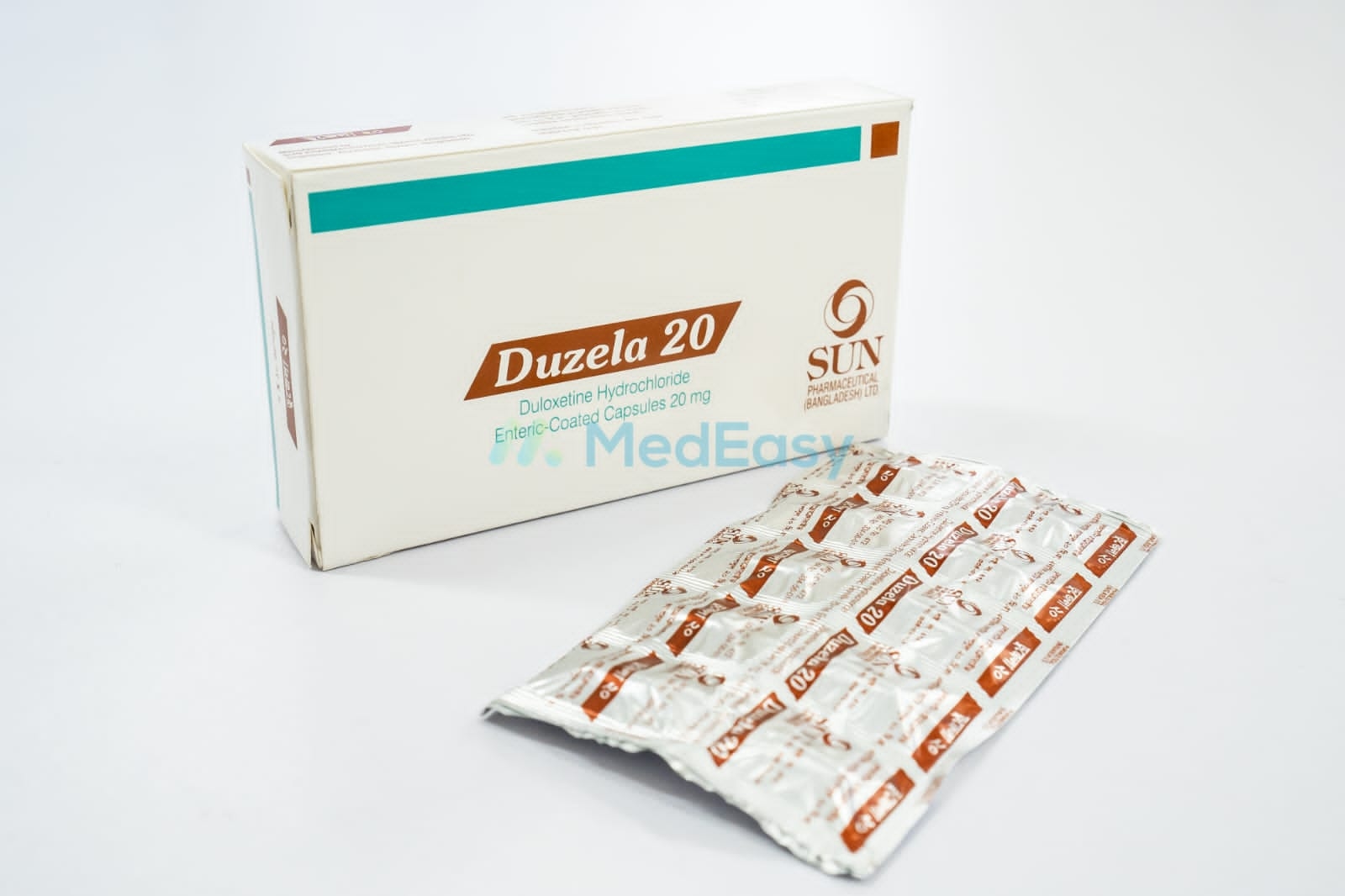
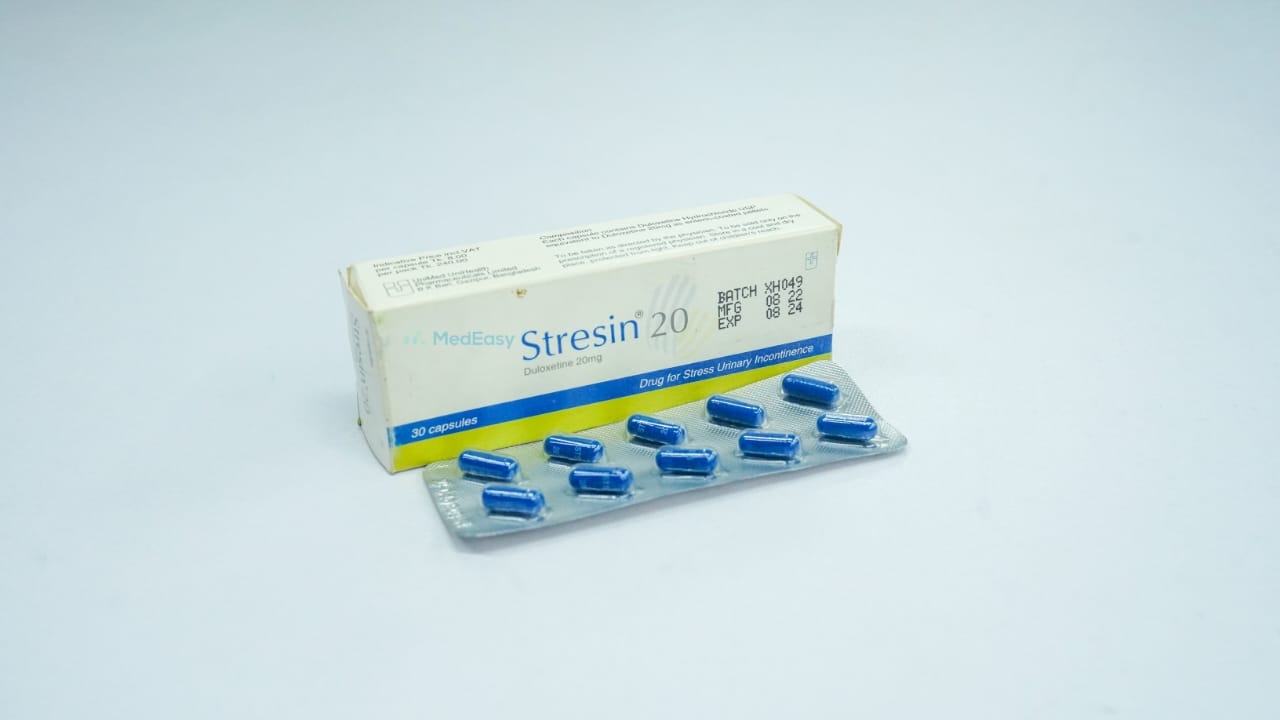
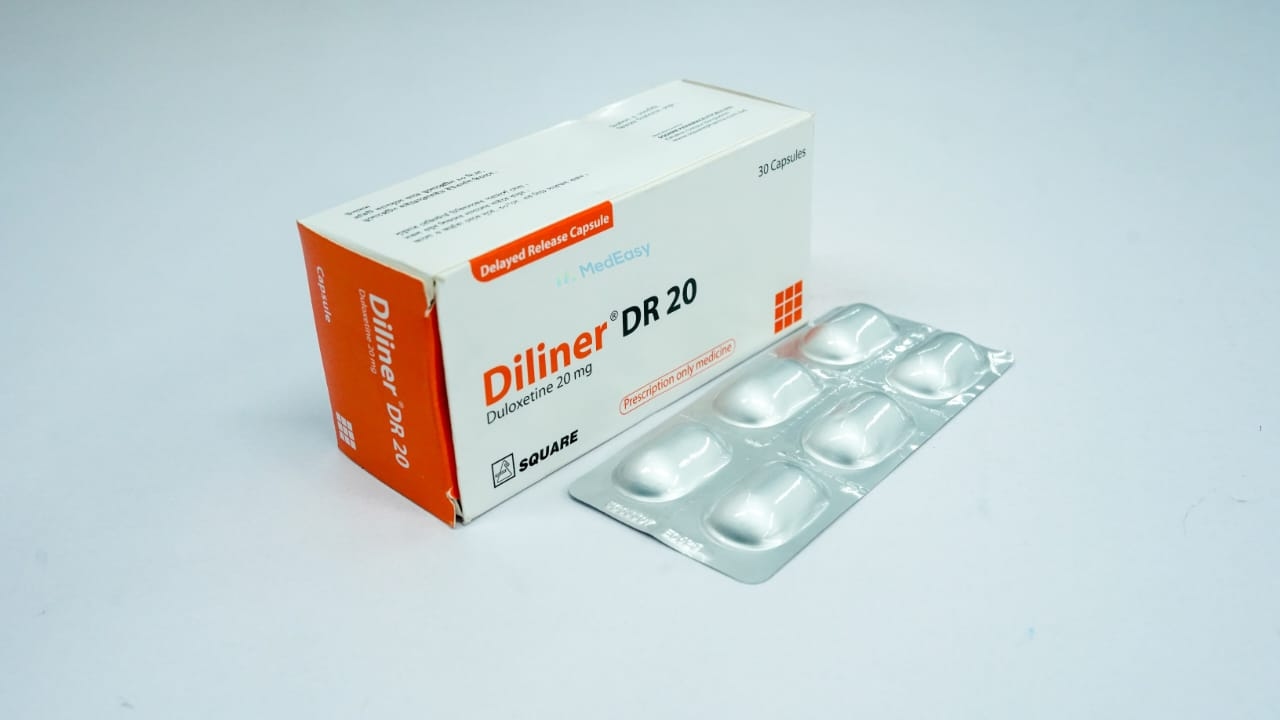
Diliner DR20 mg
Square Pharmaceuticals PLC.
৳7.20
Add to cart


Xinolax DR is a serotonin-norepinephrine reuptake inhibitor (SNRI) with the following evidence-based indications:
The exact indication and dose should always be decided by a qualified physician based on individual assessment.
Each capsule contains Duloxetine Hydrochloride equivalent to duloxetine base, commonly available in strengths of 20 mg, 30 mg, 40 mg, and 60 mg as enteric-coated pellets filled in delayed-release capsules, along with pharmaceutically acceptable excipients.
Xinolax DR is a potent, selective inhibitor of neuronal serotonin and norepinephrine reuptake, formulated as an enteric-coated, delayed-release oral capsule to reduce gastric irritation and improve tolerability. It belongs to the serotonin-norepinephrine reuptake inhibitor (SNRI) class of antidepressants and is widely used for major depressive disorder, several anxiety and pain conditions, and fibromyalgia.
Because Xinolax DR carries a boxed warning for increased suicidal thinking and behavior in children, adolescents, and young adults, and because it can cause serious hepatic, cardiovascular, and serotonergic effects, it should only be used under the supervision of a physician, with careful patient selection and monitoring.
Xinolax DR belongs to the Serotonin-Norepinephrine Reuptake Inhibitor (SNRI) class of antidepressant/analgesic agents.
Duloxetine Hydrochloride works by potently and selectively inhibiting the reuptake of serotonin (5-HT) and norepinephrine (NE) at the presynaptic neuron, increasing the availability of these neurotransmitters in the central nervous system. This dual action is thought to underlie both its antidepressant/anxiolytic effect and its ability to modulate descending pain pathways, explaining its efficacy in neuropathic and musculoskeletal pain. It has minimal affinity for dopaminergic, cholinergic, histaminergic, opioid, glutamate, or GABA receptors.
Xinolax DR should be taken exactly as prescribed. Dosing is individualized by indication, age, and hepatic/renal status.
| Indication | Starting Dose | Target/Usual Dose | Maximum Dose |
|---|---|---|---|
| Major depressive disorder (adults) | 40–60 mg/day (single or divided dose) | 60 mg once daily | 120 mg/day |
| Generalized anxiety disorder (adults <65 yrs) | 60 mg once daily | 60 mg once daily | 120 mg/day |
| Generalized anxiety disorder (elderly ≥65 yrs) | 30 mg once daily | 60 mg once daily | 120 mg/day |
| Diabetic peripheral neuropathic pain | 60 mg once daily | 60 mg once daily | 60 mg/day |
| Fibromyalgia (adults) | 30 mg once daily for 1 week | 60 mg once daily | 60 mg/day |
| Chronic musculoskeletal pain (adults) | 30 mg once daily for 1 week | 60 mg once daily | 60 mg/day |
| GAD, pediatric (7–17 years) | 30 mg once daily for 2 weeks | 30–60 mg once daily | 120 mg/day |
| Fibromyalgia, pediatric (13–17 years) | 30 mg once daily for 1 week | 60 mg once daily | 60 mg/day |
Xinolax DR should never be stopped abruptly; the dose should be tapered gradually over at least 1–2 weeks (longer if needed) under physician guidance to reduce the risk of discontinuation symptoms. See Precautions and Warnings.
Xinolax DR delayed-release capsules should be taken orally, once daily, with or without food, at approximately the same time each day. Capsules should be swallowed whole with water and must not be opened, chewed, or crushed, and the pellets inside should not be sprinkled on food or mixed with liquids, as this may affect the delayed-release coating and increase side effects. If a dose is missed, it should be taken as soon as remembered unless it is close to the next dose, in which case the missed dose should be skipped — do not double the dose. Do not stop taking Xinolax DR suddenly without consulting a physician; the dose must be tapered gradually when discontinuing.
Xinolax DR has several clinically significant drug interactions:
Duloxetine Hydrochloride is contraindicated in the following situations:
Side effects of Xinolax DR range from common and mild to rare but serious.
Pregnancy: Xinolax DR should be used during pregnancy only if clearly needed and if the potential benefit to the mother justifies the potential risk to the fetus; a physician must be consulted before use. Use late in pregnancy (third trimester) has been associated with neonatal complications requiring prolonged hospitalization, respiratory support, and tube feeding, including respiratory distress, temperature instability, feeding difficulty, hypotonia, tremor, and irritability in the newborn.
Lactation: Xinolax DR passes into breast milk in small amounts. A decision should be made, in consultation with a physician, whether to discontinue breastfeeding or discontinue the drug, weighing the benefit of treatment to the mother against any potential risk to the breastfed infant.
Xinolax DR and other antidepressants increase the risk of suicidal thinking and behavior in children, adolescents, and young adults (up to age 24) in short-term studies. Patients of all ages should be monitored closely for worsening depression, unusual changes in behavior, and suicidality, especially at the start of treatment or after a dose change. Xinolax DR is not approved for use in pediatric patients with major depressive disorder.
Cases of hepatic injury, including hepatocellular damage with jaundice and, rarely, fatal outcomes, have been reported. Xinolax DR should be avoided in patients with substantial alcohol use or chronic liver disease, and should be discontinued if jaundice or other evidence of significant liver dysfunction develops.
A potentially life-threatening reaction can occur, particularly when Xinolax DR is combined with other serotonergic drugs (see Interactions). Symptoms include mental status changes, autonomic instability, neuromuscular abnormalities, and gastrointestinal symptoms. Xinolax DR should be discontinued immediately if serotonin syndrome is suspected.
These can occur, particularly during the first week of treatment or with dose increases, and are more likely in elderly patients and those on antihypertensive medication.
Blood pressure should be measured before starting Xinolax DR and monitored periodically during treatment; caution is advised in patients with hypertension or cardiovascular disease.
Xinolax DR can cause pupillary dilation, which may precipitate an angle-closure attack in patients with anatomically narrow angles; it is contraindicated in uncontrolled narrow-angle glaucoma.
Abrupt discontinuation of Xinolax DR can cause symptoms such as dizziness, headache, nausea, paresthesia, irritability, and insomnia. The dose should always be tapered gradually rather than stopped suddenly.
Xinolax DR may increase the risk of bleeding events, particularly when combined with NSAIDs, aspirin, warfarin, or other anticoagulants (see Interactions).
Overdose of Xinolax DR, alone or combined with other drugs or alcohol, can be serious and potentially life-threatening. Reported features of overdose include serotonin syndrome, seizures, drowsiness, vomiting, and, rarely, changes in heart rhythm.
If an overdose of Xinolax DR is suspected, seek immediate medical attention or contact emergency services / a poison control center right away. Do not attempt to manage a suspected overdose at home. Management in a hospital setting is supportive and symptomatic; there is no specific antidote.
Store at room temperature (below 30°C), away from light and moisture. Keep out of reach of children.
Xinolax DR should be avoided in patients with severe renal impairment (creatinine clearance <30 mL/min) and in those with end-stage renal disease on dialysis, as plasma concentrations of Xinolax DR and its metabolites are significantly increased.
Xinolax DR should be avoided in patients with chronic liver disease or hepatic impairment because of the risk of increased drug exposure and hepatotoxicity (see Precautions and Warnings).
Elderly patients may be more sensitive to the effects of Xinolax DR, including a higher risk of hyponatremia, falls, and orthostatic hypotension. A lower starting dose (e.g., 30 mg/day for generalized anxiety disorder) is recommended in this group, with careful monitoring.
See Pediatric Uses.
The duration of treatment with Xinolax DR is individualized by the treating physician based on indication and response. For major depressive disorder, treatment is generally continued for several months after symptom improvement to reduce the risk of relapse, with periodic reassessment of the continued need for therapy. For chronic pain conditions (diabetic neuropathic pain, fibromyalgia, chronic musculoskeletal pain), treatment duration is guided by ongoing symptom control and tolerability. Treatment should never be stopped abruptly; any discontinuation must be done gradually under medical supervision (see Dosage and Administration).
Serotonin-Norepinephrine Reuptake Inhibitor (SNRI)
Duloxetine Hydrochloride acts centrally by blocking the presynaptic reuptake transporters for serotonin and norepinephrine, thereby increasing serotonergic and noradrenergic neurotransmission in the brain and spinal cord. Enhanced noradrenergic and serotonergic tone in descending inhibitory pain pathways is believed to contribute to its analgesic effect in neuropathic and chronic pain conditions, in addition to its mood- and anxiety-modulating effects.
C
Xinolax DR has specific, age-restricted pediatric approvals and carries an important safety warning for younger patients.
Children, adolescents, and young adults taking Xinolax DR for any indication should be monitored closely for worsening depression, unusual behavior changes, and suicidal thinking, particularly during the first few months of treatment and after dose changes (see Boxed Warning under Precautions and Warnings).
Q: What is Xinolax DR 20 mg Capsule used for?
A: Xinolax DR 20 mg Capsule is an SNRI medicine used to treat major depressive disorder, generalized anxiety disorder, diabetic nerve pain, fibromyalgia, and chronic musculoskeletal pain such as chronic low back pain or osteoarthritis pain.
Q: How long does it take for Xinolax DR 20 mg Capsule to work?
A: Some effects on pain may be noticed within 1-2 weeks, but the full antidepressant and anxiolytic effect of Xinolax DR 20 mg Capsule may take 4-6 weeks of regular use. Do not stop taking it early just because you do not feel improvement immediately — discuss any concerns with your physician.
Q: Can I stop taking Xinolax DR 20 mg Capsule suddenly?
A: No. Xinolax DR 20 mg Capsule should never be stopped abruptly, as this can cause discontinuation symptoms such as dizziness, nausea, headache, and irritability. Your physician will guide you on how to taper the dose gradually.
Q: Is Xinolax DR 20 mg Capsule safe during pregnancy or breastfeeding?
A: Xinolax DR 20 mg Capsule should be used in pregnancy only if clearly needed, as the potential benefit must be weighed against potential risk to the baby, especially if used late in pregnancy. It also passes into breast milk in small amounts. Always consult your physician before using Xinolax DR 20 mg Capsule if you are pregnant, planning pregnancy, or breastfeeding.
Q: What should I avoid while taking Xinolax DR 20 mg Capsule?
A: Avoid taking Xinolax DR 20 mg Capsule together with monoamine oxidase inhibitors (MAOIs), and use caution with other serotonergic medicines, NSAIDs, aspirin, and blood thinners because of increased bleeding risk. Avoid substantial alcohol use because of the risk of liver injury. Always inform your physician of all medicines you are taking.
Q: What are the serious warning signs I should watch for with Xinolax DR 20 mg Capsule?
A: Seek immediate medical attention if you notice worsening mood or new suicidal thoughts (especially in children, teenagers, and young adults), yellowing of the skin or eyes, unusual bleeding, severe dizziness or fainting, eye pain or vision changes, or symptoms of serotonin syndrome such as agitation, rapid heartbeat, and muscle rigidity.
Disclaimer
The information provided is accurate to the best of our knowledge, but it does not replace professional medical advice. We cannot guarantee its completeness or accuracy, and the absence of specific information about a drug should not be taken as an endorsement. We are not responsible for any consequences arising from this information, so please consult a healthcare professional for any concerns or questions.