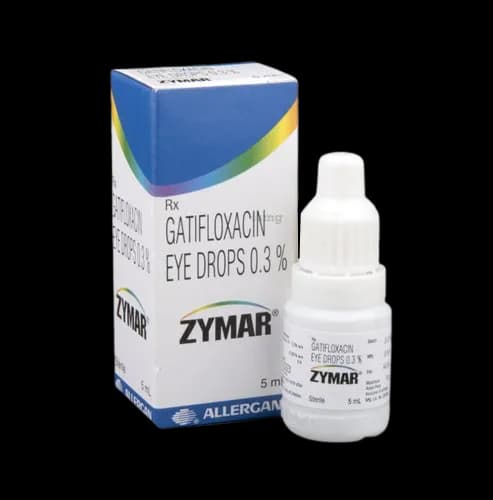
Zymar 0.3% is indicated in the following infections:
Acute bacterial exacerbation of chronic bronchitis due to Streptococcus pneumoniae, Haemophilus influenzae, Haemophilus parainfluenzae, Moraxella catarrhalis, or Staphylococcus aureus.
Acute sinusitis due to Streptococcus pneumoniae or Haemophilus influenzae.
Community-acquired pneumonia due to Streptococcus pneumoniae, Haemophilus influenzae, Haemophilus parainfluenzae, Moraxella catarrhalis, Staphylococcus aureus, Mycoplasma pneumoniae, Chlamydia pneumoniae, or Legionella pneumophila.
Uncomplicated skin and skin structure infections (i.e., simple abscesses, furuncles, folliculitis, wound infections, and cellulitis) due to Staphylococcus aureus or Streptococcus pyogenes.
Uncomplicated urinary tract infections due to Escherichia coli, Klebsiella pneumoniae, or Proteus mirabilis.
Complicated urinary tract infections due to Escherichia coli, Klebsiella pneumoniae, or Proteus mirabilis.
Pyelonephritis due to Escherichia coli.
Uncomplicated urethral and cervical gonorrhea due to Neisseria gonorrhoeae.
Acute, uncomplicated rectal infections in women due to Neisseria gonorrhoeae.
Theropeutic Class
4-Quinolone preparations
Pharmacology
Zymar 0.3% is a fluoroquinolone antibacterial which acts by inhibiting DNA synthesis in susceptible organisms via inhibition of both DNA gyrase (essential for bacterial reproduction) and topoisomerase IV (essential during bacterial cell division).
Dosage of Zymar 0.3%
Acute Bacterial Exacerbation of Chronic Bronchitis: 400 mg 5 days
Acute Sinusitis: 400 mg 10 days
Community-acquired Pneumonia: 400 mg 7-14 days
Uncomplicated Skin and Skin Structure Infections: 400 mg 7-10 days
Uncomplicated Urinary Tract Infections: 400 mg Single Dose or 200 mg 3 days
Complicated Urinary Tract Infections: 400 mg 7-10 days
Acute Pyelonephritis: 400 mg 7-10 days
Uncomplicated Urethral Gonnorrhea in Men: 400 mg Single dose
Administration of Zymar 0.3%
Zymar 0.3% can be administered without regard to food.
Contraindications
Zymar 0.3% is contraindicated in patients with a history of hypersensitivity of Zymar 0.3%, quinolone antimicrobial agents, or any other components of this product.
Side Effects of Zymar 0.3%
Zymar 0.3% is generally well tolerated. The most common side effects that can occur while taking this drug are usually mild and include nausea, vomiting, stomach pain, diarrhea, dizziness,and headache .
Pregnancy & Lactation
Pregnancy: Zymar 0.3% should be used during pregnancy only if the potential benefit outweighs the potential risk to the fetus.Lactation: It is not known whether Zymar 0.3% is excreted in human milk. Because many drugs are excreted in human milk, caution should be exercised when Zymar 0.3% is administered to a nursing woman.
Precautions & Warnings
Zymar 0.3% should be administered with caution in the presence of renal insufficiency.
Overdose Effects of Zymar 0.3%
Zymar 0.3% exhibits a low potential for acute toxicity in animal studies. In the event of acute oral overdose, the stomach should be emptied by inducing vomiting or by gastric lavage. The patient should be carefully observed (including ECG monitoring) and given symptomatic and supportive treatment. Adequate hydration should be maintained.
Use In Special Populations
Renal Impaired patient:
Creatinine Clearance 40 mL/min: 400 mg every day.
Creatinine Clearance < 40 mL/min: 400 mg 200 mg every day.
Dialysis patients:
Hemodialysis: 400 mg 200 mg every day.
Continuous peritoneal dialysis: 400 mg 200 mg every day.
Pediatric use: The safety and effectiveness of Zymar 0.3%acin in pediatric populations (<18 years of age) have not been established.
Frequently Asked Questions
What is Zymar 0.3% used for?
Zymar 0.3% is indicated in the following infections: Acute bacterial exacerbation of chronic bronchitis due to Streptococcus pneumoniae, Haemophilus influenzae, Haemophilus parainfluenzae, Moraxella catarrhalis, or Staphylococcus aureus. Acute sinusitis due to Streptococcus pneumoniae or Haemophilus influenzae. Community-acquired pneumonia due to Streptococcus pneumoniae, Haemophilus influenzae, H…
What is the dosage of Zymar 0.3%?
Acute Bacterial Exacerbation of Chronic Bronchitis: 400 mg 5 days Acute Sinusitis: 400 mg 10 days Community-acquired Pneumonia: 400 mg 7-14 days Uncomplicated Skin and Skin Structure Infections: 400 mg 7-10 days Uncomplicated Urinary Tract Infections: 400 mg Single Dose or 200 mg 3 days Complicated Urinary Tract Infections: 400 mg 7-10 days Acute Pyelonephritis: 400 mg 7-10 days Uncomplicated Uret…
What are the side effects of Zymar 0.3%?
Zymar 0.3% is generally well tolerated. The most common side effects that can occur while taking this drug are usually mild and include nausea, vomiting, stomach pain, diarrhea, dizziness,and headache .
Who should not take Zymar 0.3%?
Zymar 0.3% is contraindicated in patients with a history of hypersensitivity of Zymar 0.3%, quinolone antimicrobial agents, or any other components of this product.
What precautions should be taken with Zymar 0.3%?
Zymar 0.3% should be administered with caution in the presence of renal insufficiency.
Is Zymar 0.3% safe during pregnancy and breastfeeding?
Pregnancy: Zymar 0.3% should be used during pregnancy only if the potential benefit outweighs the potential risk to the fetus.Lactation: It is not known whether Zymar 0.3% is excreted in human milk. Because many drugs are excreted in human milk, caution should be exercised when Zymar 0.3% is administered to a nursing woman.
Disclaimer
The information provided is accurate to our best practices, but it does not replace professional medical advice. We cannot guarantee its completeness or accuracy. The absence of specific information about a drug should not be seen as an endorsement. We are not responsible for any consequences resulting from this information, so consult a healthcare professional for any concerns or questions.