
Quick answer: Most headaches are tension-type or migraine, and most settle at home. Drink water, eat something, rest in a quiet dark room, and take paracetamol early if needed. A menthol balm on the temples gives a cooling feeling many find soothing. It does not treat the cause. Get urgent help for a sudden severe headache, or one with fever and stiff neck, weakness, confusion or vision loss.
Which type of headache do I have?
The table is a guide, not a diagnosis.
| Feature | Tension-type headache | Migraine | “Sinus” headache |
|---|---|---|---|
| Where and how | Both sides; dull pressure like a tight band; you can carry on | Usually one side; throbbing; worse on moving; hard to work | Face, cheeks, forehead; pressure or fullness |
| Other signs | Tender neck or shoulders | Nausea, light and sound hurt; some get an aura (flashing lights, zigzags) first | Thick coloured mucus, blocked nose, fever, with a cold |
| Triggers | Stress, screens, poor posture, skipped meals, too little water, poor sleep | Stress, missed meals, poor sleep, periods, too much caffeine, weather | A cold or sinus infection |
| Lasts | 30 minutes to a few days | 4 hours to 3 days | About a week, clearing with the cold |
The “sinus headache” that is really migraine
In Bangladesh, one-sided face pain often gets called “sinus”. The American Migraine Foundation says studies show about 90% of self-diagnosed sinus headaches are actually migraine attacks. A true sinus headache comes with a cold and thick, coloured mucus, and clears as the cold clears. If it keeps coming back without a cold, think migraine. Read our guide on cold, flu or allergy.
What can I do right now at home?
Start with these simple steps.
- Drink two glasses of water. Dehydration is a very common cause.
- Eat something if you skipped a meal.
- Put the phone down and rest your eyes for 20 minutes.
- Lie down in a quiet, dark room. Sleep if you can.
- Gently stretch your neck and shoulders.
- Take paracetamol early if the pain is building (see below).
Warm or cold?
For a tension headache, put a warm (not hot) towel on the back of the neck for 15 minutes. For migraine, many prefer cold. Wrap a cold pack in a cloth and hold it on the forehead for 15 minutes. Use whichever feels better.
Do balms like Tiger Balm help a headache?
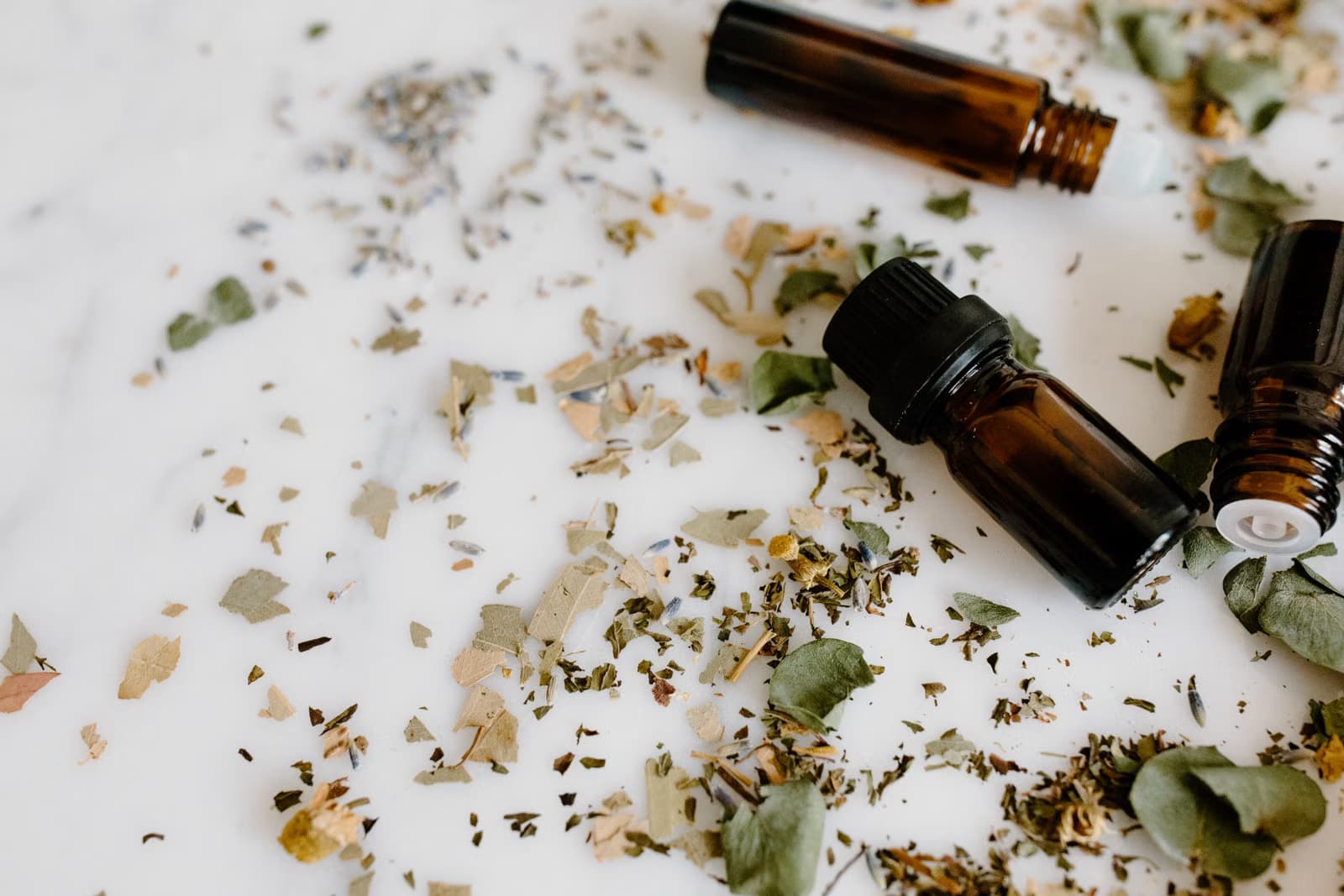
Menthol, camphor, clove or wintergreen balms are in almost every Bangladeshi home. Rubbed on the temples or neck, they give a cool, tingling feeling. This competes with the pain signal and distracts the brain. It does not fix the cause.
What the evidence says
- Limited evidence: the US National Institutes of Health (NCCIH) says limited evidence suggests peppermint oil on the skin might relieve tension headaches. Its main ingredient is menthol, and the studies are small.
- Limited evidence: a few small trials of menthol gel on the forehead for migraine were encouraging, but too small to be sure.
- Traditional use only: camphor, clove and wintergreen oil. No good trials exist.
- Good evidence comes from the simple steps above and from paracetamol or ibuprofen, not from balms.
So a balm is a reasonable add-on for a mild tension headache. It is not a treatment for migraine, and never a reason to delay seeing a doctor.
Products and how to use them safely
These are sold in the pain relief balms, oils and sprays section of MedEasy's Pain & Cold Relief range:
- Tiger Balm Red 19.4 g: the MedEasy page lists no ingredients or directions, so check the pack.
- Zandu Ultra Power Balm 8 ml: the pack says menthol, wintergreen oil, clove oil and capsaicin extract; a small amount 2–3 times a day, maximum 4; adults and children over 5; not on open wounds.
- AXE Brand Universal Oil 14 ml: the pack says menthol, methyl salicylate, eucalyptus and camphor; massage a few drops on the area; over 2 years only; not inside the nose; not to be swallowed.
Safety rules for any balm or oil:
- Use a pea-sized amount. Keep it well away from the eyes. Wash your hands after.
- Never inside or under the nostrils, especially a child's.
- No camphor or menthol balms for children under 2. Swallowed camphor is poisonous and can cause fits in a child. Keep the jar out of reach.
- No hot towel or heating pad over a balm (it can burn the skin), and not on broken or sunburnt skin. Stop if the skin turns red or blisters.
- Wintergreen and methyl salicylate are related to aspirin. Avoid them if you have aspirin allergy, take warfarin or are pregnant, unless a doctor agrees.
Which painkiller should I take, and how much?
Take a painkiller early; it works less well once the pain is severe.
Paracetamol first
Paracetamol is the first choice for most adults, including in pregnancy, for example Napa 500 mg. Adults usually take 1–2 tablets of 500 mg, at least 4 hours apart. Do not take more than 8 tablets (4 g) in 24 hours. Keep to 3 g a day if you weigh under 50 kg, have liver disease or drink alcohol regularly. Many cold remedies also contain paracetamol, so check their packs.
Ibuprofen if it suits you
Ibuprofen also works. Take it with food. Avoid it if you have kidney disease, a stomach ulcer, asthma that reacts to it, or are pregnant. In dengue season, do not take ibuprofen for a headache with fever until dengue is ruled out. It can increase bleeding.
Do not take painkillers too often
Headache tablets taken on many days a month can cause a daily headache called medication-overuse headache. Mayo Clinic says the risk rises when simple painkillers such as paracetamol or ibuprofen are used on more than 15 days a month. For combination painkillers, triptans or opioids, it is 10 or more days. The NHS advises no more than 2 days a week for migraine. Avoid daily combination “headache tablets” that mix paracetamol, aspirin and caffeine.
How do I stop headaches coming back?
If you get headaches often, keep a diary on your phone for a month. Note the time, meals, sleep, stress, screen hours and, for women, your period. Common triggers you can fix:
- Skipped meals and too little water, especially in hot weather and when fasting.
- Poor sleep, or sleeping far more than usual on days off.
- Long hours on a phone or computer. Take a 5-minute break every hour.
- Stress. Walking, prayer, breathing exercises and regular exercise help.
- Too much caffeine, or missing your usual cup. The NHS lists too much caffeine as a migraine trigger; keep to 1–2 cups a day.
For migraines more than once a week, a doctor can prescribe preventive medicine.
When should I see a doctor about a headache?
Call 999 or go to an emergency department now if a headache:
- starts suddenly and is the worst pain you have ever felt (“thunderclap” headache);
- comes with high fever, a stiff neck, or a rash that does not fade when a glass is pressed on it;
- follows a head injury or a fall, especially if it gets worse;
- comes with weakness or numbness of the face, arm or leg, slurred speech, confusion, drowsiness, vision loss or a fit.
Remember the stroke test FAST: Face drooping, Arm weakness, Speech slurred, Time to call 999. Do not drive; call an ambulance.
See a doctor within a few days if:
- you are over 50, pregnant or recently gave birth, and get a new type of headache;
- headaches are getting more frequent or severe, or you need painkillers on more than 2 days a week;
- a headache wakes you from sleep, or is worse when you cough, bend or strain;
- it comes with vision changes, vomiting, or a migraine lasting over 3 days;
- you have high blood pressure. A severe headache with a very high reading needs urgent care. See our guide to high blood pressure.
Or talk to a doctor online through MedEasy doctor consultation.
Common beliefs and questions in Bangladesh
“One-sided headache is sinus and needs antibiotics”
Usually not. Most repeated one-sided headaches are migraine. Antibiotics only help a true bacterial sinus infection confirmed by a doctor.
“Balm on the forehead cures migraine”
A cooling balm may feel nice, but it does not stop the attack. A dark room, a cold pack and an early painkiller work better.
“Take two painkillers every day to prevent headaches”
This is the surest way to get a daily headache, because of medication-overuse headache. Use painkillers on the fewest days possible.
“A headache means my blood pressure is high”
Most headaches have nothing to do with blood pressure, and most people with high blood pressure feel nothing. Measure it with a machine instead of guessing.
“Strong tea or coffee always fixes it”
Sometimes a cup helps. But heavy daily tea or coffee can cause headaches, and missing a cup can trigger one.
References
- Headaches - NHS
- Migraine - NHS
- Tension headaches - NHS
- Sinus Headache or Migraine? - American Migraine Foundation
- Medication overuse headaches - Mayo Clinic
- Peppermint Oil: Usefulness and Safety - NCCIH (US National Institutes of Health)
This article is for general awareness only and is not a substitute for advice from a doctor. Balms, oils and painkillers relieve symptoms only and do not treat the cause of a headache. Always read the pack, and see a doctor for frequent headaches or any warning sign.