10% Off
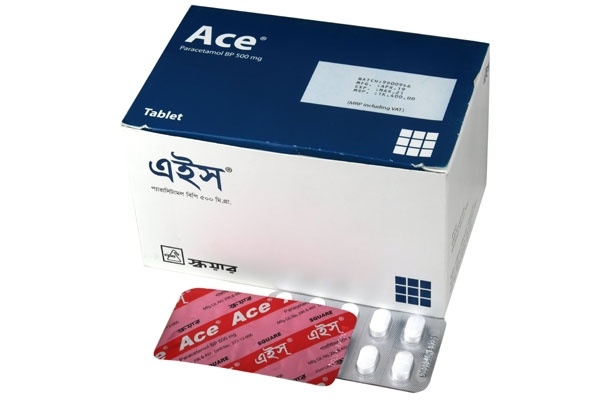
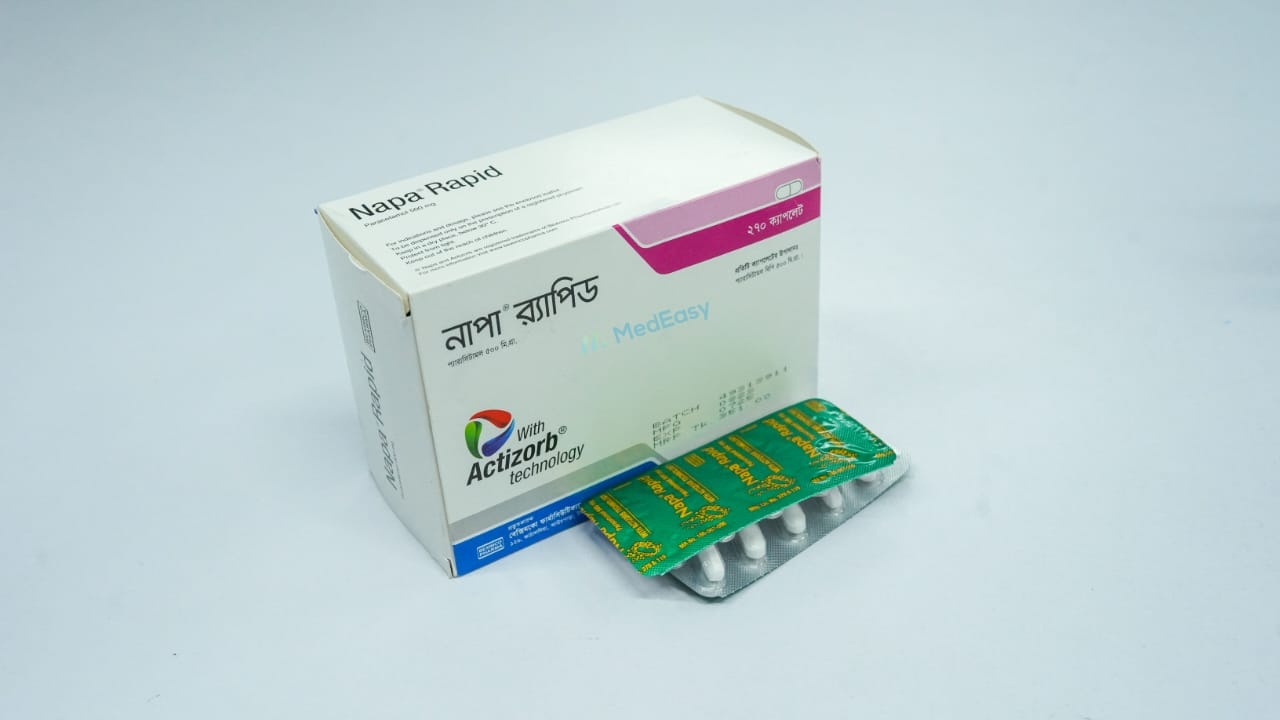
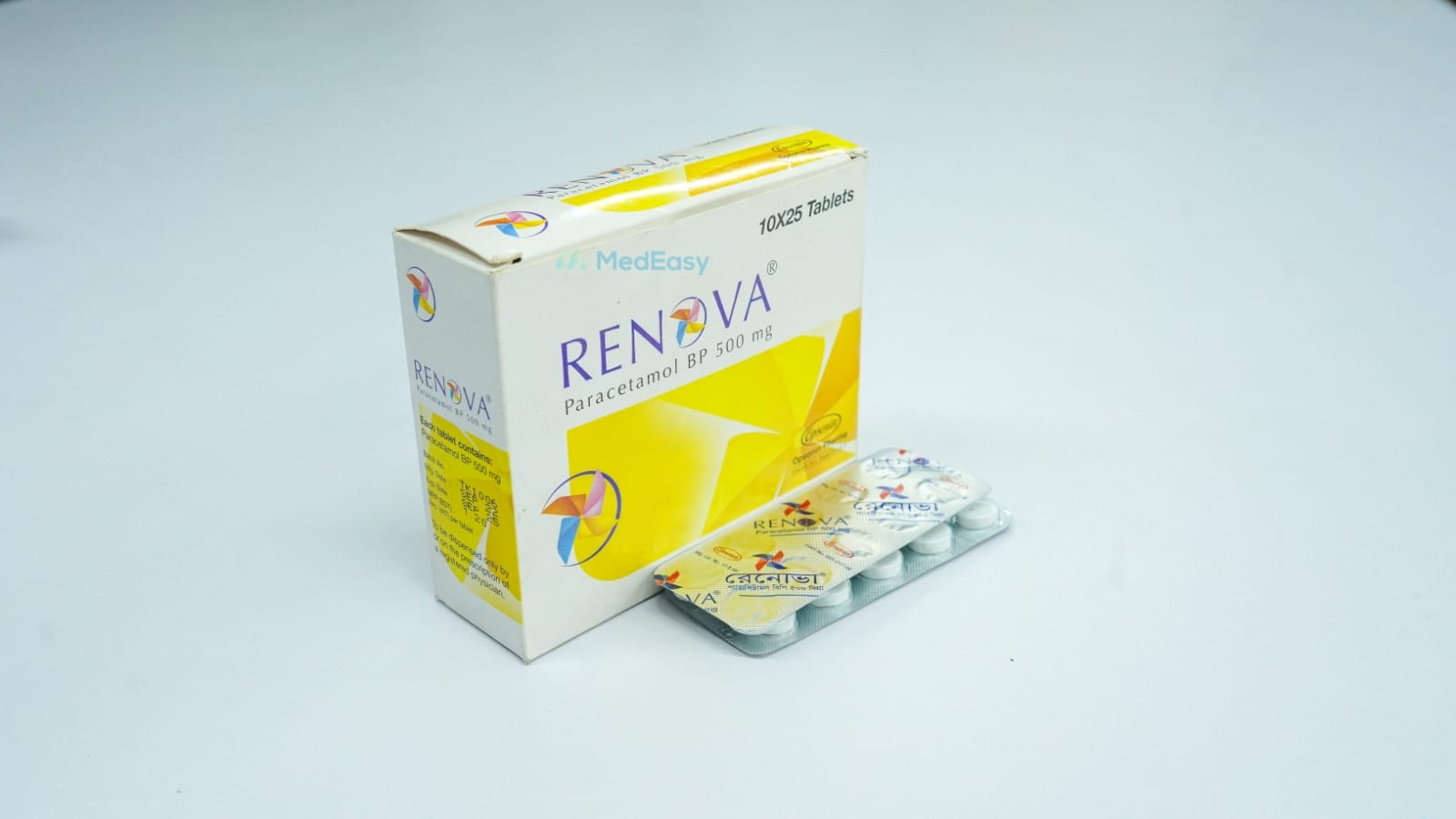
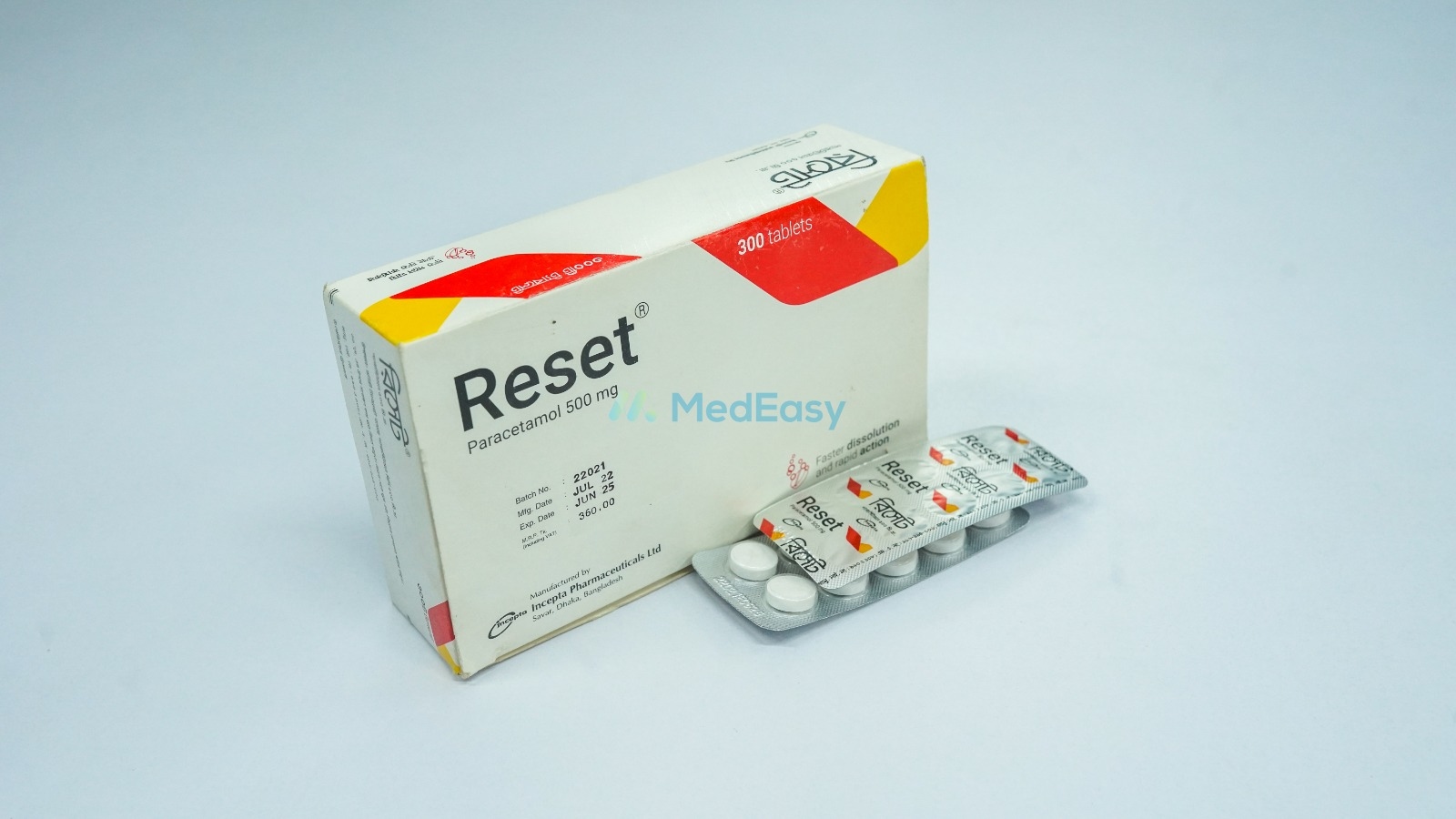
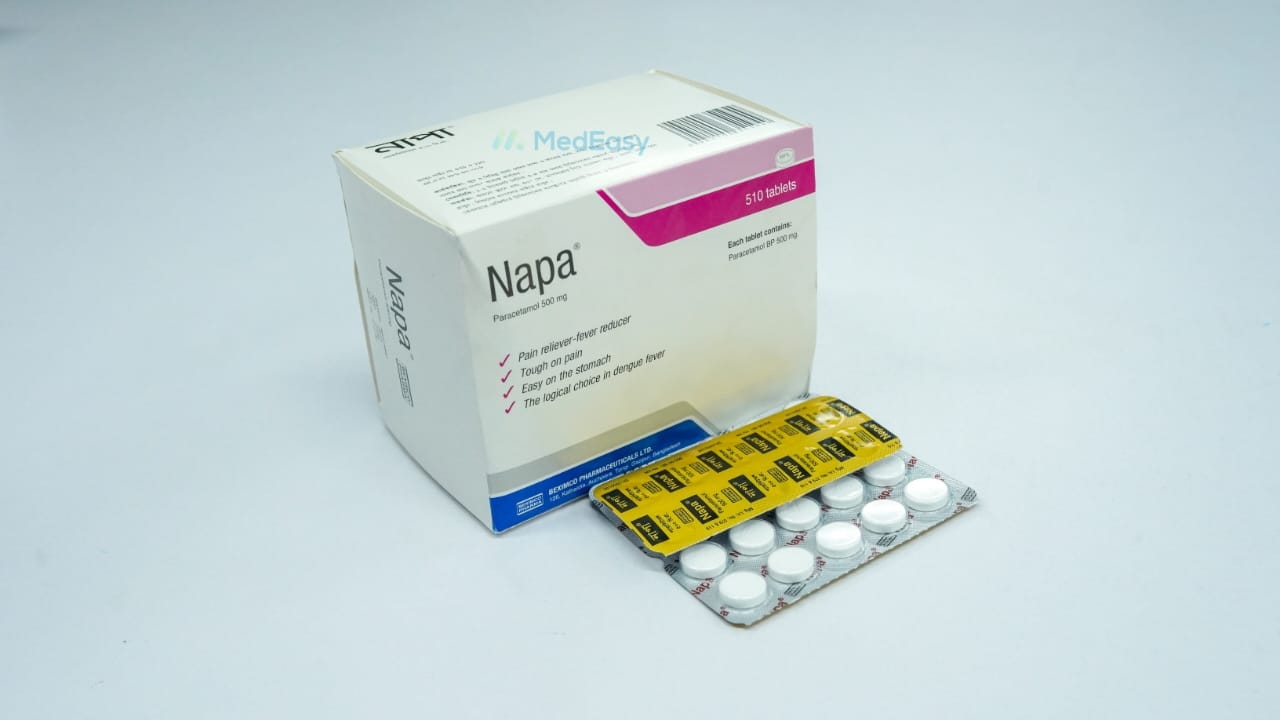
Napa500 mg
Beximco Pharmaceuticals Ltd.
৳10.80
Add to cart


ATP is an analgesic and antipyretic used for the following indications:
ATP is not an antibiotic and has no role in treating infections directly; it only relieves associated fever and discomfort.
ATP is one of the most widely used analgesic (pain-relieving) and antipyretic (fever-reducing) medicines worldwide. It is available over-the-counter in many countries and is used across all age groups, from infants to the elderly, for short-term relief of mild-to-moderate pain and fever.
Unlike NSAIDs, ATP has minimal anti-inflammatory activity and does not significantly affect platelet function or the gastric mucosa at recommended doses, which makes it a preferred option in many patients who cannot tolerate NSAIDs.
ATP belongs to the therapeutic class of non-opioid analgesics and antipyretics (para-aminophenol derivatives). It is chemically and pharmacologically distinct from NSAIDs and opioids.
The exact mechanism of action of Paracetamol is not fully elucidated. It is believed to act centrally by inhibiting prostaglandin synthesis in the central nervous system (via inhibition of cyclooxygenase, particularly a proposed COX-3 variant, and modulation of the endocannabinoid and descending serotonergic pain pathways), producing analgesic and antipyretic effects with only weak peripheral anti-inflammatory activity.
Paracetamol is rapidly and almost completely absorbed from the gastrointestinal tract, metabolized primarily in the liver via glucuronidation and sulfation, with a minor fraction metabolized by CYP2E1 to the toxic intermediate NAPQI, which is normally detoxified by conjugation with glutathione. In overdose, glutathione stores are depleted and NAPQI accumulates, causing hepatotoxicity.
| Indication / Population | Dose |
|---|---|
| Adults and adolescents (>50 kg) - pain/fever | 500-1000 mg orally every 4-6 hours as needed; maximum 4000 mg (4 g) per day from all sources |
| Adults - extended-release tablets | 1300 mg every 6-8 hours; maximum 3900 mg (3 tablets) per day unless directed by a physician |
| Children 6-12 years | Weight-based, approximately 10-15 mg/kg every 4-6 hours; maximum 5 doses (or per product labeling) in 24 hours |
| Infants and children under 6 years | 10-15 mg/kg per dose every 4-6 hours as needed, using pediatric drops/syrup; do not exceed 5 doses in 24 hours; use only under medical/caregiver guidance with an accurate dosing device |
| Intravenous (hospital use) | Body weight ≥50 kg: 1000 mg every 6 hours (max 4000 mg/day); <50 kg: 15 mg/kg every 6 hours (max 75 mg/kg/day) |
Take ATP with or without food. Do not use more than one ATP-containing product at the same time, and do not exceed the maximum recommended daily dose, as this significantly increases the risk of liver damage (see Precautions and Warnings).
In patients with significant hepatic impairment or active liver disease, avoid use or reduce dose and dosing frequency under medical supervision (see Contraindications). In severe renal impairment (creatinine clearance <10 mL/min), extend the dosing interval to at least 8 hours.
Paracetamol is contraindicated in patients with:
At recommended doses, ATP is generally well tolerated. Reported adverse effects include:
ATP is generally considered the first-line analgesic/antipyretic of choice during pregnancy when needed, as available data have not shown an increased risk of major congenital malformations at recommended doses. However, as with any medicine in pregnancy, ATP should be used only if clearly needed, at the lowest effective dose for the shortest duration, and only after consulting a physician. ATP is excreted in breast milk in small amounts and is considered compatible with breastfeeding at recommended doses; consult a physician before use during lactation if there are underlying concerns.
ATP carries a dose-dependent risk of hepatotoxicity, which can be severe and, in overdose, fatal. Key precautions include:
Overdose of ATP is a medical emergency and can cause severe, potentially fatal liver damage, even though early symptoms (nausea, vomiting, abdominal pain, sweating) may be mild or absent for the first 24 hours. If an overdose of ATP is suspected, seek immediate medical attention or contact a poison control center/emergency services right away, even if the person appears well, because early antidotal treatment significantly improves outcomes. Do not wait for symptoms to appear before seeking help, and do not attempt home treatment.
Store at room temperature (below 30°C), away from light and moisture. Keep out of reach of children.
Elderly: No dose adjustment is generally required, but use the lowest effective dose given potential for reduced hepatic reserve and polypharmacy interactions (see Interactions).
Hepatic impairment: Avoid in severe hepatic impairment/active liver disease (see Contraindications); use reduced doses and longer intervals with caution in mild-to-moderate impairment under medical supervision.
Renal impairment: In severe renal impairment (creatinine clearance <10 mL/min), extend dosing interval to at least 8 hours.
Pregnancy and lactation: See Pregnancy and Lactation section.
Q: What is ATP 500 mg Tablet used for?
A: ATP 500 mg Tablet is used to relieve mild-to-moderate pain (such as headache, toothache, or muscle ache) and to reduce fever associated with colds, flu, and other illnesses.
Q: How much ATP 500 mg Tablet can I take in a day?
A: Most healthy adults should not exceed 4000 mg (4 g) of ATP 500 mg Tablet from all sources in 24 hours. Taking more than this, or combining multiple ATP 500 mg Tablet-containing products, significantly increases the risk of serious liver damage.
Q: Can I take ATP 500 mg Tablet during pregnancy?
A: ATP 500 mg Tablet is generally considered the preferred analgesic/antipyretic during pregnancy when needed, but it should still be used only if clearly necessary, at the lowest effective dose, and after consulting a physician, since no medicine can be considered completely risk-free in pregnancy.
Q: Is ATP 500 mg Tablet safe for children?
A: Yes, ATP 500 mg Tablet is commonly used in children including infants, but dosing must be weight-based and accurately measured; consult a physician before giving it to infants under 3 months old or for use beyond a few days.
Q: What should I do if I think I have taken too much ATP 500 mg Tablet?
A: Seek immediate medical attention or contact a poison control center/emergency services right away, even if you feel well, because early symptoms of ATP 500 mg Tablet overdose can be mild or absent while serious liver damage may already be occurring.
Q: Can I take ATP 500 mg Tablet with other pain relievers?
A: ATP 500 mg Tablet can generally be used alongside NSAIDs (like ibuprofen) under medical guidance, but you should never take more than one ATP 500 mg Tablet-containing product at the same time, as many combination cold/flu and pain products already contain ATP 500 mg Tablet.
Disclaimer
The information provided is accurate to the best of our knowledge, but it does not replace professional medical advice. We cannot guarantee its completeness or accuracy, and the absence of specific information about a drug should not be taken as an endorsement. We are not responsible for any consequences arising from this information, so please consult a healthcare professional for any concerns or questions.