10% Off
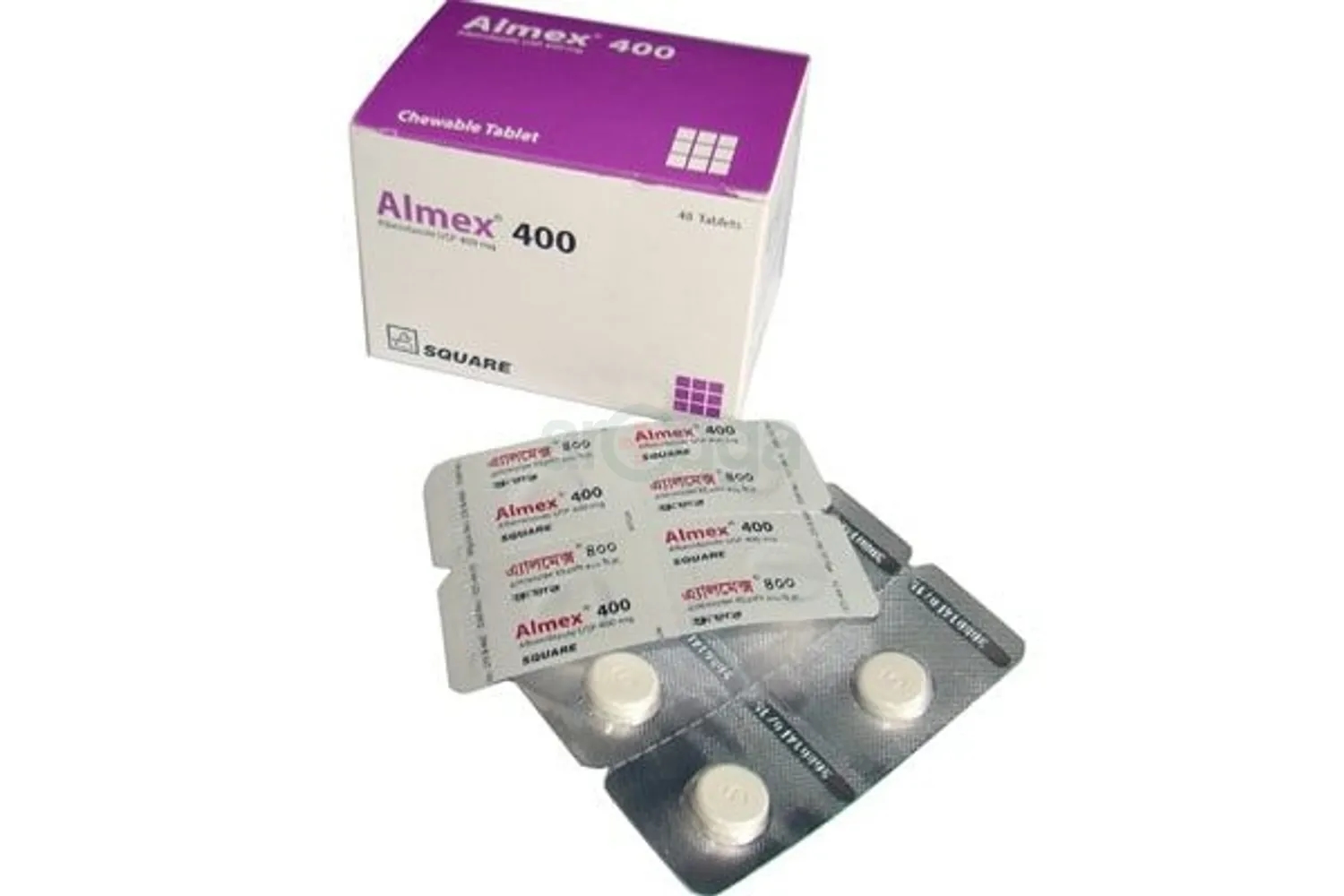
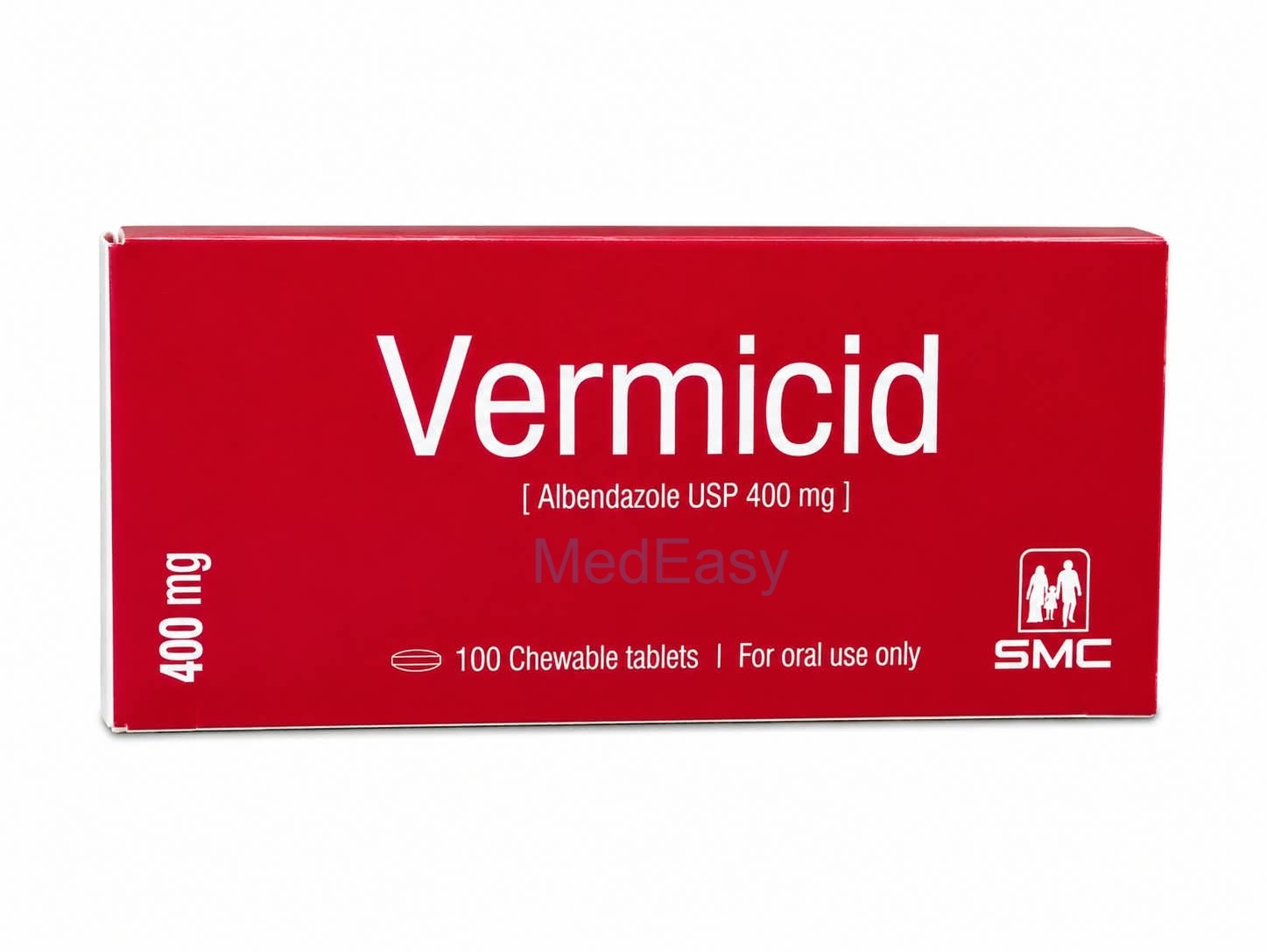
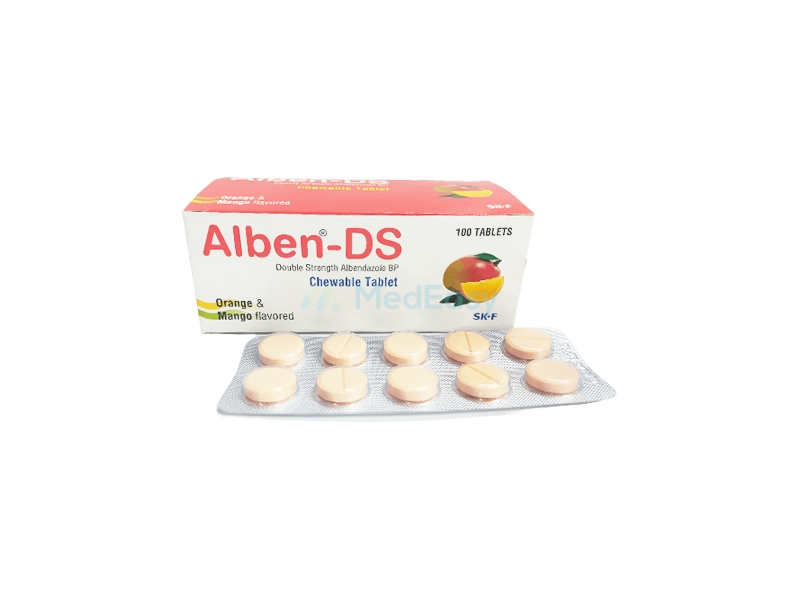
Alben DS400 mg
Eskayef Bangladesh Ltd.
৳45.00
Add to cart


Azole is used to treat a range of parasitic infections, classified below by strength of evidence:
Each film-coated tablet contains Albendazole INN 200 mg or 400 mg. Albendazole is also available as a chewable tablet (400 mg) and as an oral suspension containing Albendazole 200 mg/5 mL.
Azole is a broad-spectrum benzimidazole anthelmintic used to treat a wide range of intestinal parasitic (helminthic) infections as well as certain tissue-invasive parasitic diseases when used at higher, medically supervised doses. It acts by disrupting the parasite's microtubule structure and energy metabolism, leading to immobilization and death of the susceptible worm.
Azole is available in Bangladesh as tablets, chewable tablets, and oral suspension, and is widely used both for routine single-dose deworming and, at specialist-supervised higher doses, for tissue parasitic infections such as neurocysticercosis and hydatid disease.
Anthelmintics (Benzimidazole derivative); Antiparasitic agent
Albendazole is a benzimidazole carbamate anthelmintic. It selectively binds to the beta-tubulin of susceptible parasites, inhibiting microtubule polymerization. This impairs microtubule-dependent glucose uptake by the larval and adult stages of the parasite, depleting glycogen stores and reducing formation of ATP required for parasite survival and reproduction. The resulting energy depletion immobilizes and eventually kills the parasite.
Albendazole shows vermicidal, larvicidal, and (for some species) ovicidal activity against a broad range of nematodes, cestodes, and certain protozoa, and also has activity against the larval (cystic) forms of tapeworms responsible for neurocysticercosis and hydatid disease.
| Population | Dose |
|---|---|
| Adults and children > 2 years | Azole 400 mg as a single oral dose |
| Children 1–2 years | Azole 200 mg as a single oral dose |
| Pinworm (Enterobius) | Single 400 mg dose, repeated after 2 weeks to prevent reinfection |
Azole 400 mg once daily for 3 consecutive days.
| Weight | Dose |
|---|---|
| ≥ 60 kg | Azole 400 mg twice daily for 8–30 days |
| < 60 kg | Azole 15 mg/kg/day in 2 divided doses (maximum 800 mg/day) for 8–30 days |
Concomitant corticosteroids and anticonvulsants are typically used under specialist supervision; see Precautions.
| Weight | Dose |
|---|---|
| ≥ 60 kg | Azole 400 mg twice daily |
| < 60 kg | Azole 15 mg/kg/day in 2 divided doses (maximum 800 mg/day) |
Given in 28-day treatment cycles separated by 14-day drug-free intervals, usually for 3 cycles, under specialist supervision.
Azole 400 mg once daily for 5 days; not an established FDA-approved indication but supported by clinical studies and guideline use in some settings.
Administration: Azole chewable tablets should be chewed, crushed, or swallowed whole with water. For treatment of systemic/tissue infections (neurocysticercosis, hydatid disease), Azole should be taken with a fatty meal, which substantially increases absorption; for routine single-dose treatment of intestinal worms, it may be taken with or without food.
Take Azole by mouth. Tablets may be swallowed whole, chewed, or crushed and mixed with food. For single-dose treatment of common intestinal worm infections, Azole may be taken with or without food. For neurocysticercosis or hydatid disease, Azole should be taken with a fatty meal to enhance absorption, exactly as directed by the treating physician.
Dexamethasone: Co-administration increases plasma concentrations of the active Azole sulfoxide metabolite by roughly 50%; this combination is often used intentionally in neurocysticercosis to reduce inflammatory reaction, under specialist supervision.
Cimetidine: May increase Azole concentrations in bile and hydatid cyst fluid; may be used deliberately for this effect in hydatid disease.
Praziquantel: Increases plasma levels of the Azole sulfoxide metabolite; clinical significance is generally minor but monitoring is reasonable when co-administered.
Theophylline: Azole may affect theophylline metabolism; monitoring of theophylline levels is advised during and after Azole therapy.
CYP450-inducing anticonvulsants (e.g. phenytoin, carbamazepine): May reduce plasma concentrations of Azole active metabolite; efficacy for systemic infections may be reduced.
Albendazole is contraindicated in patients with known hypersensitivity to Albendazole, other benzimidazole anthelmintics (e.g. mebendazole), or any component of the formulation.
When used as a short, single-dose treatment for intestinal worms, Azole is generally well tolerated, with mild and transient effects such as headache, dizziness, nausea, vomiting, abdominal pain, and diarrhea.
With the higher, longer-duration doses used for tissue parasitic infections (neurocysticercosis, hydatid disease), more frequent and more serious adverse effects can occur, including:
Pregnancy: Animal reproduction studies with Azole have shown embryotoxicity and teratogenicity (skeletal malformations) at doses relevant to human exposure. Azole should be avoided during pregnancy, particularly the first trimester, unless clearly needed for a serious indication and only under specialist guidance where the potential benefit is judged to outweigh the potential risk to the fetus. Pregnancy testing before starting therapy for systemic infections, and use of effective contraception during and for a short period after treatment, is generally advised; consult a physician before use in pregnancy or suspected pregnancy.
Lactation: Azole and its active metabolite pass into breast milk in low concentrations. No adverse effects have been consistently reported in breastfed infants, but Azole should be used during breastfeeding only if clearly needed, under medical advice.
Liver function and blood count monitoring: For the higher, longer-course doses of Azole used in neurocysticercosis or hydatid disease, baseline and periodic (approximately every 2 weeks) monitoring of liver enzymes and complete blood counts is recommended; discontinue Azole if significant elevation of liver enzymes or bone marrow suppression occurs.
Neurocysticercosis-specific precautions: Treatment with Azole can provoke an inflammatory reaction to dying cysts in the brain, which may cause seizures, headache, or increased intracranial pressure. Concurrent corticosteroid and anticonvulsant therapy, and an ophthalmologic examination beforehand to exclude retinal neurocysticercosis (to avoid retinal damage from the inflammatory reaction), are typically required.
Hydatid disease-specific precautions: Cyst leakage or rupture during or after treatment with Azole can cause fever, allergic reactions, or rarely anaphylaxis; treatment should be supervised by a specialist with facilities to manage such reactions.
Hepatic impairment: Use Azole with caution; monitor liver function closely, as elimination of the active metabolite may be altered.
Absorption with food: Taking Azole with a fatty meal significantly increases systemic absorption for tissue parasitic infections; see Administration.
See Interactions and Pregnancy and Lactation for further important safety information.
There is limited clinical experience with Azole overdose. In case of suspected overdose, seek immediate medical attention or contact a poison control center. Management is symptomatic and supportive; there is no specific antidote for Azole. A physician may consider gastric decontamination measures if presentation is early, and monitoring of liver function and blood counts is advisable after a significant overdose.
Store at room temperature (below 30°C), away from light and moisture. Keep out of reach of children.
Renal impairment: No specific dose adjustment of Azole is well established; use with caution and standard monitoring.
Hepatic impairment: Use Azole with caution and monitor liver function closely, since metabolism occurs mainly in the liver (see Precautions).
Elderly: No specific dose adjustment is established for Azole in the elderly; use with routine monitoring of hepatic and hematologic status.
Children: See Pediatric Uses.
Pregnancy and breastfeeding: See Pregnancy and Lactation.
Duration of Azole therapy depends on the indication: a single dose (or a single repeat dose after 2 weeks for pinworm) for most routine intestinal worm infections; 3 consecutive days for strongyloidiasis and taeniasis; 5 days for off-label giardiasis treatment; 8 to 30 days for neurocysticercosis; and up to three 28-day cycles (separated by 14-day drug-free intervals) for hydatid disease, all under appropriate medical supervision.
Anthelmintic; Antiparasitic; Benzimidazole carbamate derivative
Albendazole binds selectively to parasite beta-tubulin, blocking microtubule polymerization. This disrupts microtubule-dependent glucose uptake by larval and adult parasites, depletes their glycogen stores, and reduces ATP generation, leading to energy starvation, immobilization, and death of the susceptible parasite.
C
Azole is approved and widely used for single-dose treatment of common intestinal worm infections in children 1 year of age and older: 200 mg for children 1–2 years, and 400 mg for children over 2 years, consistent with WHO and CDC deworming guidance.
Safety and efficacy of Azole for neurocysticercosis and hydatid disease in young children are less well established; use in these tissue infections in children is generally guided by weight-based dosing (15 mg/kg/day, maximum 800 mg/day) under specialist pediatric supervision. Use of Azole in infants under 1 year is not well studied, and safety and efficacy have not been established in this age group; use only if a physician determines the benefit outweighs the risk.
Q: What is Azole 400 mg Chewable Tablet used for?
A: Azole 400 mg Chewable Tablet is used to treat intestinal worm infections such as roundworm, hookworm, whipworm, and pinworm, and, at higher medically supervised doses, tissue parasitic infections such as neurocysticercosis and hydatid disease.
Q: How should I take Azole 400 mg Chewable Tablet?
A: Take Azole 400 mg Chewable Tablet exactly as prescribed. For routine single-dose deworming it can be taken with or without food; for neurocysticercosis or hydatid disease, take Azole 400 mg Chewable Tablet with a fatty meal to improve absorption, and complete the full course length and number of cycles your doctor prescribes.
Q: Can Azole 400 mg Chewable Tablet be used during pregnancy?
A: Azole 400 mg Chewable Tablet should be avoided during pregnancy, especially the first trimester, because animal studies have shown a risk of harm to the developing fetus. It should be used in pregnancy only if clearly needed for a serious infection and only under a physician's guidance, after weighing the potential benefit against the potential risk to the fetus.
Q: What are the common side effects of Azole 400 mg Chewable Tablet?
A: Short single-dose use of Azole 400 mg Chewable Tablet for intestinal worms commonly causes only mild, temporary effects such as headache, dizziness, nausea, or abdominal discomfort. Longer, higher-dose courses of Azole 400 mg Chewable Tablet used for tissue infections carry a higher risk of liver enzyme elevation and bone marrow suppression, which is why blood tests are monitored during such treatment.
Q: Who should not take Azole 400 mg Chewable Tablet?
A: Anyone with a known allergy (hypersensitivity) to Azole 400 mg Chewable Tablet or other benzimidazole anthelmintics should not take Azole 400 mg Chewable Tablet. Pregnant women, and children under 1 year, should use Azole 400 mg Chewable Tablet only under direct medical supervision after the risks and benefits have been discussed with a physician.
Q: What should I do if I take too much Azole 400 mg Chewable Tablet?
A: If an overdose of Azole 400 mg Chewable Tablet is suspected, seek immediate medical attention or contact a poison control center. Treatment is supportive, and a doctor may monitor liver function and blood counts depending on the amount taken.
Disclaimer
The information provided is accurate to the best of our knowledge, but it does not replace professional medical advice. We cannot guarantee its completeness or accuracy, and the absence of specific information about a drug should not be taken as an endorsement. We are not responsible for any consequences arising from this information, so please consult a healthcare professional for any concerns or questions.