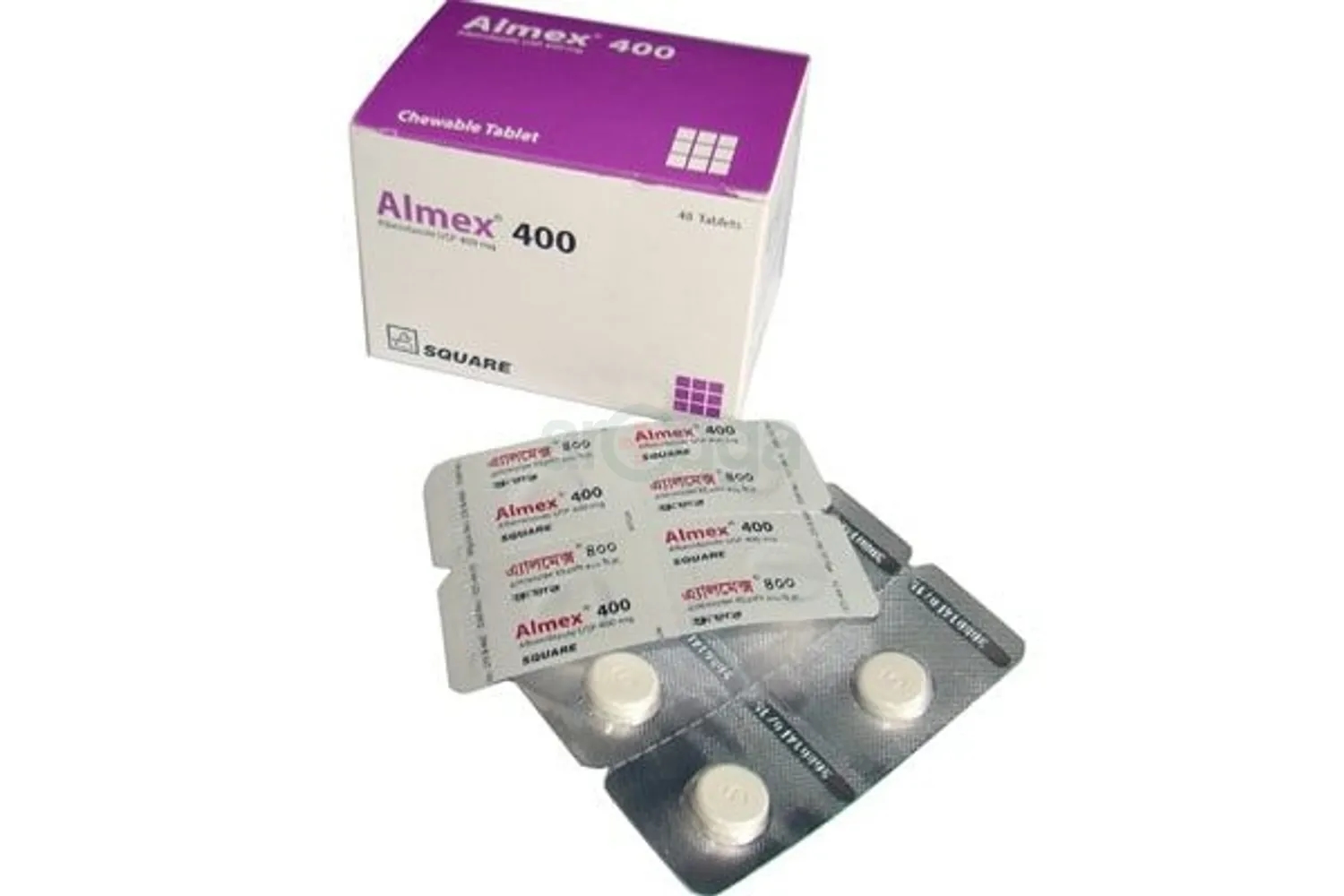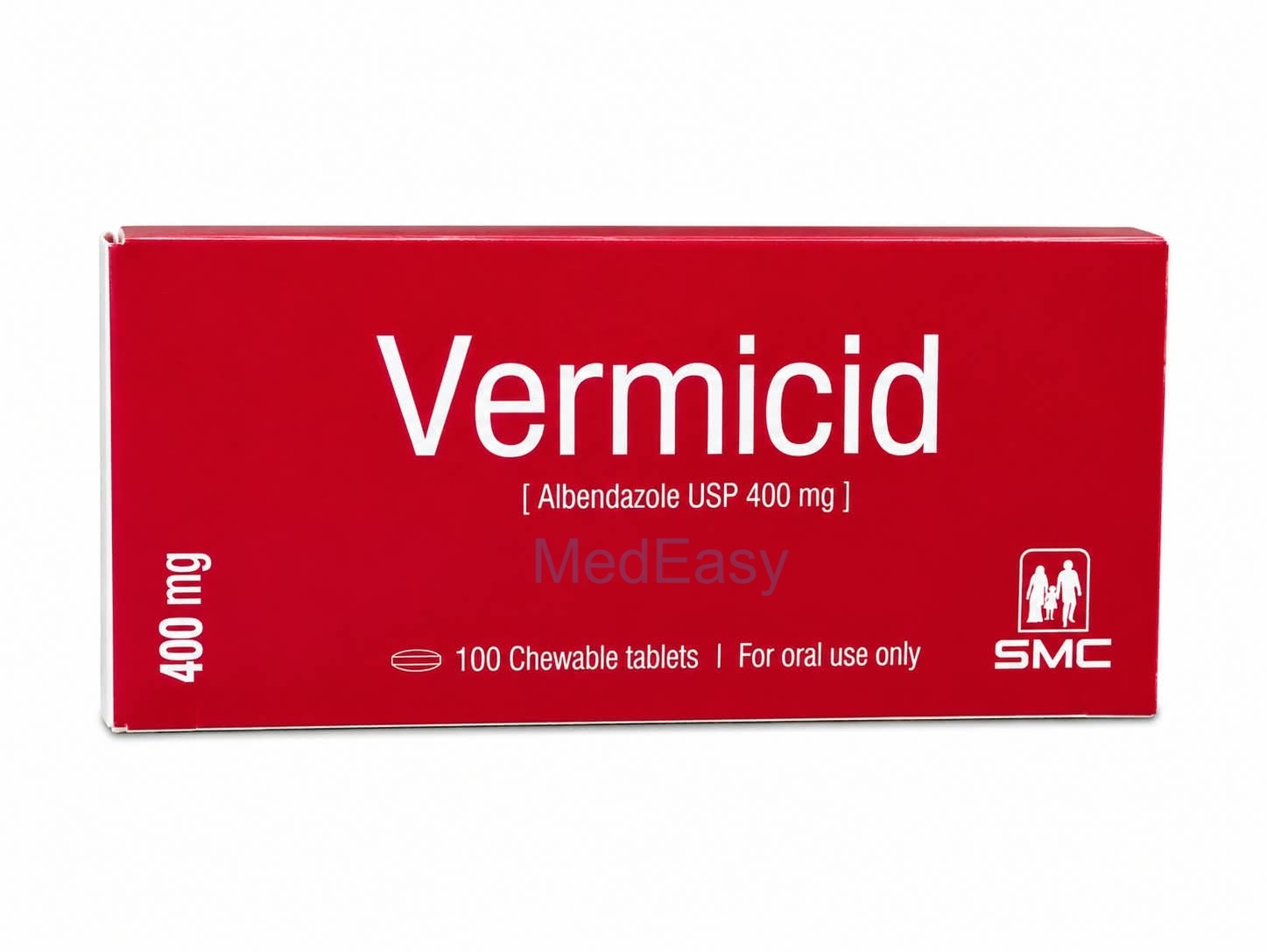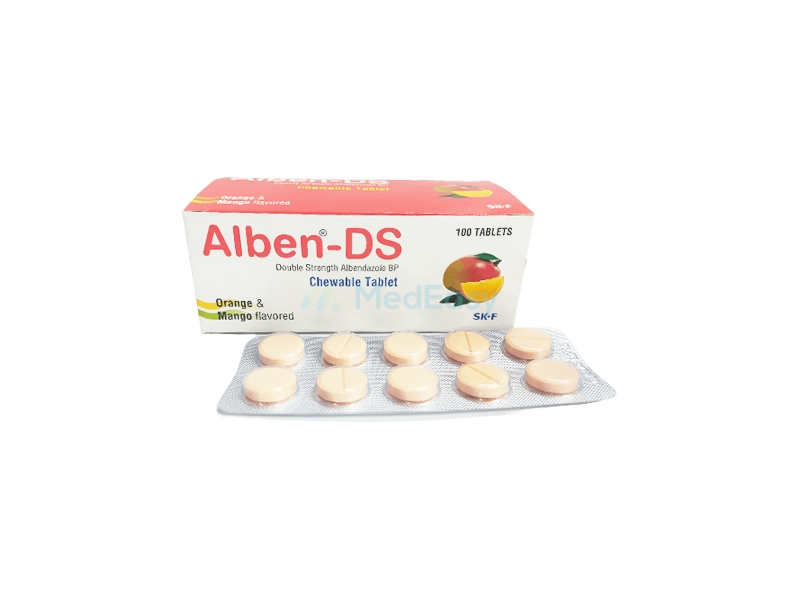
Product gallery

Ben-A400 mg

Chewable Tablet

Albendazole

MRP 125.2510% Off
Best PriceTk 112.72/25's pack
1
Section

Medicine overview

Indications of Ben-A 400 mg

Ben-A 400 mg is a broad-spectrum anthelmintic (anti-worm) medicine that is effective against a wide variety of intestinal and tissue parasites. It is indicated for the treatment of both single and mixed parasitic infestations, making it one of the most versatile antiparasitic agents available in clinical practice.

Intestinal Worm Infestations

  • Hookworm (Ancylostoma duodenale, Necator americanus): Hookworms attach to the intestinal lining and feed on blood, causing anaemia, fatigue, and abdominal discomfort. Ben-A 400 mg effectively kills hookworms and is used in both treatment and mass deworming programmes.
  • Roundworm (Ascaris lumbricoides): One of the most common intestinal parasites globally, roundworm infestation can cause abdominal pain, nutritional deficiencies, intestinal obstruction, and impaired growth in children. Ben-A 400 mg eliminates roundworms with a single dose in most cases.
  • Threadworm (Enterobius vermicularis – Pinworm): Characterised by intense perianal itching, particularly at night, threadworm infestation is most common in school-aged children. Ben-A 400 mg provides rapid clearance with a single oral dose.
  • Whipworm (Trichuris trichiura): Whipworm infections cause abdominal cramping, chronic diarrhoea, rectal prolapse (in severe cases), and anaemia. Ben-A 400 mg is effective against this difficult-to-treat parasite.
  • Strongyloides stercoralis (Strongyloidiasis): A soil-transmitted helminth infection that can cause skin rash (larva currens), gastrointestinal symptoms, and potentially life-threatening hyperinfection in immunocompromised individuals. A 3-day course of Ben-A 400 mg is used for treatment.
  • Tapeworm (Taenia species – Taeniasis): Tapeworm infestations involve large segmented worms in the intestine, acquired through consumption of infected undercooked meat. Ben-A 400 mg is used over a 3-day course for taeniasis.
  • Opisthorchis (Liver flukes): Ben-A 400 mg is used in the management of liver fluke infections acquired through consumption of raw or undercooked freshwater fish in endemic regions.

Systemic Parasitic Disease

  • Hydatid disease (Echinococcosis): Caused by the larval stage of the tapeworm Echinococcus granulosus (cystic) or Echinococcus multilocularis (alveolar), hydatid disease results in cyst formation in the liver, lungs, and other organs. Ben-A 400 mg is the primary medical treatment option, administered in repeated 28-day cycles with structured treatment-free intervals.
  • Giardiasis: Caused by the protozoan Giardia lamblia, giardiasis causes chronic diarrhoea, bloating, and malabsorption. Ben-A 400 mg taken once daily for five days is used as an alternative treatment option.

Ben-A 400 mg is also used in global mass drug administration (MDA) programmes by the WHO to control soil-transmitted helminthiasis in school-age children and communities in endemic regions. Always use under the direction of a registered physician.

Description

Ben-A 400 mg is a benzimidazole anthelmintic agent with a broad spectrum of activity against most nematodes (roundworms) and several cestodes (tapeworms). It belongs to the carbamate benzimidazole family of drugs and is chemically related to mebendazole and thiabendazole, though it offers a broader antiparasitic spectrum and superior systemic bioavailability.

Ben-A 400 mg is unique among anthelmintics in that it possesses three distinct modes of antiparasitic activity:

  • Vermicidal activity: Kills adult worms directly.
  • Ovicidal activity: Destroys parasite eggs, preventing hatching and further larval development.
  • Larvicidal activity: Kills larval stages of parasites, including those in tissue cysts (important in hydatid disease and neurocysticercosis).

The principal molecular mechanism underlying all three activities is Ben-A 400 mg's potent inhibition of tubulin polymerisation. By binding to beta-tubulin — a structural protein essential for forming the cytoplasmic microtubule network in parasitic cells — Ben-A 400 mg disrupts the intracellular transport system, impairs glucose uptake, and ultimately causes cell death in the parasite. This action selectively targets parasitic tubulin with higher affinity than human tubulin, forming the basis of its therapeutic selectivity.

Ben-A 400 mg is used in two key clinical contexts: at standard doses (400 mg single dose) for intestinal nematode infections, and at higher continuous doses for systemic cestode diseases such as hydatid disease and neurocysticercosis, where systemic drug penetration into cysts is critical.

Theropeutic Class

Anthelmintic

Pharmacology

Ben-A 400 mg is a broad-spectrum anthelmintic agent whose pharmacological activity is characterised by its triple antiparasitic action — vermicidal, ovicidal, and larvicidal — operating through a well-defined molecular mechanism that selectively disrupts parasite physiology.

Mechanism of Action

  • Inhibition of tubulin polymerisation: Ben-A 400 mg binds selectively to beta-tubulin in parasitic cells, preventing the polymerisation of tubulin monomers into functional microtubules. Microtubules are essential structural components of the cytoskeleton, responsible for cellular shape, intracellular transport, and cell division. Their destruction causes profound disruption of parasite cellular architecture.
  • Blockade of glucose uptake: As a direct consequence of microtubule loss, the glucose transport mechanism in susceptible helminths is disrupted. Without adequate glucose, the parasite cannot sustain its energy metabolism (glycolysis), leading to progressive depletion of glycogen stores and ATP. The parasite becomes immobilised and eventually dies from energy starvation.
  • Disruption of secretory and absorptive functions: The cytoplasmic microtubule network is essential for transporting secretory vesicles and absorptive vacuoles within parasite cells. Its destruction further impairs nutrient absorption and secretory functions, accelerating parasite cell death.

Pharmacokinetics

  • Absorption: Ben-A 400 mg is poorly absorbed from the gastrointestinal tract when taken on an empty stomach. However, its absorption is significantly increased — up to 5-fold — when taken with a fatty meal, making co-administration with food clinically important, especially for systemic infections such as hydatid disease where high systemic exposure is needed.
  • First-pass metabolism: Following oral administration, Ben-A 400 mg rapidly undergoes extensive first-pass hepatic metabolism. It is rapidly converted in the liver to its primary active metabolite, Ben-A 400 mg sulphoxide (also called ricobendazole), which is responsible for the majority of its systemic anthelmintic activity.
  • Active metabolite: Ben-A 400 mg sulphoxide has a plasma half-life of approximately 8.5 hours and exhibits excellent tissue penetration, including into hydatid cysts, cerebrospinal fluid (CSF), and bile — all sites relevant to systemic parasitic diseases.
  • Distribution: The drug and its metabolites distribute widely into body tissues. Therapeutic concentrations are achieved in bile, liver, cyst fluid (in hydatid disease), and CSF (in neurocysticercosis).
  • Excretion: Ben-A 400 mg sulphoxide and other metabolites are primarily excreted in the urine. Some biliary excretion also occurs, contributing to its high intestinal concentrations for treating luminal parasites.

Dosage & Administration of Ben-A 400 mg

The dose of Ben-A 400 mg varies depending on the type of parasite being treated, the patient's age, and body weight. Ben-A 400 mg should be taken with food to enhance absorption, particularly for systemic conditions. All doses listed below should be confirmed and prescribed by a registered physician.

Standard Intestinal Worm Infestations

Adults and children over 2 years: A single dose of 400 mg (1 tablet or 10 ml suspension) for the following infections:

  • Threadworm (Enterobius vermicularis)
  • Whipworm (Trichuris trichiura)
  • Roundworm (Ascaris lumbricoides)
  • Hookworm (Ancylostoma duodenale and Necator americanus)

Strongyloidiasis and Taeniasis

  • Adults and children over 2 years: 400 mg once daily for 3 consecutive days.
  • If the patient is not cured on follow-up after three weeks, a second course of treatment is indicated.

Giardiasis

  • Adults and children over 2 years: 400 mg (1 tablet or 10 ml suspension) once daily for 5 days.

Hydatid Disease (Echinococcosis)

Ben-A 400 mg is administered orally with meals to maximise absorption.

Patient Weight Dose Frequency Duration
Over 60 kg 400 mg Twice daily 28 days per cycle
Under 60 kg 15 mg/kg/day (max 800 mg/day) In 2 divided doses 28 days per cycle
  • Cystic echinococcosis: The 28-day course may be repeated after a 14-day treatment-free interval, for a total of up to 3 treatment cycles.
  • Alveolar echinococcosis: Cycles of 28 days of treatment followed by 14 days without treatment may need to continue for months or years under close medical supervision.

Paediatric Dosing

Age Group Dose Notes
Children 1 – 2 years 200 mg (5 ml suspension) as a single dose Suspension formulation preferred
Children over 2 years 400 mg (1 tablet or 10 ml suspension) Same as adult dose
Children under 1 year Not recommended Safety not established in neonates
Children under 10 kg 200 mg (reduced dose may be considered) On physician's discretion

Administration Tips

  • Tablets should be swallowed with a glass of water, preferably after a meal.
  • For systemic infections (hydatid disease), always take with a fatty meal to maximise absorption.
  • The oral suspension should be shaken well before measuring and administering the dose.
  • Do not exceed the prescribed dose or duration of treatment.

Interaction of Ben-A 400 mg

Ben-A 400 mg has a generally favourable drug interaction profile. No clinically significant pharmacodynamic (effect-based) or pharmacokinetic (absorption, distribution, metabolism, excretion-based) drug interactions involving Ben-A 400 mg have been formally established or widely reported in the published literature at standard single-dose regimens used for intestinal worm infestations.

Relevant Considerations for High-Dose or Prolonged Use

When Ben-A 400 mg is used at higher doses and for extended durations — as in the treatment of hydatid disease (Echinococcosis) — the following potential interactions and pharmacokinetic considerations should be noted:

  • Dexamethasone and Praziquantel: Concomitant administration of dexamethasone or praziquantel with Ben-A 400 mg has been reported to increase plasma levels of the active metabolite Ben-A 400 mg sulphoxide by inhibiting its further metabolism. While this may theoretically enhance therapeutic effect, it also increases the risk of dose-related adverse effects, and close monitoring is recommended.
  • Cimetidine: Cimetidine has been reported to increase plasma concentrations of Ben-A 400 mg sulphoxide in bile and cyst fluid, potentially enhancing efficacy in hydatid disease but also raising the risk of side effects. Caution is warranted.
  • CYP450 enzyme interactions: As Ben-A 400 mg is metabolised hepatically, enzyme inducers (e.g., rifampicin, carbamazepine, phenytoin) may reduce plasma levels of Ben-A 400 mg sulphoxide, potentially decreasing therapeutic efficacy. Enzyme inhibitors may have the opposite effect.
  • Food interactions: Co-administration with a fatty meal significantly increases the systemic absorption of Ben-A 400 mg. This is clinically advantageous for systemic infections, but should be taken into account when calculating exposure for intestinal infections where high systemic levels are not required.

Always inform your physician of all medications, supplements, and herbal products you are currently taking before starting Ben-A 400 mg, particularly if it is being used for extended systemic treatment.

Contraindications

Ben-A 400 mg must not be used in certain patient populations where its use poses unacceptable safety risks. The following contraindications must be carefully assessed before prescribing:

  • Neonates (newborns): Ben-A 400 mg is not normally recommended for use in neonates. The pharmacokinetics, safety, and efficacy of Ben-A 400 mg in this age group have not been adequately studied, and alternative treatments or clinical observation are preferred.
  • Children weighing less than 10 kg: While there are no general grounds for a broad dose reduction across all children, the dose may be reduced from 400 mg to 200 mg in children weighing less than 10 kg, based on the prescribing physician's clinical judgement. Weight-based dosing should always be applied in very young or very small children.
  • Pregnancy: Ben-A 400 mg is absolutely contraindicated in pregnancy and in women who are thought to be pregnant. Ben-A 400 mg has been shown to have teratogenic (foetus-deforming) and embryotoxic effects in animal studies. No adequate information is available on placental transfer in humans. Women of childbearing potential must have pregnancy excluded before commencing treatment, and effective contraception should be maintained during treatment and for at least one month following the final dose.
  • Known hypersensitivity: Ben-A 400 mg is contraindicated in patients with a known allergy or hypersensitivity to Ben-A 400 mg, any benzimidazole compound (including mebendazole, thiabendazole), or any excipient in the formulation.
  • Renal, hepatic, or cardiac failure: Currently, there is no established clinical evidence to suggest that dose adjustment is required in patients with renal, hepatic, or cardiac failure for standard intestinal indications. However, in cases of significant hepatic impairment, caution is warranted as Ben-A 400 mg is extensively metabolised in the liver, and impaired metabolism may lead to higher plasma drug concentrations. In such patients, particularly for extended hydatid therapy, regular liver function monitoring is essential.

Side Effects of Ben-A 400 mg

Ben-A 400 mg is generally well tolerated at the single-dose regimens used for routine intestinal deworming. Most adverse effects are dose-related and are more commonly observed with prolonged high-dose therapy, such as during the treatment of hydatid disease. Patients should be made aware of both common and rare but serious adverse effects.

Gastrointestinal Effects (Common at Higher Doses)

  • Gastrointestinal disturbances: Nausea, vomiting, abdominal pain, diarrhoea, and epigastric discomfort may occur. These are generally mild and transient, and can often be minimised by taking Ben-A 400 mg with food.

Neurological Effects

  • Headache: One of the more commonly reported adverse effects, particularly with higher-dose regimens.
  • Dizziness: Mild to moderate dizziness may occur and may temporarily affect activities requiring alertness such as driving.
  • Convulsions and meningism: These rare but serious neurological events have been reported specifically in patients with cerebral parasitic disease (such as neurocysticercosis), where dying parasites trigger an inflammatory response in the CNS. These events require immediate medical evaluation.

Hepatic Effects

  • Changes in liver enzymes: Elevation of serum transaminases (ALT, AST) has been reported, particularly during prolonged therapy. Liver function tests (LFTs) must be monitored during each treatment cycle in hydatid disease.

Haematological Effects (Rare)

  • Leucopenia: A reduction in white blood cell count (leucopenia) has been reported, which may increase susceptibility to infections. Blood counts should be monitored during extended treatment.
  • Pancytopenia: A rare but serious reduction in all blood cell types (red cells, white cells, and platelets) has been reported. If pancytopenia develops, treatment should be discontinued immediately and the patient closely monitored.

Dermatological Effects

  • Rash: Skin rashes, which may be maculopapular, have been occasionally reported.
  • Reversible alopecia (hair loss): Temporary hair loss has been reported with prolonged courses of Ben-A 400 mg. This is typically reversible upon discontinuation of the drug.
  • Fever: Pyrexia has been reported in some patients, particularly those with systemic parasitic disease.

Hypersensitivity Reactions

  • Allergic shock (anaphylaxis): This rare but life-threatening reaction is most likely to occur in patients with hydatid cysts if cyst fluid leaks or ruptures, releasing antigenic material into the systemic circulation. Patients being treated for hydatid disease must be managed in a facility equipped to handle anaphylaxis. Symptoms include sudden hypotension, urticaria, angioedema, and respiratory distress.

Report any unusual or severe symptoms to your physician immediately. Do not discontinue treatment without consulting your doctor, especially during multi-cycle therapy for hydatid disease.

Pregnancy & Lactation

Pregnancy

Ben-A 400 mg is classified as US FDA Pregnancy Category C, which means that animal reproduction studies have shown adverse effects on the foetus, and there are no adequate, well-controlled studies in pregnant women. Animal studies have demonstrated teratogenic (foetus-deforming) and embryotoxic effects at therapeutic doses.

Ben-A 400 mg must not be used during pregnancy. It is absolutely contraindicated in pregnant women and in women who are suspected to be pregnant. Before initiating treatment in women of childbearing age, a pregnancy test must be performed to exclude pregnancy. Women of reproductive potential must use effective contraception during the course of Ben-A 400 mg therapy and for at least one month after completing the final dose.

No information is currently available regarding the extent of placental transfer of Ben-A 400 mg or its metabolites in humans. Given the well-documented teratogenic risk seen in animal studies, the precautionary approach of complete avoidance during pregnancy is essential.

Lactation (Breastfeeding)

The safety of Ben-A 400 mg during breastfeeding has not been established. It is not known whether Ben-A 400 mg or its active metabolite, Ben-A 400 mg sulphoxide, is excreted into human breast milk. Given the potential for serious adverse effects in the nursing infant, breastfeeding should be discontinued or Ben-A 400 mg should be avoided during lactation unless the potential benefit to the mother clearly outweighs the possible risk to the infant. Consulting a physician before use in nursing mothers is mandatory.

Precautions & Warnings

The following precautions and monitoring requirements are essential to ensure the safe use of Ben-A 400 mg, particularly during prolonged or high-dose therapy for systemic parasitic infections:

  • Pre-treatment and on-treatment blood monitoring: Full blood counts (FBC), including white cell and platelet counts, must be performed before commencing treatment and twice during each treatment cycle for patients receiving extended therapy for Echinococcosis. Any significant decline in blood counts warrants consideration of dose reduction or treatment discontinuation.
  • Liver function monitoring: Serum transaminase concentrations (ALT, AST) must be checked before each treatment cycle and monitored regularly during the course of therapy. A significant and sustained elevation in liver enzymes should prompt temporary or permanent discontinuation of the drug, depending on severity.
  • Exclude pregnancy before starting treatment: As detailed in the Pregnancy section, a pregnancy test must be performed and confirmed negative before starting Ben-A 400 mg in women of childbearing potential. Effective contraception should be maintained during treatment and for at least one month after the final dose.
  • Echinococcosis — constant medical supervision required: Ben-A 400 mg should only be used for the treatment of Echinococcosis under constant, structured medical supervision. The risk of anaphylactic shock from cyst rupture, combined with the hepatotoxic and haematological monitoring requirements, means this treatment must be conducted in a specialist setting.
  • Breastfeeding: Breastfeeding mothers should not use Ben-A 400 mg unless the potential benefit outweighs the risk, as discussed in the Pregnancy & Lactation section.
  • Driving and operating machinery: Ben-A 400 mg may cause dizziness or headache in some patients. Caution is advised when driving or operating machinery until the patient is certain the drug does not affect their alertness.
  • Cerebral parasitic disease: In patients receiving Ben-A 400 mg for neurocysticercosis or other forms of cerebral parasitic disease, the death of parasites can trigger acute inflammatory responses in the brain, potentially causing seizures, raised intracranial pressure, or meningism. Prophylactic use of corticosteroids and anticonvulsants may be required and must be managed by a specialist.
  • Renal and hepatic impairment: While standard intestinal dosing does not generally require adjustment, caution is recommended in patients with significant renal or hepatic impairment undergoing prolonged therapy. More frequent monitoring of organ function is advised in these cases.

Overdose Effects of Ben-A 400 mg

There are no widely published case series specifically documenting acute Ben-A 400 mg overdose in humans. However, given its pharmacological profile, an overdose is expected to produce an exaggeration of its known dose-related adverse effects, particularly affecting the gastrointestinal system, liver, nervous system, and haematological parameters.

Possible Symptoms of Overdose

  • Severe nausea, vomiting, and abdominal pain
  • Diarrhoea
  • Elevated liver enzymes and potential hepatotoxicity
  • Severe headache and dizziness
  • Bone marrow suppression (leucopenia, pancytopenia) with prolonged excessive dosing
  • Reversible hair loss (alopecia) with chronic excess doses

Management of Overdose

  • There is no specific antidote for Ben-A 400 mg overdose. Treatment is symptomatic and supportive.
  • Gastric lavage or activated charcoal may be considered if the overdose was recent and the patient is alert with a protected airway, as advised by a medical professional.
  • Monitor liver function tests, full blood count, and renal function closely.
  • Seek immediate medical attention at the nearest emergency department. Bring the medication packaging to assist in clinical assessment.
  • Do not attempt to self-treat an overdose.

Storage Conditions

  • Store in a dry place: Protect from moisture and humidity. Do not store in bathrooms, near sinks, or in any area with high ambient moisture. Moisture can degrade the tablet or suspension formulation and reduce drug potency.
  • Keep away from light: Store in the original opaque or light-resistant packaging. Direct exposure to sunlight or bright artificial light can accelerate the chemical degradation of Ben-A 400 mg.
  • Keep away from heat: Store at room temperature, below 30°C. Avoid exposure to direct heat sources such as stovetops, radiators, or inside vehicles in hot weather, as elevated temperatures can compromise the stability of the active ingredient.
  • Keep out of the reach and sight of children: All formulations of Ben-A 400 mg — tablets and oral suspension — must be stored in a secure location inaccessible to children to prevent accidental ingestion. A single adult dose of 400 mg significantly exceeds the recommended paediatric dose for very young children.
  • Oral suspension after opening: Once opened, the suspension formulation should be used within the period specified on the product label. Shake well before each use. Do not use if the suspension appears discoloured, has an unusual odour, or contains visible particles.
  • Do not use after expiry: Check the expiry date on the packet and bottle before every use. Discard expired medication safely through a pharmacy take-back programme. Do not dispose of medicines in household waste, drains, or water systems.

Use In Special Populations

Paediatric Use

Ben-A 400 mg is widely used in children as part of both individual treatment and WHO-led mass deworming programmes. The oral suspension formulation (200 mg/5 ml) is specifically designed for use in younger children and infants, allowing accurate weight- or age-based dosing.

  • Children aged 1 to 2 years should receive a single dose of 200 mg (5 ml suspension).
  • Children aged over 2 years receive the standard adult dose of 400 mg.
  • Children weighing less than 10 kg may require dose reduction to 200 mg at the physician's discretion.
  • Ben-A 400 mg is not recommended in children under 1 year of age due to insufficient safety data in neonates and very young infants.

In mass deworming programmes targeting school-age children (6–15 years), a single 400 mg dose is administered annually or biannually to reduce the burden of soil-transmitted helminths and improve nutritional status and educational outcomes.

Geriatric Use

No specific dose adjustment is required for elderly patients for standard intestinal indications. However, older adults are more likely to have age-related hepatic or renal impairment, which may affect drug metabolism and clearance. More careful monitoring of liver function and blood counts is advisable in elderly patients receiving prolonged Ben-A 400 mg therapy.

Renal Impairment

No specific dose adjustment is established for patients with renal failure at standard intestinal doses. For prolonged therapy in hydatid disease, caution is advised and regular renal function monitoring is recommended.

Hepatic Impairment

Since Ben-A 400 mg undergoes extensive hepatic first-pass metabolism, patients with significant liver disease may have altered pharmacokinetics. There is no established evidence requiring dose reduction for standard intestinal dosing; however, for extended-duration therapy, liver function tests must be monitored closely, and dose adjustments or treatment interruptions may be necessary if hepatotoxicity occurs.

Women of Childbearing Potential

Women of reproductive age must have pregnancy excluded before starting Ben-A 400 mg and must use effective contraception during treatment and for at least one month after the final dose, due to the drug's established teratogenicity in animal studies.

Drug Classes

Anthelmintic

Mode Of Action

Ben-A 400 mg is a broad spectrum anthelmintic. Ben-A 400 mg exhibits vermicidal, ovicidal and larvicidal activities. The drug is thought to exert its anthelmintic effect by blocking glucose uptake in the susceptible helminths, thereby depleting the energy level until it becomes inadequate for survival. Immobilization is followed by the parasite. These events may be a consequence of the binding and subsequent inhibition of parasite tubulin polymerization by Ben-A 400 mg and its metabolites, although the drug also binds to human tubulin. Ben-A 400 mg is extensively metabolized, probably in the liver. Ben-A 400 mg is poorly absorbed from the gastrointestinal tract but rapidly undergoes extensive first-pass metabolism. The principal metabolite Ben-A 400 mg sulphoxide has anthelmintic activity and a plasma half-life of about 8.5 hrs. It is excreted in the urine together with other metabolites.

Pregnancy

US FDA Pregnancy category of Ben-A 400 mg is C. So, Ben-A 400 mg should be avoided in pregnancy and lactation unless the potential benefits to the other outweigh the possible risks to the fetus.

Frequently Asked Questions

What is Ben-A 400 mg used for?

Ben-A 400 mg is a broad-spectrum anthelmintic (anti-worm) medicine that is effective against a wide variety of intestinal and tissue parasites. It is indicated for the treatment of both single and mixed parasitic infestations, making it one of the most versatile antiparasitic agents available in clinical practice. Intestinal Worm Infestations Hookworm (Ancylostoma duodenale, Necator americanus): H…

What is the dosage of Ben-A 400 mg?

The dose of Ben-A 400 mg varies depending on the type of parasite being treated, the patient's age, and body weight. Ben-A 400 mg should be taken with food to enhance absorption, particularly for systemic conditions. All doses listed below should be confirmed and prescribed by a registered physician. Standard Intestinal Worm Infestations Adults and children over 2 years: A single dose of 400 mg (1…

What are the side effects of Ben-A 400 mg?

Ben-A 400 mg is generally well tolerated at the single-dose regimens used for routine intestinal deworming. Most adverse effects are dose-related and are more commonly observed with prolonged high-dose therapy, such as during the treatment of hydatid disease. Patients should be made aware of both common and rare but serious adverse effects. Gastrointestinal Effects (Common at Higher Doses) Gastroi…

Who should not take Ben-A 400 mg?

Ben-A 400 mg must not be used in certain patient populations where its use poses unacceptable safety risks. The following contraindications must be carefully assessed before prescribing: Neonates (newborns): Ben-A 400 mg is not normally recommended for use in neonates. The pharmacokinetics, safety, and efficacy of Ben-A 400 mg in this age group have not been adequately studied, and alternative tre…

What precautions should be taken with Ben-A 400 mg?

The following precautions and monitoring requirements are essential to ensure the safe use of Ben-A 400 mg, particularly during prolonged or high-dose therapy for systemic parasitic infections: Pre-treatment and on-treatment blood monitoring: Full blood counts (FBC), including white cell and platelet counts, must be performed before commencing treatment and twice during each treatment cycle for pa…

Is Ben-A 400 mg safe during pregnancy and breastfeeding?

Pregnancy Ben-A 400 mg is classified as US FDA Pregnancy Category C , which means that animal reproduction studies have shown adverse effects on the foetus, and there are no adequate, well-controlled studies in pregnant women. Animal studies have demonstrated teratogenic (foetus-deforming) and embryotoxic effects at therapeutic doses. Ben-A 400 mg must not be used during pregnancy. It is absolutel…

Disclaimer

The information provided is accurate to our best practices, but it does not replace professional medical advice. We cannot guarantee its completeness or accuracy. The absence of specific information about a drug should not be seen as an endorsement. We are not responsible for any consequences resulting from this information, so consult a healthcare professional for any concerns or questions.