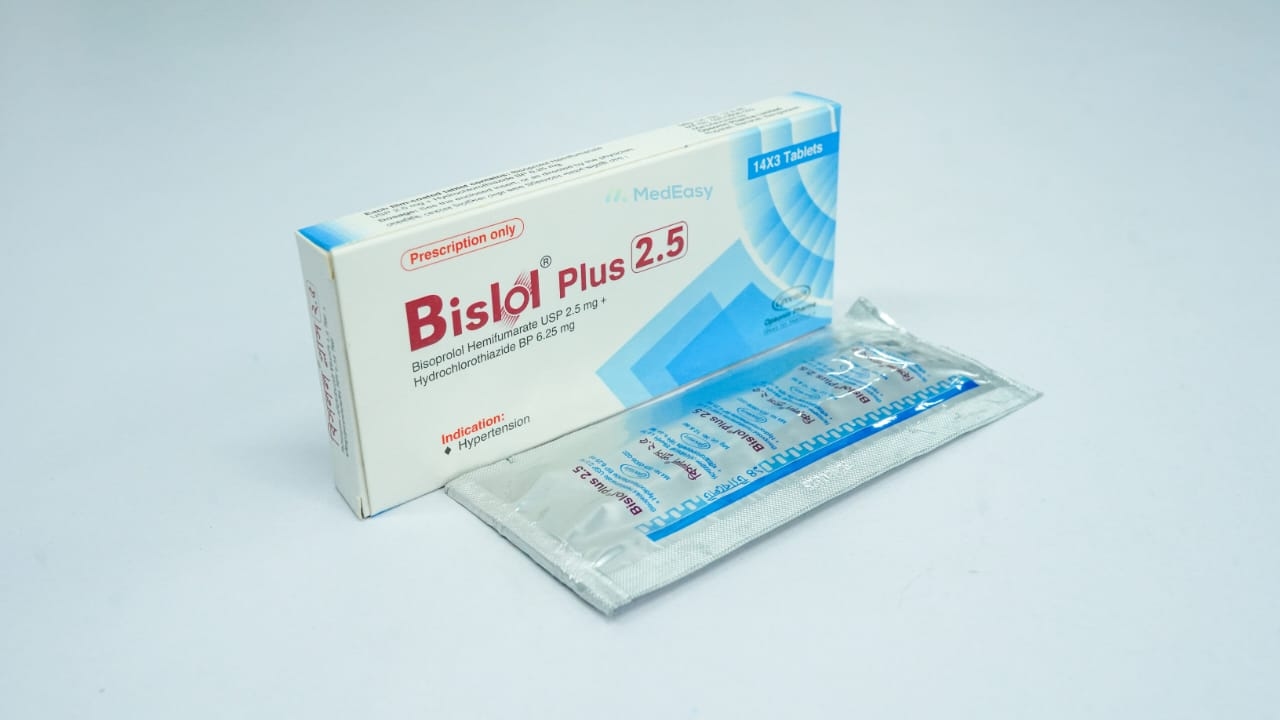
8% Off
Bislol Plus2.5 mg+6.2
Opsonin Pharma Ltd.
৳90.16
Add to cart
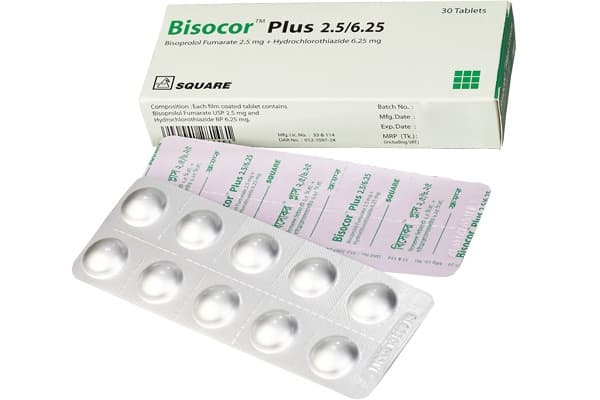

Bisocor Plus is a fixed-dose combination product containing bisoprolol fumarate, a beta-1 selective (cardioselective) adrenergic receptor blocker, and hydrochlorothiazide, a thiazide diuretic. It is FDA-approved for the following use:
Bisocor Plus is generally used as a second-line combination therapy - that is, in patients whose blood pressure is not adequately controlled on either component (a beta-blocker or a thiazide diuretic) alone, or as maintenance therapy once individual doses of each component have been titrated. Bisocor Plus is not intended for initial therapy of hypertension unless a physician determines that the patient is likely to need multiple drugs to achieve their blood pressure goal.
This combination is not indicated for conditions such as angina, arrhythmia, or heart failure; individual components have other approved uses but this specific fixed-dose combination is approved for hypertension only.
Each tablet of Bisoprolol Fumarate + Hydrochlorothiazide contains two active ingredients:
Bisoprolol Fumarate + Hydrochlorothiazide is available in several fixed-dose strength combinations (e.g., 2.5 mg/6.25 mg, 5 mg/6.25 mg, 10 mg/6.25 mg, and 10 mg/12.5 mg), allowing dose individualization. Exact strengths and inactive ingredients vary by manufacturer; consult the specific product label for details.
Bisocor Plus combines two complementary antihypertensive mechanisms in a single tablet. Bisoprolol is a cardioselective beta-1 adrenergic receptor blocker that reduces heart rate, cardiac output, and renin release, thereby lowering blood pressure with relatively less effect on beta-2 receptors (found in the lungs and blood vessels) at usual doses compared with non-selective beta-blockers. Hydrochlorothiazide is a thiazide-type diuretic that promotes sodium and water excretion by the kidneys, reducing circulating blood volume and, with continued use, peripheral vascular resistance.
When used together, the two components produce an additive antihypertensive effect that is generally greater than either drug used alone, while allowing lower doses of each - which may reduce the incidence of dose-related side effects such as bradycardia (from bisoprolol) or hypokalemia (from hydrochlorothiazide). Bisocor Plus is taken once daily and is intended for long-term maintenance treatment of hypertension.
Bisocor Plus belongs to the therapeutic class of antihypertensive combination agents, specifically combining a cardioselective beta-1 adrenergic blocker (bisoprolol) with a thiazide diuretic (hydrochlorothiazide).
Bisoprolol Fumarate + Hydrochlorothiazide exerts its antihypertensive effect through two distinct but complementary mechanisms:
Bisoprolol is a synthetic, beta-1 selective (cardioselective) adrenergic receptor blocking agent. It competitively inhibits catecholamine binding at beta-1 receptors, which predominate in cardiac tissue, resulting in decreased heart rate, reduced myocardial contractility, decreased cardiac output, and suppression of renin release from the kidneys. At usual therapeutic doses, bisoprolol has relatively little effect on beta-2 receptors located in bronchial and vascular smooth muscle, though this selectivity is not absolute and diminishes at higher doses.
Hydrochlorothiazide inhibits sodium reabsorption in the distal convoluted tubule of the nephron by blocking the sodium-chloride symporter, increasing excretion of sodium, chloride, and water, and secondarily increasing potassium and hydrogen ion excretion. The initial antihypertensive effect is related to a reduction in plasma and extracellular fluid volume; with continued therapy, a reduction in peripheral vascular resistance contributes to sustained blood pressure lowering.
The antihypertensive effects of bisoprolol and hydrochlorothiazide are additive when used in combination as Bisoprolol Fumarate + Hydrochlorothiazide.
Bisoprolol is well absorbed orally with approximately 80% bioavailability and is eliminated by a combination of renal excretion and hepatic metabolism, with an elimination half-life of approximately 9-12 hours, supporting once-daily dosing. Hydrochlorothiazide is absorbed orally, is not metabolized, and is eliminated essentially unchanged by the kidneys, with a half-life of approximately 6-15 hours.
Bisocor Plus is generally used once the individual doses of bisoprolol and hydrochlorothiazide have been separately titrated, or when a patient's hypertension is not adequately controlled by either component alone. Dosing must be individualized by a physician.
| Indication | Population | Typical Dosing |
|---|---|---|
| Hypertension | Adults - initial therapy | One tablet of the lowest strength combination (e.g., 2.5 mg/6.25 mg) once daily, taken in the morning, with or without food. |
| Hypertension | Adults - titration | Dose may be increased at intervals of approximately 14 days, based on blood pressure response, up to a maximum of 20 mg bisoprolol / 12.5 mg hydrochlorothiazide once daily. |
| Hypertension | Renal impairment | Use with caution; thiazides may be less effective and beta-blocker clearance may be reduced in significant renal impairment. Dose adjustment and closer monitoring may be needed - consult a physician. |
| Hypertension | Hepatic impairment | Use with caution; bisoprolol undergoes partial hepatic metabolism. No fixed dose adjustment is well established; individualize dosing. |
Bisocor Plus should be taken orally, once daily, at approximately the same time each day, with or without food. Swallow the tablet whole with water. Because Bisocor Plus is a fixed-dose combination, doses should not be split or adjusted without medical advice, since this would alter the ratio of the two active ingredients delivered.
Bisocor Plus has clinically significant interactions with a number of medicines. Always inform your physician or pharmacist of all medicines, supplements, and herbal products you are taking.
Bisoprolol Fumarate + Hydrochlorothiazide is contraindicated in patients with:
Additional cautions (e.g., severe asthma/bronchospastic disease, uncontrolled heart failure) are discussed under Precautions and Warnings, as these generally represent relative rather than absolute contraindications requiring careful clinical judgment.
Like all medicines, Bisocor Plus can cause side effects, although not everyone experiences them.
Pregnancy: Bisocor Plus should be used during pregnancy only if clearly needed and the potential benefit to the mother justifies the potential risk to the fetus. Beta-blockers, including bisoprolol, have been associated with fetal and neonatal effects such as bradycardia, hypoglycemia, and growth restriction when used during pregnancy, particularly in later trimesters. Thiazide diuretics cross the placenta and have been associated with fetal or neonatal jaundice, thrombocytopenia, and electrolyte disturbances, and are generally not preferred for chronic use in pregnancy. Patients who are pregnant or planning pregnancy should consult their physician promptly to discuss alternative antihypertensive options.
Lactation: Both bisoprolol and hydrochlorothiazide are excreted into breast milk. Thiazide diuretics in high doses may suppress lactation. Because of the potential for adverse effects in the nursing infant, a decision should be made whether to discontinue nursing or discontinue Bisocor Plus, taking into account the importance of the drug to the mother, and only under medical supervision.
Patients receiving Bisocor Plus should not discontinue therapy abruptly, particularly those with coronary artery disease. Sudden cessation of the beta-blocker component can cause exacerbation of angina, and in some cases myocardial infarction or ventricular arrhythmias, as well as rebound hypertension and tachycardia. When discontinuation is necessary, the dose should be gradually reduced over approximately one to two weeks under medical supervision.
Because of its negative effect on AV conduction, Bisocor Plus should be used with caution in patients with first-degree AV block. The beta-blocker component may precipitate or worsen heart failure in susceptible patients; if signs of worsening cardiac failure occur, the dose should be reduced or the drug discontinued under medical supervision.
Patients with bronchospastic disease (such as asthma or severe COPD) should, in general, not receive beta-blockers, including Bisocor Plus, because of the risk of triggering bronchospasm. If used at all in milder bronchospastic disease due to lack of alternatives, it should be with extreme caution and close monitoring.
The hydrochlorothiazide component can cause hypokalemia, hyponatremia, hypomagnesemia, and hypochloremic alkalosis. Periodic monitoring of serum electrolytes is recommended, especially in patients on diuretics for prolonged periods, those with significant vomiting/diarrhea, or those taking other drugs that affect electrolytes (e.g., corticosteroids, digoxin).
The beta-blocker component may mask certain signs of hypoglycemia (such as tachycardia) in patients with diabetes mellitus. Blood glucose should be monitored closely, and patients should be counseled to recognize other hypoglycemia symptoms.
The thiazide component has been associated with photosensitivity reactions. Patients should minimize sun exposure and use sun protection while taking Bisocor Plus.
Thiazides may raise serum uric acid levels and can precipitate acute gout attacks in susceptible patients.
Continued beta-blockade during surgery reduces the risk of arrhythmias but the anesthesiologist should be informed the patient is taking Bisocor Plus, as it may attenuate reflex tachycardia and increase risks of hypotension.
Beta-blockers can precipitate or aggravate symptoms of arterial insufficiency in patients with peripheral vascular disease; use with caution.
Beta-blockers may mask signs of hyperthyroidism (such as tachycardia); abrupt withdrawal may precipitate a thyroid storm, so the beta-blocker component should be withdrawn gradually if thyrotoxicosis is suspected or being treated.
Overdose of Bisocor Plus is a medical emergency. Symptoms may include severe bradycardia, hypotension, heart block, acute cardiac failure, bronchospasm, dizziness, lethargy, and electrolyte/fluid disturbances (from the thiazide component) such as dehydration, weakness, and muscle cramps.
If an overdose is suspected, seek immediate medical attention or contact emergency services / a poison control center right away. Do not attempt to manage an overdose at home. Treatment is generally supportive and symptomatic and should only be provided in a medical facility; management may include gastric decontamination if administered soon after ingestion, cardiac monitoring, and specific therapies for bradycardia, hypotension, bronchospasm, and electrolyte correction as directed by medical professionals.
Store at room temperature (below 30°C), away from light and moisture. Keep out of reach of children.
Elderly patients may be more sensitive to the blood-pressure-lowering and electrolyte effects of Bisocor Plus; initiate therapy cautiously and monitor renal function, electrolytes, and blood pressure regularly.
Use with caution in patients with renal impairment; thiazide diuretics may be less effective as renal function declines and are generally not effective in severe renal impairment. Bisoprolol clearance may also be reduced. Close monitoring of renal function and electrolytes is recommended.
Use with caution; bisoprolol undergoes partial hepatic metabolism. No formal dose adjustment guidelines are well established for Bisocor Plus, so individualized, cautious dosing is advised.
Use with caution, as the beta-blocker component may mask signs of hypoglycemia and the thiazide component may worsen glycemic control; monitor blood glucose closely.
Safety and effectiveness of Bisocor Plus in pediatric patients have not been established.
Bisocor Plus is intended for long-term, ongoing treatment of hypertension, typically continued indefinitely as part of chronic blood pressure management, unless a physician determines that a change is needed based on response, tolerability, or clinical circumstances. Regular follow-up visits are needed to monitor blood pressure, heart rate, renal function, and electrolytes. Treatment should not be stopped without medical advice.
Antihypertensive combination; Beta-1 selective (cardioselective) adrenergic blocker + Thiazide diuretic
Bisoprolol Fumarate + Hydrochlorothiazide lowers blood pressure through two complementary mechanisms. Bisoprolol selectively blocks beta-1 adrenergic receptors, mainly in the heart, reducing heart rate, myocardial contractility, cardiac output, and renin release. Hydrochlorothiazide inhibits sodium and chloride reabsorption at the distal convoluted tubule of the nephron, promoting diuresis and natriuresis, which reduces plasma volume initially and peripheral vascular resistance with continued use. The combined, additive effect of these mechanisms produces a greater reduction in blood pressure than either agent alone.
C
The safety and effectiveness of Bisocor Plus in pediatric patients (below 18 years of age) have not been established. Bisocor Plus is therefore not recommended for use in children, and alternative, pediatric-appropriate antihypertensive therapy should be used under specialist guidance if treatment is required in this age group.
Q: What is Bisocor Plus 2.5 mg+6.25 mg Tablet used for?
A: Bisocor Plus 2.5 mg+6.25 mg Tablet is used to treat high blood pressure (hypertension). It combines a beta-1 selective blocker (bisoprolol) with a thiazide diuretic (hydrochlorothiazide) to lower blood pressure more effectively than either medicine alone, typically once other options have been tried or titrated.
Q: Can I stop taking Bisocor Plus 2.5 mg+6.25 mg Tablet suddenly if I feel better?
A: No. You should never stop Bisocor Plus 2.5 mg+6.25 mg Tablet abruptly, especially if you have coronary artery disease, because sudden discontinuation of the beta-blocker component can cause a rapid rise in blood pressure and heart rate, worsening chest pain (angina), or even a heart attack. If your doctor decides to stop this medicine, the dose will usually be reduced gradually over one to two weeks.
Q: Is Bisocor Plus 2.5 mg+6.25 mg Tablet safe during pregnancy?
A: Bisocor Plus 2.5 mg+6.25 mg Tablet should be used during pregnancy only if clearly needed and if your doctor decides the benefit outweighs the risk. Both the beta-blocker and the thiazide diuretic components have been associated with potential effects on the fetus, including slow heart rate, low blood sugar, growth restriction, and electrolyte disturbances. Please consult your physician promptly if you are pregnant or planning to become pregnant while taking Bisocor Plus 2.5 mg+6.25 mg Tablet.
Q: What side effects should I watch for with Bisocor Plus 2.5 mg+6.25 mg Tablet?
A: Common side effects include tiredness, dizziness, slow heart rate, headache, and increased urination. More serious effects to watch for include very slow heart rate, signs of worsening heart failure (swelling, shortness of breath), muscle cramps or weakness from electrolyte imbalance, and allergic reactions. Contact your doctor promptly if you experience any of these while taking Bisocor Plus 2.5 mg+6.25 mg Tablet.
Q: Can people with asthma take Bisocor Plus 2.5 mg+6.25 mg Tablet?
A: Generally, no. Bisocor Plus 2.5 mg+6.25 mg Tablet contains a beta-blocker, and patients with asthma or other bronchospastic lung disease should, in general, not receive beta-blockers because they can trigger bronchospasm and worsen breathing. Discuss alternative treatments with your doctor if you have asthma or COPD.
Q: Does Bisocor Plus 2.5 mg+6.25 mg Tablet affect blood sugar or diabetes management?
A: Bisocor Plus 2.5 mg+6.25 mg Tablet can affect diabetes management in two ways: the beta-blocker component can mask some warning signs of low blood sugar (like a fast heartbeat), and the thiazide component can raise blood sugar levels. If you have diabetes, monitor your blood glucose closely and discuss appropriate monitoring with your physician while taking Bisocor Plus 2.5 mg+6.25 mg Tablet.
Disclaimer
The information provided is accurate to the best of our knowledge, but it does not replace professional medical advice. We cannot guarantee its completeness or accuracy, and the absence of specific information about a drug should not be taken as an endorsement. We are not responsible for any consequences arising from this information, so please consult a healthcare professional for any concerns or questions.