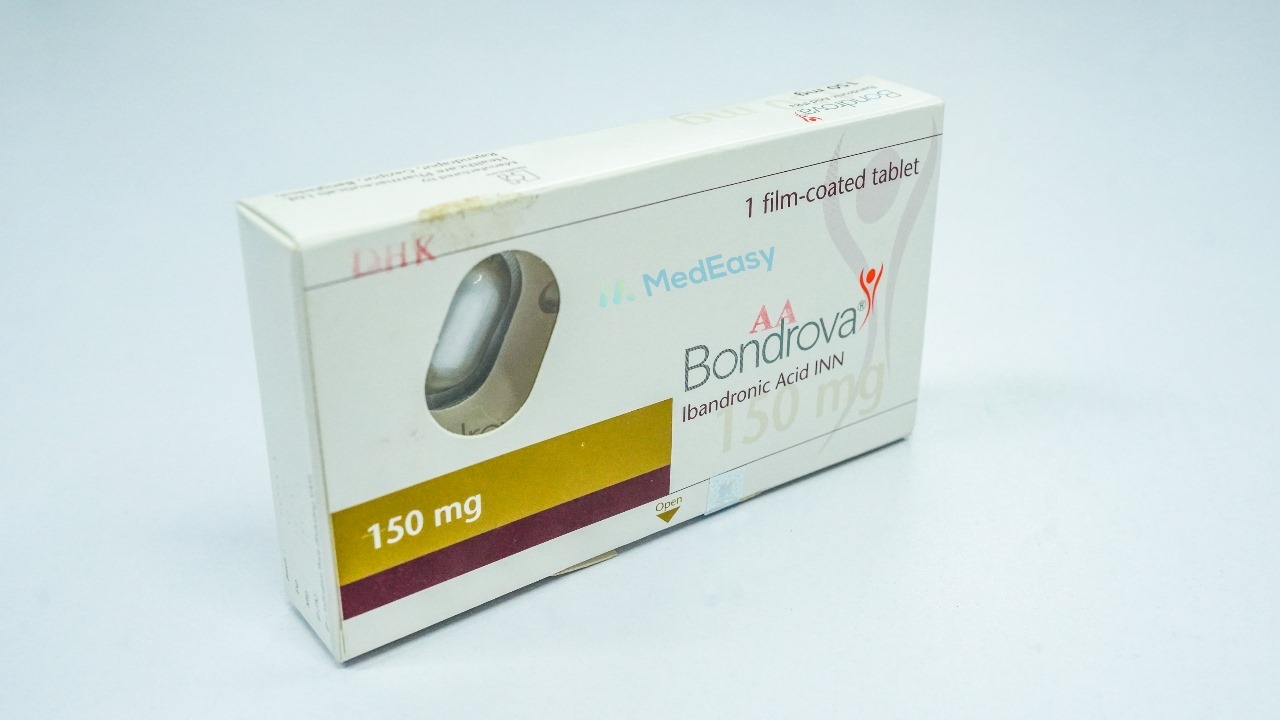
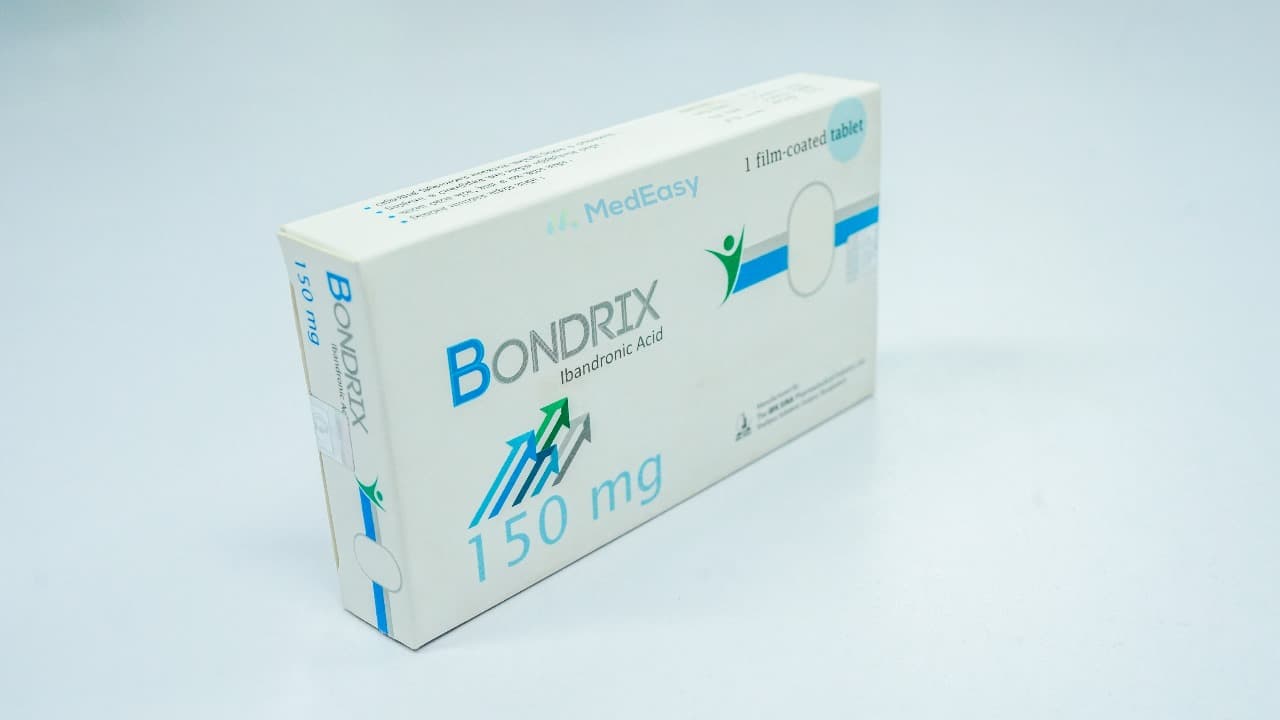
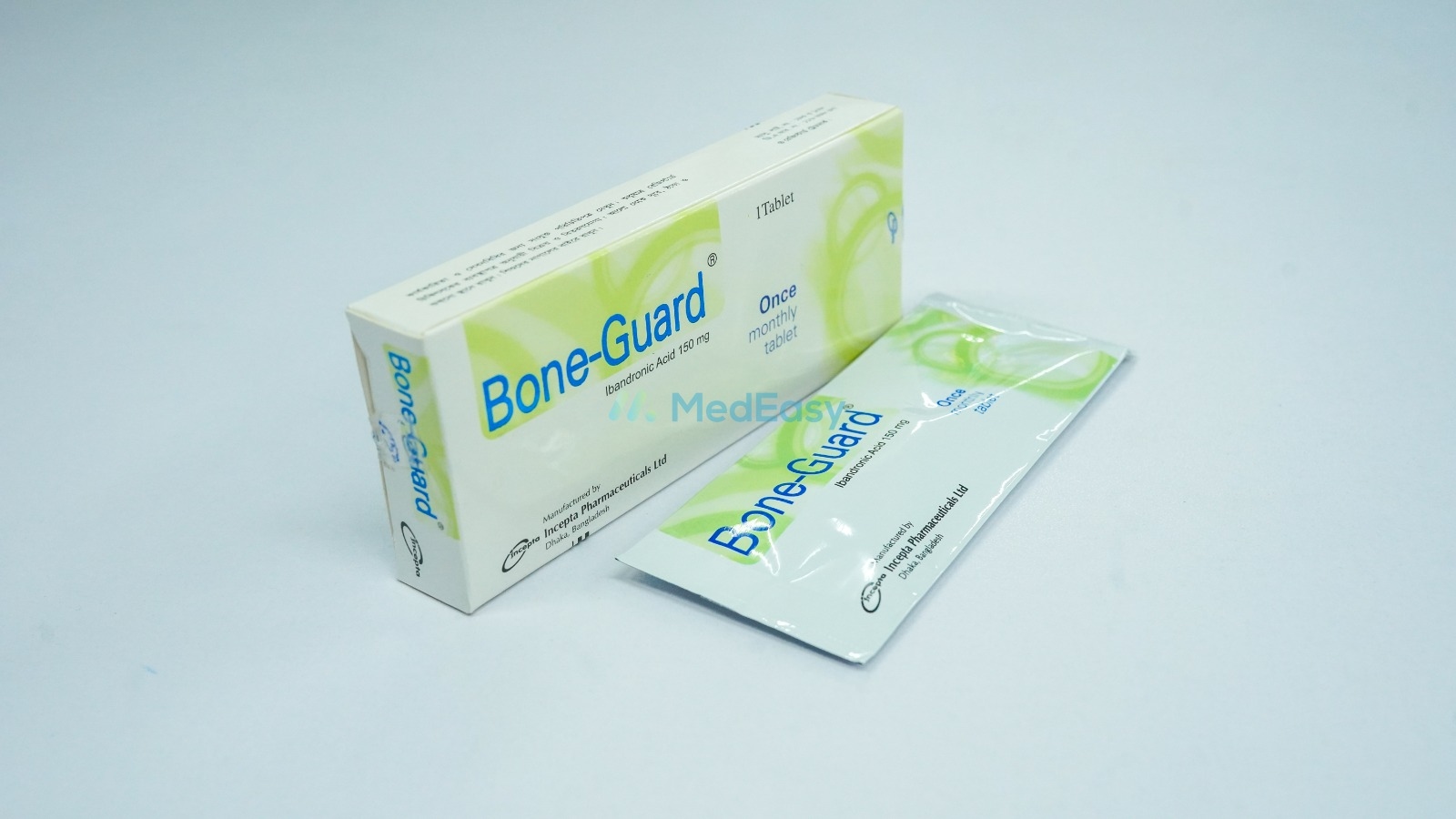
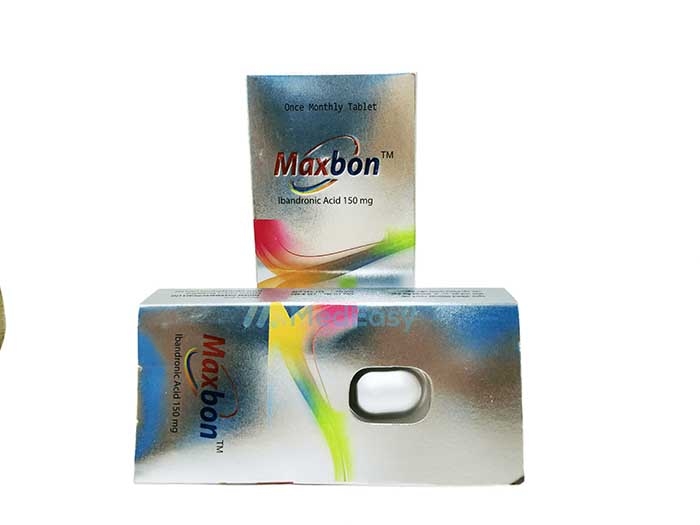
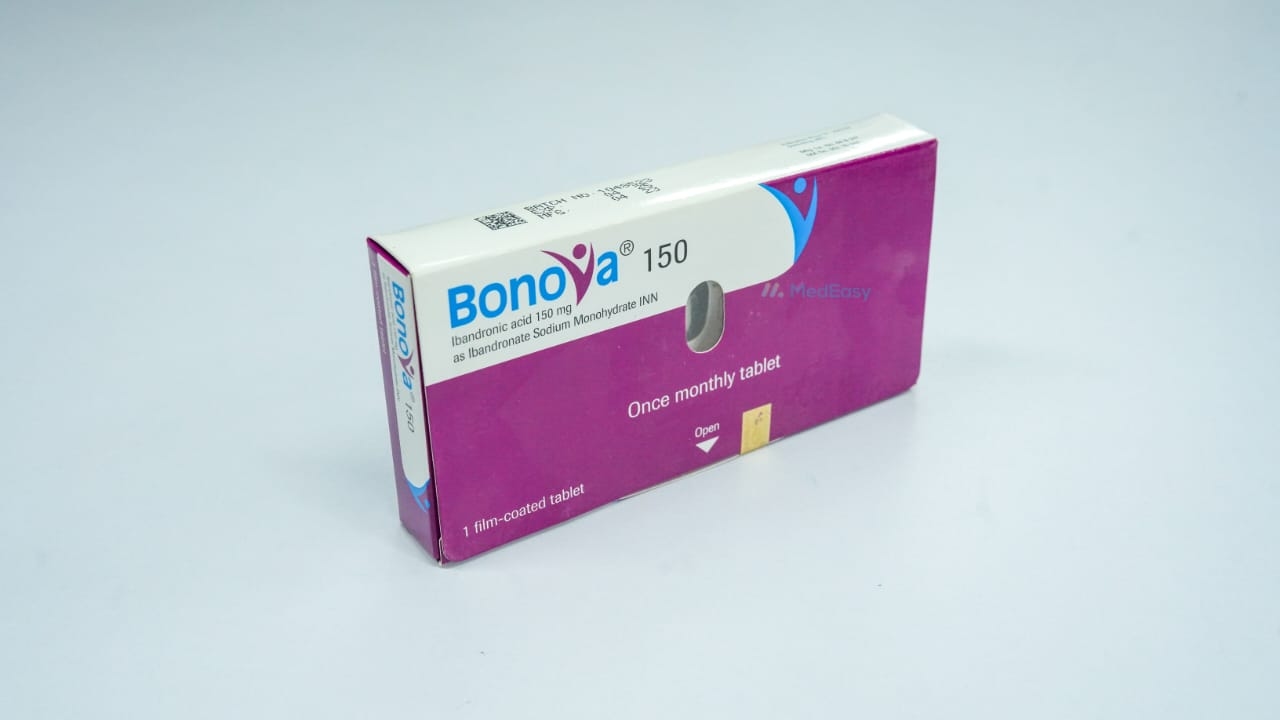
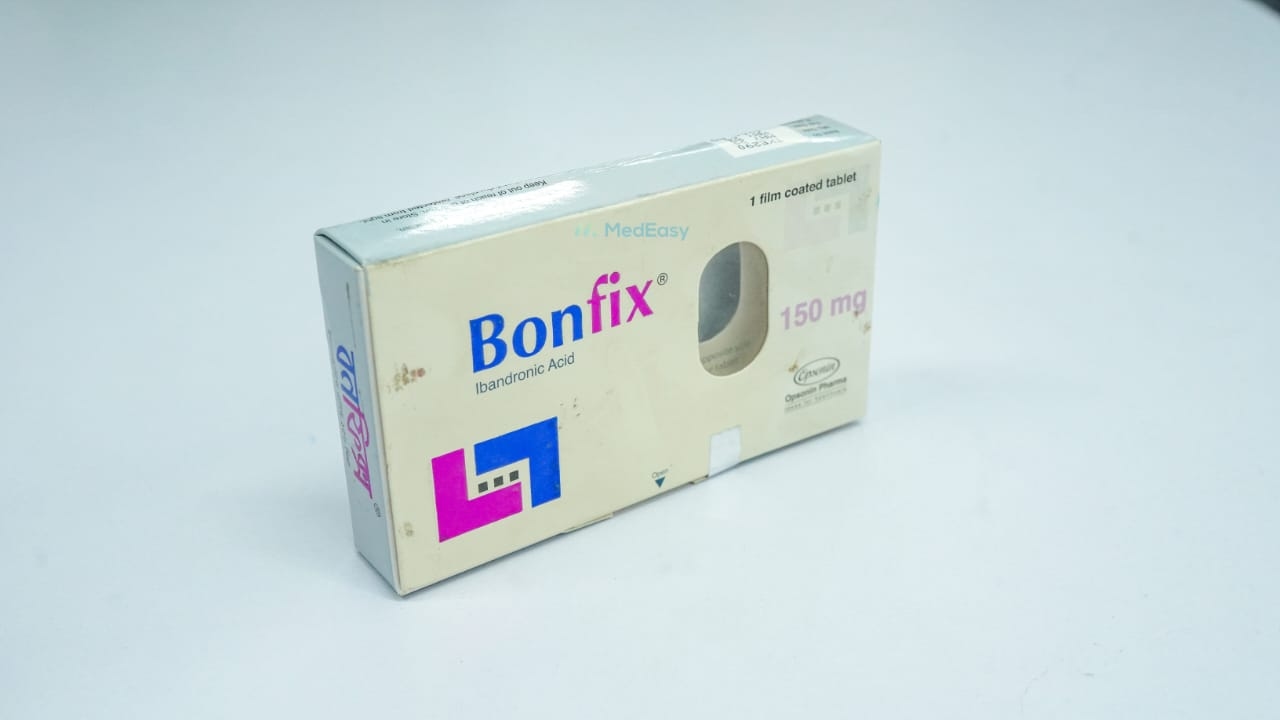
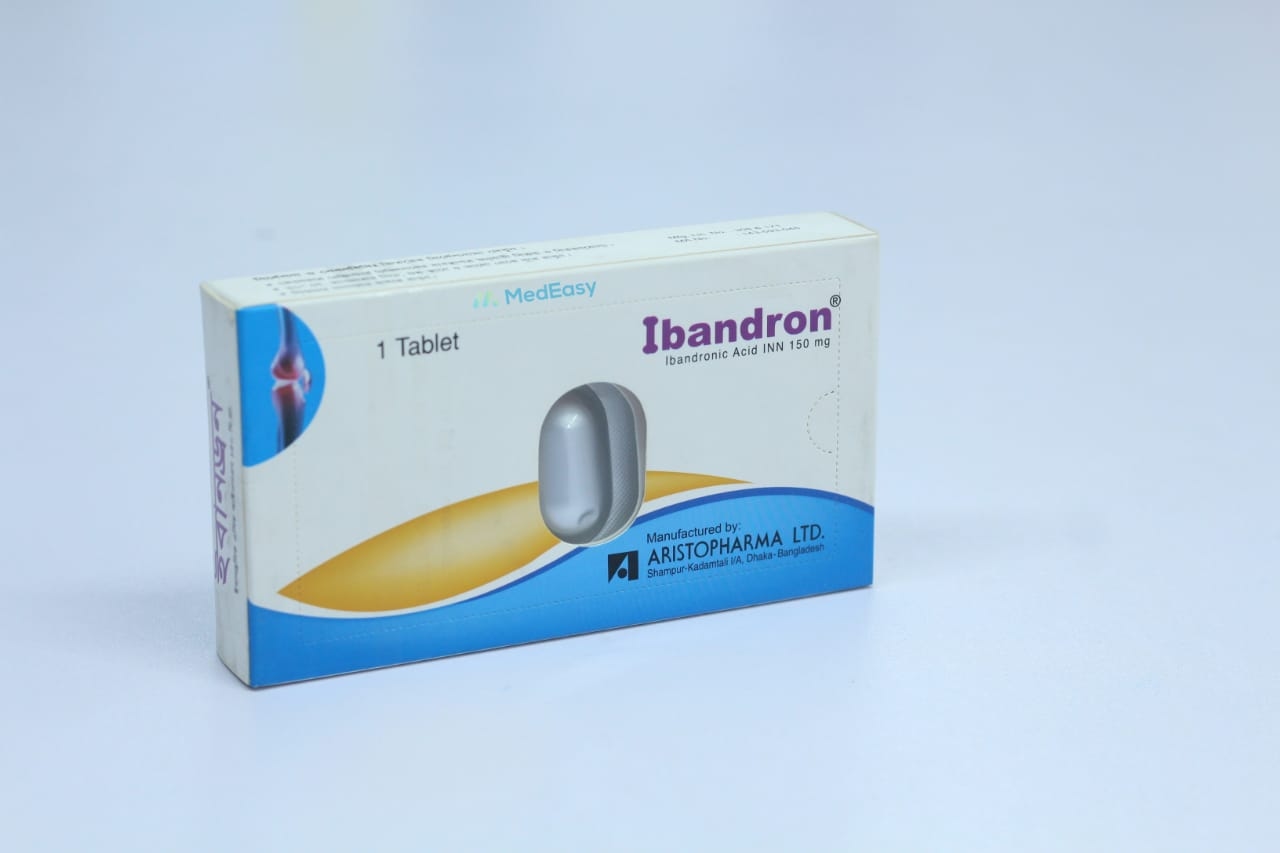
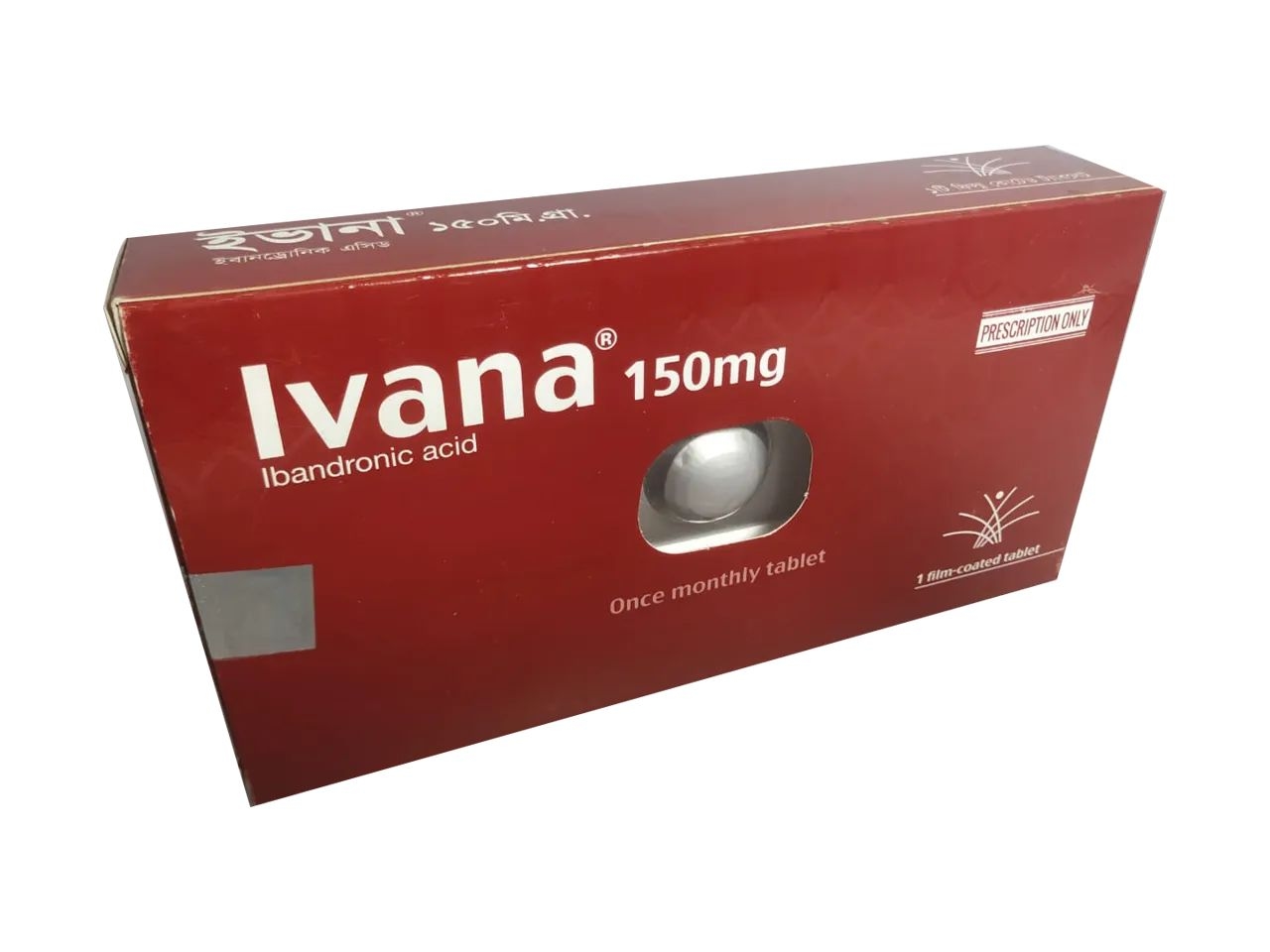
Ibandronic acid is indicated for the treatment of postmenopausal osteoporosis, to reduce the risk of fractures.Treatment of Osteoporosis: Osteoporosis may be confirmed by the finding of low bone mass (T-score <-2.0 SD) and the presence or history of osteoporotic fracture, or a low bone mass (T-score <-2.5 SD) in the absence of documented pre-existing osteoporotic fracture.
Theropeutic Class
Bisphosphonate preparations
Pharmacology
Osteoporosis causes the body to remove more bone than it replaces. This means that bones get weaker. Weak bones are more likely to break. Osteoporosis is a bone disease that is quite common in women after menopause. It also affects men. At first, osteoporosis has no symptoms, but people with osteoporosis may develop loss of height and are more likely to break (fracture) their bones, especially the back (spine), wrist, and hip bones. Osteoporosis can be prevented, and with proper therapy it can be treated. Ibandronic acid inhibits osteoclast activity and reduces bone resorption and turnover. In postmenopausal women, it reduces the elevated rate of bone turnover, leading to a progressive gain in bone mass. The absorption of ibandronate occurs in the upper gastrointestinal tract. After absorption, ibandronate either rapidly binds to bone or is excreted unchanged into urine.
Dosage of Bondrix 150 mg
The recommended dose of Ibandronic acid for treatment is one 150 mg film-coated tablet once a month. The tablet should preferably be taken on the same date each month. Ibandronic acid should be taken 60 minutes before the first food or drink (other than water) of the day or any other oral medication or supplementation (including calcium):
Tablets should be swallowed whole with a full glass of plain water (180 to 240 ml) while the patient is sitting or standing in an upright position. Patients should not lie down for 60 minutes after taking Ibandronic acid.
Plain water is the only drink that should be taken with Ibandronic acid. Please note that some mineral waters may have a higher concentration of calcium and therefore should not be used.
Patients should not chew or suck the tablet because of a potential for oropharyngeal ulceration. Patients should receive supplemental calcium or vitamin D if dietary intake is inadequate. In case a once-monthly dose is missed, patients should be instructed to take one Bondrix 150 mg 150 mg tablet the morning after the tablet is remembered unless the time to the next scheduled dose is within 7 days. Patients should then return to taking their dose once a month on their originally scheduled date. If the next scheduled dose is within 7 days, patients should wait until their next dose and then continue taking one tablet once a month as originally scheduled. Patients should not take two 150 mg tablets within the same week.
Administration of Bondrix 150 mg
Oral Administrations-
The tablet should preferably be taken on the same date each month.
To maximize absorption and clinical benefit, Ibandronic acid should be taken at least 60 minutes before the first food or drink or any oral medication or supplementation (including calcium).
To facilitate delivery to the stomach and reduce the potential for esophageal irritation, Ibandronic acid should be swallowed whole with a full glass of plain water.
The tablet should not be chewed or sucked.
Patients should not lie down for 60 minutes after takin Ibandronic acid . However, patients can sit down, walk, exercise or do the regular activities.
If the once-monthly dose is missed and the patient’s next scheduled Ibandronic acid day is more than 7 days away, the patient should be instructed to take one Ibandronic acid 150 mg tablet in the morning following the date that it is remembered. Then the patient should return to the original schedule.
If the next scheduled dose is within 7 days, patients should wait until the next dose? and then continue taking one tablet once-a-month as originally scheduled. Two 150 mg tablets should not be taken within the same week.
Interaction of Bondrix 150 mg
It is likely that calcium supplements, antacids and some oral medications containing multivalent cations (such as aluminium, magnesium, iron) are likely to interfere with the absorption of Bondrix 150 mg. Therefore, patients must wait 60 minutes after taking Bondrix 150 mg before taking other oral medications. Pharmacokinetic interaction studies in postmenopausal women have demonstrated the absence of any interaction potential with tamoxifen or hormone replacement therapy (estrogen). No interaction was observed when co-administered with melphalan/prednisolone in patients with multiple myeloma. In healthy male volunteers and postmenopausal women, i.v. ranitidine caused an increase in Bondrix 150 mg bioavailability of about 20 %, probably as a result of reduced gastric acidity. However, since this increase is within the normal range of the bioavailability of Bondrix 150 mg, no dosage adjustment is required when Bondrix 150 mg is administered with H2-antagonists or other drugs which increase gastric pH.In relation to disposition, no drug interactions of clinical significance are considered likely, since Bondrix 150 mg does not inhibit the major human hepatic P450 isoenzymes and has been shown not to induce the hepatic cytochrome P450 system in rats. Furthermore, plasma protein binding is low at therapeutic concentrations and Bondrix 150 mg is therefore unlikely to displace other drugs. Ibandronic acid is eliminated by renal excretion only and does not undergo any biotransformation. The secretory pathway appears not to include known acidic or basic transport systems involved in the excretion of other drugs. In a one-year study in postmenopausal women with osteoporosis (BM16549). the incidence of upper gastrointestinal events in patients concomitantly taking aspirin or NSAIDs was similar in patients taking Bondrix 150 mg 2.5 mg daily or 150mg once monthly. Of over 1500 patients enrolled in study BM 16549 comparing monthly with daily dosing regimens of Bondrix 150 mg, 14% of patients used histamine (H2) blockers or proton pump inhibitors. Among these patients, the incidence of upper gastrointestinal events in the patients treated with Bondrix 150 mg 150 mg once monthly was similar to that in patients treated with Bondrix 150 mg 2.5 mg daily.
Contraindications
Bondrix 150 mg is contraindicated in patients with known hypersensitivity to Bondrix 150 mg or to any of the excipients. Bondrix 150 mg is contraindicated in patients with uncorrected hypocalcemia. As with all bisphosphonates indicated in the treatment of osteoporosis, pre-existing hypocalcemia needs to be corrected before initiating therapy with Bondrix 150 mg. As with several bisphosphonates, Bondrix 150 mg is contraindicated in patients with abnormalities of the esophagus which delay esophageal emptying such as stricture or achalasia. Bondrix 150 mg is contraindicated in patients who are unable to stand or sit upright for at least 60 minutes.
Side Effects of Bondrix 150 mg
The main side effects of Bondrix 150 mg are dyspepsia, nausea, diarrhea, abdominal pain, muscle aches, headaches, dizziness.
Pregnancy & Lactation
Use in pregnancy: Pregnancy Category C. There are no adequate and well-controlled studies in pregnant women. It should be used during pregnancy only if the potential benefit justifies the potential risk to the mother and fetus. Use in nursing mothers: It is not known whether it is excreted in human milk. Because many drugs are excreted in human milk, caution should be exercised when it is administered to a nursing woman.
Precautions & Warnings
Hypocalcemia and other disturbances of bone and mineral metabolism should be effectively treated before starting Bondrix 150 mg therapy. Adequate intake of calcium and vitamin D is important in all patients. Orally administered bisphosphonates may cause local irritation of the upper gastrointestinal mucosa. Because of these possible irritant effects and a potential for worsening of the underlying disease, caution should be used when Bondrix 150 mg is given to patients with active upper gastrointestinal problems (e.g. known Barrett’s esophagus, dysphagia, other esophageal diseases, gastritis, duodenitis or ulcers). Adverse experiences such as esophagitis, esophageal ulcers and esophageal erosions, in some cases severe and requiring hospitalization, rarely with bleeding or followed by esophageal stricture or perforation, have been reported in patients receiving treatment with oral bisphosphonates. The risk of severe esophageal adverse experiences appears to be greater in patients who do not comply with the dosing instruction and/or who continue to take oral bisphosphonates after developing symptoms suggestive of esophageal irritation. Patients should pay particular attention and be able to comply with the dosing instructions.Physicians should be alert to any signs or symptoms signaling a possible esophageal reaction and patients should be instructed to discontinue Bondrix 150 mg and seek medical attention if they develop dysphagia, odynophagia, retrosternal pain or new or worsening heartburn. While no increased risk was observed in controlled clinical trials there have been post-marketing reports of gastric and duodenal ulcers with oral bisphosphonate use, some severe and with complications. Since NSAIDs and bisphosphonates are both associated with gastrointestinal irritation, caution should be taken during concomitant medication with Bondrix 150 mg. Osteonecrosis of the jaw (ONJ) has been reported in patients treated with bisphosphonates. Most cases have been in cancer patients undergoing dental procedures, but some have occurred in patients with postmenopausal osteoporosis or other diagnoses. Known risk factors for osteonecrosis of the jaw include a diagnosis of cancer, concomitant therapies (e.g., chemotherapy, radiotherapy, corticosteroids), and co-morbid disorders (e.g., anemia, coagulopathy, infection, pre-existing dental disease). Most reported cases have been in patients treated with bisphosphonates intravenously but some have been in patients treated orally. For patients who develop osteonecrosis of the jaw while on bisphosphonate therapy, dental surgery may exacerbate the condition. For patients requiring dental procedures, there are no data available to suggest whether discontinuation of bisphosphonate treatment reduces the risk of ONJ. Clinical judgment of the treating physician should guide the management plan of each patient based on individual benefit-risk assessment.
Overdose Effects of Bondrix 150 mg
No specific information is available on the treatment of overdosage with Bondrix 150 mg. However, oral overdosage may result in upper gastrointestinal adverse events, such as upset stomach, heartburn, esophagitis, gastritis, or ulcer. Milk or antacids should be given to bind Bondrix 150 mg. Owing to the risk of esophageal irritation, vomiting should not be induced and the patient should remain fully upright.
Storage Conditions
Keep below 30°C temperature, away from light & moisture. Keep out of the reach of children.
Use In Special Populations
Pediatric use: Safety and effectiveness in pediatric patients have not been established. Geriatric Patients: No dose adjustment is necessary in the elderly.Patients with Hepatic Impairment: No dose adjustment is necessary.Patients with Renal Impairment: No dose adjustment is necessary for patients with mild or moderate renal impairment where creatinine clearance is equal to or greater than 30 ml/min.
Drug Classes
Bisphosphonate preparations
Mode Of Action
The pharmacodynamic action of Bondrix 150 mg is inhibition of bone resorption. In vivo, Bondrix 150 mg prevents experimentally induced bone destruction caused by cessation of gonadal function, retinoids, tumors or tumor extracts. In young (fast growing) rats, the endogenous bone resorption is also inhibited, leading to increased bone mass compared with untreated animals. Animal models confirm that Bondrix 150 mg is a highly potent inhibitor of osteoclastic activity. In growing rats, there was no evidence of impaired mineralization even at doses greater than 5,000 times the dose required for osteoporosis treatment. The high potency and therapeutic margin of Bondrix 150 mg allows for more flexible dosing regimens and intermittent treatment with long drug-free intervals at comparatively low doses.Ibandronic acid is a highly potent bisphosphonate belonging to the nitrogen-containing group of bisphosphonates, which act on bone tissue and specifically inhibit osteoclast activity, It does not interfere with osteoclast recruitment. The selective action of Bondrix 150 mg on bone tissue is based on the high affinity of this compound for hydroxyapatite, which represents the mineral matrix of the bone. Ibandronic acid reduces bone resorption, with no direct effect on bone formation. In postmenopausal women, it reduces the elevated rate of bone turnover towards premenopausal levels, leading to a progressive net gain in bone mass. Daily or intermittent administration of Bondrix 150 mg results in reduced bone resorption as reflected in reduced levels of serum and urinary biochemical markers of bone turnover, increased BMD and a decreased incidence of fractures.
Pregnancy
Pregnancy: Bondrix 150 mg should not be used during pregnancy. There was no evidence for a direct fetal toxic or teratogenic effect of Bondrix 150 mg in daily orally treated rats and rabbits and there were no adverse effects on the development in F1 offspring in rats. Adverse effects of Bondrix 150 mg in reproductive toxicity studies in the rat were those observed with bisphosphonates as a class. They include a decreased number of implantation sites, interference with natural delivery (dystocia), and an increase in visceral variations (renal pelvis ureter syndrome). Specific studies for the monthly regimen have not been performed. There is no clinical experience with Bondrix 150 mg in pregnant women.Nursing Mothers: Bondrix 150 mg should not be used during lactation. In lactating rats treated with 0.08 mg/kg/day IV. Bondrix 150 mg, the highest concentration of Bondrix 150 mg in breast milk was 8.1 ng/ml and was seen in the first 2 hours after i.v. administration. After 24 hours, the concentration in milk and plasma was similar, and corresponded to about 5 % of the concentration measured after 2 hours.
Pediatric Uses
Patients with renal impairment: No dosage adjustment is necessary for patients with mild or moderate renal impairment where creatinine clearance is ≥30 ml/min. Below 30 ml/min creatinine clearance, the decision to administer Bondrix 150 mg should be based on an individual risk-benefit assessment.Patients with hepatic impairment: No dosage adjustment is necessary.
Elderly: No dosage adjustment is necessary.
Children: Safety and efficacy have not been established in patients less than 18 years old.
Frequently Asked Questions
What is Bondrix 150 mg used for?
Ibandronic acid is indicated for the treatment of postmenopausal osteoporosis, to reduce the risk of fractures.Treatment of Osteoporosis: Osteoporosis may be confirmed by the finding of low bone mass (T-score <-2.0 SD) and the presence or history of osteoporotic fracture, or a low bone mass (T-score <-2.5 SD) in the absence of documented pre-existing osteoporotic fracture.
What is the dosage of Bondrix 150 mg?
The recommended dose of Ibandronic acid for treatment is one 150 mg film-coated tablet once a month. The tablet should preferably be taken on the same date each month. Ibandronic acid should be taken 60 minutes before the first food or drink (other than water) of the day or any other oral medication or supplementation (including calcium): Tablets should be swallowed whole with a full glass of plai…
What are the side effects of Bondrix 150 mg?
The main side effects of Bondrix 150 mg are dyspepsia, nausea, diarrhea, abdominal pain, muscle aches, headaches, dizziness.
Who should not take Bondrix 150 mg?
Bondrix 150 mg is contraindicated in patients with known hypersensitivity to Bondrix 150 mg or to any of the excipients. Bondrix 150 mg is contraindicated in patients with uncorrected hypocalcemia. As with all bisphosphonates indicated in the treatment of osteoporosis, pre-existing hypocalcemia needs to be corrected before initiating therapy with Bondrix 150 mg. As with several bisphosphonates, Bo…
What precautions should be taken with Bondrix 150 mg?
Hypocalcemia and other disturbances of bone and mineral metabolism should be effectively treated before starting Bondrix 150 mg therapy. Adequate intake of calcium and vitamin D is important in all patients. Orally administered bisphosphonates may cause local irritation of the upper gastrointestinal mucosa. Because of these possible irritant effects and a potential for worsening of the underlying …
Is Bondrix 150 mg safe during pregnancy and breastfeeding?
Use in pregnancy: Pregnancy Category C. There are no adequate and well-controlled studies in pregnant women. It should be used during pregnancy only if the potential benefit justifies the potential risk to the mother and fetus. Use in nursing mothers: It is not known whether it is excreted in human milk. Because many drugs are excreted in human milk, caution should be exercised when it is administ…
Disclaimer
The information provided is accurate to our best practices, but it does not replace professional medical advice. We cannot guarantee its completeness or accuracy. The absence of specific information about a drug should not be seen as an endorsement. We are not responsible for any consequences resulting from this information, so consult a healthcare professional for any concerns or questions.