10% Off
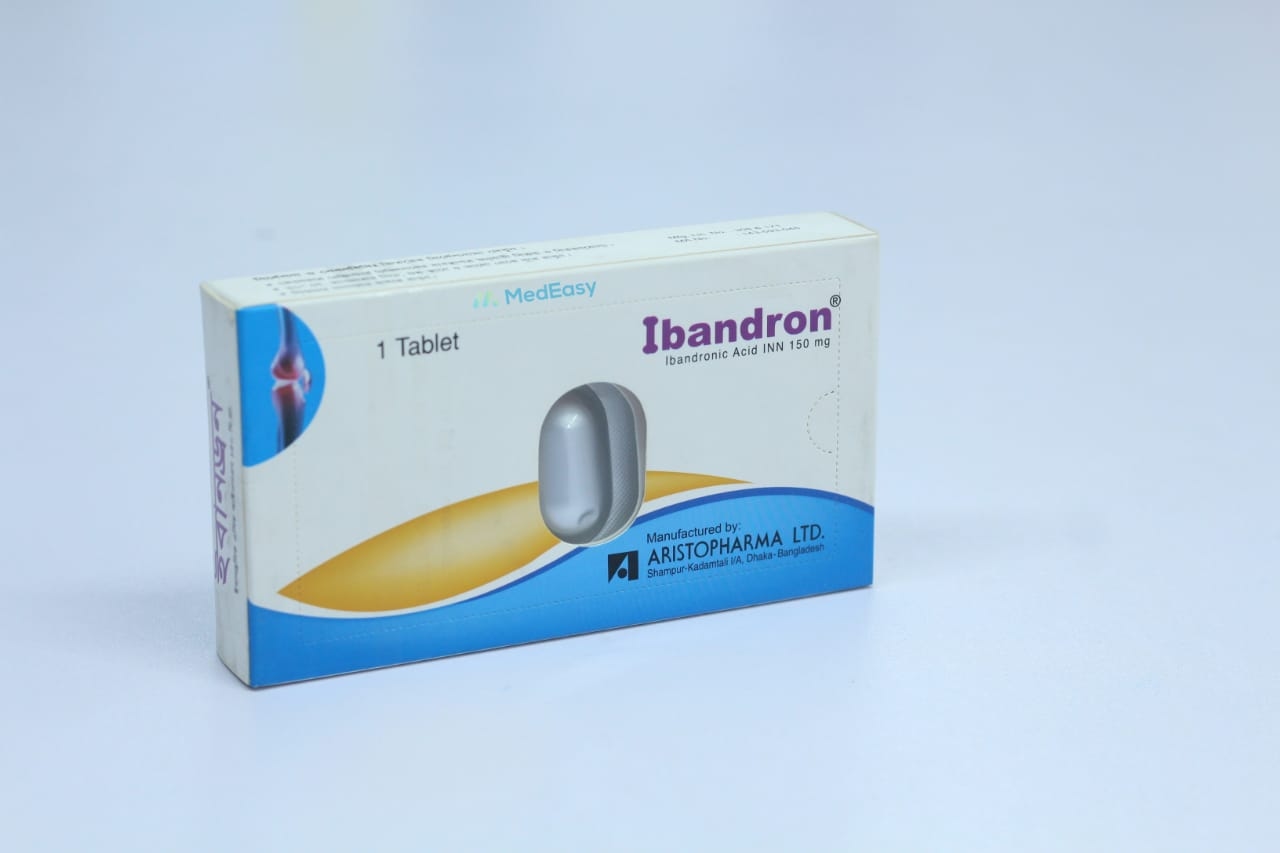
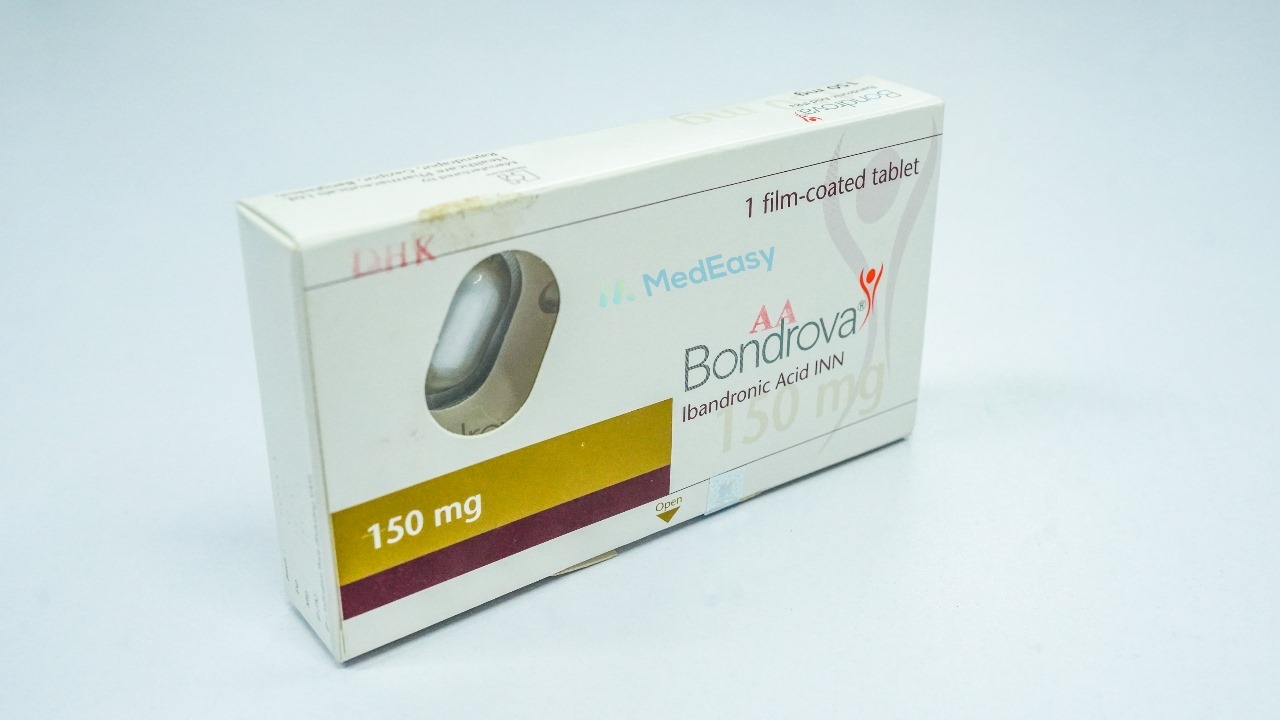
Bondrova150 mg
Healthcare Pharmaceuticals Ltd.
৳1764.00
Add to cart
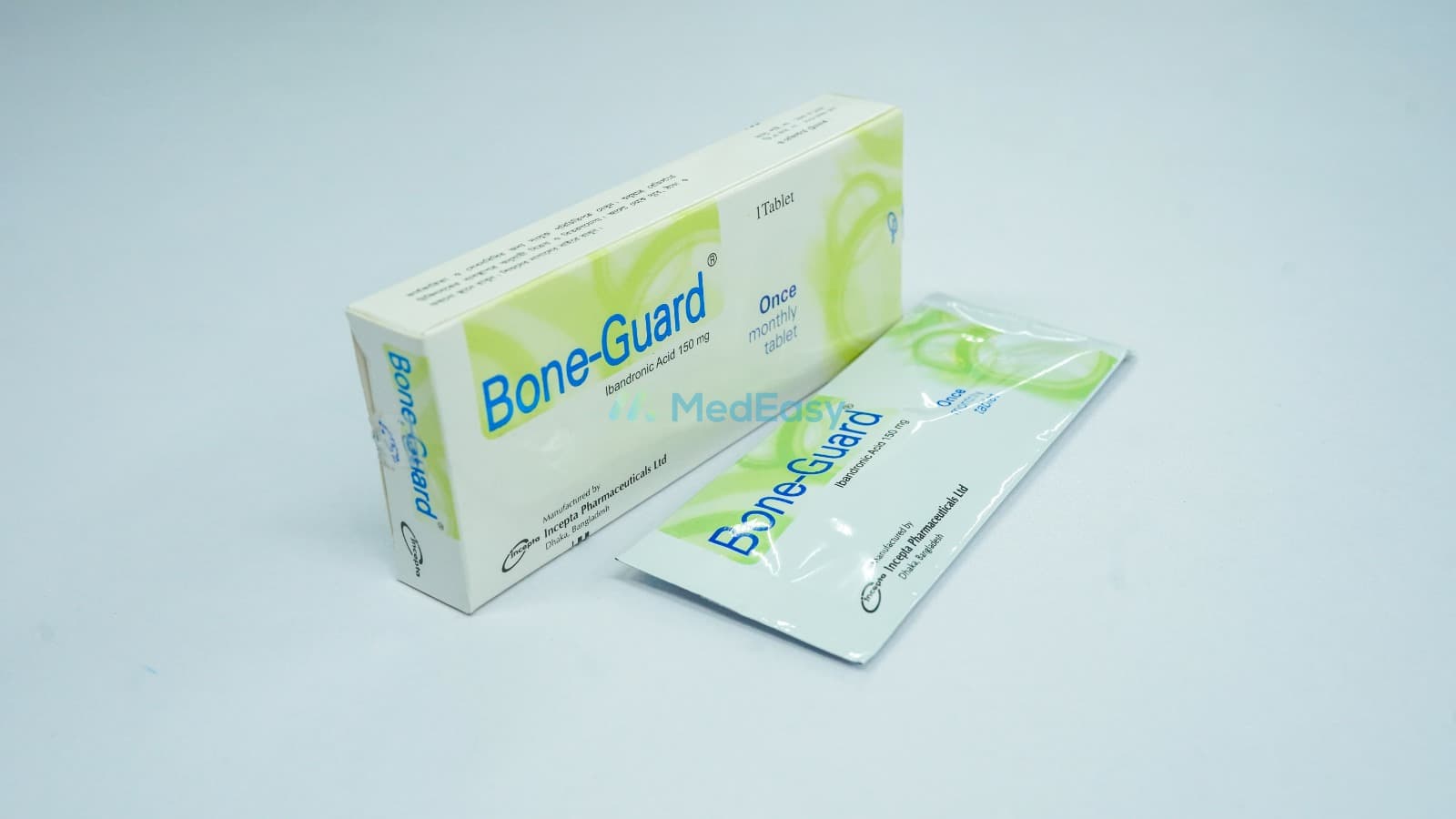

Bone-Guard is a nitrogen-containing bisphosphonate used mainly for bone disorders in which bone breakdown (resorption) is excessive.
Bone-Guard is not established for reversing severe bone loss on its own in every setting and is generally used together with adequate calcium and vitamin D intake, and lifestyle measures (weight-bearing exercise, smoking cessation), as advised by a physician.
Each formulation contains Ibandronic Acid (as ibandronate sodium) as the active ingredient.
Tablets also typically contain standard excipients (e.g. lactose, microcrystalline cellulose, povidone, magnesium stearate, and a film coat) which do not affect the mechanism of action.
Bone-Guard is a third-generation, nitrogen-containing bisphosphonate that binds strongly to bone mineral (hydroxyapatite) and selectively inhibits osteoclast-mediated bone resorption, without directly interfering with bone formation.
It is used in the long-term management of osteoporosis to reduce bone loss, increase bone mineral density, and lower the risk of fragility fractures, particularly vertebral fractures, in postmenopausal women.
Bone-Guard is available as an oral, monthly tablet and as a quarterly intravenous infusion, giving patients and physicians a choice of route based on tolerability, adherence, and gastrointestinal risk factors.
Bone-Guard belongs to the bisphosphonate class of drugs, specifically a nitrogen-containing (aminobisphosphonate) agent used as a bone resorption inhibitor / anti-osteoporotic agent.
Ibandronic Acid works by binding to hydroxyapatite crystals in bone and being selectively taken up by osteoclasts, the cells responsible for bone resorption.
Inside osteoclasts, it inhibits the enzyme farnesyl pyrophosphate synthase in the mevalonate pathway, which disrupts the prenylation of small GTP-binding proteins essential for osteoclast function, cytoskeletal integrity, and survival. This leads to osteoclast inactivation and apoptosis, reducing bone turnover.
The net effect of Ibandronic Acid is decreased bone resorption relative to bone formation, resulting in a gradual gain in bone mineral density over months of therapy. It has high affinity for bone mineral, giving it a long duration of pharmacologic effect and allowing infrequent (monthly oral or quarterly IV) dosing.
| Indication | Route | Typical adult dose |
|---|---|---|
| Postmenopausal osteoporosis - treatment/prevention | Oral | 150 mg once monthly |
| Postmenopausal osteoporosis - treatment | Intravenous | 3 mg every 3 months |
All patients should also receive adequate calcium and vitamin D supplementation as advised by their physician. If a monthly oral dose is missed, and the next scheduled dose is more than 7 days away, patients should take the missed dose the morning after they remember, then return to the original monthly schedule; if the next dose is within 7 days, the missed dose should be skipped.
Oral Bone-Guard must be taken on an empty stomach, first thing in the morning, with plain water only, followed by at least 60 minutes in an upright position before eating, drinking anything else, or taking other medicines — see Dosage and Administration for full details. The intravenous form is administered only by a healthcare professional in a clinical setting.
Calcium, antacids, and mineral supplements: Oral calcium, antacids, and supplements containing polyvalent cations (magnesium, aluminum, iron) significantly reduce absorption of oral Bone-Guard if taken together; separate these products from Bone-Guard by at least 60 minutes (ideally later in the day).
NSAIDs and aspirin: Concomitant use with NSAIDs may increase the risk of gastrointestinal irritation; use with caution, particularly with oral Bone-Guard.
Aminoglycosides: Both bisphosphonates and aminoglycosides can lower serum calcium; concurrent use may increase the risk of hypocalcemia and should be monitored.
H2-receptor antagonists: No clinically significant interaction or dose adjustment is required with H2-blockers.
Other oral medicines: Because of the strict fasting/upright requirement, other oral medicines should generally be taken after the 60-minute post-dose period to avoid reduced absorption of Bone-Guard or interference from co-administration.
Most patients tolerate Bone-Guard well. Reported side effects include:
Pregnancy: Bone-Guard is not indicated for use in women of reproductive potential or during pregnancy. Bisphosphonates are retained in bone for extended periods and released slowly over time, and animal studies have shown developmental toxicity. Bone-Guard should not be used in pregnancy; if pregnancy occurs or is planned, Bone-Guard should be discontinued and a physician consulted immediately.
Lactation: It is not known whether Bone-Guard is excreted in human breast milk. Because of the potential for adverse effects on the nursing infant and the drug's prolonged skeletal retention, Bone-Guard should not be used by breastfeeding women; a physician should be consulted regarding alternative options.
Oral Bone-Guard can cause local irritation of the upper gastrointestinal mucosa. Esophagitis, esophageal ulcers, and erosions have been reported, especially in patients who do not follow the dosing instructions (remaining upright, taking with plain water, avoiding lying down). Patients who develop symptoms of esophageal irritation (difficulty or pain on swallowing, retrosternal pain, new or worsening heartburn) should stop Bone-Guard and seek medical advice.
Osteonecrosis of the jaw, presenting as delayed healing after dental extraction or jaw surgery, has been reported with bisphosphonates, including Bone-Guard, most often in patients with cancer receiving high-dose intravenous bisphosphonates, but also rarely in patients treated for osteoporosis. A dental examination with appropriate preventive dentistry is recommended before starting Bone-Guard in patients with risk factors (e.g. planned invasive dental procedures, poor oral hygiene, concomitant chemotherapy or corticosteroids).
Atypical, low-trauma or spontaneous fractures of the femoral shaft have been reported with long-term bisphosphonate use, including Bone-Guard. New thigh, hip, or groin pain during treatment should be evaluated promptly. Periodic re-evaluation of the need for continued therapy is recommended, particularly after 3-5 years of use.
Bone-Guard is not recommended in patients with severe renal impairment (creatinine clearance below approximately 30 mL/min) due to lack of clinical experience; use with caution and appropriate monitoring in mild-to-moderate renal impairment.
Correct hypocalcemia and other disturbances of bone/mineral metabolism (e.g. vitamin D deficiency) before starting Bone-Guard. Adequate calcium and vitamin D intake should be ensured throughout treatment.
Severe and occasionally disabling bone, joint, or muscle pain has been reported; if this occurs, discuss with a physician whether to continue treatment.
Transient fever and flu-like symptoms may occur after the first IV infusion; this usually resolves within a few days and lessens with subsequent doses.
Overdose of Bone-Guard, particularly of the oral form, may cause hypocalcemia, hypophosphatemia, and upper gastrointestinal irritation (esophagitis, gastritis, ulceration). No specific antidote is available.
If overdose is suspected, seek immediate medical attention or contact emergency services / a poison control center. Milk or antacids containing calcium or magnesium may be given orally to bind the drug if the overdose was oral and recent, and the patient should be kept upright to reduce esophageal irritation. Management should occur under direct medical supervision; do not attempt to treat an overdose at home without professional guidance.
Store at room temperature (below 30°C), away from light and moisture. Keep out of reach of children. The IV injection/infusion should be stored according to the specific product label and handled by healthcare professionals.
No dose adjustment is generally required based on age alone; Bone-Guard is commonly used in elderly patients, who should be monitored for renal function and calcium status.
No dose adjustment is needed in mild-to-moderate renal impairment; Bone-Guard is not recommended in severe renal impairment (see Precautions and Warnings).
No dose adjustment is required, as Bone-Guard is not significantly metabolized by the liver; however, formal studies in hepatic impairment are limited.
Safety and efficacy of Bone-Guard have not been established in children and adolescents; it is not recommended for use in this population outside specialist supervision for specific rare bone conditions.
Bone-Guard is typically used long-term for osteoporosis management, often for several years, with periodic reassessment by the physician (commonly after 3-5 years) to weigh continued benefit against the small but increasing risk of atypical femoral fractures and osteonecrosis of the jaw with prolonged use. The physician may consider a "drug holiday" or continued therapy based on individual fracture risk.
Bisphosphonate (nitrogen-containing); anti-resorptive / anti-osteoporotic agent
Ibandronic Acid inhibits farnesyl pyrophosphate synthase in the osteoclast mevalonate pathway, preventing prenylation of GTP-binding proteins required for osteoclast cytoskeletal function and survival, which leads to osteoclast inactivation and apoptosis and a net reduction in bone resorption.
Category C (FDA legacy pregnancy category) - not indicated for use in pregnancy
The safety and efficacy of Bone-Guard have not been established in pediatric patients. It is not approved or generally recommended for routine use in children or adolescents. Use in pediatric bone disease is limited to specialist settings for specific rare conditions and is outside standard osteoporosis labeling.
Q: How should I take oral Bone-Guard 150 mg Tablet?
A: Take Bone-Guard 150 mg Tablet first thing in the morning, at least 60 minutes before any food, drink (other than plain water), or other medicine. Swallow the tablet whole with a full glass of plain water while sitting or standing, and remain upright for at least 60 minutes afterward without lying down, eating, or drinking anything else. This reduces the risk of esophageal irritation.
Q: Why do I need to stay upright after taking Bone-Guard 150 mg Tablet?
A: Bone-Guard 150 mg Tablet can irritate the esophagus (food pipe) if it stays in contact with the lining too long. Lying down soon after taking it increases the risk of heartburn, esophagitis, or esophageal ulcers, so staying upright for at least 60 minutes helps the tablet pass safely into the stomach.
Q: Can I take calcium supplements with Bone-Guard 150 mg Tablet?
A: Calcium, antacids, and other supplements containing magnesium, aluminum, or iron should not be taken within 60 minutes of oral Bone-Guard 150 mg Tablet, because they reduce its absorption. Take these products later in the day, well away from your Bone-Guard 150 mg Tablet dose.
Q: Is Bone-Guard 150 mg Tablet safe during pregnancy or breastfeeding?
A: Bone-Guard 150 mg Tablet is not recommended during pregnancy or breastfeeding, as it is retained in bone for a long time and its effects on a developing baby are not well established. If you are pregnant, planning pregnancy, or breastfeeding, discuss safer alternatives with your physician before starting or continuing Bone-Guard 150 mg Tablet.
Q: What are the serious risks of long-term Bone-Guard 150 mg Tablet use?
A: With long-term use, Bone-Guard 150 mg Tablet has been associated with rare but serious risks including osteonecrosis of the jaw (poor healing after dental procedures) and atypical femoral (thigh bone) fractures. Tell your dentist you are taking Bone-Guard 150 mg Tablet before any dental surgery, and report any new hip, thigh, or groin pain to your physician promptly.
Q: What should I do if I miss a monthly dose of Bone-Guard 150 mg Tablet?
A: If your next scheduled dose is more than 7 days away, take the missed dose of Bone-Guard 150 mg Tablet the morning after you remember, then continue your original monthly schedule. If the next dose is within 7 days, skip the missed dose and resume your regular schedule; do not take two doses close together.
Disclaimer
The information provided is accurate to the best of our knowledge, but it does not replace professional medical advice. We cannot guarantee its completeness or accuracy, and the absence of specific information about a drug should not be taken as an endorsement. We are not responsible for any consequences arising from this information, so please consult a healthcare professional for any concerns or questions.