10% Off
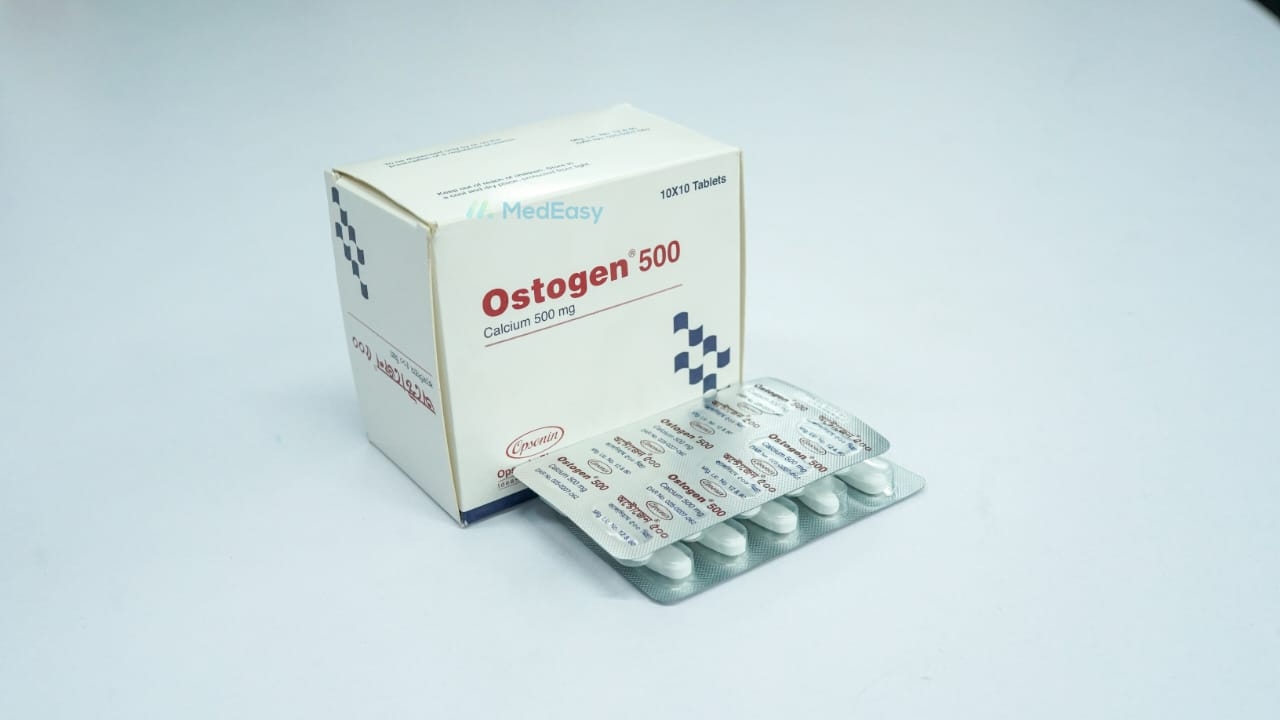
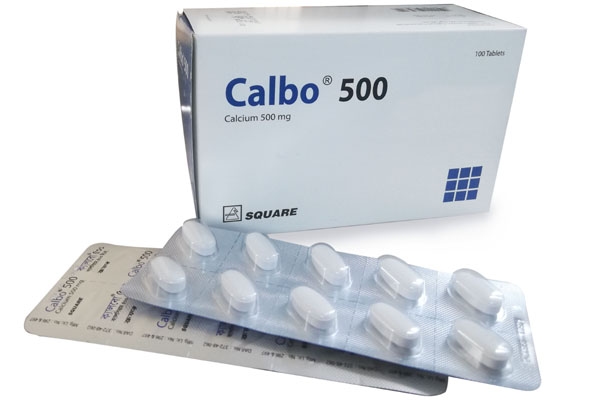
Calbo500 mg
Square Pharmaceuticals PLC.
৳45.00
Add to cart


Bpcal 500 mg is an elemental calcium preparation used both as a calcium supplement and as an antacid, depending on the strength and clinical purpose of the formulation.
This strength is used for the treatment or prevention of calcium depletion in patients whose dietary calcium intake is inadequate to meet physiological needs. Conditions commonly associated with calcium deficiency include:
Bpcal 500 mg is increasingly used to manage hyperphosphataemia in chronic renal failure, including in patients undergoing continuous ambulatory peritoneal dialysis (CAPD) and haemodialysis. Because many patients cannot tolerate doses high enough for complete phosphate control, additional measures such as dietary phosphate restriction or low-dose aluminium hydroxide may be required alongside therapy. Bpcal 500 mg preparations can also provide short-term relief of dyspeptic symptoms, although they are no longer recommended for long-term treatment of peptic ulcer disease.
The 1000 mg strength is indicated for the management of conditions associated with hyperacidity, offering fast relief from acid indigestion, heartburn, sour stomach, and upset stomach.
Minerals in bone formation, Specific mineral preparations
Bpcal 500 mg exerts its therapeutic effects through two complementary mechanisms: acid neutralization and calcium replenishment.
Bpcal 500 mg reacts directly with gastric hydrochloric acid to form a soluble salt and water, following the reaction:
CaCO₃ + 2HCl → CaCl₂ + H₂O + CO₂
Approximately two grams of Bpcal 500 mg is sufficient to raise the pH of 100 mL of hydrochloric acid above 6. This increase in gastric pH substantially reduces the proteolytic activity of pepsin, helping to relieve acid-related discomfort such as heartburn and indigestion relatively quickly after administration.
Up to 30% of an orally administered calcium load may be absorbed, primarily in the duodenum and proximal jejunum through both active, vitamin D-dependent transport and passive paracellular diffusion. Absorbed calcium contributes to bone mineralization, neuromuscular transmission, blood clotting, and intracellular signalling.
In patients with chronic renal failure, Bpcal 500 mg binds dietary phosphate in the gastrointestinal tract to form insoluble calcium phosphate complexes, which are excreted in the stool rather than absorbed. This action helps control serum phosphate levels and reduce the risk of secondary hyperparathyroidism and renal osteodystrophy.
Bpcal 500 mg is administered orally. Dosage varies depending on tablet strength, the indication being treated, and patient-specific factors such as age, renal function, and parathyroid status.
For phosphate binding in chronic renal failure, Bpcal 500 mg should be taken with meals to maximise its interaction with dietary phosphate.
2000–3000 mg may be taken when symptoms of hyperacidity occur. This may be repeated hourly if needed, or as directed by the physician.
Orally administered Bpcal 500 mg may be irritating to the gastrointestinal tract and commonly causes:
Hypercalcaemia is rarely produced by calcium administration alone but may occur when large doses are given to patients with chronic renal failure.
Calcium-containing drugs have been widely used during pregnancy, either as oral calcium supplementation or as antacid therapy for heartburn and indigestion. Bpcal 500 mg can also be used safely in lactating women.
When hypercalcaemia occurs, discontinuing Bpcal 500 mg is usually sufficient to return serum calcium concentrations to normal. Calcium salts should be used cautiously in patients with:
Periodic monitoring of serum calcium and phosphate levels is recommended during prolonged or high-dose therapy, particularly in patients with renal impairment. Excessive intake of calcium with alkali (such as long-term antacid overuse) may rarely lead to milk-alkali syndrome, characterised by hypercalcaemia, metabolic alkalosis, and renal dysfunction.
Excessive or prolonged intake of Bpcal 500 mg, particularly at high antacid doses, can result in hypercalcaemia and, in severe cases, milk-alkali syndrome. Signs and symptoms may include:
Management of overdose involves prompt discontinuation of Bpcal 500 mg, adequate hydration, and correction of electrolyte and acid-base disturbances under medical supervision. Patients with chronic renal failure are at higher risk and should be monitored closely.
Bpcal 500 mg has been extensively studied in children and infants with chronic renal failure and has been shown to be both safe and effective for phosphate control in this population.
Elderly patients with renal failure who take Bpcal 500 mg may experience constipation more frequently. Regular monitoring of serum calcium and phosphate levels is recommended for this group to ensure safe, effective therapy.
What is Bpcal 500 mg used for?
Bpcal 500 mg is an elemental calcium preparation used both as a calcium supplement and as an antacid , depending on the strength and clinical purpose of the formulation. 250 mg / 500 mg Tablet — Calcium Supplementation This strength is used for the treatment or prevention of calcium depletion in patients whose dietary calcium intake is inadequate to meet physiological needs. Conditions commonly as…
What is the dosage of Bpcal 500 mg?
Bpcal 500 mg is administered orally. Dosage varies depending on tablet strength, the indication being treated, and patient-specific factors such as age, renal function, and parathyroid status. 250 mg / 500 mg Tablet Indication Recommended Dose Antacid use (adults) 540–2000 mg Bpcal 500 mg per day Antacid use (children) Approximately half the adult dose Dietary supplement (e.g., osteoporosis preven…
What are the side effects of Bpcal 500 mg?
Orally administered Bpcal 500 mg may be irritating to the gastrointestinal tract and commonly causes: Constipation Mild gastrointestinal discomfort, bloating, or gas Nausea (less common) Hypercalcaemia is rarely produced by calcium administration alone but may occur when large doses are given to patients with chronic renal failure.
Who should not take Bpcal 500 mg?
Hypercalcaemia and hyperparathyroidism Hypercalciuria and nephrolithiasis (kidney stones) Zollinger-Ellison syndrome Concomitant digoxin therapy without careful monitoring of serum calcium levels
What precautions should be taken with Bpcal 500 mg?
When hypercalcaemia occurs, discontinuing Bpcal 500 mg is usually sufficient to return serum calcium concentrations to normal. Calcium salts should be used cautiously in patients with: Sarcoidosis Renal disease Cardiac disease Concurrent use of cardiac glycosides such as digoxin Periodic monitoring of serum calcium and phosphate levels is recommended during prolonged or high-dose therapy, particul…
Is Bpcal 500 mg safe during pregnancy and breastfeeding?
Calcium-containing drugs have been widely used during pregnancy, either as oral calcium supplementation or as antacid therapy for heartburn and indigestion. Bpcal 500 mg can also be used safely in lactating women.
The information provided is accurate to our best practices, but it does not replace professional medical advice. We cannot guarantee its completeness or accuracy. The absence of specific information about a drug should not be seen as an endorsement. We are not responsible for any consequences resulting from this information, so consult a healthcare professional for any concerns or questions.