
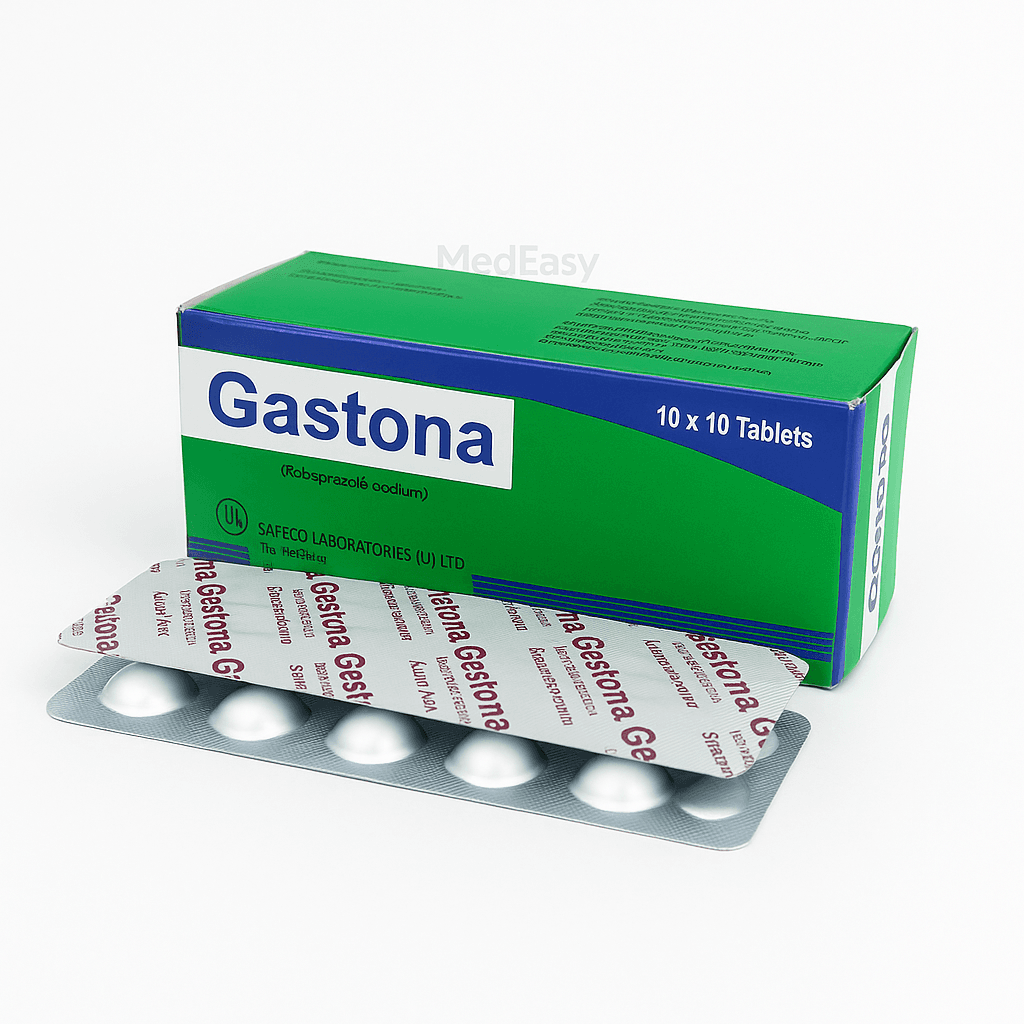

Medicine overview
Indications of Gastona
Gastona is a traditional Unani (Greco-Arabic traditional medicine system) herbal compound powder formulation. In traditional Unani practice, Gastona is used as an adjunct for the symptomatic relief of:
- Hyperacidity (excess stomach acid) and heartburn
- Indigestion (dyspepsia)
- Mild digestive discomfort and bloating related to excess acid
Evidence basis
The use of Gastona for these purposes is based on traditional Unani medicine practice and anecdotal clinical experience, not on large-scale, controlled modern clinical trials of the kind required for conventional pharmaceutical approval. Gastona should be regarded as a supportive/adjunct traditional remedy rather than a first-line or definitive treatment.
Gastona is not a substitute for proper medical evaluation of persistent, severe, or worsening digestive symptoms, which may indicate peptic ulcer disease, gastroesophageal reflux disease, H. pylori infection, or another condition requiring specific diagnosis and treatment.
Composition
Sufoof Humuzin is a multi-ingredient traditional Unani compound powder (sufoof). The exact composition, ingredient ratios, and standardization of individual herbal/mineral components vary by manufacturer, as is typical for traditional Unani pharmacopoeial formulations. Patients should refer to the specific product label/pack insert of the manufactured Sufoof Humuzin product they are using for the exact ingredient list and quantities.
Description
Gastona is an orally administered traditional Unani herbal compound powder. The word "Sufoof" is the Unani/Persian term for a powdered medicinal preparation, and "Humuzin" refers to a formulation category traditionally associated with acid-related digestive discomfort. Gastona is typically dispensed as a fine powder intended to be taken orally, usually mixed with water, milk, or another vehicle as directed by the manufacturer or a qualified Unani practitioner.
As with other traditional Unani pharmacopoeial products, Gastona is manufactured according to classical Unani formularies, and its use should be guided by a qualified Unani physician (Hakim) or a treating physician, particularly because standardization and quality control of multi-herb powders can vary between manufacturers.
Therapeutic Class
Gastona belongs to the traditional Unani (Tibb-e-Unani) system of medicine, within the category of antacid/digestive compound powder formulations traditionally used for hyperacidity and indigestion. It is not classified under a conventional (allopathic) pharmacological drug class, as it is a traditional multi-ingredient herbal compound rather than a single active pharmaceutical ingredient.
Pharmacology
As a multi-ingredient traditional Unani compound, the precise pharmacological mechanism of Sufoof Humuzin has not been established through modern pharmacodynamic or pharmacokinetic studies to the standard applied to single-molecule pharmaceuticals.
Traditionally, ingredients used in acid-related Unani powders of this type are believed to have mild antacid and carminative (gas-relieving) properties, thought to help neutralize or reduce excess gastric acid and ease associated discomfort. These effects are described within the traditional Unani framework and are not confirmed by controlled pharmacological trials for Sufoof Humuzin specifically.
Pharmacokinetics
Formal pharmacokinetic data (absorption, distribution, metabolism, excretion) for Sufoof Humuzin as a compound formulation are not established, consistent with most traditional multi-herb powder preparations.
Dosage & Administration of Gastona
Dosage
| Population | Typical traditional dose |
|---|---|
| Adults | Follow the dose printed on the specific manufacturer's pack of Gastona, or as directed by a qualified Unani practitioner/physician. Traditional Unani powders of this type are commonly taken once to twice daily, generally after meals, mixed with water or another vehicle specified by the manufacturer. |
| Children | Use in children is not recommended without the direct supervision of a qualified Unani practitioner or physician, as pediatric dosing of Gastona has not been formally established. |
Administration
Gastona is intended for oral use only. Mix the prescribed amount of powder with water, milk, or another vehicle as directed on the product label, and take as advised, typically after meals. Do not exceed the dose or duration recommended by the manufacturer or prescribing practitioner. If symptoms do not improve within a few days of using Gastona, or if symptoms worsen, discontinue use and seek medical advice.
Administration of Gastona
Gastona is for oral administration only. Mix the powder with water or another vehicle specified on the product packaging immediately before use, and consume as directed, generally after meals. Avoid prolonged, uninterrupted use without re-evaluation by a physician or Unani practitioner.
Interaction of Gastona
Formal drug-interaction studies for Gastona have not been conducted. However, as with other antacid-type traditional powders, taking Gastona at the same time as other oral medications may theoretically reduce absorption of those medications, due to changes in gastric pH or physical adsorption.
- Other oral medications in general: To minimize any risk of reduced absorption, separate the intake of Gastona from other prescription medicines by at least 1-2 hours, and inform the prescribing physician about concurrent use of Gastona.
- Other antacids or acid-reducing agents: Combining Gastona with other antacid or acid-suppressing products should only be done under medical supervision, to avoid unnecessary duplication of effect.
Patients should tell their physician or pharmacist about all medicines, supplements, and traditional remedies they are taking, including Gastona.
Contraindications
Sufoof Humuzin is contraindicated in:
- Patients with known hypersensitivity/allergy to any herbal or mineral component of Sufoof Humuzin, or to any excipient in the formulation.
- Pregnancy and breastfeeding, because reliable safety data for this multi-herb traditional formulation in pregnant or lactating women are lacking (see Pregnancy and Lactation).
Side Effects of Gastona
Gastona is generally reported to be well tolerated when used as directed; however, as with any multi-ingredient herbal product, side effects can occur and may include:
- Mild gastrointestinal upset (nausea, loose stools, or constipation)
- Allergic skin reactions (rash, itching) in individuals sensitive to any component
- Rarely, more significant hypersensitivity reactions
Because the exact composition of Gastona can vary by manufacturer, a complete, standardized adverse-effect profile has not been established through controlled clinical studies. Anyone experiencing a persistent or severe reaction after taking Gastona should stop use and seek medical attention.
Pregnancy & Lactation
Gastona is not recommended for use during pregnancy or breastfeeding. Reliable safety data on the individual herbal components and their combined effect in pregnant or lactating women are insufficient for this traditional multi-ingredient formulation. Pregnant or breastfeeding individuals experiencing hyperacidity or indigestion symptoms should consult a physician for evaluation and for safer, better-studied treatment options rather than using Gastona on their own.
Precautions & Warnings
- Manufacturer variability: The standardized composition, ingredient ratios, and dosing of Gastona can vary between manufacturers, as is common for traditional Unani compound powders. Always follow the specific label instructions of the product being used.
- Professional guidance: Use Gastona only under the guidance of a qualified Unani practitioner (Hakim) or physician, particularly for prolonged use or in patients with other medical conditions.
- Not a substitute for diagnosis: Persistent, severe, or worsening digestive symptoms should not be managed with Gastona alone. Warning signs such as black or tarry stools, vomiting blood, unintentional weight loss, difficulty swallowing, or severe abdominal pain warrant prompt medical evaluation, as they may indicate peptic ulcer disease, gastrointestinal bleeding, or another condition needing specific treatment.
- Duration of use: If symptoms do not improve after a short trial of Gastona (typically a few days), or if symptoms recur frequently, medical evaluation is recommended rather than continued self-treatment with Gastona.
Overdose Effects of Gastona
Specific data on overdose with Gastona are not available. If an excessive amount of Gastona has been taken, or if severe symptoms (such as severe abdominal pain, persistent vomiting, or an allergic reaction) occur after use, seek immediate medical attention or contact a poison control center or emergency services. Do not attempt home treatment for a suspected overdose of Gastona.
Storage Conditions
Store Gastona at room temperature (below 30°C), away from light and moisture. Keep out of reach of children.
Use In Special Populations
- Elderly: No specific dose adjustment is established for Gastona in elderly patients; use with the same caution and professional guidance as in other adults, particularly if other medications are being taken.
- Children: Use of Gastona in children is not well established; it should only be used in children under the direct supervision of a qualified Unani practitioner or physician (see Pediatric Uses).
- Pregnant and breastfeeding women: Not recommended (see Pregnancy and Lactation).
- Patients with renal or hepatic impairment: No established dose-adjustment data exist for Gastona in renal or hepatic impairment; such patients should use Gastona only under medical supervision.
Duration Of Treatment
Gastona is generally intended for short-term, symptomatic use for hyperacidity or indigestion. If symptoms persist beyond a few days of using Gastona, recur frequently, or worsen, treatment should be reassessed by a physician or Unani practitioner rather than continuing indefinite self-use.
Drug Classes
Sufoof Humuzin is classified within traditional Unani medicine as a compound antacid/digestive powder (sufoof) formulation, rather than under a conventional allopathic drug class such as proton pump inhibitors, H2-receptor antagonists, or simple antacids.
Mode Of Action
The ingredients in Sufoof Humuzin are traditionally believed to exert mild antacid and digestive-supportive actions that help ease symptoms of hyperacidity and indigestion. A precise, scientifically validated mode of action for Sufoof Humuzin as a whole compound has not been established through modern pharmacological research.
Pediatric Uses
Safety and efficacy of Gastona in children have not been formally established. Gastona should not be given to children except under the direct guidance and supervision of a qualified Unani practitioner or physician, who can weigh the potential benefit against the lack of pediatric safety data.
Frequently Asked Questions
Q: What is Gastona Tablet used for?
A: Gastona Tablet is a traditional Unani herbal compound powder used as an adjunct for symptomatic relief of hyperacidity, heartburn, indigestion, and mild digestive discomfort. Its use is based on traditional Unani practice rather than robust modern clinical trials, and it is not a substitute for medical evaluation of persistent or severe digestive symptoms.
Q: Can I take Gastona Tablet during pregnancy or while breastfeeding?
A: No. Gastona Tablet is not recommended during pregnancy or breastfeeding because reliable safety data for this multi-herb traditional formulation in pregnant or breastfeeding women are lacking. Consult a physician for safer, better-studied alternatives.
Q: Are there any side effects of Gastona Tablet?
A: Gastona Tablet is generally well tolerated, but mild gastrointestinal upset (nausea, loose stools, or constipation) and, rarely, allergic skin reactions can occur, especially in people sensitive to any of its herbal components. Stop use and seek medical advice if a persistent or severe reaction occurs after taking Gastona Tablet.
Q: Who should not take Gastona Tablet?
A: Gastona Tablet should not be used by anyone with a known hypersensitivity or allergy to any of its herbal or mineral components, or by pregnant or breastfeeding women, because of insufficient safety data.
Q: Can Gastona Tablet be given to children?
A: Safety and efficacy of Gastona Tablet in children have not been formally established. It should only be given to children under the direct supervision of a qualified Unani practitioner or physician.
Q: What should I do if my symptoms don't improve with Gastona Tablet?
A: If symptoms do not improve after a few days of using Gastona Tablet, or if you notice warning signs such as black stools, vomiting blood, or severe abdominal pain, stop using Gastona Tablet and seek prompt medical evaluation, as these may indicate a condition such as peptic ulcer disease that requires specific treatment.
Disclaimer
The information provided is accurate to the best of our knowledge, but it does not replace professional medical advice. We cannot guarantee its completeness or accuracy, and the absence of specific information about a drug should not be taken as an endorsement. We are not responsible for any consequences arising from this information, so please consult a healthcare professional for any concerns or questions.
