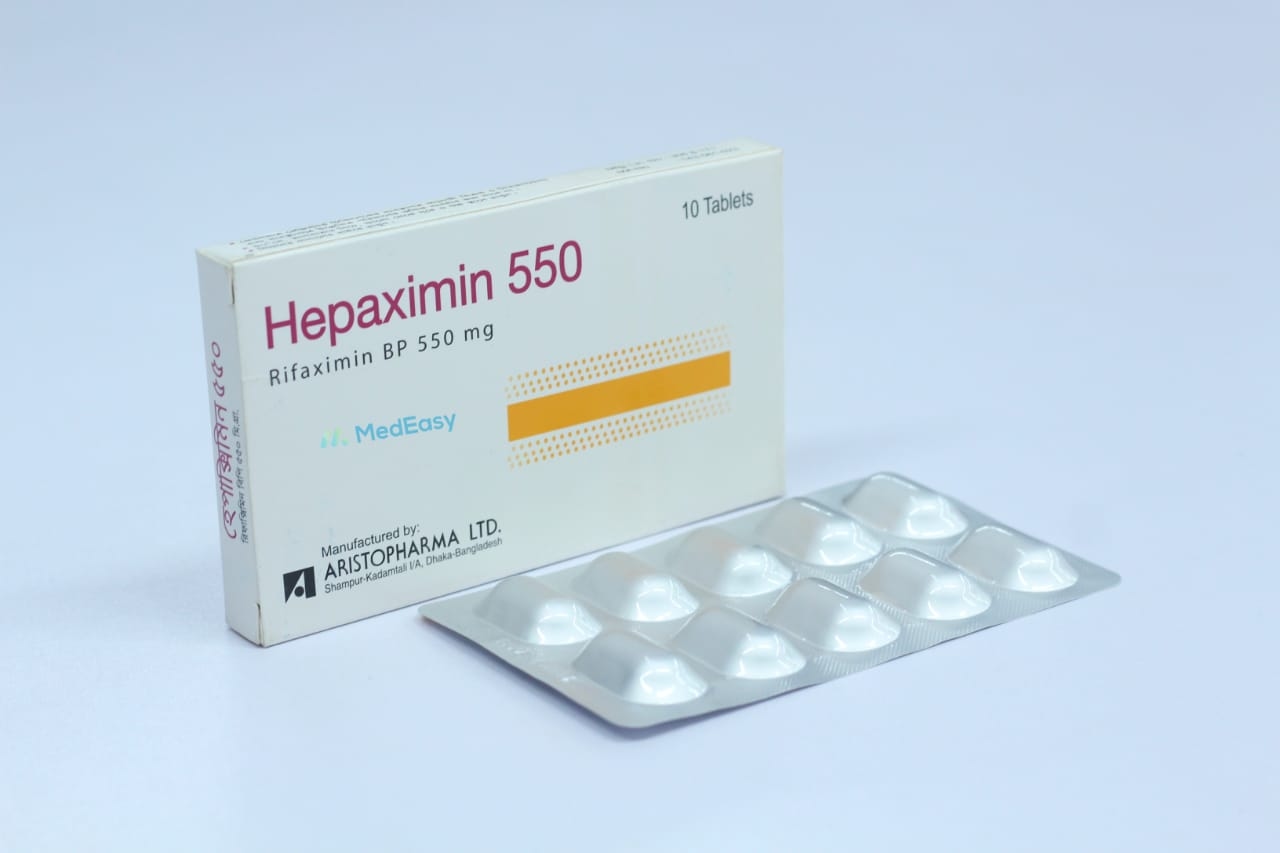
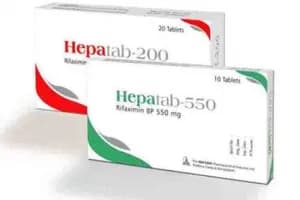
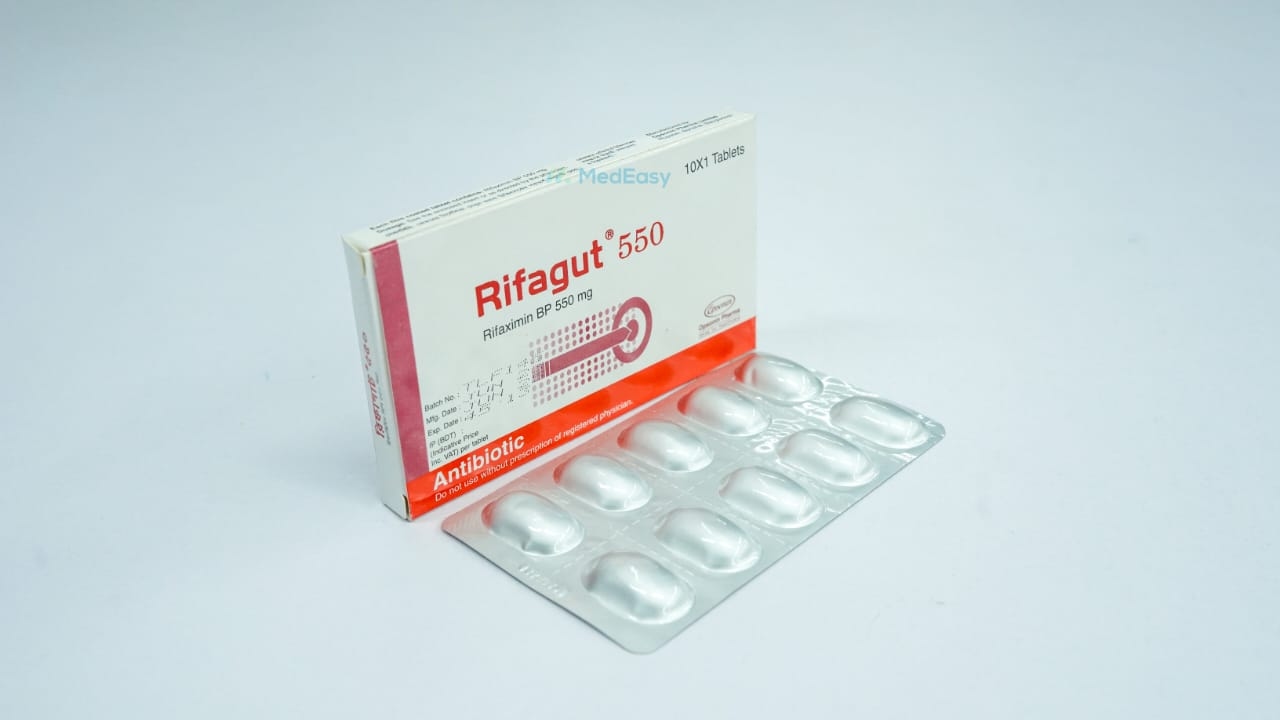
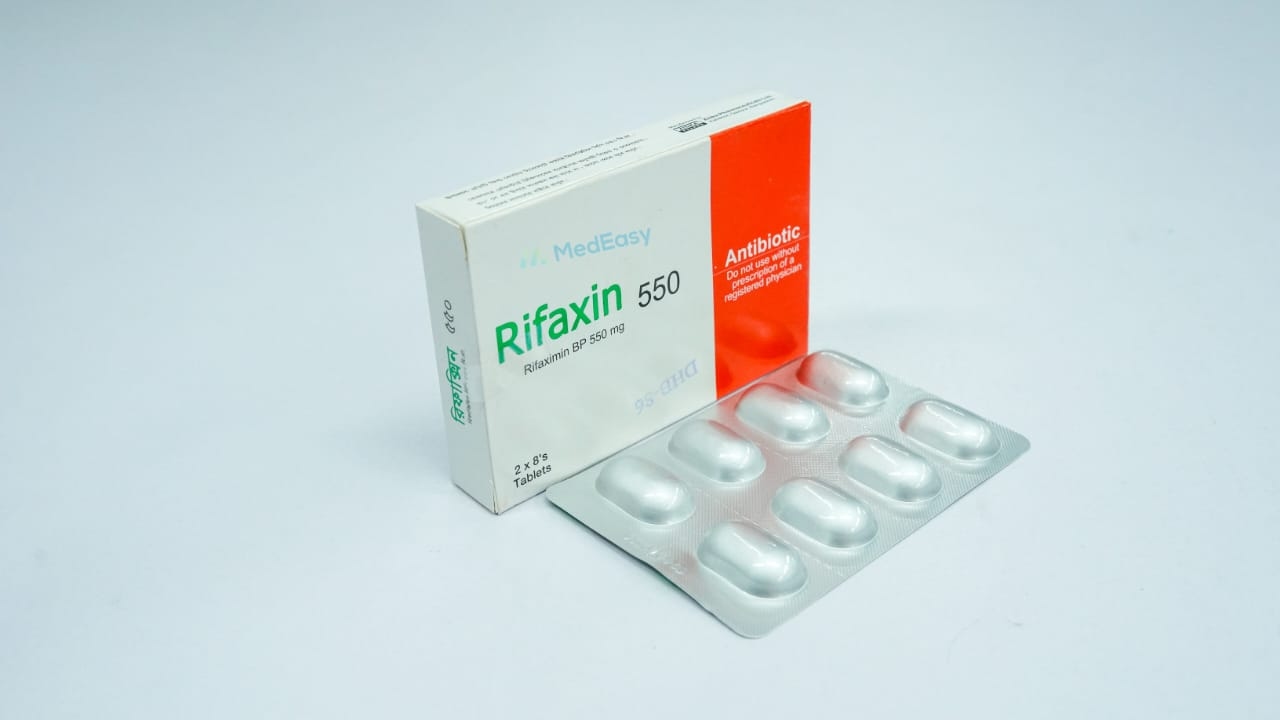
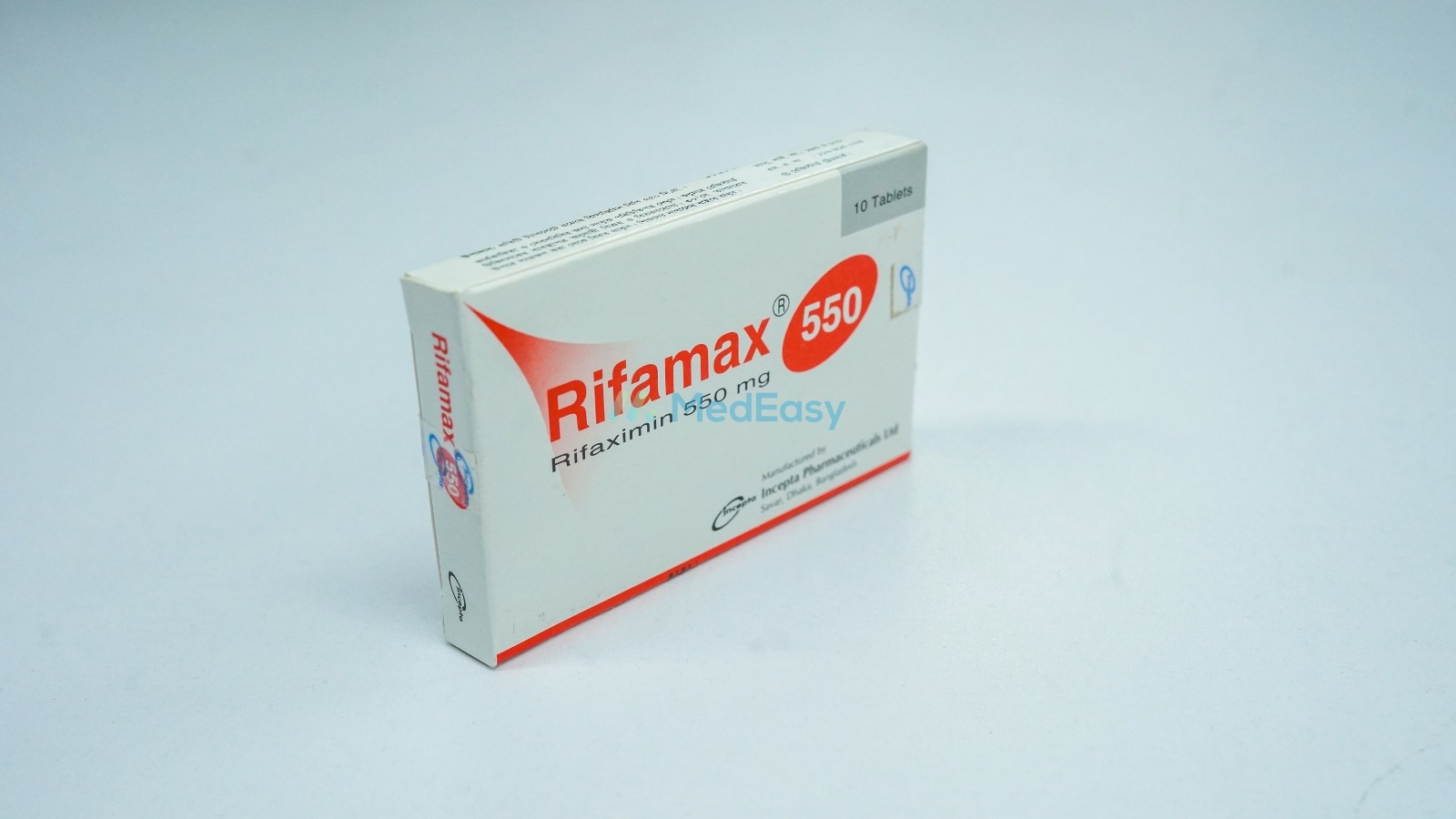
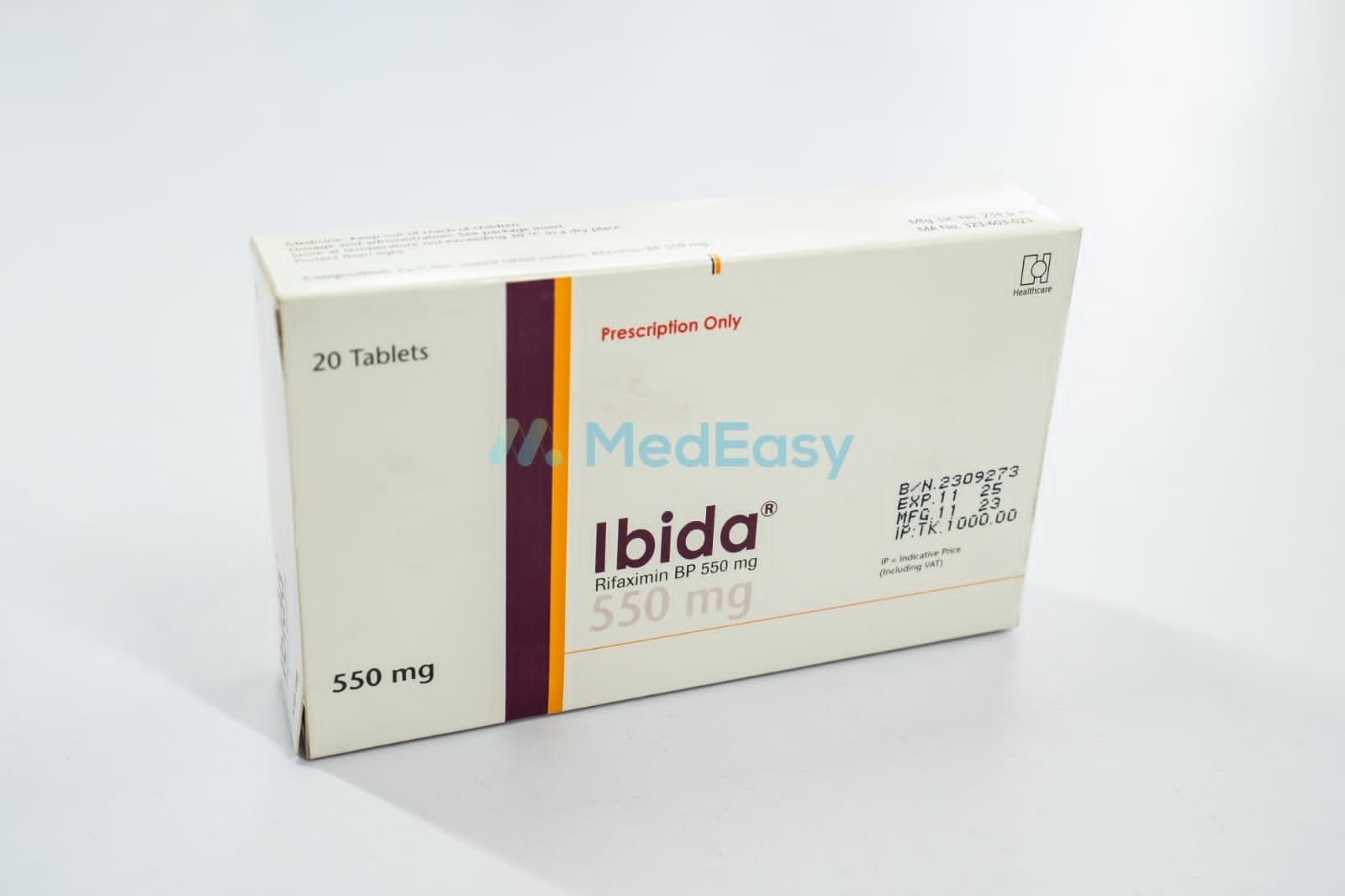
Hepatab 550 mg is indicaed in-
Treatment of traveler's diarrhea by noninvasive strains of E. coli
reduction in risk of overt hepatic encephalopathy
bacterial overgrowth of irritable bowel syndrome.
Theropeutic Class
4-Quinolone preparations
Pharmacology
Hepatab 550 mg is a non-systemic, rifamycin antibiotic which is structural analog of rifampin. Hepatab 550 mg acts by binding to the beta-subunit of bacterial DNA-dependent RNA polymerase resulting in inhibition of bacterial RNA synthesis.
Dosage & Administration of Hepatab 550 mg
For traveler's diarrhea (>12 years of age): The recommended dose of Hepatab 550 mg is 200 mg taken orally three times a day for 3 days. For hepatic encephalopathy (>18 years of age): The recommended dose of Hepatab 550 mg is 550 mg taken orally two times a day.Hepatab 550 mg can be administered orally, with or without food.
Dosage of Hepatab 550 mg
Traveler's Diarrhea: For patients ≥12 years of age: 200 mg 3 times daily for 3 days.Hepatic Encephalopathy: For patients ≥18 years of age: 550 mg 2 times daily.Bacterial overgrowth of irritable bowel syndrome: 400 mg 3 times daily for 10 days or 550 mg 3 times daily for 14 days. Can be taken with or without food
Interaction of Hepatab 550 mg
In an in vitro study has suggested that Hepatab 550 mg induces CYP3A4. However, in patients with normal liver function, Hepatab 550 mg at the recommended dosing regimen is not expected to induce CYP3A4.
Contraindications
Contraindicated in patients with a hypersensitivity to Hepatab 550 mg or to any of the rifamycin antimicrobial agents, or any components of this product
Side Effects of Hepatab 550 mg
Side effects include flatulence, headache, abdominal pain, rectal tenesmus, defecation urgency, nausea, constipation, pyrexia, vomiting. Reactions have been reported, including anaphylaxis, angioneurotic edema, and exfoliative dermatitis.
Pregnancy & Lactation
Pregnancy Category C. There are no adequate and well controlled studies in pregnant women. Based on animal data, Hepatab 550 mg may cause fetal harm. It should be used during pregnancy only if the potential benefit outweighs the probable risk to the fetus. Discontinue nursing or drug, taking into account the importance of the drug to the mother.
Precautions & Warnings
Hepatab 550 mg is not found to be effective in patients with diarrhea complicated by fever and/or blood in the stools. Hepatab 550 mg therapy should be discontinued if diarrhea symptoms get worse or persist for more than 24-48 hours and alternative antibiotic therapy should be considered. Pseudomembranous colitis has been reported with nearly all antibacterial agents and may range in severity from mild to life-threatening. Therefore, it is important to consider this diagnosis in patients who present with diarrhea subsequent to the administration of antibacterial agents.
Overdose Effects of Hepatab 550 mg
No specific information is available on the treatment of over dosage with Hepatab 550 mg. In case of over dosage, discontinue Hepatab 550 mg, treat symptomatically and institute supportive measures as required.
Storage Conditions
Keep below 30°C temperature, away from light & moisture. Keep out of the reach of children.
Drug Classes
4-Quinolone preparations
Mode Of Action
Hepatab 550 mg is a semisynthetic, rifamycin-based non-systemic antibiotic. Very little of the drug will pass the gastrointestinal wall into the circulation as is common for other types of orally administered antibiotics. Hepatab 550 mg inhibits bacterial RNA synthesis by its action on the beta-subunit of the DNA-dependent RNA polymerase. It shows the same broad spectrum activity as rifamycin which exerts bactericidal action against many species of Gram-positive and Gram-negative, aerobic and anaerobic bacteria.
Pregnancy
Pregnancy category C. It is not known whether Hepatab 550 mg is excreted in human milk or not.
Pediatric Uses
Renal Impairment: The pharmacokinetics of Hepatab 550 mg in patients with impaired renal function has not been studied.Hepatic Impairment: The systemic exposure of Hepatab 550 mg was markedly elevated in patients with hepatic impairment compared to healthy subjects.
Frequently Asked Questions
What is Hepatab 550 mg used for?
Hepatab 550 mg is indicaed in- Treatment of traveler's diarrhea by noninvasive strains of E. coli reduction in risk of overt hepatic encephalopathy bacterial overgrowth of irritable bowel syndrome.
What is the dosage of Hepatab 550 mg?
Traveler's Diarrhea: For patients ≥12 years of age: 200 mg 3 times daily for 3 days.Hepatic Encephalopathy: For patients ≥18 years of age: 550 mg 2 times daily.Bacterial overgrowth of irritable bowel syndrome: 400 mg 3 times daily for 10 days or 550 mg 3 times daily for 14 days. Can be taken with or without food
What are the side effects of Hepatab 550 mg?
Side effects include flatulence, headache, abdominal pain, rectal tenesmus, defecation urgency, nausea, constipation, pyrexia, vomiting. Reactions have been reported, including anaphylaxis, angioneurotic edema, and exfoliative dermatitis.
Who should not take Hepatab 550 mg?
Contraindicated in patients with a hypersensitivity to Hepatab 550 mg or to any of the rifamycin antimicrobial agents, or any components of this product
What precautions should be taken with Hepatab 550 mg?
Hepatab 550 mg is not found to be effective in patients with diarrhea complicated by fever and/or blood in the stools. Hepatab 550 mg therapy should be discontinued if diarrhea symptoms get worse or persist for more than 24-48 hours and alternative antibiotic therapy should be considered. Pseudomembranous colitis has been reported with nearly all antibacterial agents and may range in severity from…
Is Hepatab 550 mg safe during pregnancy and breastfeeding?
Pregnancy Category C. There are no adequate and well controlled studies in pregnant women. Based on animal data, Hepatab 550 mg may cause fetal harm. It should be used during pregnancy only if the potential benefit outweighs the probable risk to the fetus. Discontinue nursing or drug, taking into account the importance of the drug to the mother.
Disclaimer
The information provided is accurate to our best practices, but it does not replace professional medical advice. We cannot guarantee its completeness or accuracy. The absence of specific information about a drug should not be seen as an endorsement. We are not responsible for any consequences resulting from this information, so consult a healthcare professional for any concerns or questions.