10% Off
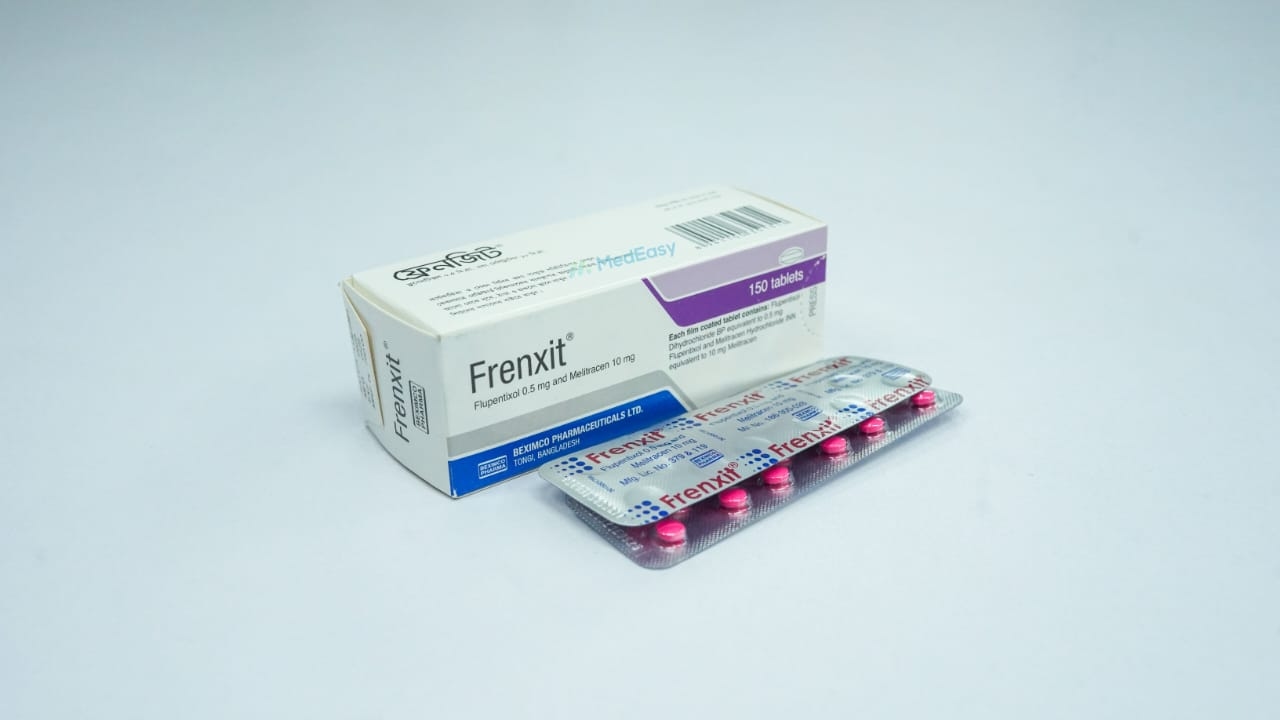
Frenxit0.5 mg+10
Beximco Pharmaceuticals Ltd.
৳67.50
Add to cart
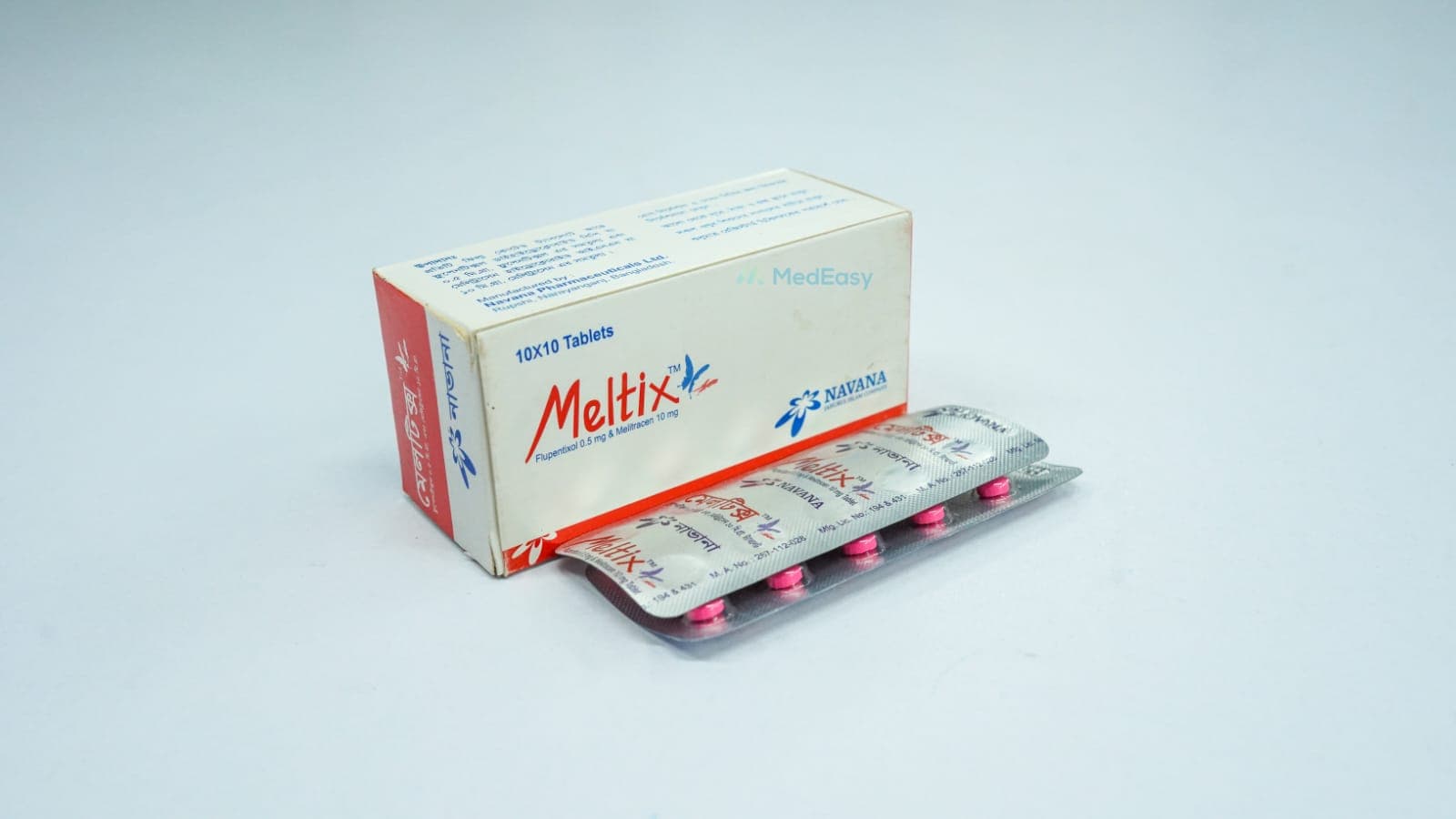

Meltix is used for the symptomatic treatment of mild-to-moderate depressive and anxiety states, particularly conditions with mixed anxiety-depressive features, including psychogenic depression, depressive neurosis, masked depression, and asthenia (marked lack of energy and motivation). Meltix is also used for psychosomatic conditions accompanied by anxiety and for menopausal-related depressive symptoms.
Meltix has also been used as an adjunct for dysphoria and low mood occurring in patients recovering from alcohol or other substance use disorders, under specialist supervision.
Meltix is not a treatment for severe major depression, psychotic depression, or schizophrenia as a primary agent, and it is not recommended for excitable, agitated, or overactive patients (see Contraindications). It is not indicated for use in children or adolescents.
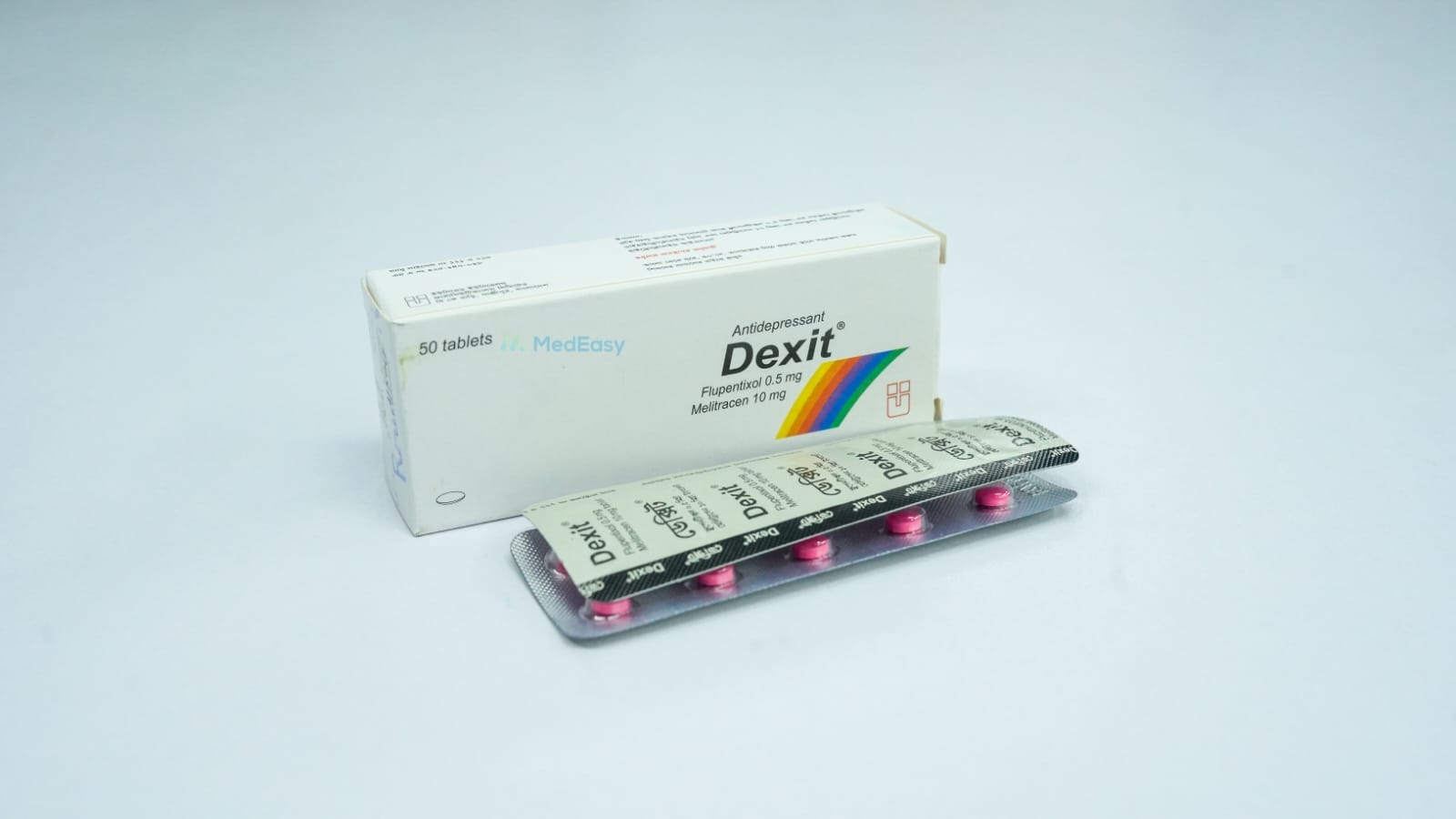
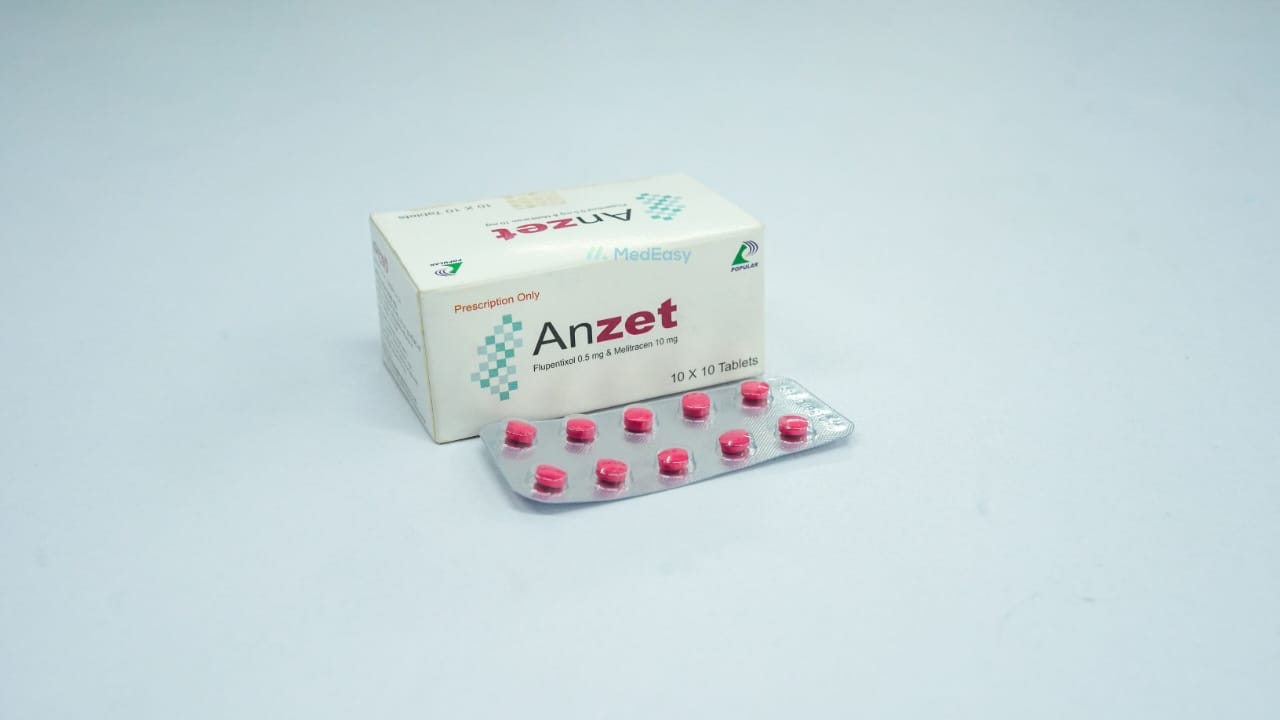
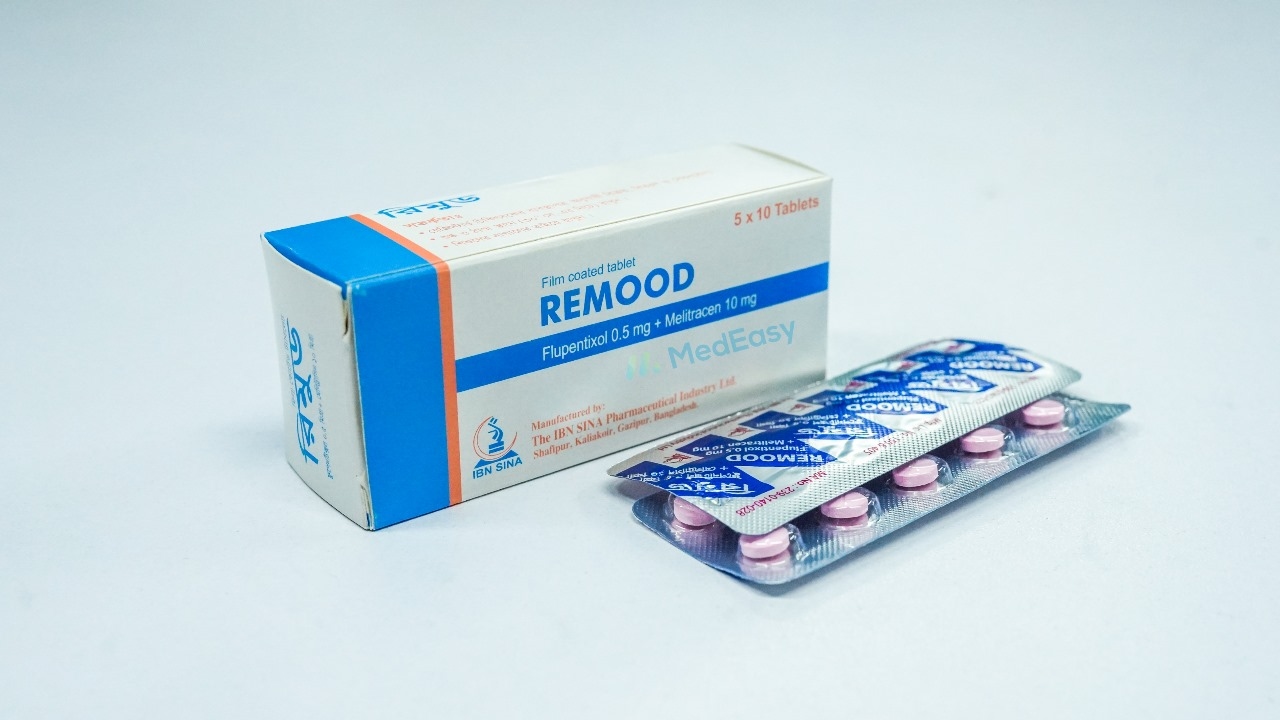
Flupentixol + Melitracen is available as a film-coated oral tablet combining two active ingredients in a fixed low-dose ratio: flupentixol (as flupentixol dihydrochloride, commonly 0.5 mg per tablet) and melitracen (as melitracen hydrochloride, commonly 10 mg per tablet). This fixed low-dose combination is formulated specifically for mild-to-moderate depressive and anxiety states rather than for use as a standalone antipsychotic or standalone antidepressant at higher doses.
Meltix is a fixed-dose combination product pairing a low dose of flupentixol, a thioxanthene-derivative antipsychotic that produces mood-elevating and anxiolytic effects at low doses, with melitracen, a tricyclic antidepressant with an activating profile. Together, Meltix provides combined antidepressant, anxiolytic (anti-anxiety), and mildly activating effects, and is used for the short-to-medium term symptomatic relief of mild-to-moderate depression, anxiety, and asthenia, particularly when anxiety and depressive symptoms occur together. Meltix is taken by mouth and is not an antibiotic or antimicrobial agent.
Fixed-dose combination of a thioxanthene antipsychotic (flupentixol) and a tricyclic antidepressant (melitracen); classified as a combination antidepressant-anxiolytic product. Meltix is not classified as an antibiotic.
Mechanism: Flupentixol + Melitracen combines two agents with complementary central nervous system actions. Flupentixol, at the low doses used in Flupentixol + Melitracen, predominantly blocks presynaptic dopamine autoreceptors, which is thought to increase dopaminergic and noradrenergic neurotransmission and produce mood-elevating, activating, and anxiolytic effects rather than the antipsychotic (postsynaptic D2-blocking) effects seen at higher antipsychotic doses. Melitracen, a dibenzocycloheptadiene tricyclic antidepressant, inhibits presynaptic reuptake of noradrenaline and, to a lesser extent, serotonin, increasing the availability of these neurotransmitters in the synaptic cleft, and also has some antihistaminic and anticholinergic activity. The combination in Flupentixol + Melitracen is intended to provide a rapid onset of anxiolytic and mood-elevating effect from flupentixol together with sustained antidepressant activity from melitracen.
Pharmacokinetics: Both components of Flupentixol + Melitracen are well absorbed after oral administration, with peak plasma concentrations reached in approximately 3-8 hours. Flupentixol has an elimination half-life of approximately 35 hours, while melitracen has an elimination half-life of approximately 19 hours; both undergo hepatic metabolism (flupentixol substantially via CYP2D6) with excretion mainly via bile/faeces and urine. The long half-lives support twice-daily dosing of Flupentixol + Melitracen.
Dosing of Meltix is individualized based on the severity of symptoms and the patient's age, and treatment is generally initiated at the lowest effective dose. See the table below for typical adult and elderly regimens.
| Population / Situation | Typical Regimen of Meltix |
|---|---|
| Adults (usual dose) | One tablet in the morning and one tablet at noon (a total of two tablets daily) |
| Adults (more severe symptoms) | The morning dose may be increased to two tablets, in addition to the usual noon tablet, under physician guidance |
| Maintenance / mild symptoms | One tablet in the morning may be sufficient once symptoms have improved |
| Elderly patients (over 65 years) | One tablet in the morning; maintenance is typically one tablet daily |
| Children and adolescents | Not recommended; safety and efficacy have not been established (see Pediatric Uses) |
| Hepatic impairment | Meltix is contraindicated in severe hepatic impairment; use with caution and reduced dose in milder impairment (see Use in Special Populations) |
Meltix should generally not be continued for more than a few months without medical reassessment, and any previous sedative tranquilizer should be withdrawn gradually rather than stopped abruptly when starting Meltix (see Precautions and Warnings).
Flupentixol + Melitracen is contraindicated in patients with:
Meltix should be used during pregnancy only if clearly needed and the potential benefit to the mother justifies the potential risk to the fetus, and only under close physician supervision; human safety data specific to this fixed-dose combination are limited. If a related antipsychotic or tricyclic antidepressant is used in the third trimester, neonates may be at risk of extrapyramidal and/or withdrawal symptoms after birth (including agitation, feeding difficulty, tremor, or respiratory distress), and gradual discontinuation before delivery is generally advised where feasible, under medical guidance. Meltix should not be stopped abruptly without consulting a physician.
Both components of Meltix pass into breast milk. Breastfeeding is generally not recommended during treatment with Meltix unless a physician determines the benefit outweighs the potential risk to the infant, in which case the infant should be monitored closely for sedation, poor feeding, or irritability.
Overdose of Meltix is dominated by the effects of the tricyclic (melitracen) component and can include anticholinergic features such as dilated pupils, dry mouth, rapid heartbeat, urinary retention, and reduced bowel motility, along with confusion, agitation, hallucinations, tremor, seizures, cardiac arrhythmia, and, in severe cases, respiratory depression and cardiovascular collapse. Overdose of Meltix is a medical emergency. If overdose is suspected, seek immediate emergency medical attention or contact a poison control center right away; do not attempt to manage a suspected overdose of Meltix at home. Treatment is supportive and provided in a hospital setting, typically including gastric decontamination if presenting early, continuous cardiac monitoring, and management of seizures, arrhythmia, or blood pressure changes as directed by treating physicians.
Store at room temperature (below 30°C), away from light and moisture. Keep out of reach of children.
The duration of treatment with Meltix is individualized by the prescribing physician based on symptom severity and response, and is typically intended for short-to-medium term symptomatic relief rather than indefinite use. Improvement in anxiety and low mood may be noticed within the first one to two weeks, but treatment is often continued for several weeks to a few months to consolidate response, with periodic medical reassessment of continued need. Meltix should not be continued for prolonged periods without review, and when treatment is stopped, the dose should be reduced gradually rather than discontinued abruptly (see Precautions and Warnings).
Thioxanthene antipsychotic (flupentixol) combined with a tricyclic antidepressant (melitracen); fixed-dose antidepressant-anxiolytic combination
Flupentixol + Melitracen combines flupentixol, which at the low doses in this combination is believed to act mainly by blocking presynaptic dopamine D2 autoreceptors and enhancing dopaminergic and noradrenergic transmission (producing mood-elevating, anxiolytic, and mildly activating effects rather than classical antipsychotic effects), with melitracen, a tricyclic antidepressant that inhibits presynaptic reuptake of noradrenaline and, to a lesser degree, serotonin, thereby increasing synaptic availability of these neurotransmitters. The combined action of Flupentixol + Melitracen is intended to produce a relatively fast-acting anxiolytic/mood-elevating effect together with sustained antidepressant benefit over the following weeks.
Meltix is not recommended for use in children and adolescents because safety and efficacy have not been established in this population, and clinical data in pediatric patients are lacking. Meltix should not be prescribed to patients under 18 years of age outside of specialist guidance, and alternative, better-studied treatments should be considered for depressive or anxiety symptoms in this age group. If a young person is already being treated with an antidepressant-containing medicine, caregivers should be aware of the increased risk of suicidal thinking and behavior in children, adolescents, and young adults, and should seek prompt medical attention for any worsening mood or unusual behavior change (see Precautions and Warnings).
Q: What is Meltix 0.5 mg+10 mg Tablet used for?
A: Meltix 0.5 mg+10 mg Tablet is used for the short-to-medium term symptomatic relief of mild-to-moderate depression, anxiety, and asthenia (lack of energy and motivation), particularly when anxiety and depressive symptoms occur together, such as in psychogenic depression, depressive neurosis, masked depression, or psychosomatic conditions with anxiety.
Q: How is Meltix 0.5 mg+10 mg Tablet usually taken?
A: Meltix 0.5 mg+10 mg Tablet is usually taken as one tablet in the morning and one tablet at noon. In more severe cases the morning dose may be increased to two tablets under a physician's guidance, while elderly patients and those on maintenance therapy typically take just one tablet in the morning. Always follow the exact dose and schedule prescribed for you.
Q: Can I stop taking Meltix 0.5 mg+10 mg Tablet suddenly once I feel better?
A: No. Meltix 0.5 mg+10 mg Tablet should not be stopped abruptly after regular use. Your doctor will advise on gradually reducing the dose, because sudden discontinuation can cause discontinuation symptoms and symptoms being treated may return.
Q: Is Meltix 0.5 mg+10 mg Tablet safe during pregnancy or breastfeeding?
A: Meltix 0.5 mg+10 mg Tablet should be used in pregnancy only if a physician determines the potential benefit clearly outweighs the potential risk to the fetus, since specific human safety data for this combination are limited, and antipsychotic/tricyclic exposure late in pregnancy may affect the newborn. Both components of Meltix 0.5 mg+10 mg Tablet pass into breast milk, so breastfeeding during treatment is generally not recommended unless a physician advises otherwise with close infant monitoring.
Q: Can Meltix 0.5 mg+10 mg Tablet be taken with other medicines like MAOIs or sedatives?
A: Meltix 0.5 mg+10 mg Tablet must not be taken together with monoamine oxidase inhibitors (MAOIs), or within 14 days of stopping one, due to the risk of a hypertensive crisis or serotonin syndrome. Combining Meltix 0.5 mg+10 mg Tablet with alcohol, sedatives, or other CNS depressants can increase drowsiness and impaired coordination. Always tell your doctor about all medicines you are taking before starting Meltix 0.5 mg+10 mg Tablet.
Q: What should I do if someone takes too much Meltix 0.5 mg+10 mg Tablet?
A: An overdose of Meltix 0.5 mg+10 mg Tablet is a medical emergency and can cause symptoms such as rapid heartbeat, confusion, agitation, seizures, and dangerous heart rhythm changes. Seek immediate emergency medical attention or contact a poison control center right away rather than trying to manage it at home.
Disclaimer
The information provided is accurate to the best of our knowledge, but it does not replace professional medical advice. We cannot guarantee its completeness or accuracy, and the absence of specific information about a drug should not be taken as an endorsement. We are not responsible for any consequences arising from this information, so please consult a healthcare professional for any concerns or questions.