10% Off
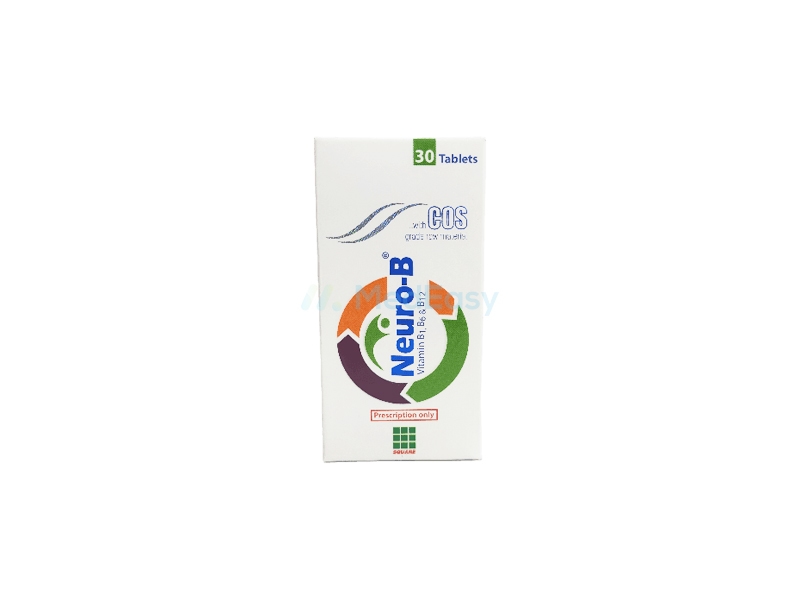
Neuro-B
Square Pharmaceuticals PLC.
৳270.00
Add to cart

Note: Myelin does not replace prescription therapy for pain or nerve disease and should be used as directed by a physician as part of a broader treatment plan.
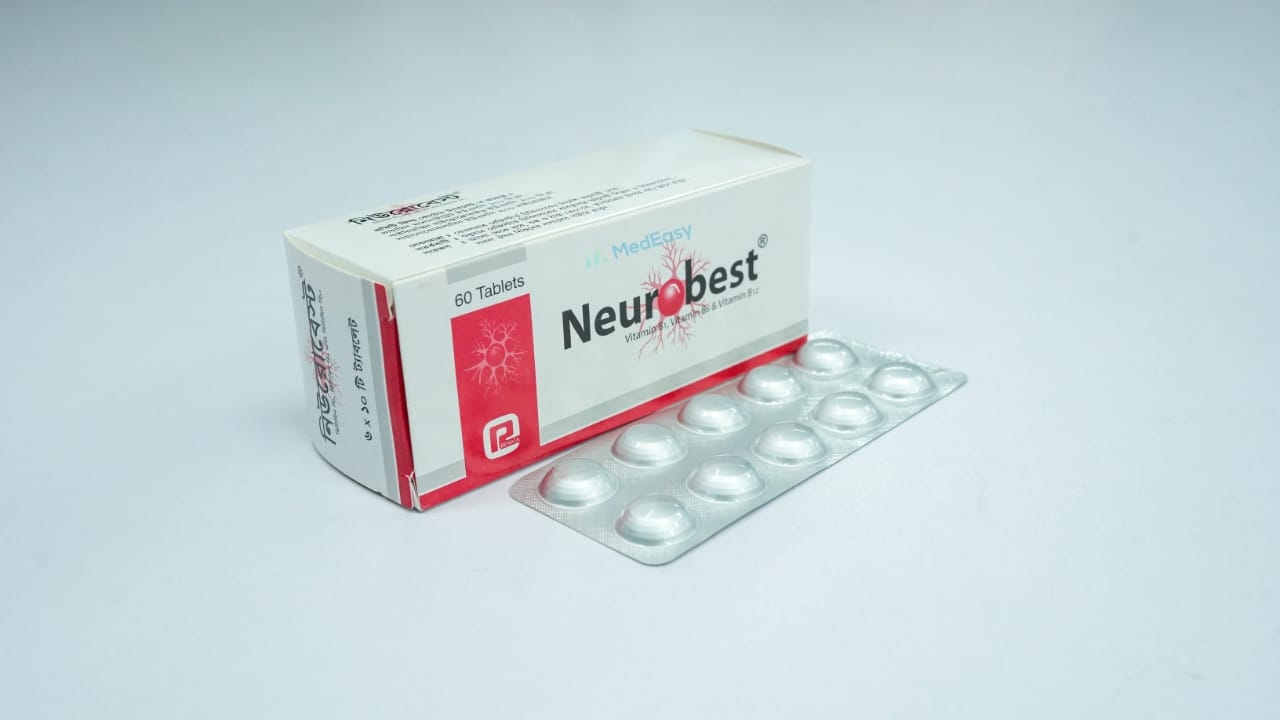
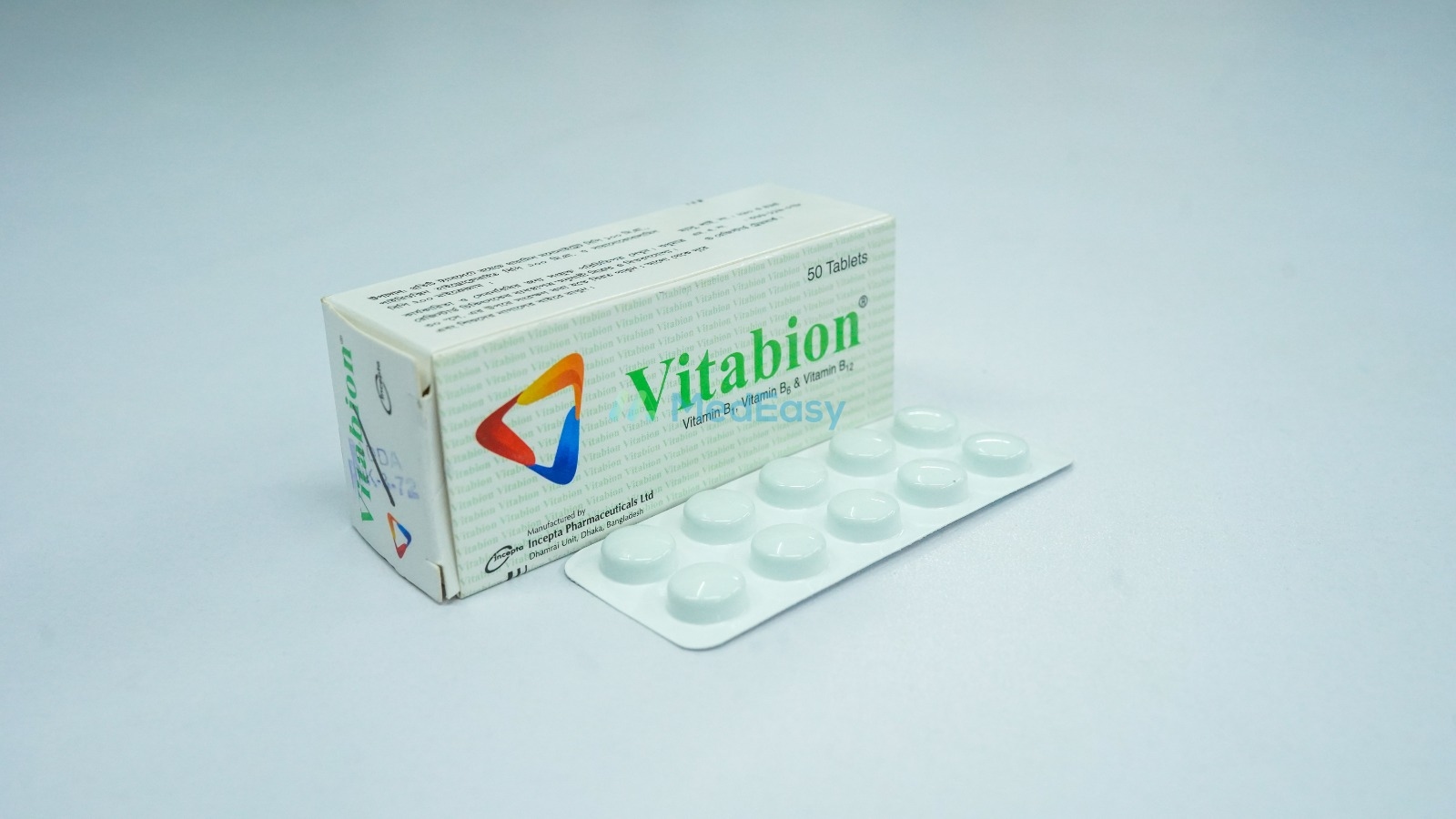
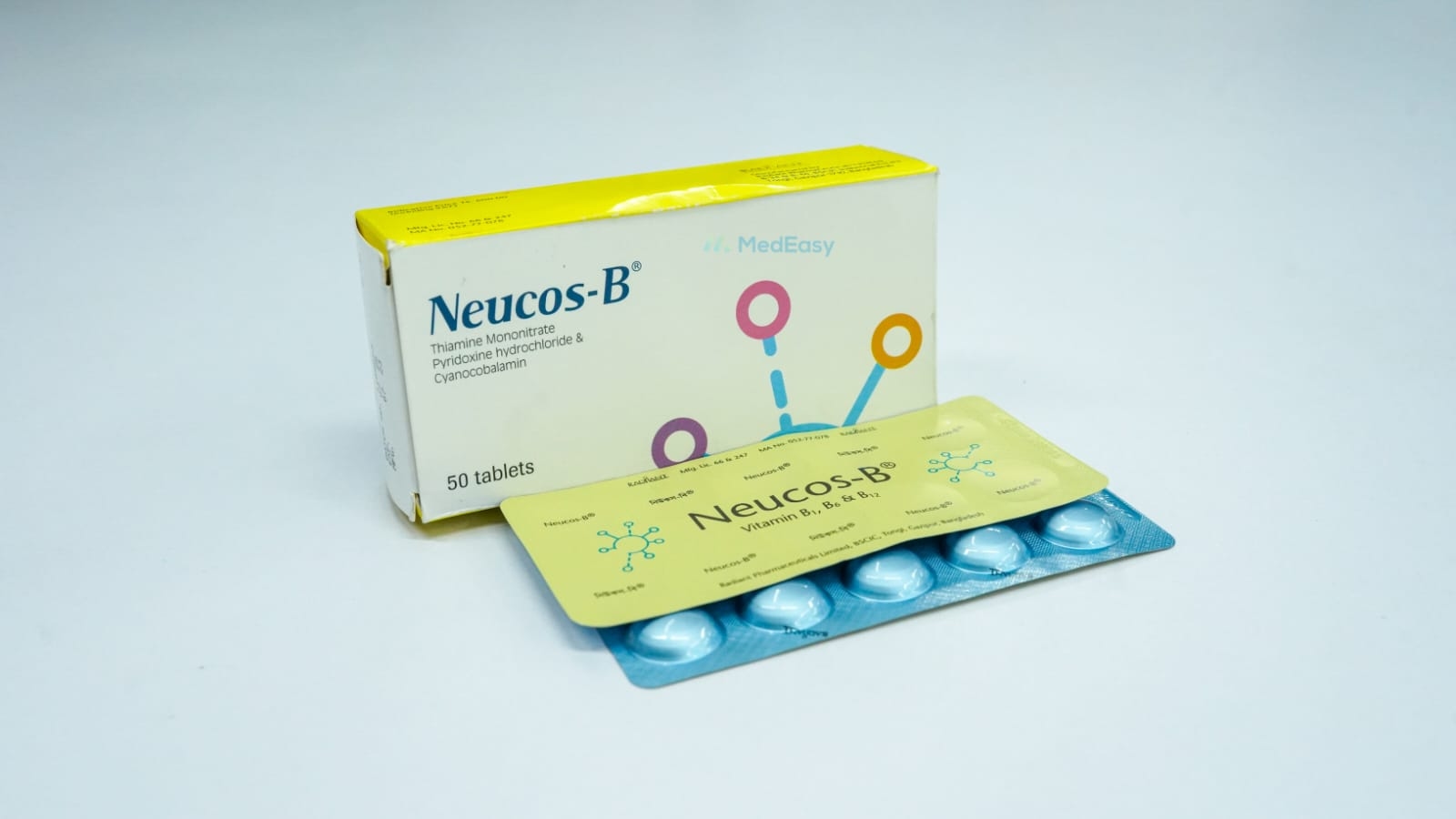
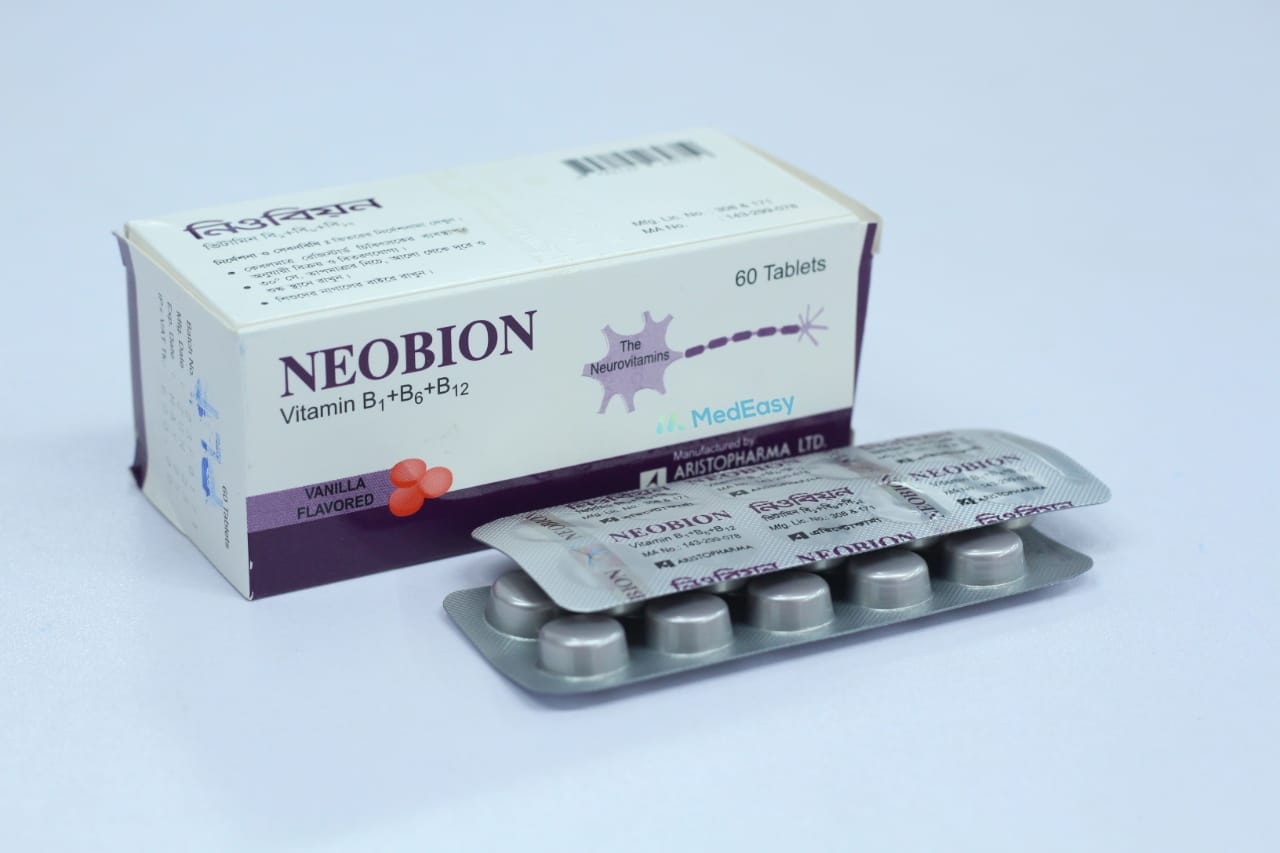
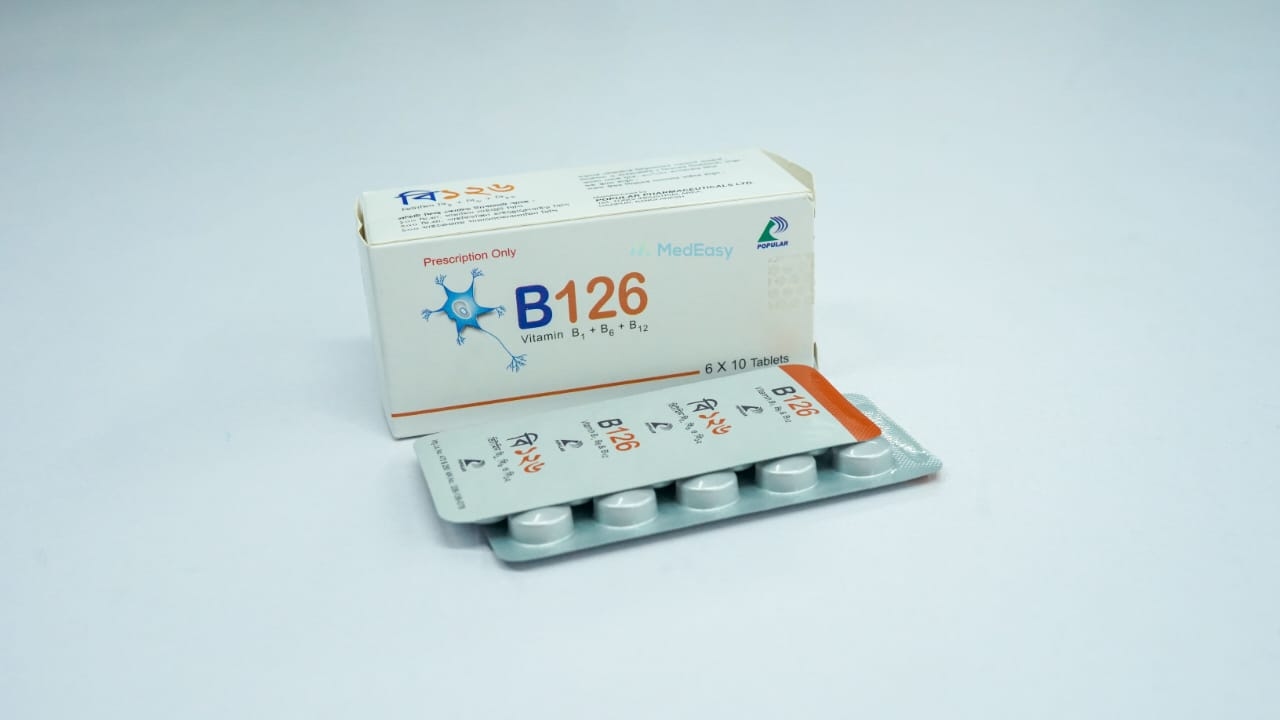
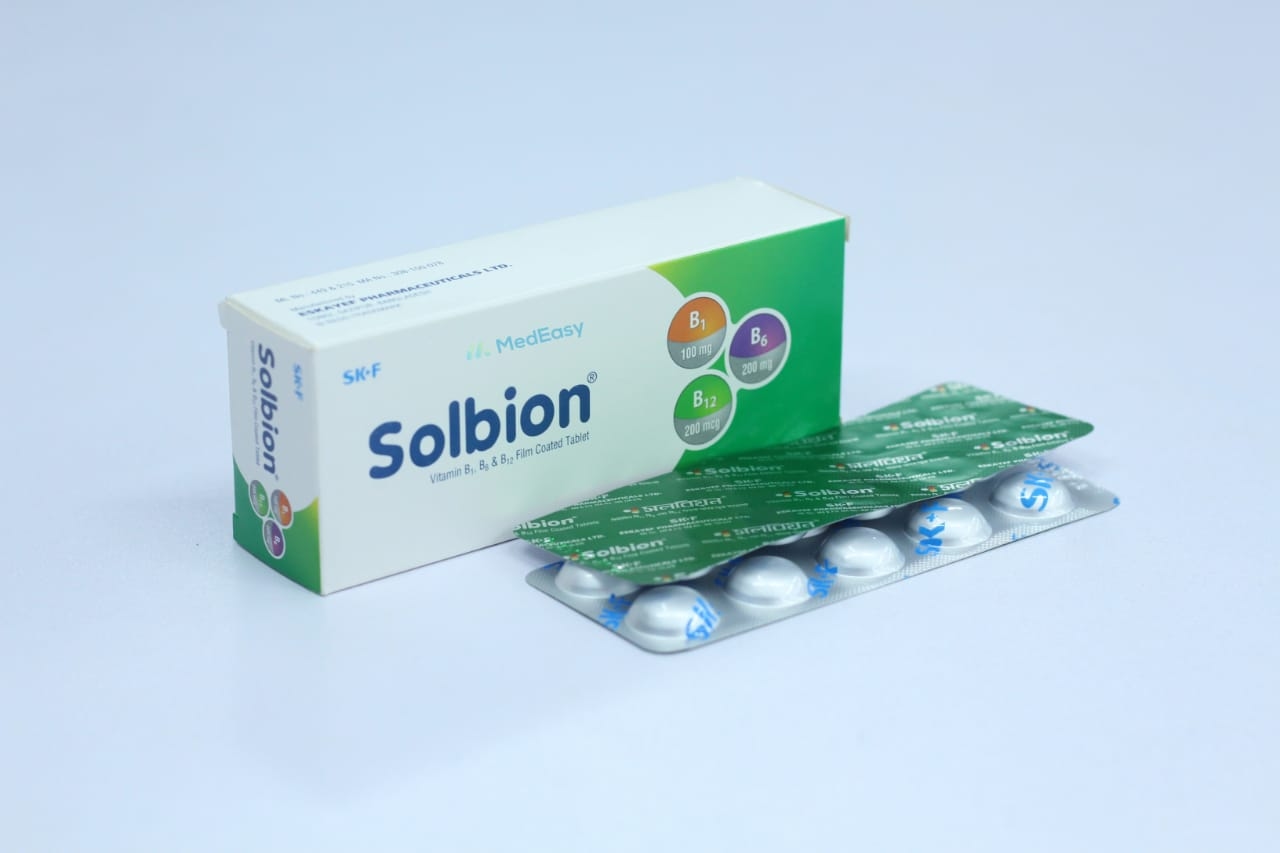
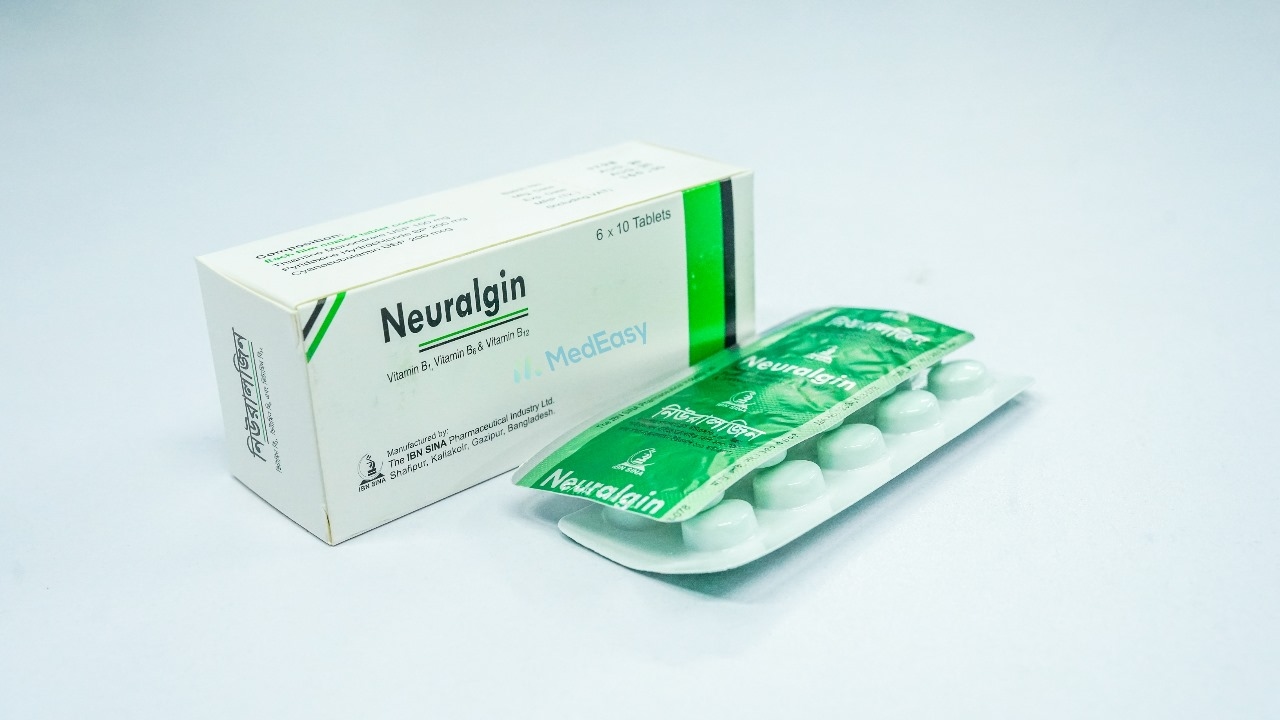
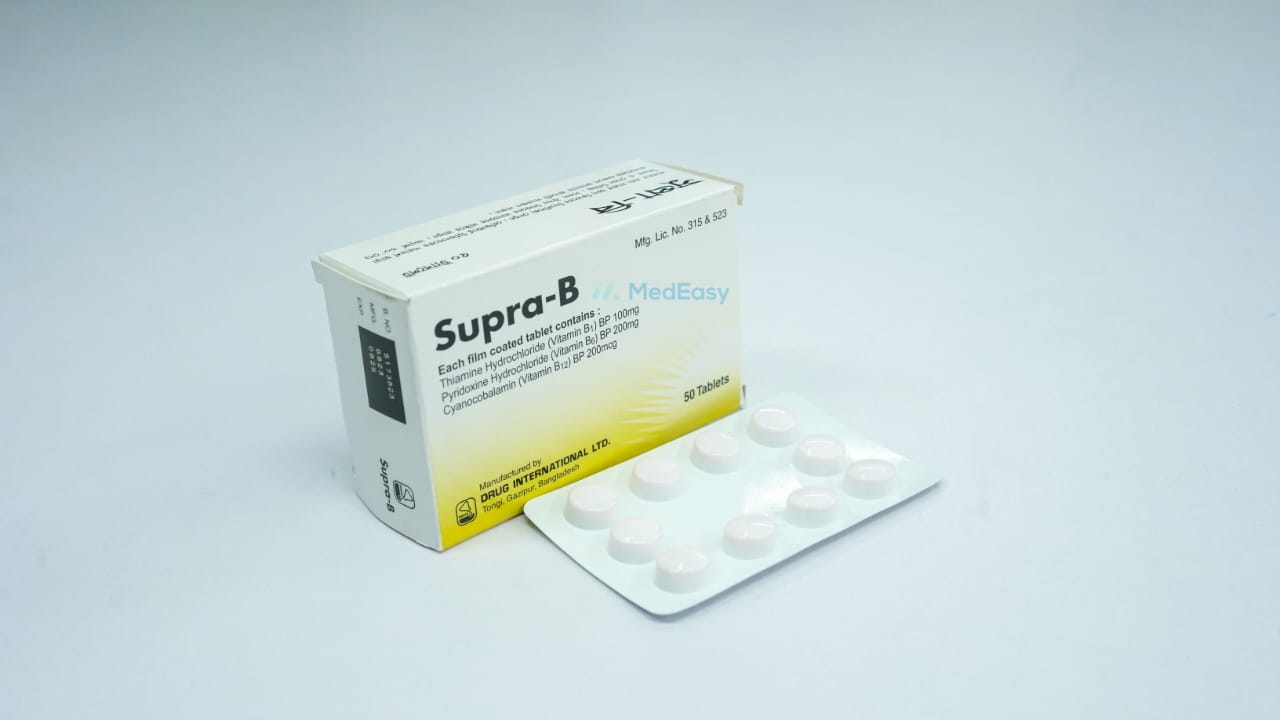
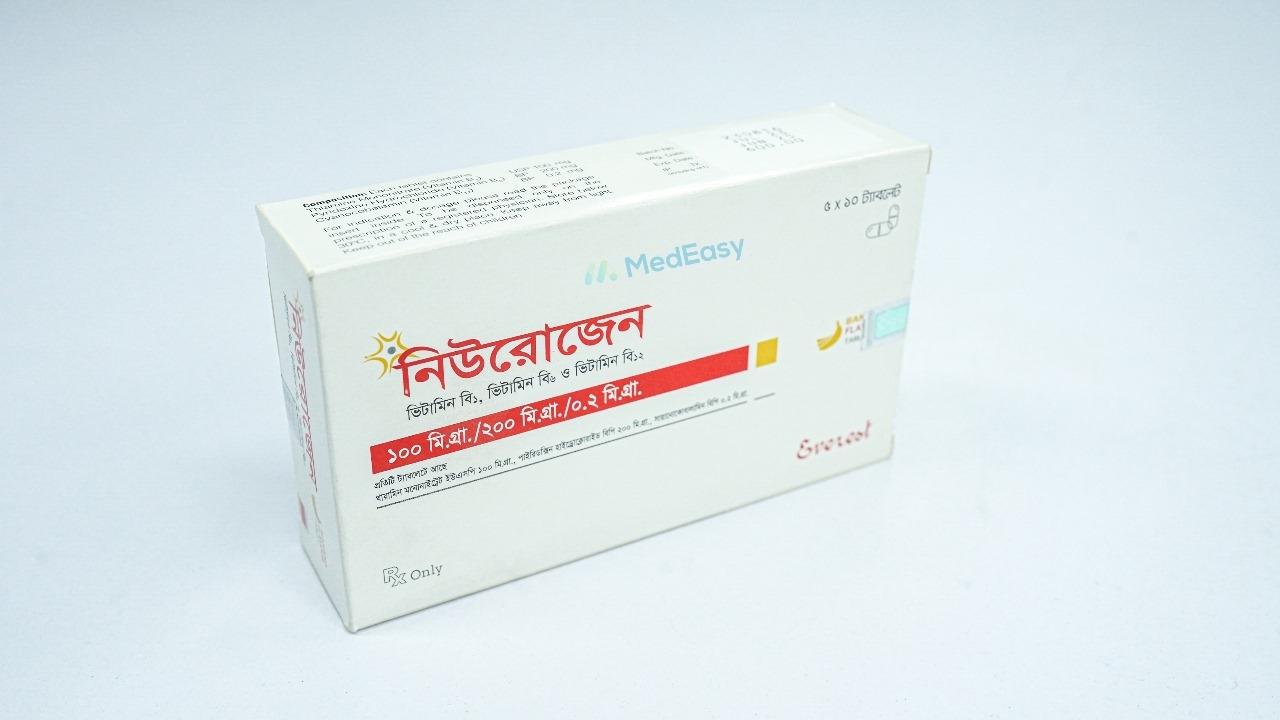
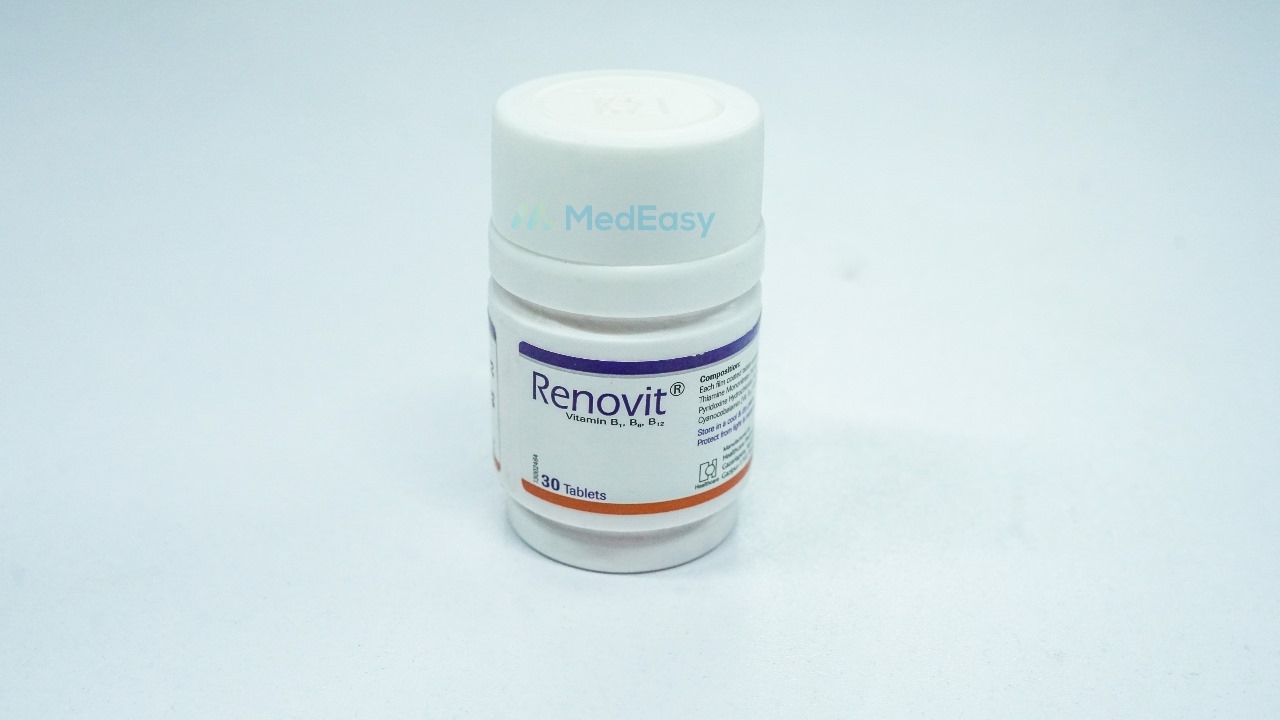
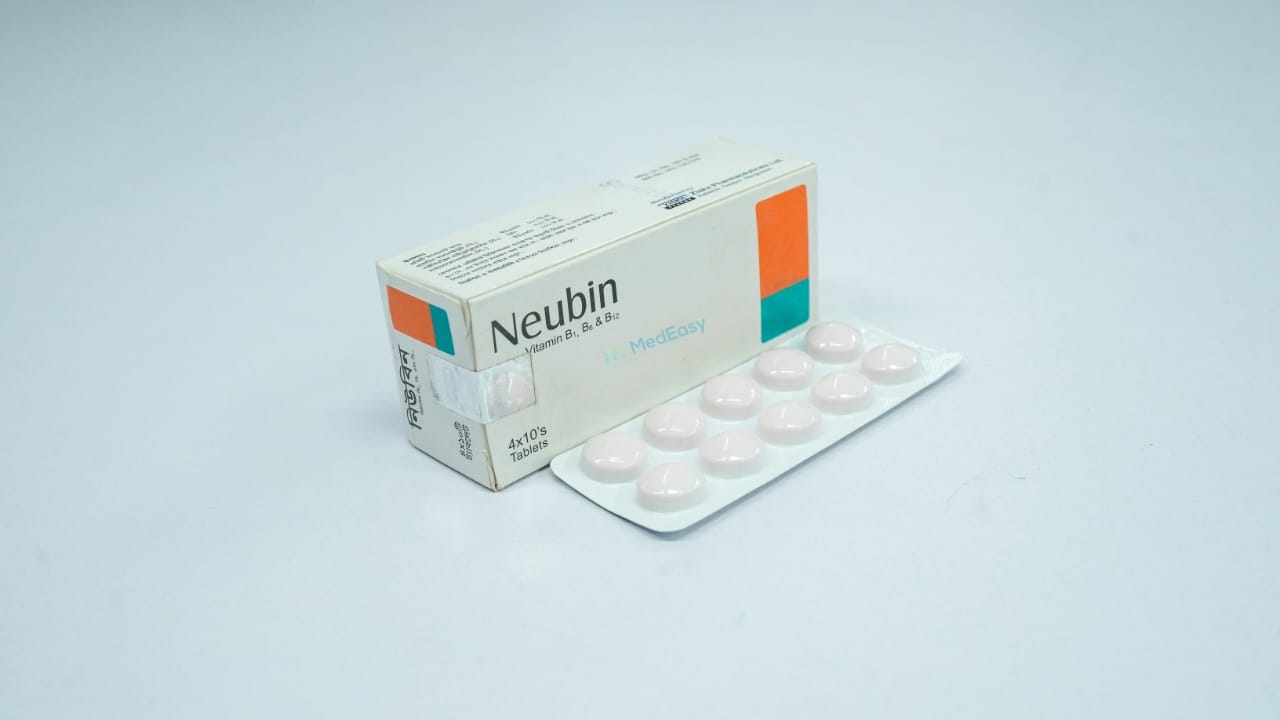
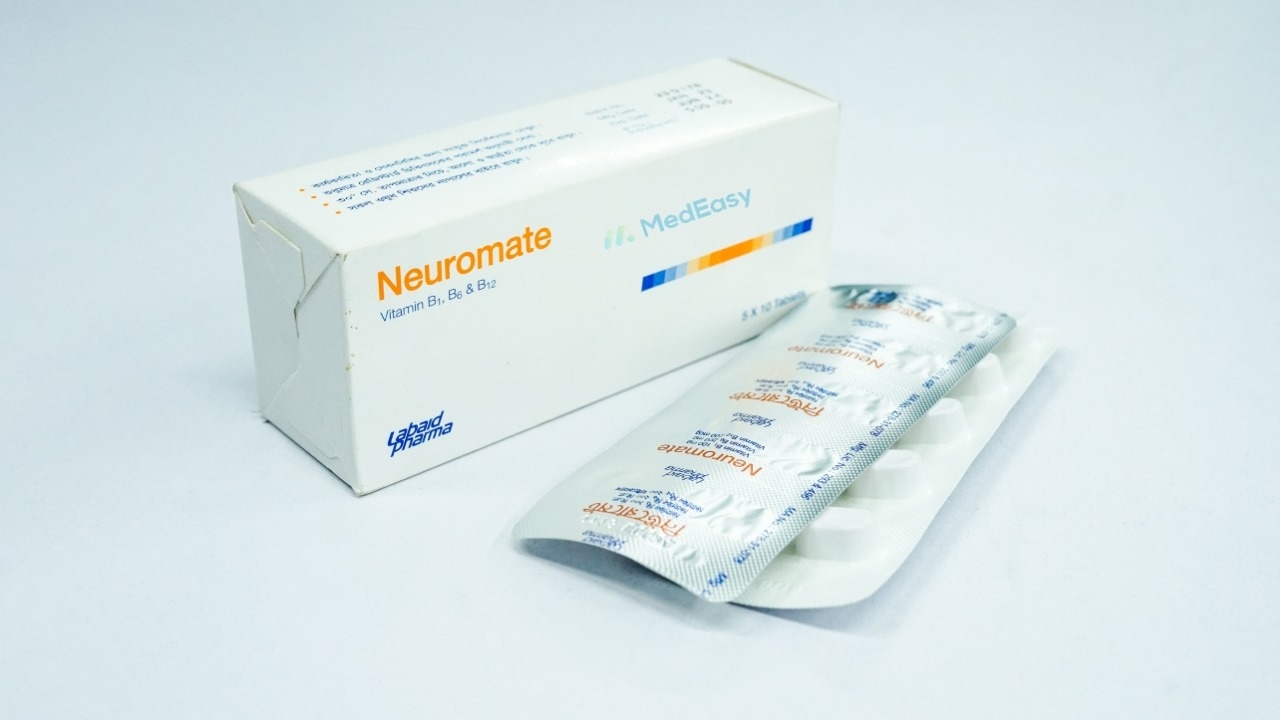
Vitamin B1 + B6 + B12 is a fixed combination of three neurotropic B-vitamins, typically supplied as:
Vitamin B1 + B6 + B12 is available in oral (tablet/capsule) and, in some markets, injectable dosage forms; exact strengths vary by brand and formulation.
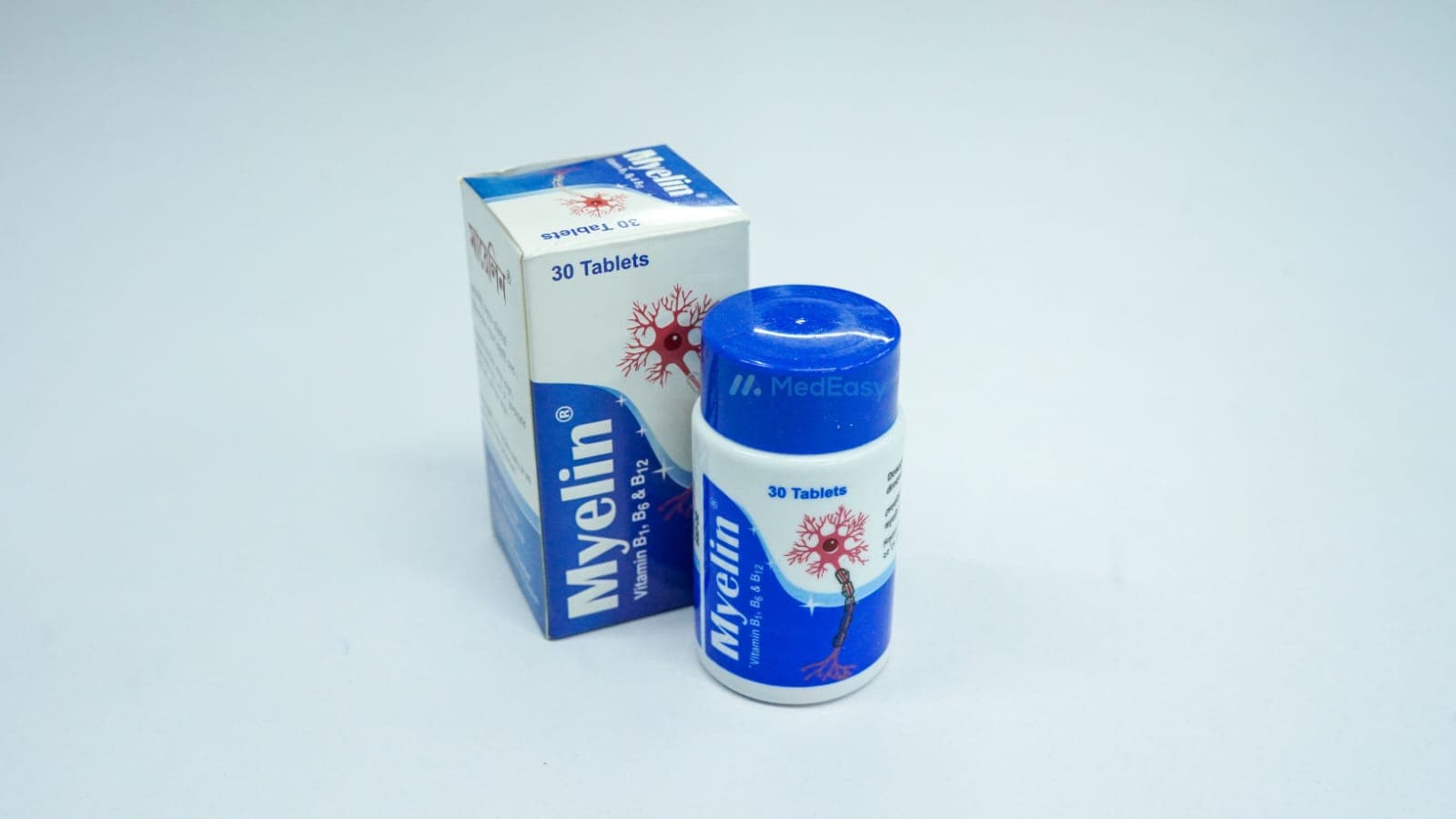
Myelin is a combination of three essential B-group vitamins that work together to support normal nervous system function, energy metabolism, and red blood cell formation. Thiamine (B1), pyridoxine (B6), and cobalamin (B12) are each individually essential nutrients, and the combination is formulated to provide neurotropic support that is greater than any single vitamin alone, particularly for nerve-related symptoms.
Myelin is commonly used both to correct or prevent deficiency of these vitamins and, at appropriate doses, as adjunct therapy for symptoms of peripheral nerve irritation or damage (neuropathy, neuritis, neuralgia) arising from various causes, including diabetes, chronic alcohol use, and nutritional deficiency.
Vitamin B1 + B6 + B12 combines three B-vitamins with complementary neurological and metabolic roles:
Together, the components of Vitamin B1 + B6 + B12 are proposed to have synergistic neurotropic and analgesic-adjunct effects on damaged or irritated peripheral nerves, supporting nerve repair and reducing neuropathic symptoms, in addition to correcting any underlying deficiency.
| Indication | Typical Dose |
|---|---|
| Vitamin B1/B6/B12 deficiency (maintenance/prevention) | 1 tablet/capsule once daily, or as advised by the physician |
| Peripheral neuropathy, neuritis, neuralgia (adjunct) | 1-3 tablets/capsules daily in divided doses, or as advised by the physician; where an injectable form is used, typically one intramuscular injection daily for acute symptoms until improvement, then reduced to 2-3 times weekly, under medical supervision |
Not routinely used in children except for confirmed deficiency states; if used, dosing must be individualized and supervised by a physician (see Use in Special Populations).
No well-established dose adjustment is required for standard oral doses of Myelin in mild-to-moderate renal or hepatic impairment; however, patients with significant renal impairment may be at higher risk of B6-related accumulation with prolonged high-dose use, so medical supervision is advised.
Myelin tablets/capsules are usually taken orally, with or after food, to reduce the chance of stomach upset. Injectable forms (where used) must be administered by a healthcare professional. Always take exactly as directed by the physician and do not exceed the recommended dose or duration without medical advice.
Oral Myelin tablets/capsules should be swallowed whole with water, preferably with or after a meal. If an injectable form of Myelin is prescribed, it must only be given intramuscularly by a qualified healthcare professional. Do not alter the dose, frequency, or duration without consulting the physician.
No other clinically significant drug interactions are well established for Myelin at standard doses.
Vitamin B1 + B6 + B12 is contraindicated in patients with known hypersensitivity to thiamine, pyridoxine, cyanocobalamin, cobalt, or any other component of the formulation.
Myelin is generally well tolerated at recommended doses. Reported adverse effects are usually mild and include:
Peripheral sensory neuropathy has been reported with prolonged, high-dose pyridoxine (vitamin B6) use above recommended doses (see Precautions and Warnings).
At standard recommended doses, the individual B-vitamins in Myelin are generally considered acceptable for use during pregnancy and lactation, as they are also present in prenatal multivitamins. However, Myelin should be used during pregnancy and breastfeeding only if clearly needed and as directed by a physician, since doses above nutritional requirements have not been fully evaluated for safety in pregnancy. Injectable forms containing benzyl alcohol as a preservative are generally not recommended during pregnancy and lactation; oral forms are preferred if supplementation is needed. Consult a physician before use.
Significant toxicity from standard oral doses of Myelin is uncommon. Very high, prolonged doses of pyridoxine (B6) may cause peripheral sensory neuropathy. In case of a suspected overdose or accidental ingestion of a large amount of Myelin, seek immediate medical attention or contact a poison control center; treatment is generally supportive and symptomatic. Do not attempt to manage a suspected overdose at home without medical guidance.
Store at room temperature (below 30°C), away from light and moisture. Keep out of reach of children.
Pediatric patients: Myelin is not routinely used in children except for confirmed vitamin deficiency states; safety and efficacy of high-dose neuropathy-support regimens have not been established in children, and use should be individualized and supervised by a physician.
Elderly patients: No specific dose adjustment is generally required, but elderly patients may have a higher prevalence of B12 deficiency and should be evaluated appropriately; use standard doses as directed by a physician.
Renal/hepatic impairment: See Dosage and Administration; no well-established dose adjustment is required for standard oral doses, but medical supervision is advised with prolonged high-dose use.
Duration of treatment with Myelin depends on the indication: short courses may be used to correct mild deficiency, while adjunct therapy for peripheral neuropathy or neuralgia symptoms may continue for several weeks under medical supervision. Prolonged high-dose use, particularly beyond the duration recommended by the physician, should be avoided due to the risk of pyridoxine-associated peripheral neuropathy. Follow the physician's advice on how long to continue treatment.
Vitamin B-complex combination; Neurotropic vitamin supplement
Vitamin B1 + B6 + B12 works through the complementary actions of thiamine (energy metabolism and nerve conduction support), pyridoxine (amino acid metabolism and neurotransmitter synthesis), and cobalamin (myelin formation and red blood cell maturation), together supporting normal peripheral nerve function and helping correct or prevent deficiency-related nerve and blood abnormalities.
Myelin is not commonly used in children except to treat or prevent a confirmed deficiency of vitamin B1, B6, or B12. Safety and efficacy for neuropathy/neuralgia symptom support have not been established in the pediatric population. If a physician determines that a child requires Myelin, dosing must be individualized based on age, weight, and clinical need, and use should be closely supervised.
Q: What is Myelin Tablet used for?
A: Myelin Tablet is used to treat and prevent deficiency of vitamins B1, B6, and B12, and as adjunct symptomatic support for nerve-related conditions such as peripheral neuropathy, neuritis, and neuralgia. It does not treat the underlying cause of nerve damage, which needs separate medical evaluation.
Q: Can I take Myelin Tablet every day?
A: Myelin Tablet is generally taken daily as directed by a physician, typically 1-3 tablets/capsules per day depending on the indication. Do not exceed the recommended dose or take it for longer than advised, since prolonged high-dose use (particularly of the B6 component) has rarely been associated with peripheral nerve symptoms.
Q: Is Myelin Tablet safe during pregnancy?
A: At standard recommended doses, Myelin Tablet is generally considered acceptable during pregnancy, similar to prenatal vitamins, but it should be used only if clearly needed and as directed by a physician, since higher-than-nutritional doses have not been fully evaluated for safety in pregnancy. Injectable forms with benzyl alcohol are generally avoided in pregnancy and lactation.
Q: Are there any side effects of Myelin Tablet?
A: Myelin Tablet is generally well tolerated. Mild nausea, headache, or allergic skin reactions can occasionally occur. Peripheral sensory neuropathy has rarely been reported with prolonged, high-dose use of the pyridoxine (B6) component above recommended doses.
Q: Can Myelin Tablet be taken with levodopa for Parkinson's disease?
A: Pyridoxine (vitamin B6) in Myelin Tablet can reduce the effectiveness of levodopa when levodopa is used alone (without a decarboxylase inhibitor such as carbidopa). Patients on levodopa should consult their physician before taking Myelin Tablet.
Q: What happens if I take too much Myelin Tablet?
A: Significant toxicity from standard doses is uncommon, but very high, prolonged doses (especially of vitamin B6) may cause nerve symptoms. If an overdose is suspected, seek immediate medical attention or contact a poison control center rather than attempting home treatment.
Disclaimer
The information provided is accurate to the best of our knowledge, but it does not replace professional medical advice. We cannot guarantee its completeness or accuracy, and the absence of specific information about a drug should not be taken as an endorsement. We are not responsible for any consequences arising from this information, so please consult a healthcare professional for any concerns or questions.