10% Off
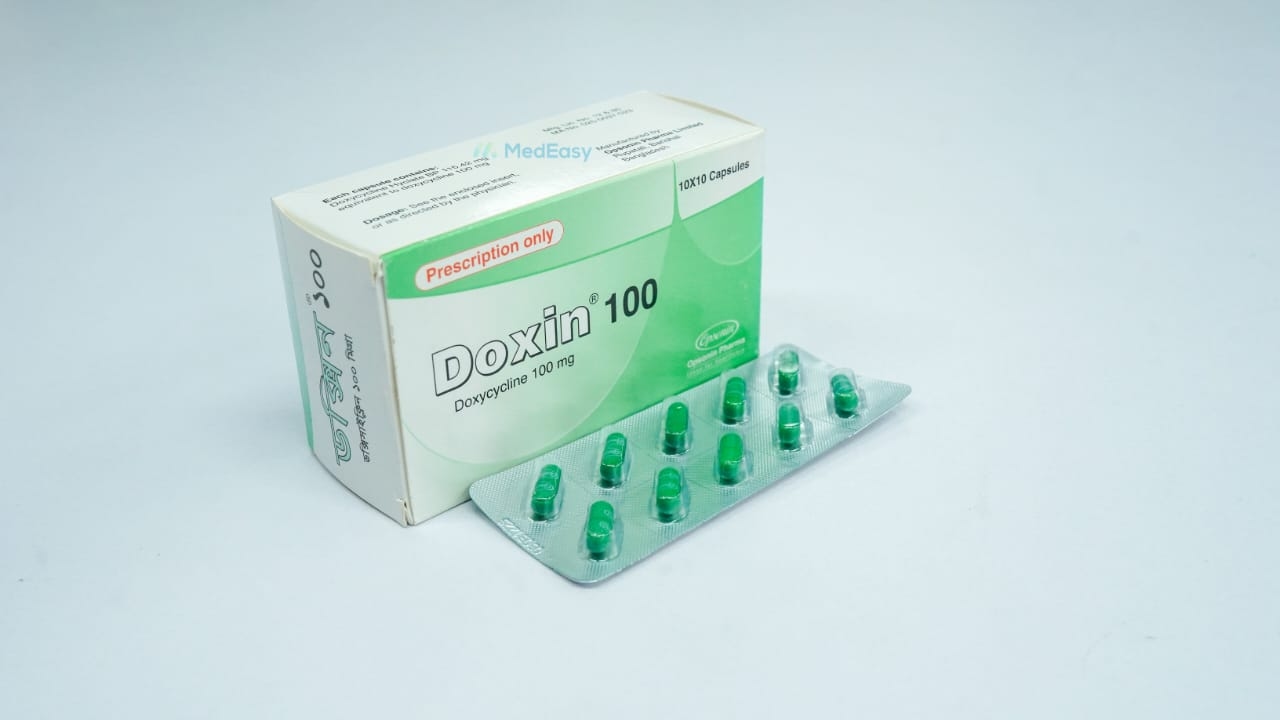
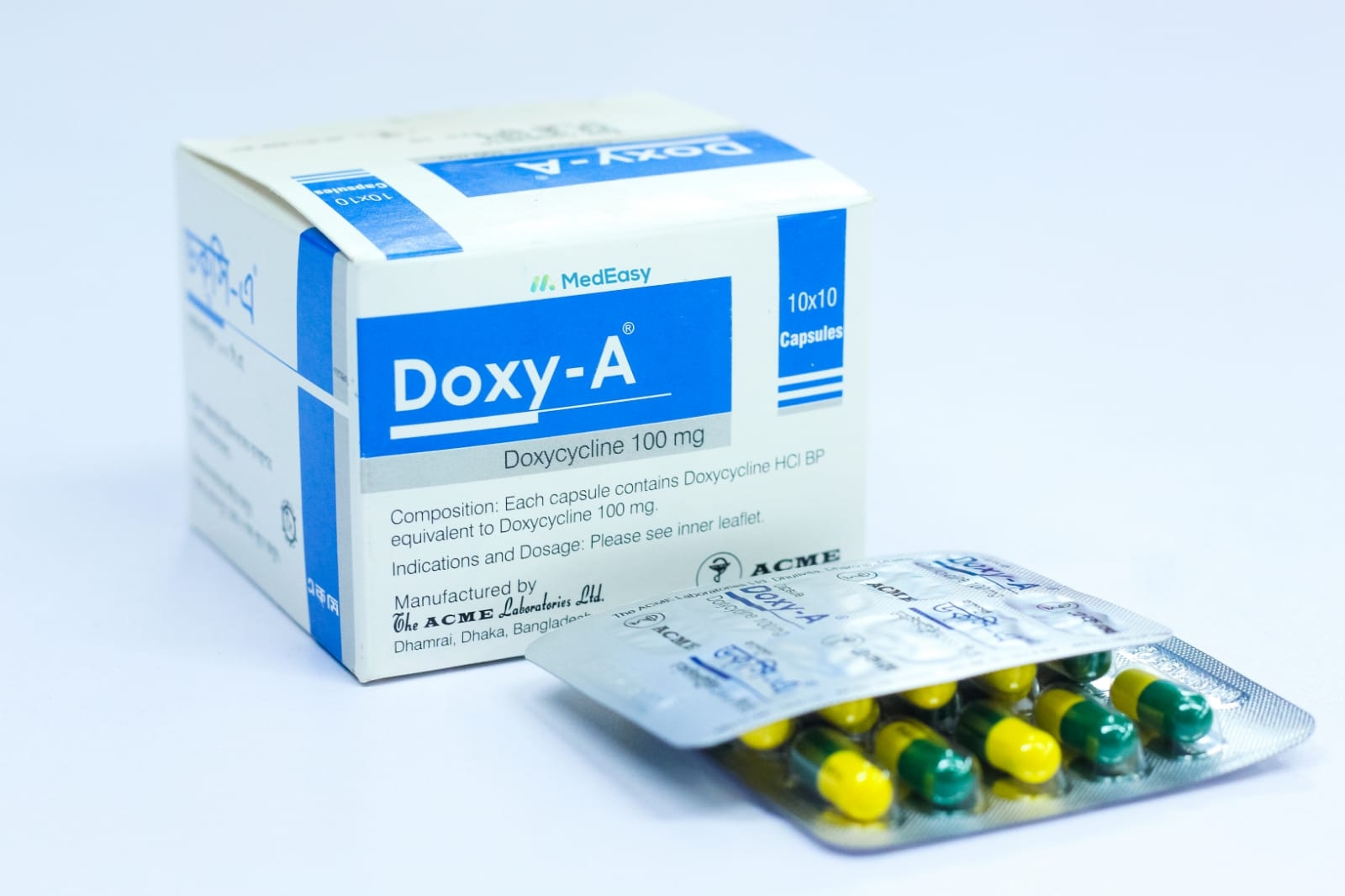
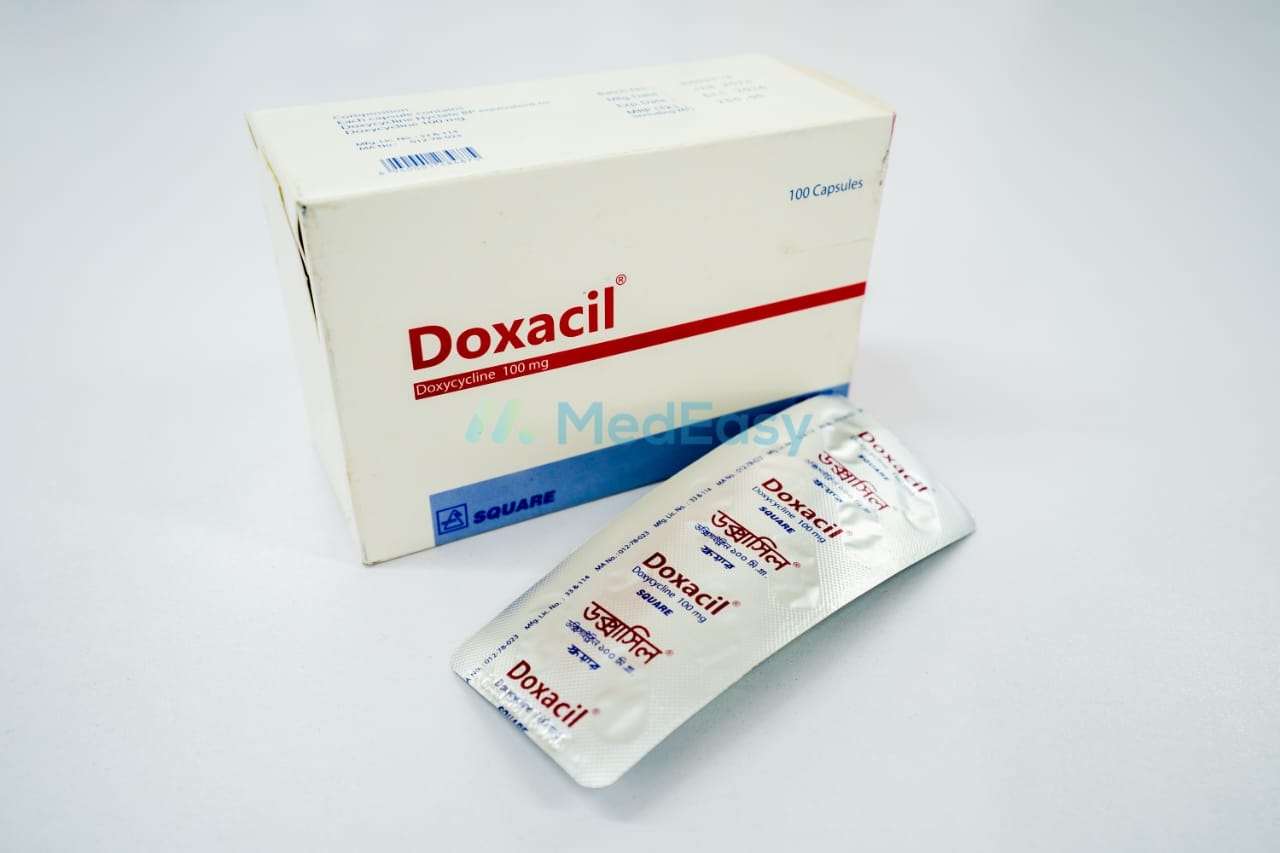
Doxicap100 mg
Renata Limited
৳19.80
Add to cart


Oriodox is an established treatment option for community-acquired bacterial respiratory infections caused by susceptible organisms, including infections due to Mycoplasma pneumoniae, Chlamydophila psittaci, and susceptible strains of Streptococcus pneumoniae and Haemophilus influenzae, such as bronchitis, sinusitis, and community-acquired pneumonia in appropriate patients.
Oriodox is guideline-supported first-line therapy for uncomplicated genital, rectal, and pharyngeal chlamydial infections caused by Chlamydia trachomatis. It is also an alternative treatment for early and late-stage syphilis in patients who cannot take penicillin. For gonorrhea, current treatment guidance relies on ceftriaxone as monotherapy; Oriodox is added only when chlamydial coinfection has not been ruled out, and Oriodox is not considered adequate monotherapy for gonococcal infection on its own.
Oriodox is also used, per CDC 2024 clinical guidance, as post-exposure prophylaxis ("doxy-PEP") to reduce the risk of chlamydia and syphilis (and, in some studies, gonorrhea) in specific adult populations, such as gay and bisexual men and transgender women with a bacterial sexually transmitted infection in the preceding 12 months, taken within 72 hours after condomless sex. This use of Oriodox is a public-health prevention strategy rather than treatment of an existing infection, and Oriodox is not indicated for this purpose in adolescents or in the general population.
Oriodox is the established drug of choice for Rocky Mountain spotted fever and other tickborne rickettsial diseases (including ehrlichiosis, anaplasmosis, typhus, Q fever, and rickettsialpox), and Oriodox is recommended by the CDC and the American Academy of Pediatrics for patients of all ages, including children under 8 years and pregnant women, because delayed treatment carries a substantially higher risk of severe illness or death than the medicine itself.
Oriodox is established therapy for plague (Yersinia pestis), tularemia (Francisella tularensis), brucellosis (usually in combination with an aminoglycoside or rifampin — combination therapy is required for optimal cure in brucellosis, not Oriodox alone), cholera (Vibrio cholerae), and relapsing fever (Borrelia recurrentis). Oriodox is also used, as an alternative to penicillin, for infections such as anthrax, including post-exposure prophylaxis following suspected inhalational anthrax exposure, and as an adjunct in the treatment of acute intestinal amebiasis (used together with an amebicidal agent, not as monotherapy).
Oriodox is used as an adjunctive treatment for moderate to severe inflammatory acne vulgaris and for rosacea, generally as part of a broader skin-care regimen and typically for a limited, defined course rather than indefinite use, in line with current antibiotic stewardship practice.
Oriodox is a guideline-supported option for short-term malaria chemoprophylaxis (generally less than 4 months of travel) in travelers to areas with chloroquine- or pyrimethamine-resistant malaria, in patients aged 8 years and older.
Doxycycline Hydrochloride is well absorbed after oral administration, and unlike some older tetracyclines, absorption of Doxycycline Hydrochloride is not markedly reduced by food in general, although co-administration with dairy products, antacids, or iron/calcium/magnesium-containing preparations can still reduce absorption of Doxycycline Hydrochloride through chelation. Doxycycline Hydrochloride is widely distributed throughout body tissues and fluids and is highly protein-bound in plasma. Doxycycline Hydrochloride undergoes minimal hepatic metabolism and is eliminated mainly through biliary/fecal excretion as a chelated, biologically inactive form, with a smaller portion excreted unchanged in urine. The elimination half-life of Doxycycline Hydrochloride (approximately 18–22 hours) is not significantly altered by renal impairment, and hemodialysis does not meaningfully change its serum half-life.
Doxycycline Hydrochloride is contraindicated in patients with known hypersensitivity to Doxycycline Hydrochloride or to any other tetracycline-class antibiotic.
Data specifically on Oriodox in pregnancy are limited, but a large Swedish population-based cohort study of tetracycline-class antibiotics (in which Oriodox accounted for the large majority of exposures) found no increased risk of major congenital malformations following first-trimester exposure. However, manufacturer prescribing information continues to caution that use during the second and third trimesters, when fetal teeth and bones are developing, may cause permanent tooth discoloration and reversible inhibition of bone growth; this caution reflects a known class effect of tetracyclines rather than an outcome specifically documented for Oriodox alone. For this reason, Oriodox is generally avoided in pregnancy, especially from the second trimester onward, unless no suitable alternative exists. An important exception is serious, potentially life-threatening infection such as Rocky Mountain spotted fever and other tickborne rickettsial diseases, for which the CDC recommends Oriodox as first-line treatment in pregnant women in all trimesters, because the risk of severe maternal and fetal harm from untreated infection outweighs the theoretical risks of Oriodox. Any use of Oriodox in pregnancy should be individually assessed by a qualified healthcare professional.
Oriodox passes into breast milk. Manufacturer labeling advises against breastfeeding during treatment with Oriodox and for 5 days after the last dose of Oriodox, due to the potential for tooth discoloration and effects on bone growth in the infant, although this has not been firmly quantified. Mothers who need Oriodox for a serious infection should discuss the risks, benefits, and alternative options with their healthcare provider.
Reported effects of Oriodox overdose are generally an extension of the common side effects of Oriodox, particularly nausea, vomiting, diarrhea, and irritation or ulceration of the esophagus and stomach, especially if taken with too little water. No specific antidote for Oriodox overdose exists. If an overdose of Oriodox is suspected, do not induce vomiting unless specifically directed to do so by a doctor or poison control service; contact emergency medical services or a poison control center immediately for guidance. Management of Oriodox overdose is generally supportive and symptomatic; hemodialysis does not significantly change blood levels of Oriodox and is not expected to be beneficial in overdose.
Store Oriodox according to the storage instructions printed on the product packaging or leaflet, as these can vary between manufacturers and formulations. As a general precaution, keep Oriodox at room temperature, away from direct sunlight, excessive heat, and moisture, in its original, tightly closed container, and out of the reach and sight of children. Do not use Oriodox beyond its expiry date.
For most non-severe infections, manufacturer labeling advises using Oriodox in children 8 years of age or younger only when the potential benefits are expected to outweigh the risk of tooth discoloration and reversible effects on bone growth, and when no suitable alternative treatment exists. However, current CDC and American Academy of Pediatrics guidance carves out a specific exception for serious, potentially life-threatening infections such as Rocky Mountain spotted fever and other tickborne rickettsial diseases: Oriodox is recommended as first-line treatment for children of all ages, including under 8 years, because short courses (typically 5–10 days, generally under 21 days) have not been shown to cause staining of permanent teeth or enamel defects, and delaying treatment carries a far greater risk than Oriodox itself. This exception applies to short, indication-specific courses of Oriodox for serious infections and should not be read as removing caution around routine or prolonged pediatric use. Malaria prophylaxis with Oriodox is indicated from age 8 years and older; Oriodox post-exposure prophylaxis (doxy-PEP) for STI prevention is an adult-only recommendation and has not been established in adolescents or children.
No specific dose adjustment of Oriodox is established for older adults on the basis of age alone; standard adult dosing of Oriodox is generally used. Older patients, particularly those with swallowing difficulties or reduced mobility, should be reminded to take Oriodox with plenty of water and to remain upright afterward to reduce the risk of esophageal irritation.
Studies have shown no significant difference in the elimination half-life of Oriodox between patients with normal kidney function and those with severe renal impairment, and hemodialysis does not meaningfully alter the half-life of Oriodox; a specific dose reduction of Oriodox for renal impairment is not established in the sources reviewed, but patients with renal disease taking Oriodox should still be monitored by their prescriber.
Specific dose-adjustment guidance for Oriodox in hepatic impairment is not established in the prescribing information reviewed. Because rare hepatotoxicity has been reported with Oriodox and other tetracyclines, Oriodox should be used with caution and with monitoring in patients who have pre-existing liver disease or who are taking other medicines that can affect the liver.
See the Pregnancy and Lactation section above for detailed guidance on the use of Oriodox in this population.
This group has a higher reported risk of intracranial hypertension with tetracycline-class drugs including Oriodox; see Precautions and Warnings for details.
The duration of treatment with Oriodox is set by the prescriber and depends entirely on the indication being treated: for example, a single dose of Oriodox for post-exposure prophylaxis (doxy-PEP); 5–7 days (continuing at least 3 days after fever resolves) for rickettsial diseases such as Rocky Mountain spotted fever; 7 days for uncomplicated chlamydial infection; 14 days for early syphilis and 28 days for syphilis of more than one year's duration (as alternatives to penicillin); 60 days for inhalational anthrax post-exposure prophylaxis; and daily dosing of Oriodox throughout travel plus 4 weeks afterward for malaria prophylaxis. For acne and rosacea, courses of Oriodox are typically limited and periodically reassessed rather than continued indefinitely, consistent with current antibiotic stewardship practice. Patients should take Oriodox for exactly as long as prescribed and should not stop, extend, or repeat a course of Oriodox without medical advice.
Doxycycline Hydrochloride is a bacteriostatic antibiotic. Doxycycline Hydrochloride binds reversibly to the 30S ribosomal subunit of susceptible bacteria, blocking the binding of aminoacyl-tRNA to the mRNA-ribosome complex. This prevents the addition of amino acids to the growing peptide chain, inhibiting bacterial protein synthesis and thereby stopping bacterial growth and multiplication without directly killing the organism.
Dosing of Oriodox in children is weight-based for those under 45 kg; children weighing 45 kg or more are generally dosed using adult regimens of Oriodox. For severe or life-threatening infections such as Rocky Mountain spotted fever and other tickborne rickettsial diseases, the CDC and American Academy of Pediatrics recommend 2.2 mg/kg of Oriodox given every 12 hours, for patients of all ages including children under 8 years, because short courses (generally under 21 days, and typically only 5–10 days for this indication) have not been shown to cause staining of permanent teeth, and because delayed treatment carries a much higher risk of severe illness or death. For non-severe infections in children 8 years of age or younger, current manufacturer labeling still advises use of Oriodox only when benefits are judged to outweigh the risk of tooth discoloration and reversible bone growth effects, and when no suitable alternative exists; in children older than 8 years, these concerns are substantially reduced. For malaria prophylaxis, Oriodox is indicated from age 8 years and older, dosed at 2 mg/kg once daily (up to the adult dose) for children under 45 kg. Oriodox post-exposure prophylaxis (doxy-PEP) for sexually transmitted infection prevention is an adult-specific recommendation and is not established for adolescents or children. Any pediatric use of Oriodox should be guided by a pediatrician or qualified healthcare professional weighing the specific indication and the child's age.
Oriodox 100 mg Capsule is a tetracycline-class antibiotic used to treat many bacterial infections, including certain respiratory tract infections, chlamydial and other sexually transmitted infections, tick-borne and rickettsial diseases such as Rocky Mountain spotted fever, acne, cholera, brucellosis, and several other bacterial and zoonotic infections. Oriodox 100 mg Capsule is also used for short-term malaria prevention in travelers and, in specific situations, as post-exposure prevention against certain sexually transmitted infections. Oriodox 100 mg Capsule does not treat viral infections.
There is no single dose of Oriodox 100 mg Capsule that applies to every condition. Adult regimens of Oriodox 100 mg Capsule commonly range from 100 mg once or twice daily to 200 mg on the first day followed by 100 mg daily, with the exact dose, frequency, and duration depending on the specific infection; see the dosage table above for indication-specific examples. Only a qualified healthcare professional can determine the correct dose of Oriodox 100 mg Capsule for a given patient and condition.
Oriodox 100 mg Capsule can be taken with food if it causes stomach upset, and unlike some older tetracyclines, absorption of Oriodox 100 mg Capsule is not greatly reduced by food in general. However, milk and other dairy products contain calcium, which can bind to Oriodox 100 mg Capsule in the gut and reduce how much is absorbed; where possible, it is best to avoid taking Oriodox 100 mg Capsule at the same time as milk, other dairy products, calcium, iron, or antacids, separating them by at least 2 hours.
Oriodox 100 mg Capsule is generally avoided during pregnancy, particularly from the second trimester onward, because of a known risk of permanent tooth discoloration and reversible effects on bone growth in the developing fetus. Some newer human data on first-trimester exposure to Oriodox 100 mg Capsule have not shown an increased risk of major birth defects, but caution is still advised. An important exception is serious infections such as Rocky Mountain spotted fever, where health authorities recommend Oriodox 100 mg Capsule even during pregnancy because untreated infection is more dangerous than the medicine. Pregnant women should only use Oriodox 100 mg Capsule under the direct guidance of their doctor.
Yes, in specific situations. For serious, potentially life-threatening infections such as Rocky Mountain spotted fever and other tickborne rickettsial diseases, current CDC and American Academy of Pediatrics guidance recommends Oriodox 100 mg Capsule for children of all ages, including under 8 years, because short treatment courses of Oriodox 100 mg Capsule have not been shown to stain permanent teeth. For other, less severe infections, Oriodox 100 mg Capsule is generally used in children 8 years of age or older, and used in younger children only when a doctor judges that the benefit outweighs the risk of tooth or bone effects and no better alternative exists.
Oriodox 100 mg Capsule can interact with antacids, calcium, magnesium, bismuth subsalicylate, and iron supplements (all of which reduce absorption of Oriodox 100 mg Capsule), warfarin and other anticoagulants (increased bleeding risk), penicillin-type antibiotics (reduced effectiveness of the penicillin), hormonal oral contraceptives (possible reduced contraceptive effect), certain seizure medicines such as barbiturates, carbamazepine, and phenytoin (reduced levels of Oriodox 100 mg Capsule), and isotretinoin (increased risk of raised pressure around the brain). Tell your doctor or pharmacist about all medicines you take before starting Oriodox 100 mg Capsule.
The most common side effects of Oriodox 100 mg Capsule are nausea, vomiting, diarrhea, stomach discomfort, loss of appetite, mild skin rash, and increased sensitivity to sunlight. Serious but less common effects of Oriodox 100 mg Capsule can include severe diarrhea, signs of liver problems, severe headache with vision changes, chest pain or trouble swallowing, and severe skin reactions; see the Side Effects section above for full details and when to seek medical attention.
No. Oriodox 100 mg Capsule is an antibiotic that works against bacteria; Oriodox 100 mg Capsule has no effect on viruses, including those that cause the common cold or influenza. Taking Oriodox 100 mg Capsule for a viral illness will not help you recover faster and contributes to antibiotic resistance.
If you miss a dose of Oriodox 100 mg Capsule, take it as soon as you remember, unless it is almost time for your next dose, in which case skip the missed dose and continue your regular schedule of Oriodox 100 mg Capsule — do not take a double dose to make up for a missed one. If you are unsure, or have missed multiple doses of Oriodox 100 mg Capsule, contact your doctor or pharmacist for advice specific to your treatment.
Disclaimer
The information provided is accurate to the best of our knowledge, but it does not replace professional medical advice. We cannot guarantee its completeness or accuracy, and the absence of specific information about a drug should not be taken as an endorsement. We are not responsible for any consequences arising from this information, so please consult a healthcare professional for any concerns or questions.