10% Off
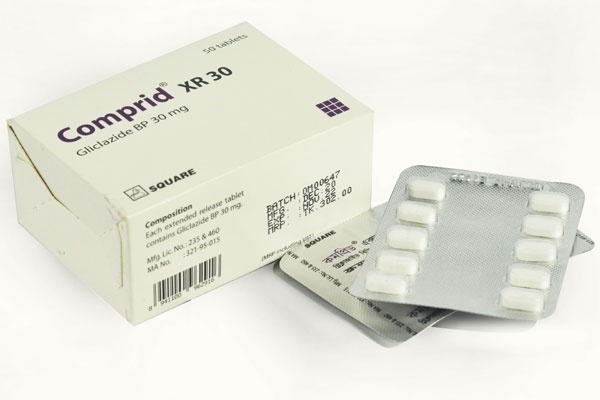
Comprid XR30 mg
Square Pharmaceuticals PLC.
৳63.00
Add to cart
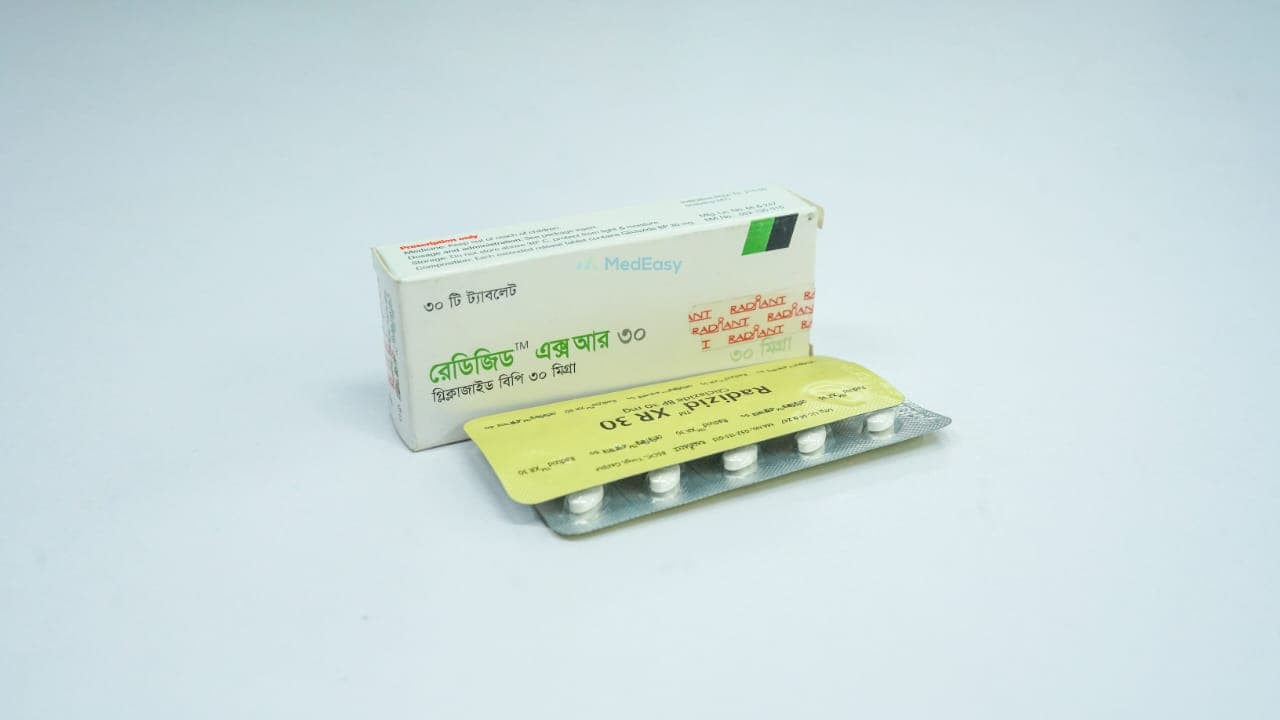

Radizid XR is an established, guideline-supported oral antidiabetic medicine indicated for the treatment of type 2 diabetes mellitus in adults, used as an adjunct to diet and exercise when these measures alone do not adequately control blood glucose. Radizid XR is approved and marketed in numerous countries, including Bangladesh, as monotherapy, and Radizid XR is also commonly used in combination with other oral antidiabetic agents (such as metformin, alpha-glucosidase inhibitors, or DPP-4 inhibitors) or with insulin, when glycemic control is not achieved with a single agent.
When type 2 diabetes is not adequately controlled on metformin or another single agent alone, Radizid XR may be added as a second-line agent, consistent with international treatment guidelines; combination use of Radizid XR with other antidiabetic drugs requires the addition of that second agent, and this goal is not achieved by Radizid XR alone.
Each tablet contains Gliclazide 80 mg (conventional/immediate-release form), or Gliclazide 30 mg / 60 mg as a modified-release (MR) tablet, depending on the marketed brand and formulation.
Radizid XR is an oral antidiabetic medicine belonging to the second-generation sulfonylurea class, used to help control blood glucose levels in adults with type 2 diabetes mellitus. Radizid XR works mainly by stimulating the pancreas to release more insulin, and Radizid XR also has additional effects on blood vessel and platelet function. Radizid XR is used as an adjunct to diet, exercise, and weight management, either alone or together with other antidiabetic medicines. Radizid XR does not treat type 1 diabetes and is not a substitute for insulin in patients who require it. Radizid XR should be taken exactly as prescribed by a qualified healthcare professional, with regular monitoring of blood glucose.
Antidiabetic agent (Second-generation Sulfonylurea)
Gliclazide lowers blood glucose primarily by stimulating insulin secretion from pancreatic beta cells. Gliclazide binds to specific receptors on the beta-cell membrane, closing ATP-sensitive potassium channels; this depolarizes the cell membrane, opens voltage-dependent calcium channels, and increases intracellular calcium influx, which triggers insulin release by exocytosis. Gliclazide also restores the early phase of insulin secretion that is characteristically blunted in type 2 diabetes, and Gliclazide is reported to have additional hemobiological effects, including reducing platelet adhesiveness and aggregation and enhancing fibrinolytic activity, which may help lower the risk of small-vessel complications, although these effects are secondary to the primary glucose-lowering action of Gliclazide. Gliclazide is well absorbed after oral administration; the modified-release formulation of Gliclazide is designed to release the drug gradually over 24 hours to support once-daily dosing. Gliclazide is extensively metabolized in the liver to inactive metabolites and is excreted mainly in urine, with a plasma half-life of approximately 10-12 hours for conventional Gliclazide.
The dose of Radizid XR is individualized for each patient based on blood glucose response, and must be determined by a qualified healthcare professional. Radizid XR is available as conventional (immediate-release) tablets, taken once or twice daily, and as modified-release (MR) tablets, taken once daily. The lowest effective dose of Radizid XR should be used, with gradual titration guided by regular blood glucose monitoring.
Gliclazide is contraindicated in patients with:
Radizid XR is generally not recommended for use in pregnancy. Sulfonylureas such as Radizid XR can cross the placenta, and poorly controlled maternal blood glucose itself carries risk to the fetus; insulin is generally the preferred agent for achieving glycemic control during pregnancy because of its long safety record in this setting. If a woman taking Radizid XR becomes pregnant, or is planning pregnancy, she should be switched to insulin under medical supervision. Radizid XR should be used in pregnancy only if clearly needed and no suitable alternative is available, with the potential benefit weighed against potential risk to the fetus, and only under the direct guidance of a physician.
Radizid XR is not recommended during breastfeeding, because of the risk of hypoglycemia in the nursing infant and a lack of adequate safety data on Radizid XR in this setting. Women who need treatment for type 2 diabetes while breastfeeding should discuss alternative options, such as insulin, with their physician instead of using Radizid XR.
Overdose of Radizid XR can cause hypoglycemia, which may range from mild symptoms (sweating, tremor, hunger, palpitations, confusion) to severe hypoglycemia with seizures, loss of consciousness, or coma. If Radizid XR overdose is suspected and the patient is conscious, give sugar or a glucose-containing drink or food immediately. Seek emergency medical attention or contact a poison control center right away, as hypoglycemia caused by Radizid XR overdose, especially with modified-release formulations of Radizid XR, can be severe and prolonged, requiring hospitalization, intravenous glucose administration, and extended monitoring of blood glucose (often for 24 hours or more) even after apparent recovery. Do not attempt to manage a suspected overdose of Radizid XR at home without medical guidance.
Store Radizid XR at room temperature (below 30°C), away from light and moisture. Keep Radizid XR out of the reach and sight of children. Do not use Radizid XR beyond its expiry date.
The safety and efficacy of Radizid XR have not been established in children and adolescents under 18 years of age. Radizid XR is not recommended for use in this age group.
Elderly patients are more susceptible to the hypoglycemic effects of Radizid XR. Treatment with Radizid XR should be started at the lowest available dose, with careful, gradual titration and close monitoring of blood glucose.
Patients with mild-to-moderate renal impairment should start Radizid XR at a low dose with close monitoring, because reduced clearance can prolong the action of Radizid XR and increase the risk of hypoglycemia. Radizid XR is contraindicated in severe renal impairment.
Because Radizid XR is extensively metabolized in the liver, patients with mild-to-moderate hepatic impairment should start Radizid XR at a low dose with close monitoring. Radizid XR is contraindicated in severe hepatic impairment.
See the Pregnancy and Lactation section above for detailed guidance on the use of Radizid XR in this population.
Radizid XR is generally used long-term, as type 2 diabetes mellitus is a chronic condition requiring ongoing management. The duration of treatment with Radizid XR is determined by a physician based on periodic reassessment of blood glucose control (including HbA1c), tolerability, and the presence of any complications; Radizid XR is often continued indefinitely as part of a diabetes management plan, but the dose of Radizid XR may be adjusted, or Radizid XR may be combined with or switched to other antidiabetic therapy, over time. Patients should not stop taking Radizid XR without consulting their physician, even if they feel well, since discontinuation of Radizid XR can lead to loss of blood glucose control.
Sulfonylurea (second-generation oral antidiabetic agent)
Gliclazide lowers blood glucose by binding to sulfonylurea receptors on pancreatic beta-cell membranes and closing ATP-sensitive potassium channels. This causes membrane depolarization, opening of voltage-gated calcium channels, and an influx of calcium into the beta cell, which stimulates the release of stored insulin by exocytosis. By increasing circulating insulin, Gliclazide enhances glucose uptake by peripheral tissues and reduces hepatic glucose output, thereby lowering blood glucose levels. Gliclazide is also reported to reduce platelet aggregation and adhesiveness and to increase fibrinolytic activity, effects that are considered secondary to the primary glucose-lowering action of Gliclazide.
Radizid XR has not been established as safe and effective for use in children or adolescents under 18 years of age, and pediatric dosing of Radizid XR has not been defined. Type 2 diabetes in children and adolescents is generally managed with other agents (such as metformin or insulin) that have established pediatric safety and efficacy data, rather than with Radizid XR. Radizid XR should not be used in children unless specifically directed by a pediatric specialist in exceptional circumstances.
Q: What is Radizid XR 30 mg Tablet used for?
A: Radizid XR 30 mg Tablet is a sulfonylurea medicine used to help control blood glucose (blood sugar) in adults with type 2 diabetes mellitus. Radizid XR 30 mg Tablet is used together with diet and exercise, either alone or in combination with other antidiabetic medicines, when diet and exercise alone are not enough to control blood glucose.
Q: How should I take Radizid XR 30 mg Tablet?
A: Radizid XR 30 mg Tablet should be taken with or shortly before a meal, usually breakfast, at about the same time each day. Modified-release (MR) tablets of Radizid XR 30 mg Tablet should be swallowed whole and not chewed or crushed. Never skip a meal after taking Radizid XR 30 mg Tablet, as this increases the risk of hypoglycemia.
Q: What is the most important side effect of Radizid XR 30 mg Tablet?
A: The most important and common side effect of Radizid XR 30 mg Tablet is hypoglycemia (low blood sugar), which can cause sweating, shakiness, hunger, confusion, and, if severe, seizures or loss of consciousness. Risk of hypoglycemia with Radizid XR 30 mg Tablet is higher with missed meals, alcohol use, exercise, or in elderly or kidney-impaired patients. Always carry a fast-acting source of sugar when taking Radizid XR 30 mg Tablet, and seek medical attention for severe or persistent symptoms.
Q: Can Radizid XR 30 mg Tablet be used during pregnancy or breastfeeding?
A: Radizid XR 30 mg Tablet is generally not recommended during pregnancy; insulin is usually preferred to control blood glucose in pregnant women, and Radizid XR 30 mg Tablet should be used only if clearly needed and no suitable alternative is available, under close medical supervision. Radizid XR 30 mg Tablet is also not recommended during breastfeeding because of the risk of low blood sugar in the nursing infant. Speak with your doctor before using Radizid XR 30 mg Tablet if you are pregnant, planning pregnancy, or breastfeeding.
Q: What medicines interact with Radizid XR 30 mg Tablet?
A: Radizid XR 30 mg Tablet should not be combined with systemic miconazole, as this can cause severe hypoglycemia. Other medicines that can increase the blood-glucose-lowering effect or hypoglycemia risk of Radizid XR 30 mg Tablet include other azole antifungals, alcohol, beta-blockers, NSAIDs, ACE inhibitors, and other antidiabetic medicines or insulin. Some medicines, such as corticosteroids, thiazide diuretics, and danazol, can raise blood glucose and reduce the effectiveness of Radizid XR 30 mg Tablet. Tell your doctor or pharmacist about all medicines you take before starting Radizid XR 30 mg Tablet.
Q: What should I do if I think I have taken too much Radizid XR 30 mg Tablet?
A: An overdose of Radizid XR 30 mg Tablet can cause severe and prolonged hypoglycemia. If you or someone else may have taken too much Radizid XR 30 mg Tablet and is conscious, give sugar or a sugary drink immediately and seek emergency medical attention right away, as hospital monitoring and treatment with intravenous glucose may be needed after a Radizid XR 30 mg Tablet overdose, sometimes for 24 hours or more.
Disclaimer
The information provided is accurate to the best of our knowledge, but it does not replace professional medical advice. We cannot guarantee its completeness or accuracy, and the absence of specific information about a drug should not be taken as an endorsement. We are not responsible for any consequences arising from this information, so please consult a healthcare professional for any concerns or questions.