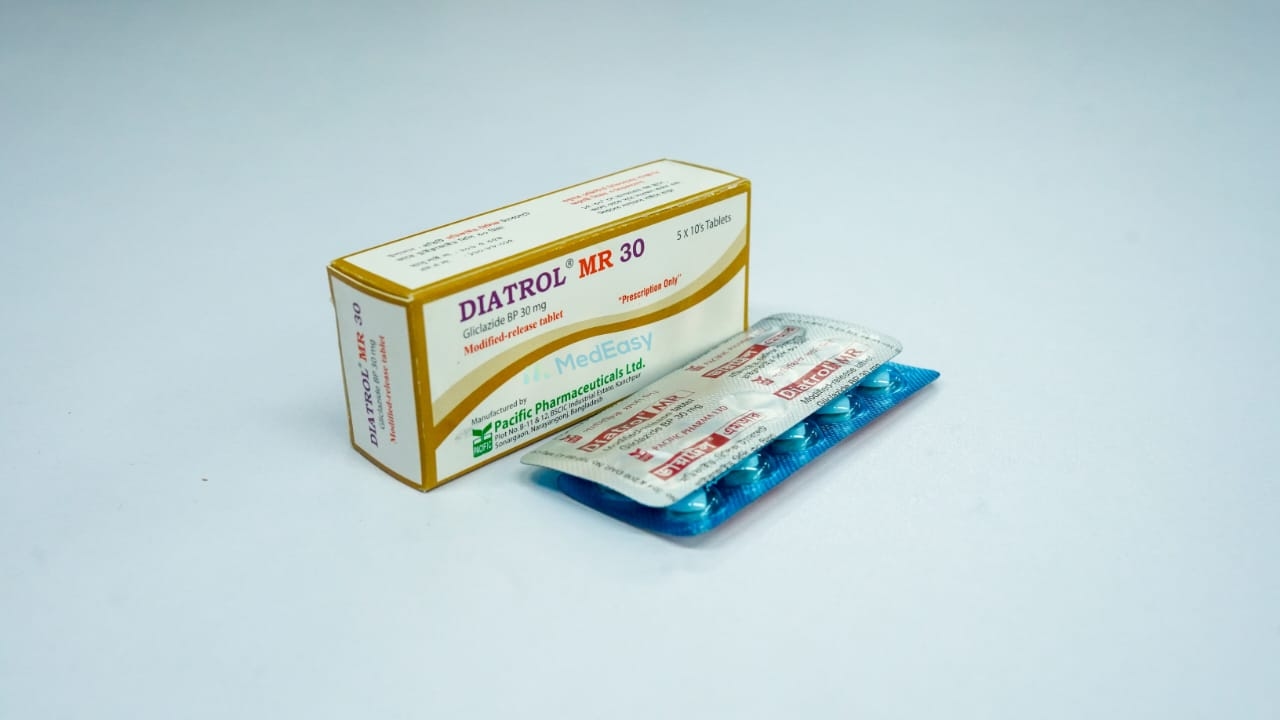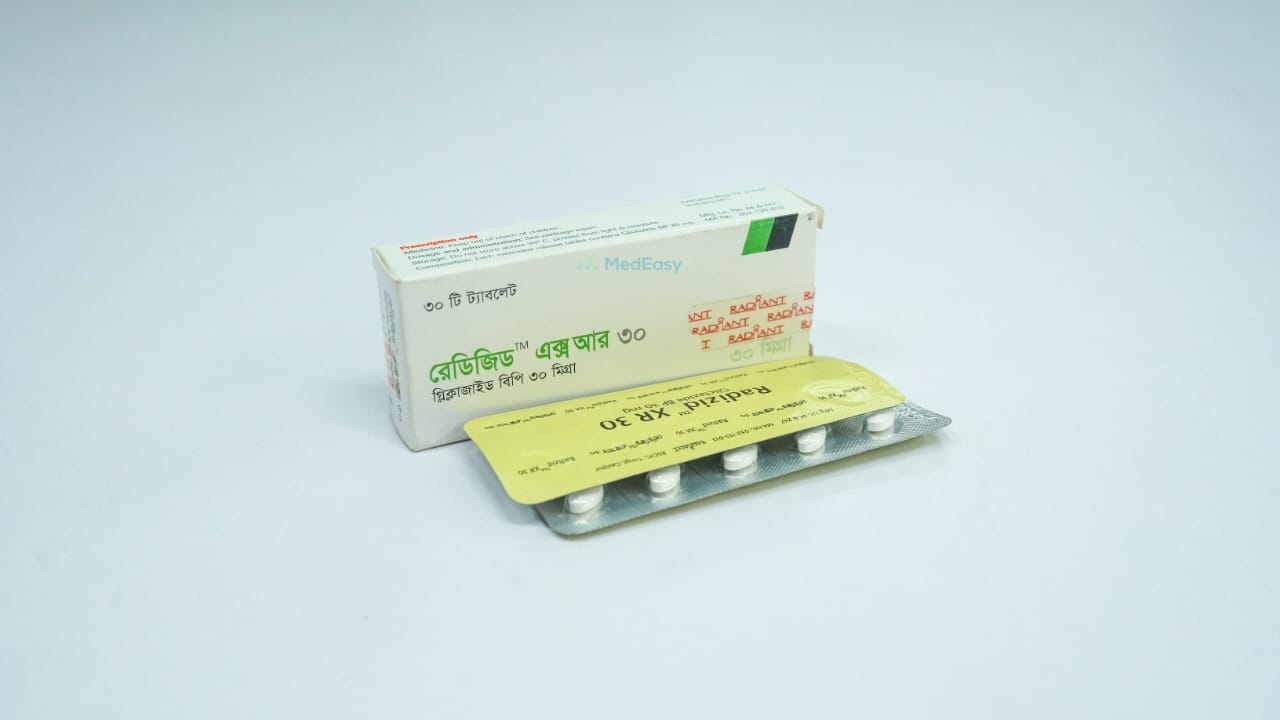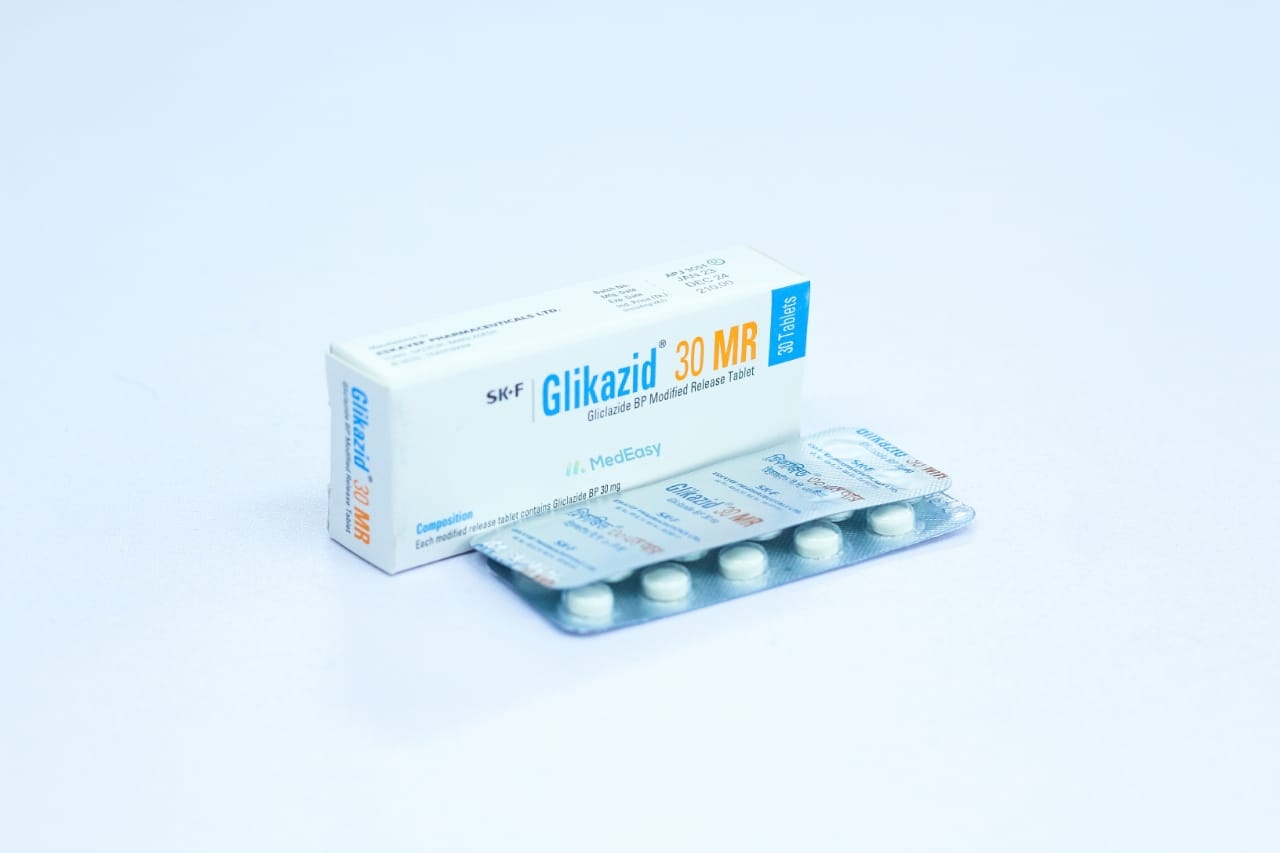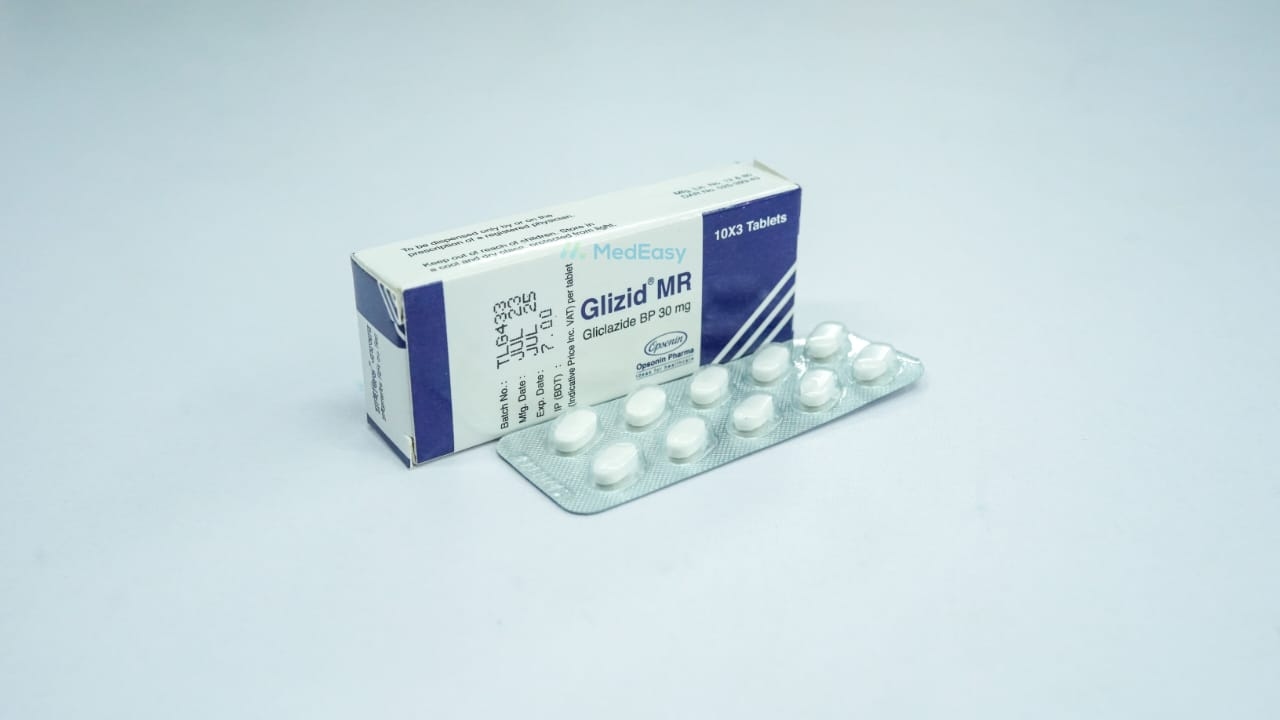
8% Off
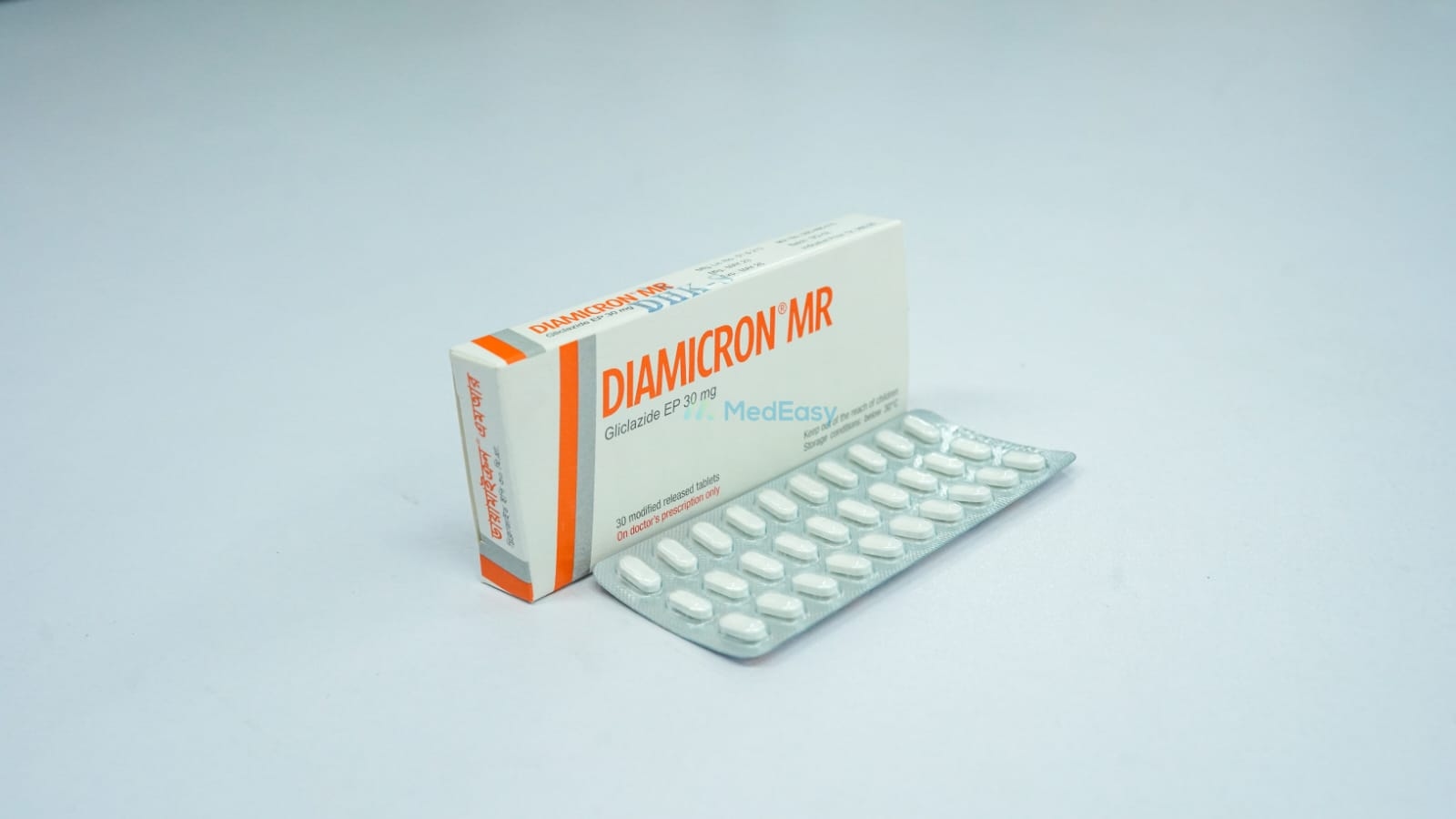
Diamicron MR30 mg
Servier Bangladesh Operation
৳386.40
Add to cart
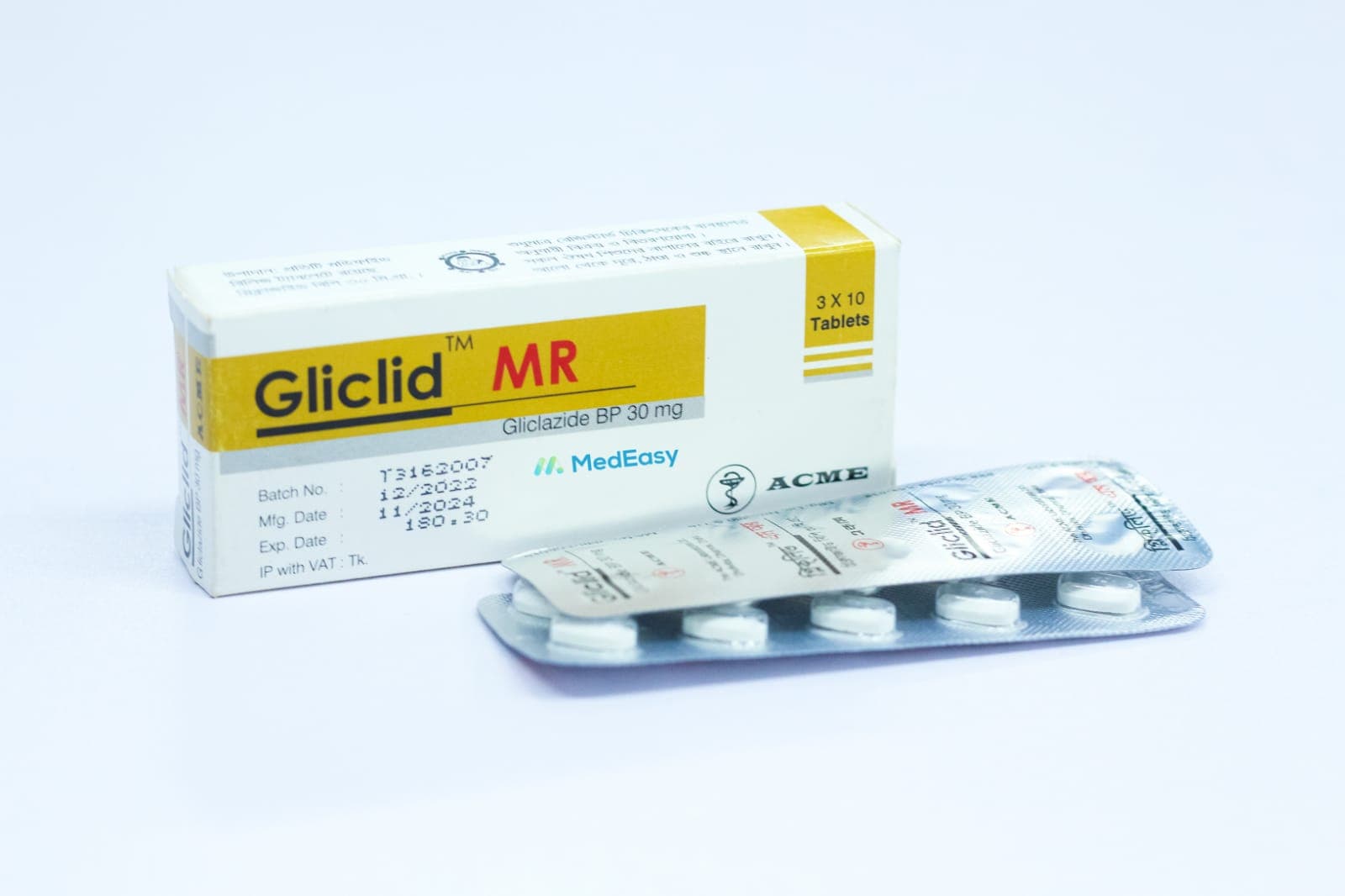

Gliclid MR 30 mg is an oral antidiabetic medicine belonging to the sulphonylurea group. It is specifically indicated for the management of type 2 diabetes mellitus (also known as non-insulin-dependent diabetes mellitus or NIDDM) in adults, in situations where non-pharmacological interventions alone have proven insufficient to achieve adequate blood glucose control.
Gliclid MR 30 mg may also be prescribed as part of a combination antidiabetic regimen alongside other glucose-lowering agents, including:
Gliclid MR 30 mg is not used in type 1 diabetes mellitus (insulin-dependent), diabetic ketoacidosis, or in children. Always use under the guidance of a registered physician who will determine the most appropriate treatment plan based on individual patient factors.
Sulfonylureas
Gliclid MR 30 mg is a second-generation sulphonylurea oral hypoglycaemic agent with a well-established mechanism for reducing blood glucose in patients with type 2 diabetes mellitus. Beyond its primary glucose-lowering action, it also possesses potentially beneficial haematological and vascular properties that distinguish it from first-generation sulphonylureas.
Gliclid MR 30 mg is available in two formulation types: standard film-coated tablets (80 mg) and modified/extended-release tablets (30 mg and 60 mg). The appropriate formulation, dose, and frequency are determined by the physician based on the patient's blood glucose levels, HbA1c targets, and clinical response. Always follow the prescription of your physician exactly.
When Gliclid MR 30 mg is used in combination with metformin, alpha-glucosidase inhibitors, thiazolidinediones, DPP-4 inhibitors, GLP-1 receptor agonists, or insulin, the physician will determine the appropriate individual doses for each agent. Close monitoring of blood glucose is required when initiating combination therapy to avoid hypoglycaemia.
Treatment for type 2 diabetes is typically lifelong. Do not stop taking Gliclid MR 30 mg without discussing it with your physician. Abrupt discontinuation can lead to hyperglycaemia and increased risk of diabetic complications.
Gliclid MR 30 mg is not recommended for use in children due to the lack of adequate safety and efficacy data in the paediatric population, and because it is contraindicated in juvenile-onset (type 1) diabetes.
Gliclid MR 30 mg interacts with a wide range of commonly used medications. These interactions can either strengthen its blood glucose-lowering effect (increasing the risk of hypoglycaemia) or weaken it (increasing the risk of hyperglycaemia). Always inform your physician and pharmacist of all medications, herbal preparations, and supplements you are currently taking before starting Gliclid MR 30 mg.
Gliclid MR 30 mg must not be used in the following situations. If any of these conditions apply, discuss alternative antidiabetic treatment options with your physician:
Like all medicines, Gliclid MR 30 mg can cause side effects, although not all patients experience them. Most side effects are manageable, but some require prompt medical attention. Patients and caregivers should be familiar with the following adverse effects:
If you experience any unexpected or severe side effects while taking Gliclid MR 30 mg, contact your physician or pharmacist immediately.
Gliclid MR 30 mg is not recommended for use during pregnancy. If you are pregnant, think you may be pregnant, or are planning to become pregnant, you must inform your physician before taking or continuing Gliclid MR 30 mg.
Uncontrolled blood glucose during pregnancy is associated with an increased risk of foetal malformations, macrosomia (abnormally large baby), neonatal hypoglycaemia, perinatal mortality, and maternal complications. For this reason, optimal blood glucose management throughout pregnancy is essential.
Sulphonylureas, including Gliclid MR 30 mg, can cross the placenta and may stimulate fetal pancreatic β-cells, causing neonatal hypoglycaemia. The current standard of care for diabetes management in pregnancy is insulin therapy, which does not cross the placental barrier and provides more precise and titratable glycaemic control. Women planning a pregnancy who are currently taking Gliclid MR 30 mg should discuss transitioning to insulin before conception or as early in pregnancy as possible, under the supervision of their physician and obstetric team.
Gliclid MR 30 mg must not be used while breastfeeding. It is unknown whether Gliclid MR 30 mg or its metabolites are excreted into human breast milk in clinically significant quantities. Given the pharmacological mechanism of the drug — stimulating insulin secretion — there is a theoretical risk of inducing hypoglycaemia in the nursing infant, who has no clinical need for blood glucose reduction and whose immature counter-regulatory mechanisms make hypoglycaemia particularly dangerous.
Women with type 2 diabetes who wish to breastfeed should discuss alternative blood glucose management options with their physician. Insulin is generally preferred during lactation as it is not expected to be excreted into breast milk at pharmacologically meaningful concentrations.
The following precautions must be carefully observed by all patients receiving Gliclid MR 30 mg therapy to ensure safe and effective diabetes management:
Gliclid MR 30 mg overdose results in hypoglycaemia — an abnormally and potentially dangerously low blood glucose level — due to excessive, prolonged stimulation of pancreatic insulin secretion. Overdose can occur through accidental ingestion (particularly in children), deliberate self-administration of excess tablets, or through pharmacokinetic interactions with other drugs that dramatically increase Gliclid MR 30 mg plasma levels.
Gliclid MR 30 mg should be used with caution in patients with mild to moderate renal impairment. Since Gliclid MR 30 mg's metabolites are pharmacologically inactive, it offers a relative safety advantage over other sulphonylureas (such as glibenclamide) whose active metabolites can accumulate in renal failure and cause prolonged severe hypoglycaemia. However, Gliclid MR 30 mg is contraindicated in severe renal impairment (eGFR <30 ml/min/1.73m²) due to the risk of altered drug clearance and hypoglycaemia. Regular renal function monitoring is advised during long-term therapy. Close glucose monitoring is essential in all patients with any degree of renal impairment.
Since Gliclid MR 30 mg is extensively metabolised in the liver, significant hepatic impairment can markedly increase its plasma concentrations and prolong its duration of action, leading to a substantially elevated risk of hypoglycaemia. Gliclid MR 30 mg is contraindicated in severe hepatic impairment. In patients with mild to moderate liver disease, use with caution and with more frequent blood glucose monitoring. Hepatic function tests should be performed periodically during treatment.
Elderly patients with type 2 diabetes are at increased risk of hypoglycaemia for several reasons: reduced renal clearance of the drug, irregular meal patterns, reduced glycogen reserves, comorbid conditions, and polypharmacy. Additionally, the warning signs of hypoglycaemia (particularly adrenergic symptoms like tremor and tachycardia) may be masked or blunted in the elderly, delaying recognition and treatment. The modified-release (MR) formulation of Gliclid MR 30 mg may be preferable in elderly patients due to its more gradual, smoother insulin stimulation profile and lower hypoglycaemia risk compared to standard-release tablets. Close blood glucose monitoring and conservative dosing initiation are recommended in this population.
Gliclid MR 30 mg is not recommended for use in children. There is a lack of safety and efficacy data in the paediatric population, and Gliclid MR 30 mg is contraindicated in type 1 diabetes (juvenile-onset diabetes), which represents the majority of diabetes cases presenting in childhood. Paediatric diabetes management should be directed by a specialist paediatric diabetologist.
Patients with hereditary glucose-6-phosphate dehydrogenase (G6PD) deficiency, an X-linked genetic condition affecting red blood cell integrity, may develop haemolytic anaemia when taking sulphonylurea drugs including Gliclid MR 30 mg. This occurs due to oxidative stress on G6PD-deficient red blood cells. Patients with known or suspected G6PD deficiency must inform their physician before starting Gliclid MR 30 mg. Alternative antidiabetic treatments should be considered in this population.
Functional disorders of the adrenal cortex, pituitary gland, or thyroid gland can significantly alter glucose counter-regulation and blood glucose homeostasis. Patients with these endocrine disorders are at increased risk of abnormal blood glucose responses to Gliclid MR 30 mg and require closer monitoring and more careful dose titration.
Sulfonylureas
Gliclid MR 30 mg is a second generation sulfonylurea drug that has hypoglycaemic and potentially useful hematological properties. It stimulates the release of insulin from pancreatic β-cells by facilitating Ca+2 transport across the β-cell membranes and decreases hepatic glucose output.
Gliclid MR 30 mg is not recommended for use during pregnancy. If you are pregnant, think you may be pregnant or are planning to have a baby, ask your doctor for advice before taking this medicine. You must not take Gliclid MR 30 mg while you are breastfeeding.
What is Gliclid MR 30 mg used for?
Gliclid MR 30 mg is an oral antidiabetic medicine belonging to the sulphonylurea group. It is specifically indicated for the management of type 2 diabetes mellitus (also known as non-insulin-dependent diabetes mellitus or NIDDM) in adults, in situations where non-pharmacological interventions alone have proven insufficient to achieve adequate blood glucose control. Primary Indication Type 2 diabet…
What is the dosage of Gliclid MR 30 mg?
Gliclid MR 30 mg is available in two formulation types: standard film-coated tablets (80 mg) and modified/extended-release tablets (30 mg and 60 mg) . The appropriate formulation, dose, and frequency are determined by the physician based on the patient's blood glucose levels, HbA1c targets, and clinical response. Always follow the prescription of your physician exactly. Standard Film-Coated Tablet…
What are the side effects of Gliclid MR 30 mg?
Like all medicines, Gliclid MR 30 mg can cause side effects, although not all patients experience them. Most side effects are manageable, but some require prompt medical attention. Patients and caregivers should be familiar with the following adverse effects: Hypoglycaemia (Low Blood Sugar) — Most Common and Clinically Important The most frequently observed and clinically significant adverse effec…
Who should not take Gliclid MR 30 mg?
Gliclid MR 30 mg must not be used in the following situations. If any of these conditions apply, discuss alternative antidiabetic treatment options with your physician: Known hypersensitivity to Gliclid MR 30 mg or other sulphonylureas: Gliclid MR 30 mg is contraindicated in patients with a documented allergy or hypersensitivity to Gliclid MR 30 mg, any other sulphonylurea (e.g., glibenclamide, gl…
What precautions should be taken with Gliclid MR 30 mg?
The following precautions must be carefully observed by all patients receiving Gliclid MR 30 mg therapy to ensure safe and effective diabetes management: Adherence to the Complete Treatment Plan Gliclid MR 30 mg alone is not sufficient to manage type 2 diabetes optimally. Patients must also comply fully with the prescribed dietary plan, engage in regular physical activity, and achieve and maintain…
Is Gliclid MR 30 mg safe during pregnancy and breastfeeding?
Pregnancy Gliclid MR 30 mg is not recommended for use during pregnancy. If you are pregnant, think you may be pregnant, or are planning to become pregnant, you must inform your physician before taking or continuing Gliclid MR 30 mg. Uncontrolled blood glucose during pregnancy is associated with an increased risk of foetal malformations, macrosomia (abnormally large baby), neonatal hypoglycaemia, p…
The information provided is accurate to our best practices, but it does not replace professional medical advice. We cannot guarantee its completeness or accuracy. The absence of specific information about a drug should not be seen as an endorsement. We are not responsible for any consequences resulting from this information, so consult a healthcare professional for any concerns or questions.