10% Off
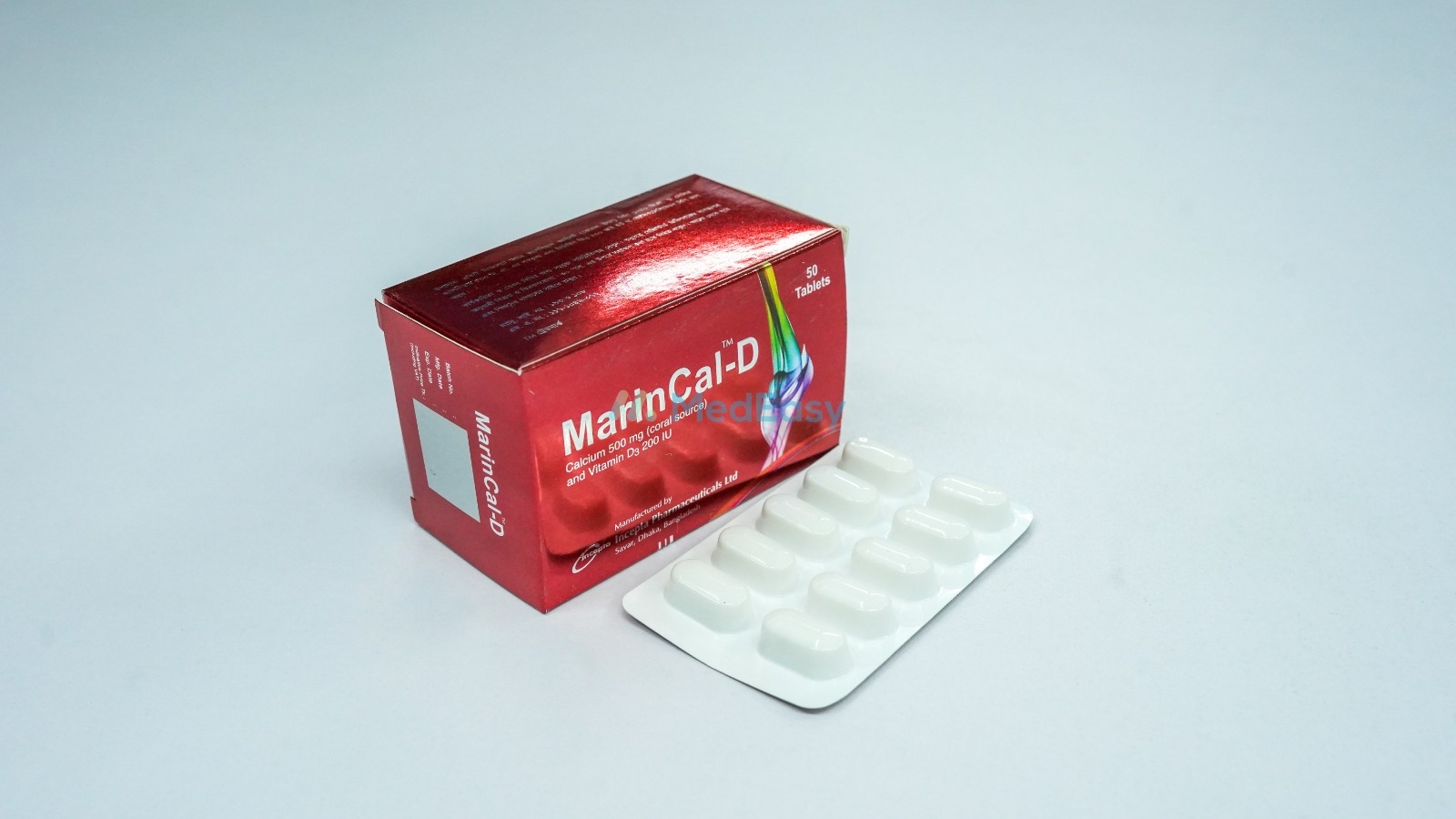
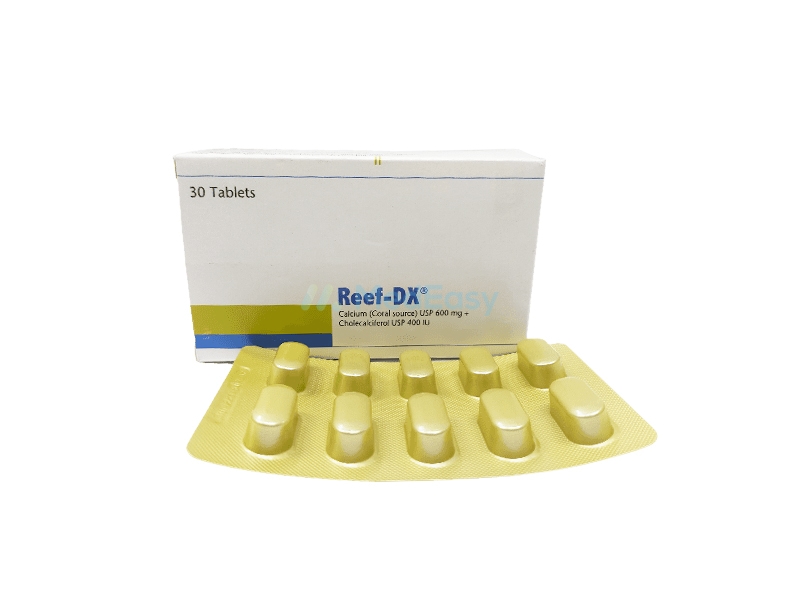
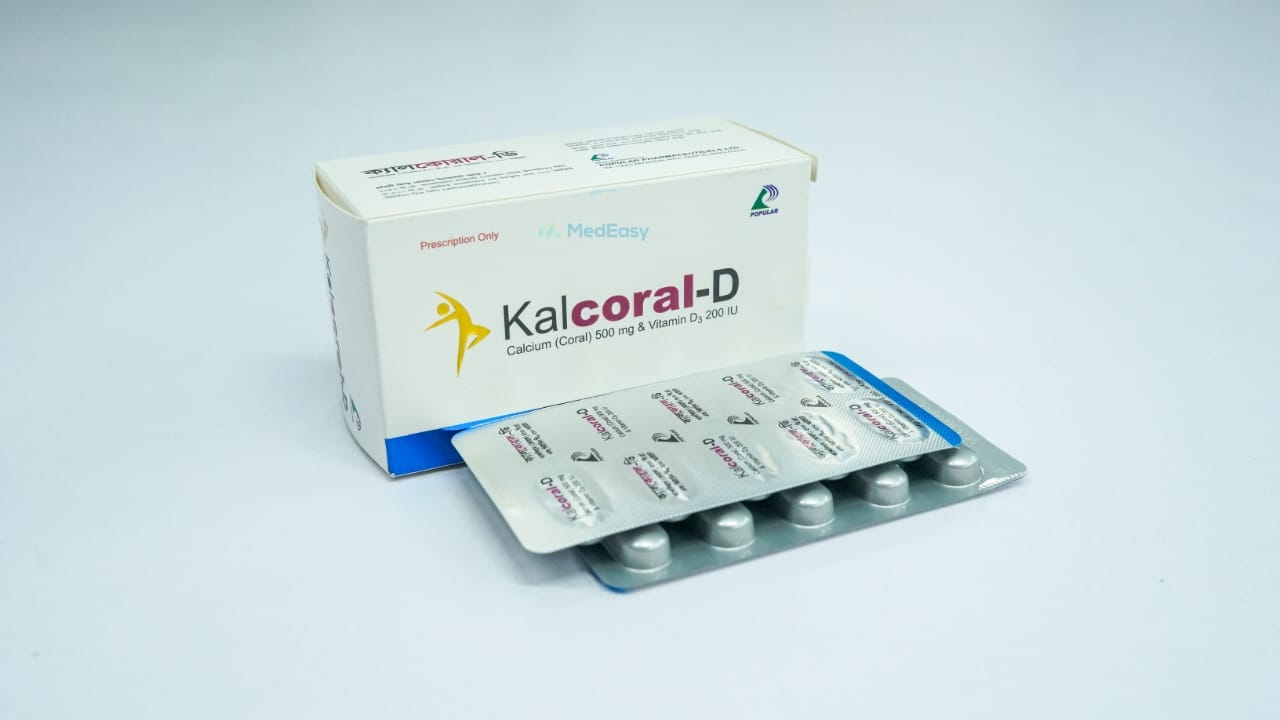
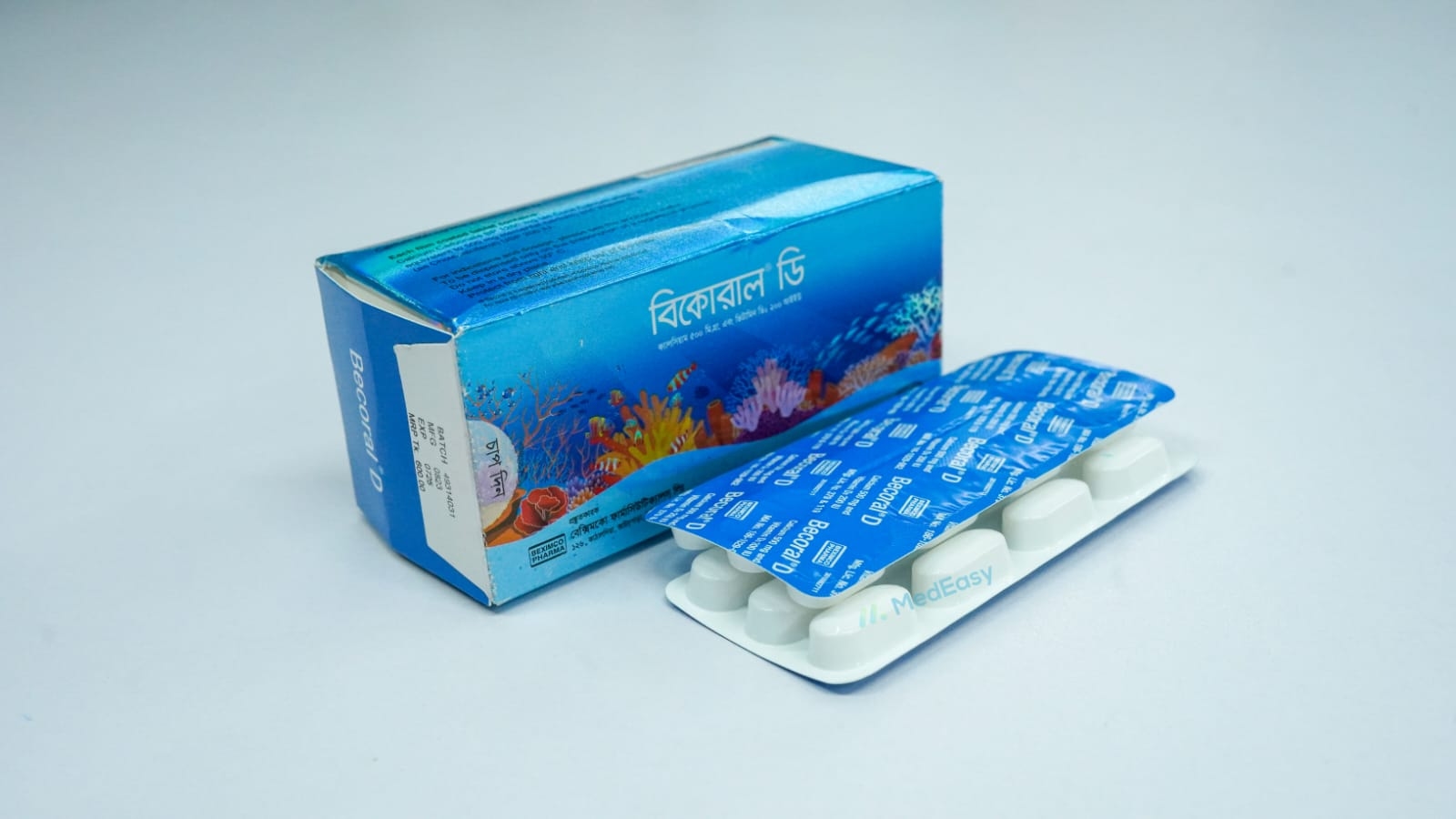
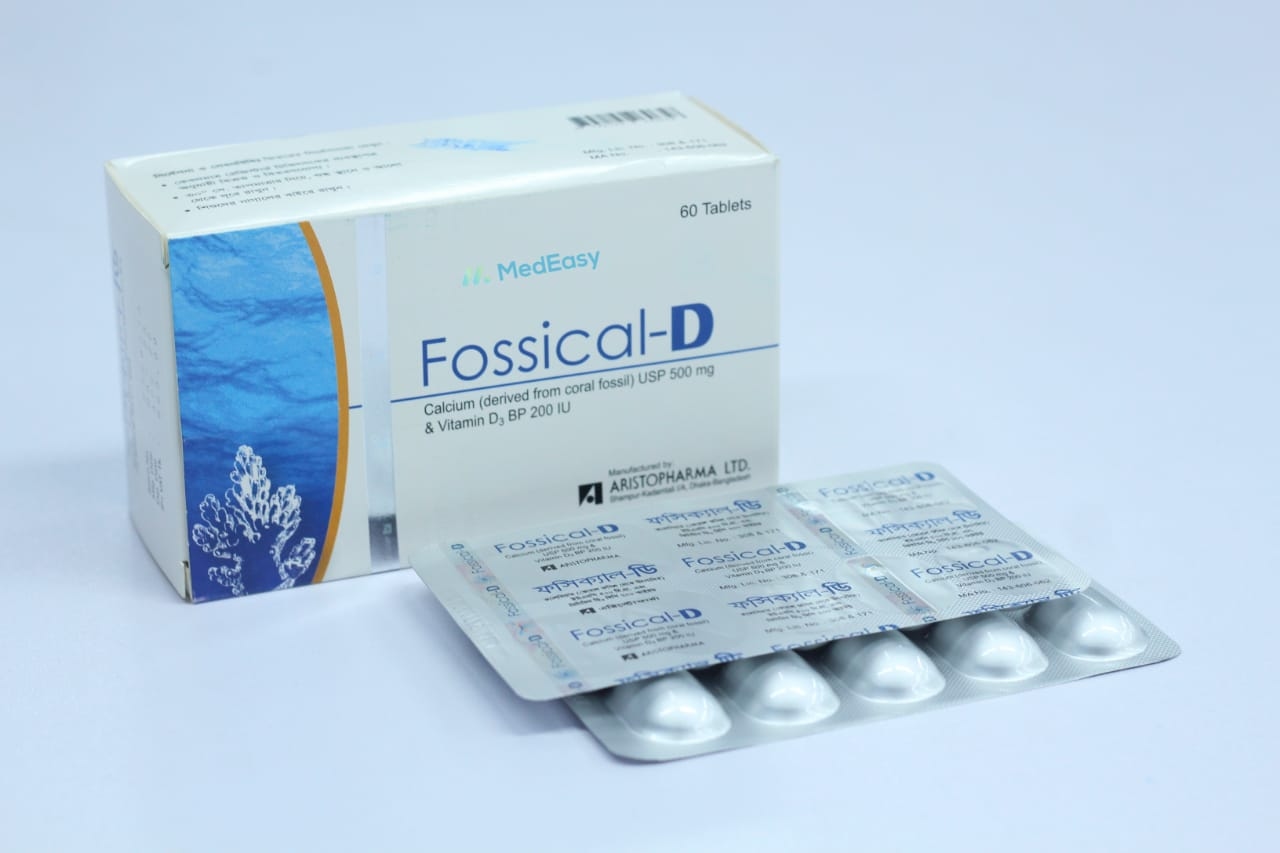
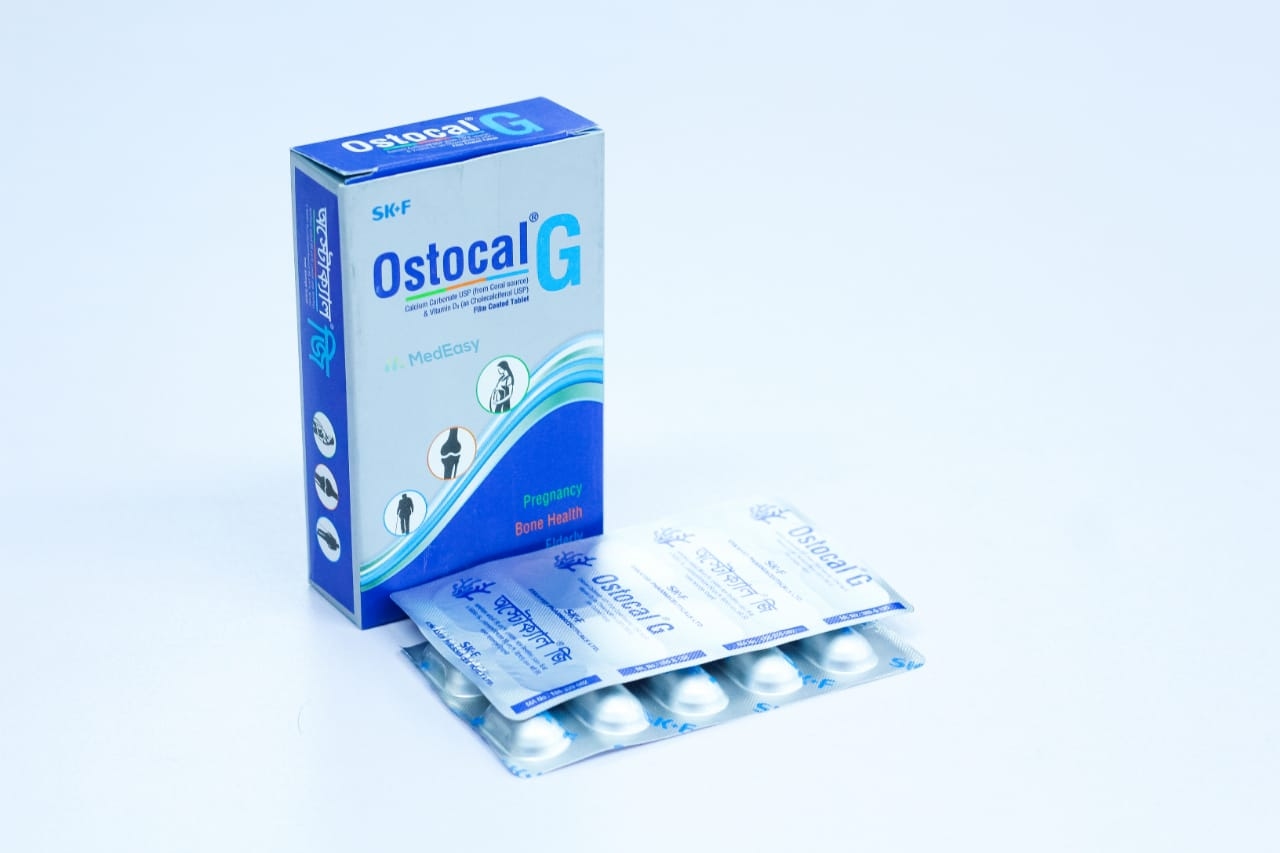
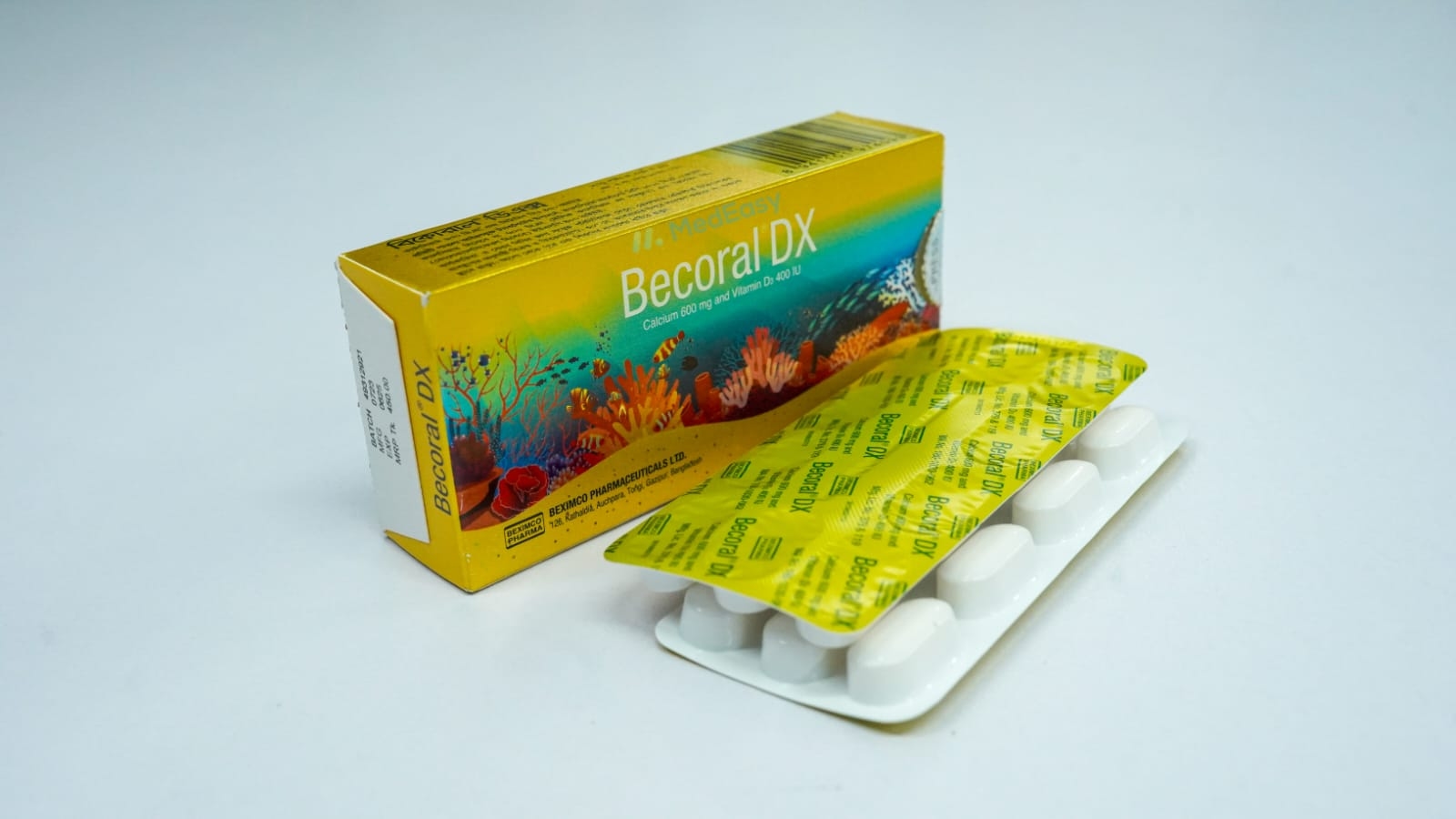
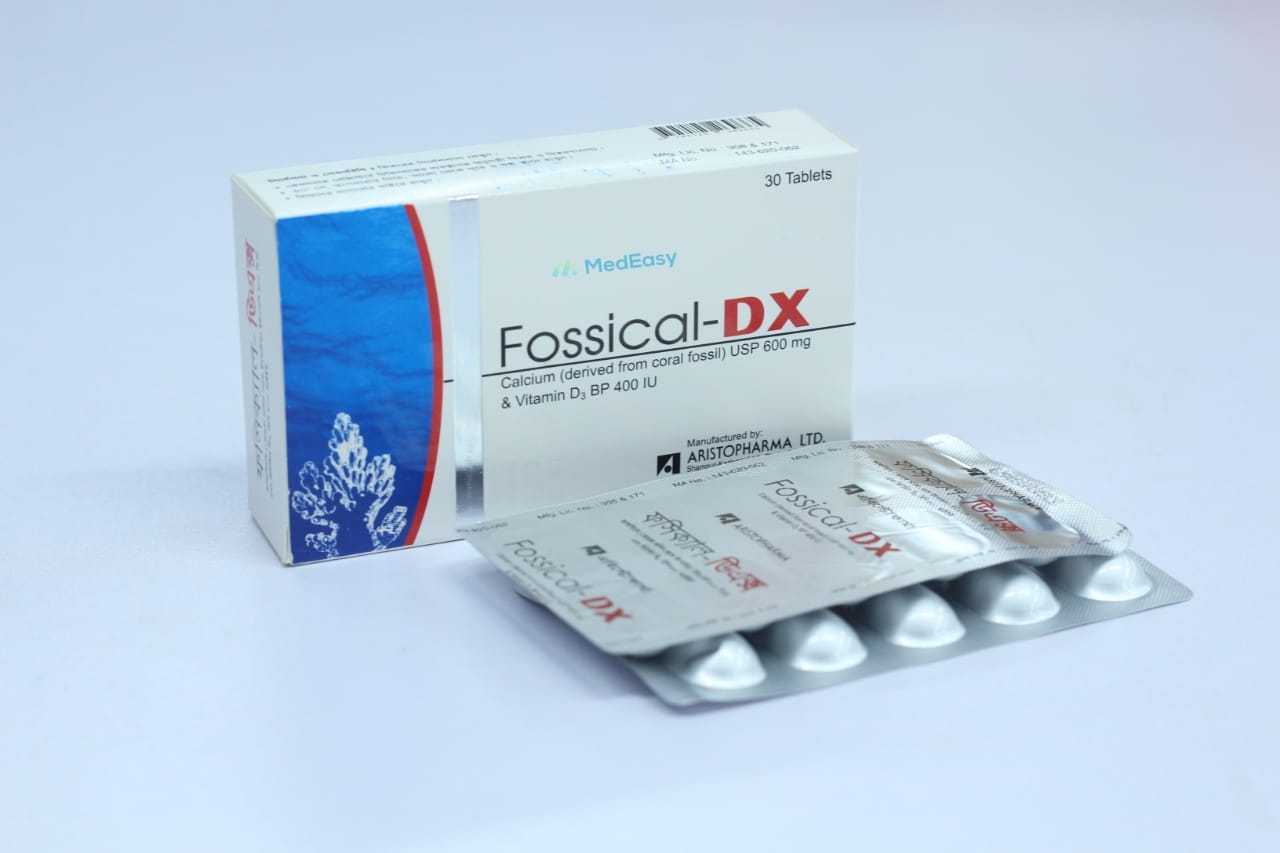
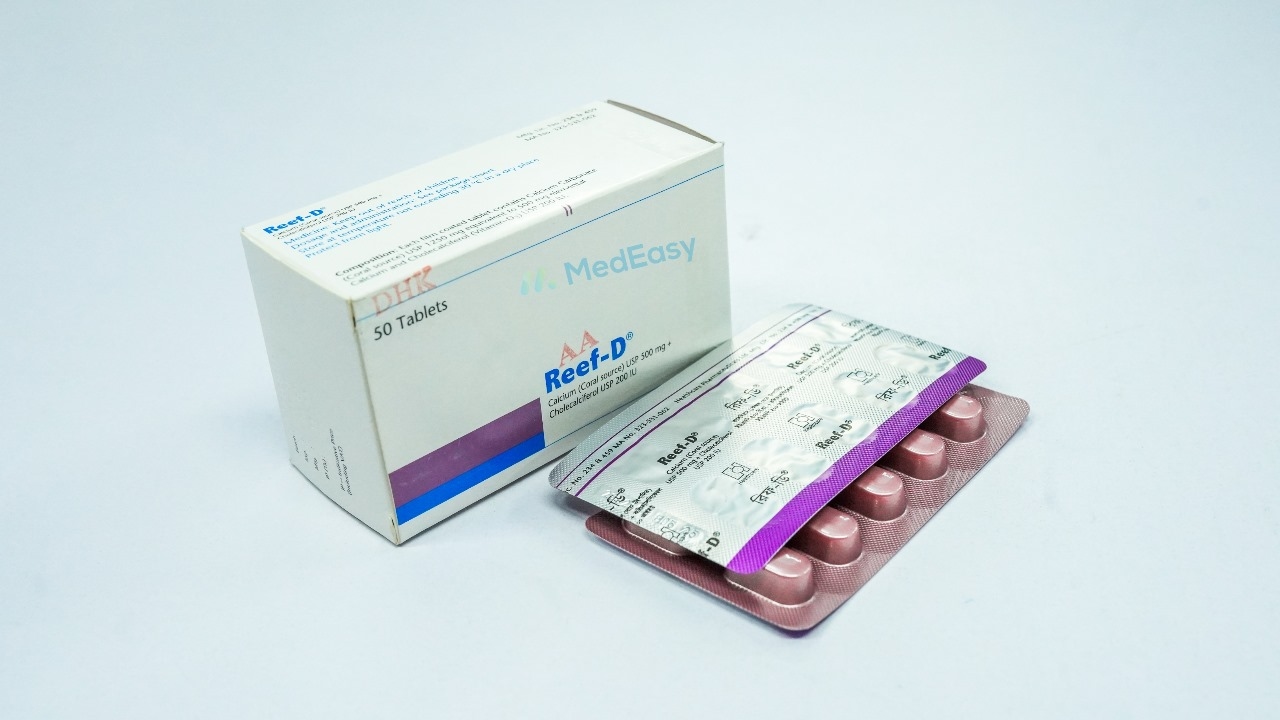
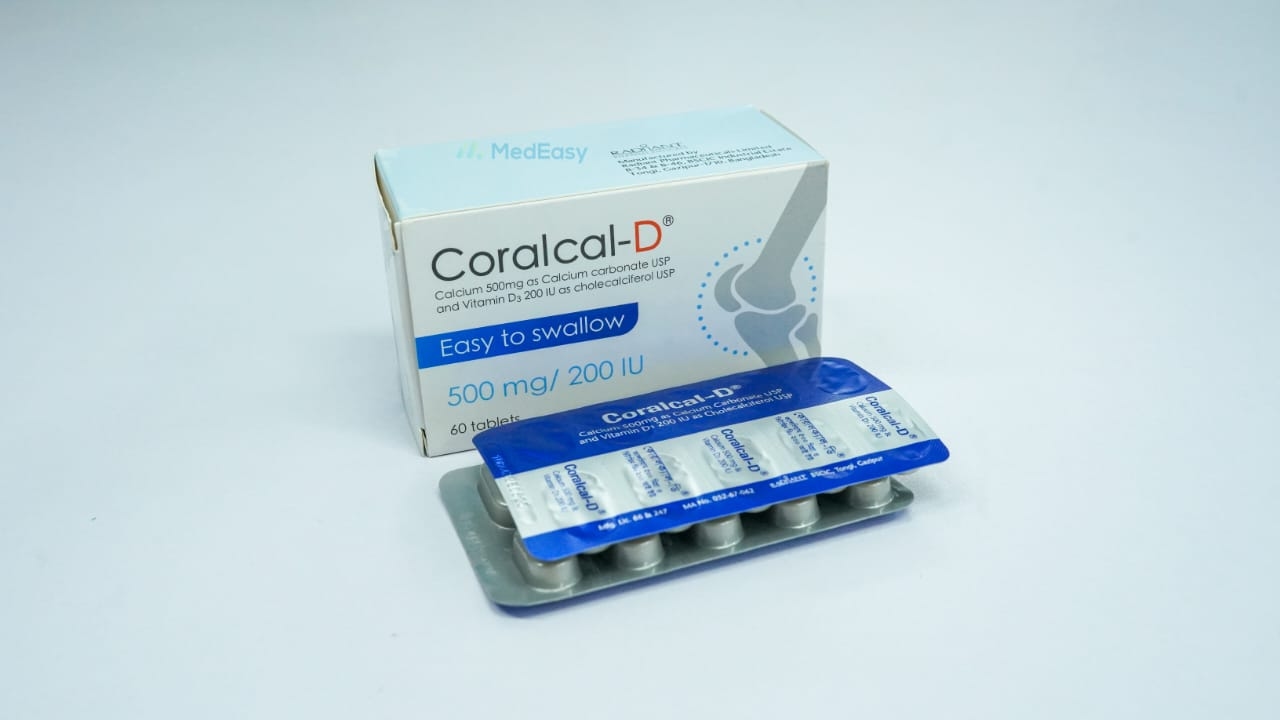
CoralCal-D
Radiant Pharmaceuticals Ltd.
৳117.00
Add to cart
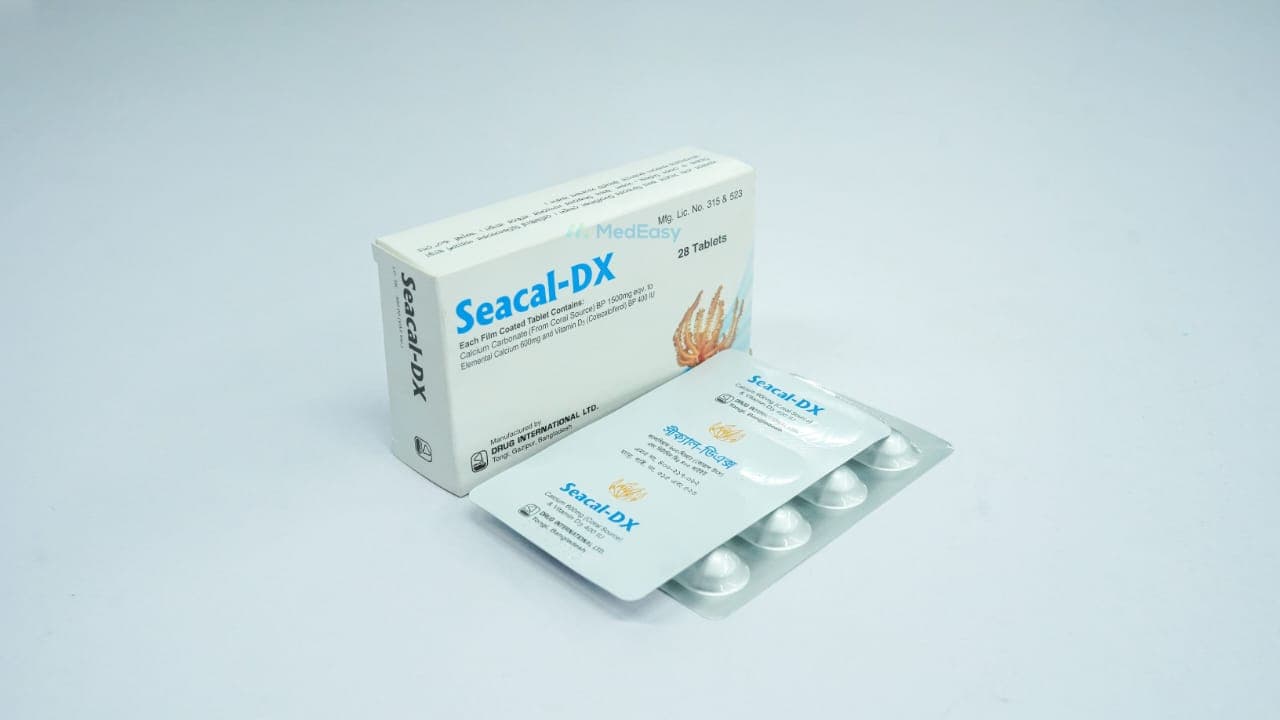

Seacal-DX is indicated for the following uses, classified by strength of evidence:
This combination is not intended to treat hypercalcemia, hypervitaminosis D, or as a substitute for prescribed anti-osteoporotic medication.
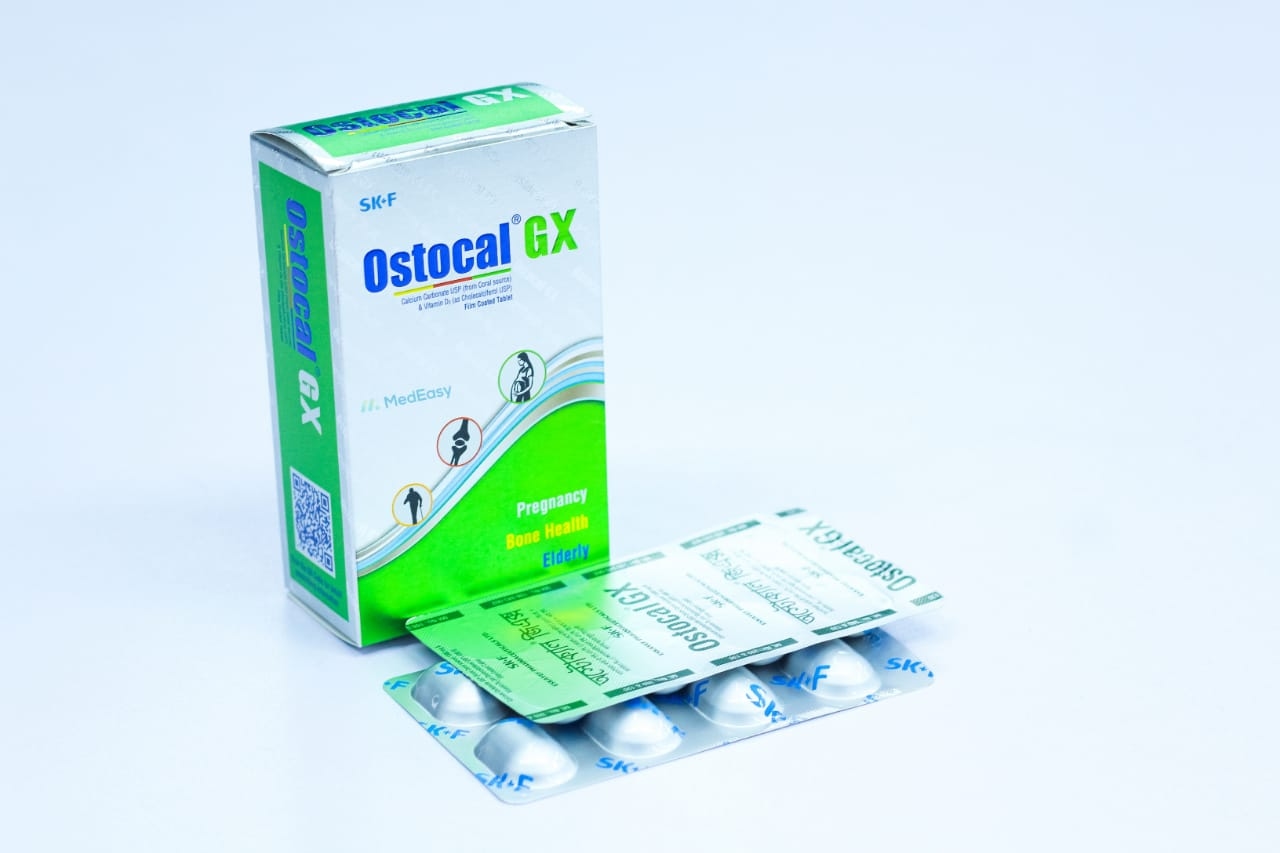
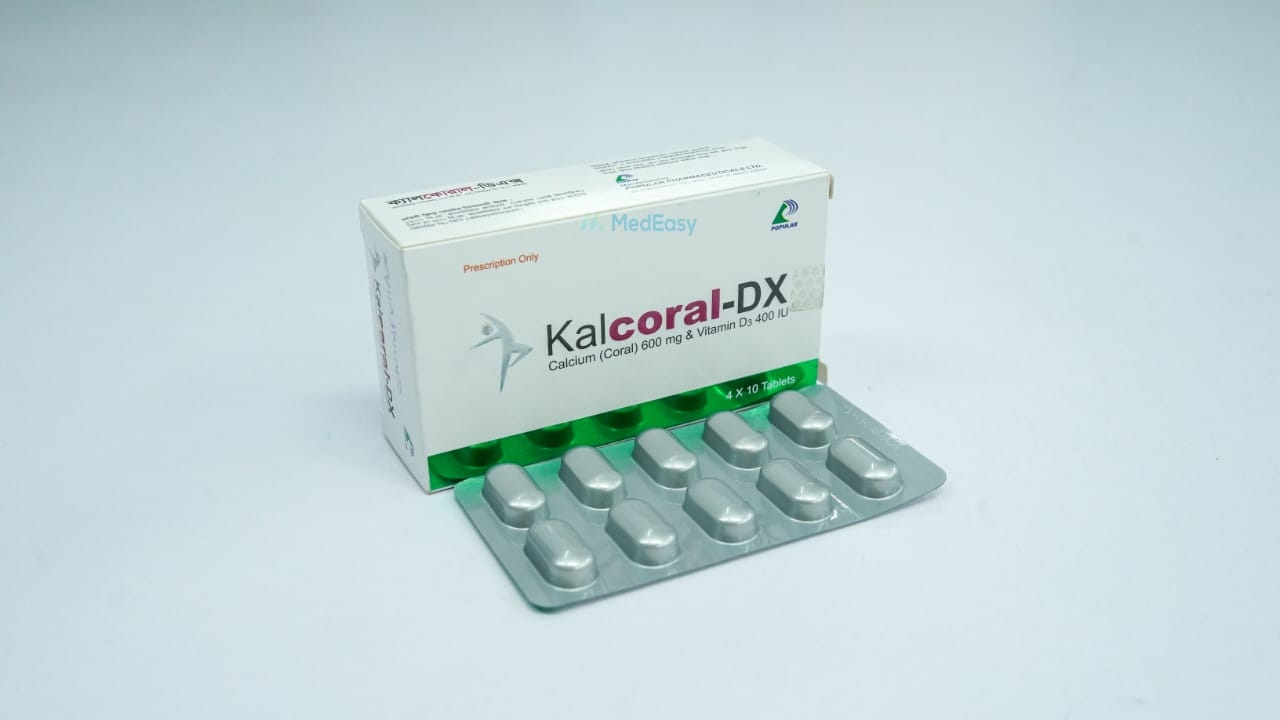
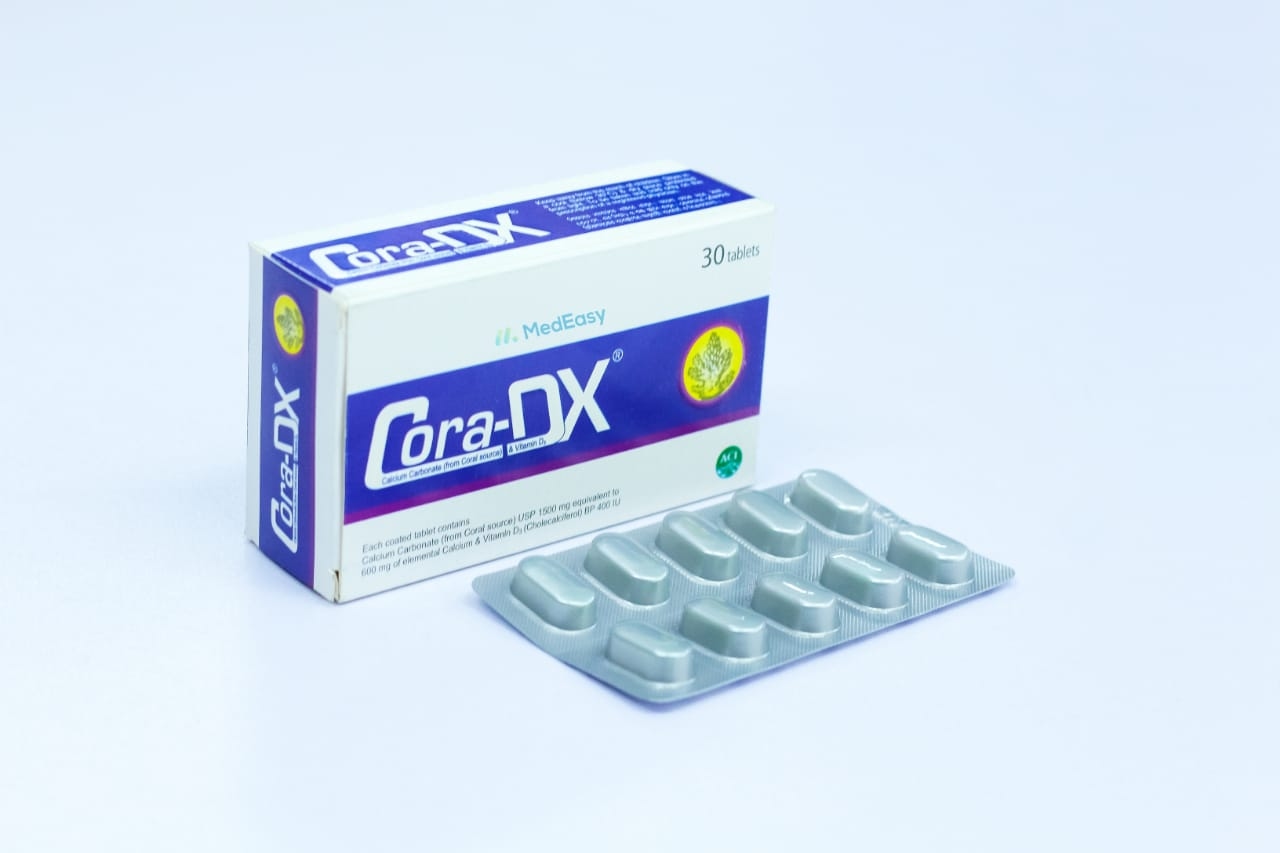
Each dose of Calcium Carbonate [Coral source] + Vitamin D3 typically provides:
Exact strengths (mg of calcium carbonate / elemental calcium and IU of vitamin D3) vary by brand and formulation (tablet, chewable tablet, or capsule); refer to the specific product label for exact quantities.
Seacal-DX is a fixed-dose oral combination supplement of calcium (as calcium carbonate derived from coral/marine sources) and vitamin D3 (cholecalciferol). Calcium is an essential mineral required for bone mineralization, muscle contraction, nerve transmission, and blood clotting. Vitamin D3 is a fat-soluble vitamin that promotes intestinal absorption of calcium and phosphate and supports normal bone mineralization and remodeling.
Coral-sourced calcium carbonate is a naturally derived form of calcium carbonate; nutritionally and pharmacologically it behaves the same as other pharmaceutical-grade calcium carbonate once ingested, providing elemental calcium after dissolution in gastric acid. Combining calcium with vitamin D3 improves calcium absorption and utilization compared with calcium alone, which is why the two are frequently combined in a single product for the prevention and treatment of calcium/vitamin D deficiency and as part of bone health regimens.
Seacal-DX belongs to the therapeutic class of calcium supplements combined with vitamin D analogues, used in the management of mineral and bone metabolism disorders.
Calcium carbonate dissociates in the acidic environment of the stomach to release calcium ions, which are absorbed primarily in the duodenum and proximal jejunum via both active (vitamin D-dependent) and passive transport. Absorbed calcium is incorporated into bone mineral (hydroxyapatite), and also plays essential roles in muscle contraction, neurotransmission, enzyme activity, and coagulation.
Vitamin D3 (cholecalciferol) is hydroxylated in the liver to 25-hydroxyvitamin D and subsequently in the kidney to the active form, 1,25-dihydroxyvitamin D (calcitriol). Calcitriol increases intestinal absorption of calcium and phosphate, promotes renal tubular reabsorption of calcium, and, together with parathyroid hormone, regulates bone remodeling.
In Calcium Carbonate [Coral source] + Vitamin D3, vitamin D3 enhances the intestinal absorption of the calcium provided by calcium carbonate, improving overall calcium bioavailability and supporting bone mineralization more effectively than calcium supplementation alone.
Pharmacokinetics: Calcium absorption from calcium carbonate is enhanced by gastric acid and is therefore best absorbed when taken with food. Vitamin D3 is absorbed from the small intestine (with dietary fat improving absorption), stored in adipose tissue and liver, and undergoes hepatic and renal hydroxylation to its active metabolite. Excess calcium is excreted mainly in urine and feces; vitamin D and its metabolites are eliminated primarily in bile/feces.
Dosage of Seacal-DX should be individualized based on age, dietary calcium intake, and clinical indication. The following is general guidance; the exact strength per tablet/capsule of the specific brand should be checked against the product label.
| Population/Indication | Typical Dose |
|---|---|
| Adults (calcium/vitamin D deficiency, general supplementation) | 1 tablet once or twice daily, providing approximately 500–600 mg elemental calcium and 200–400 IU vitamin D3 per dose, adjusted to the specific product strength |
| Postmenopausal women / elderly (osteoporosis prevention, adjunct) | 1 tablet twice daily (or as advised by physician) to meet daily calcium (approximately 1000–1200 mg/day) and vitamin D (approximately 800–1000 IU/day) requirements, combined with dietary intake |
| Pediatric use | Not generally recommended unless specifically directed by a pediatrician; age-appropriate calcium/vitamin D formulations should be used instead |
Tablets should be taken orally, preferably with or after meals to enhance calcium absorption and reduce gastrointestinal upset (see Administration). Doses should be spaced apart from other medications with which calcium is known to interact (see Interactions).
Seacal-DX should be taken orally, swallowed with a glass of water. It is best taken with or immediately after meals, as food (and the accompanying rise in gastric acid) improves absorption of calcium carbonate. If more than one tablet per day is prescribed, doses may be split (e.g., morning and evening) to improve absorption and reduce gastrointestinal side effects. Chewable formulations, if applicable, should be chewed thoroughly before swallowing.
Seacal-DX can interact with certain medications, primarily because calcium reduces the absorption of some drugs when taken together:
To minimize interactions, separate dosing of Seacal-DX from interacting medications by at least 2 hours where possible, and inform your physician or pharmacist of all medications and supplements being taken.
Calcium Carbonate [Coral source] + Vitamin D3 is contraindicated in patients with:
Most side effects of Seacal-DX are mild and related to the gastrointestinal tract or to excessive calcium intake:
Patients on long-term, high-dose therapy should have periodic monitoring of serum calcium (see Precautions and Warnings).
Calcium and vitamin D3 supplementation at recommended dietary/supplemental doses is commonly used and generally considered beneficial during pregnancy and lactation, as requirements for both nutrients increase during these periods. However, Seacal-DX should be used only as directed by a physician, and total calcium and vitamin D intake (from diet, prenatal vitamins, and supplements combined) should not exceed recommended upper limits, as excessive intake may pose risks. Use only if clearly needed and as advised by a healthcare provider, who can individualize the dose based on dietary intake and clinical status. Consult a physician before use during pregnancy or breastfeeding.
The following precautions should be observed when using Seacal-DX:
Overdose of Seacal-DX can result in hypercalcemia and, rarely, vitamin D toxicity. Symptoms may include nausea, vomiting, constipation, abdominal pain, excessive thirst, frequent urination, muscle weakness, confusion, drowsiness, and, in severe cases, cardiac arrhythmias, kidney damage, or coma. If overdose is suspected, stop the product immediately and seek immediate medical attention or contact a poison control center/emergency services. Treatment is supportive and directed at lowering serum calcium under medical supervision; do not attempt to manage a suspected overdose at home without professional guidance.
Store at room temperature (below 30°C), away from light and moisture. Keep out of reach of children.
Elderly: Seacal-DX is commonly used in elderly patients for prevention of osteoporosis and fracture risk reduction; renal function should be monitored, as the elderly may be more susceptible to hypercalcemia.
Renal impairment: Use with caution in mild-to-moderate renal impairment with monitoring of serum calcium; contraindicated in severe renal impairment (see Contraindications).
Hepatic impairment: No specific dose adjustment is generally required, but vitamin D activation may be impaired in significant hepatic disease; use with medical guidance.
Pediatric population: Not generally recommended for children unless specifically directed by a pediatrician; age-appropriate pediatric calcium/vitamin D formulations with weight-based dosing should be used instead (see Pediatric Uses).
Duration of treatment with Seacal-DX depends on the indication and should be determined by a physician. For correction of documented deficiency, treatment is often continued for several weeks to months with periodic reassessment of calcium and vitamin D status. For long-term bone health maintenance (e.g., in postmenopausal women or the elderly), supplementation may be continued long-term as part of an overall osteoporosis prevention strategy, with periodic monitoring of serum calcium, especially with prolonged high-dose use.
Calcium Carbonate [Coral source] + Vitamin D3 falls under the following drug classes:
Calcium Carbonate [Coral source] + Vitamin D3 works through the combined action of its two components: calcium carbonate dissolves in gastric acid to release elemental calcium, which is absorbed in the small intestine and incorporated into bone mineral, while also supporting neuromuscular and cardiac function; vitamin D3 is converted in the body to its active form, calcitriol, which increases intestinal absorption of calcium and phosphate and regulates bone mineralization and remodeling. Together, the combination improves calcium bioavailability and supports bone health more effectively than either component alone.
Seacal-DX is not generally recommended for use in children, as pediatric dosing has not been well established for this specific coral-source calcium carbonate/vitamin D3 combination product; safety and efficacy in the pediatric population have not been formally established for this exact formulation. Where calcium and vitamin D supplementation is needed in children (e.g., for documented deficiency or rickets prevention), age-appropriate pediatric formulations with weight-based or age-based dosing, as recommended by a pediatrician (e.g., in line with AAP guidance on vitamin D and calcium intake in infants, children, and adolescents), should be used instead. Any use of Seacal-DX in children should only be under direct medical supervision.
Q: What is Seacal-DX Tablet used for?
A: Seacal-DX Tablet is used to prevent and treat calcium and vitamin D deficiency, and as an adjunct in the prevention and management of osteoporosis, particularly in postmenopausal women, the elderly, and people with inadequate dietary calcium intake.
Q: How should I take Seacal-DX Tablet?
A: Seacal-DX Tablet should be taken orally with a glass of water, preferably with or immediately after meals, as food improves absorption of the calcium carbonate component. Follow the dose recommended by your physician or the product label.
Q: Can Seacal-DX Tablet be taken during pregnancy?
A: Calcium and vitamin D supplementation at recommended doses is commonly used and generally considered beneficial during pregnancy, since requirements increase during this period. However, Seacal-DX Tablet should be used only as directed by a physician, who can advise on the appropriate dose based on your overall diet and prenatal vitamin intake.
Q: What are the common side effects of Seacal-DX Tablet?
A: The most common side effects are gastrointestinal, including constipation, bloating, gas, and mild stomach upset. Excessive or prolonged high-dose use can lead to hypercalcemia, so it is important not to exceed the recommended dose.
Q: Can Seacal-DX Tablet be taken with other medications?
A: Seacal-DX Tablet can reduce the absorption of certain medications, including tetracycline antibiotics, some thyroid medications (like levothyroxine), and bisphosphonates. If you take any of these, space your doses at least 2-4 hours apart from Seacal-DX Tablet and inform your physician or pharmacist about all medications you are taking.
Q: What should I do if I take too much Seacal-DX Tablet?
A: If you suspect you have taken more than the recommended dose of Seacal-DX Tablet, stop taking it and seek immediate medical attention or contact a poison control center, as excessive intake can cause hypercalcemia with symptoms such as nausea, vomiting, confusion, and muscle weakness.
Disclaimer
The information provided is accurate to the best of our knowledge, but it does not replace professional medical advice. We cannot guarantee its completeness or accuracy, and the absence of specific information about a drug should not be taken as an endorsement. We are not responsible for any consequences arising from this information, so please consult a healthcare professional for any concerns or questions.