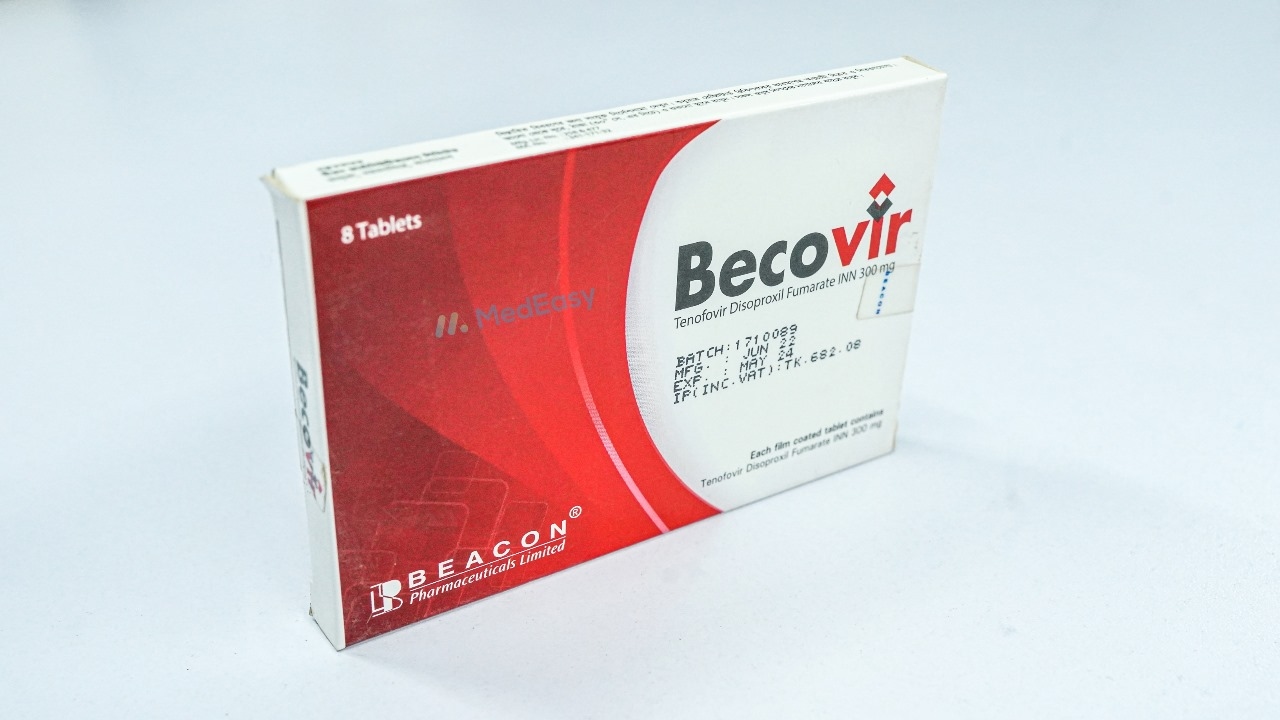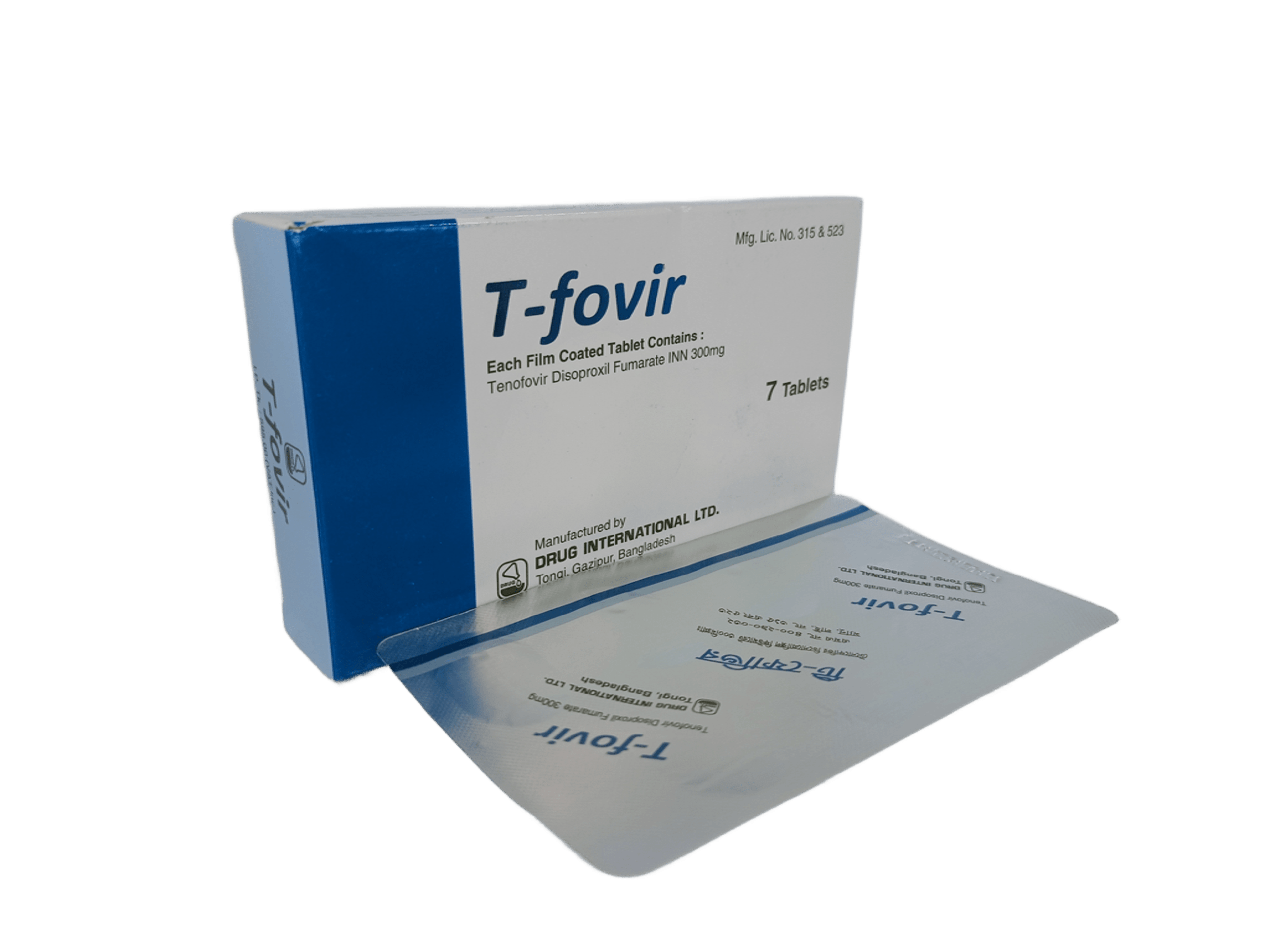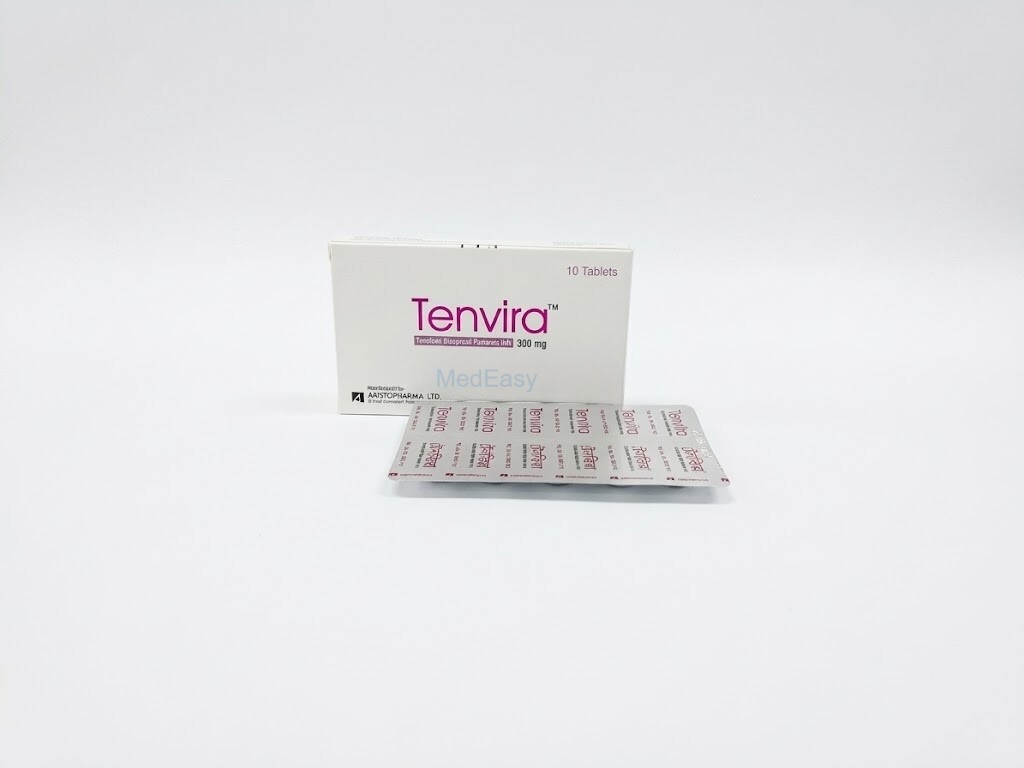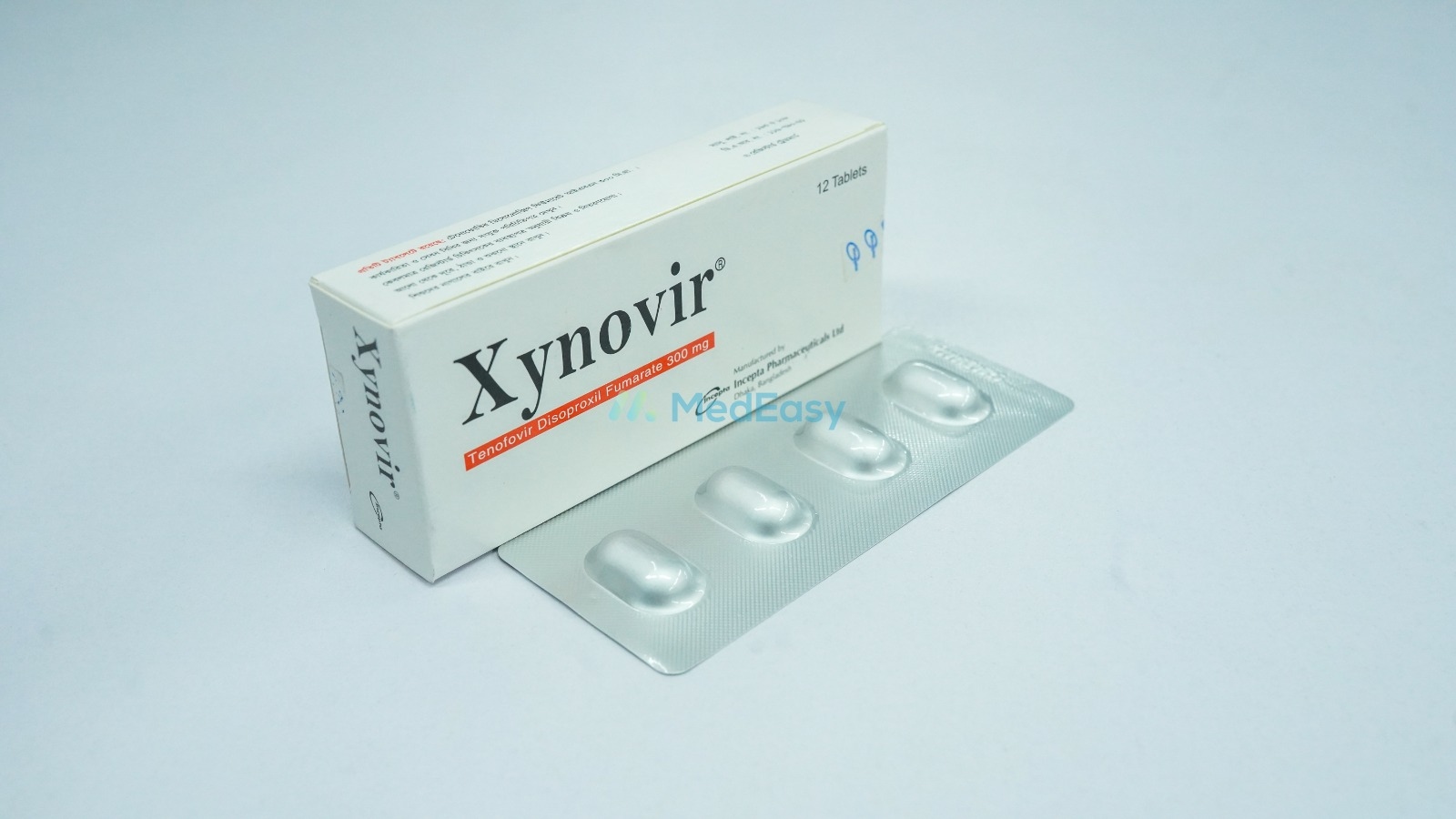
10% Off
Xynovir300 mg
Incepta Pharmaceuticals Ltd.
৳918.00
Add to cart


Tafovir is a nucleotide reverse transcriptase inhibitor (NtRTI) used in the following clinical settings:
For the HIV-1 treatment and HIV PrEP indications, Tafovir must always be given as part of a complete antiretroviral regimen together with other agents; it must never be used as HIV monotherapy, since this risks development of viral resistance.
Tafovir is used off-label in some prevention-of-mother-to-child-transmission (PMTCT) protocols for pregnant women living with HIV, under specialist guidance, and in some settings as part of post-exposure prophylaxis (PEP) regimens.
Each tablet contains Tenofovir Disoproxil Fumarate in an amount equivalent to 245 mg of tenofovir (commonly formulated as Tenofovir Disoproxil Fumarate 300 mg per tablet), together with standard pharmaceutical excipients. An oral powder formulation of Tenofovir Disoproxil Fumarate is also available for patients, particularly children, who are unable to swallow tablets; each level scoop of the oral powder typically delivers a specific measured dose of Tenofovir Disoproxil Fumarate and should be measured only with the manufacturer-supplied dosing scoop.
Tafovir is an antiretroviral medicine belonging to the nucleotide reverse transcriptase inhibitor (NtRTI) class. It is a prodrug that is converted in the body to tenofovir, the active moiety, which interferes with the replication of the human immunodeficiency virus (HIV) and the hepatitis B virus (HBV).
Tafovir is used, in combination with other antiretroviral agents, for the long-term treatment of HIV-1 infection, and together with emtricitabine for HIV pre-exposure prophylaxis (PrEP) in high-risk, HIV-negative individuals. It is also used for the treatment of chronic hepatitis B infection with evidence of ongoing viral replication and liver disease. It is administered orally, usually once daily, and treatment is generally long-term and directed by a specialist physician.
Tafovir belongs to the therapeutic class of antiretroviral agents, specifically the nucleotide reverse transcriptase inhibitor (NtRTI) class. It is also classified as an antiviral agent active against hepatitis B virus.
Tenofovir Disoproxil Fumarate is an acyclic nucleotide diester analogue of adenosine monophosphate. Following oral absorption, Tenofovir Disoproxil Fumarate is hydrolyzed to tenofovir and then phosphorylated intracellularly by cellular enzymes to form tenofovir diphosphate, the pharmacologically active metabolite.
Tenofovir diphosphate inhibits the activity of HIV-1 reverse transcriptase and hepatitis B virus (HBV) polymerase by competing with the natural substrate deoxyadenosine 5'-triphosphate and, after incorporation into DNA, causing DNA chain termination. Tenofovir diphosphate is a weak inhibitor of mammalian DNA polymerases, which accounts for some of its toxicity profile (notably mitochondrial and renal tubular effects).
Tenofovir Disoproxil Fumarate has activity against HIV-1, HIV-2, and hepatitis B virus. Oral bioavailability of Tenofovir Disoproxil Fumarate is enhanced when taken with a meal, particularly a high-fat meal. Tenofovir is eliminated primarily by the kidneys, through a combination of glomerular filtration and active tubular secretion.
Tafovir is administered orally, generally once daily, with or without food (though absorption is improved when taken with food, especially a high-fat meal). The dose depends on the indication, age, body weight, and renal function.
| Indication | Usual adult dose |
|---|---|
| HIV-1 infection (in combination with other antiretrovirals) | 300 mg once daily |
| HIV pre-exposure prophylaxis (PrEP), combined with emtricitabine | 300 mg once daily |
| Chronic hepatitis B infection | 300 mg once daily |
For HIV-1 treatment, Tafovir may be used in pediatric patients weighing at least 10 kg, with weight-band-based tablet or oral-powder dosing determined by a specialist. For chronic hepatitis B, use in pediatric patients is generally reserved for those aged 12 years and older weighing at least 35 kg, dosed at 300 mg once daily; safety and efficacy in younger children for the hepatitis B indication have not been fully established in all age groups. See Use in Special Populations and Pediatric Uses for further detail.
| Creatinine clearance | Adjusted dosing interval |
|---|---|
| ≥50 mL/min | 300 mg every 24 hours (standard) |
| 30–49 mL/min | 300 mg every 48 hours |
| 10–29 mL/min | 300 mg approximately twice weekly (every 72–96 hours), under close medical supervision |
| <10 mL/min, not on dialysis | Not recommended; no dosing recommendation established |
| On hemodialysis | 300 mg every 7 days, administered after completion of a dialysis session |
Renal function should be assessed before starting Tafovir and monitored periodically during treatment; see Precautions and Warnings.
If a dose of Tafovir is missed, it should be taken as soon as remembered on the same day; if it is almost time for the next dose, the missed dose should be skipped rather than doubling up. Maintaining consistent, uninterrupted dosing is important for treatment effectiveness and to reduce the risk of viral resistance.
Tafovir tablets should be swallowed whole with water; they should not be chewed or crushed. Tafovir may be taken with or without food, but taking it with a meal (especially a high-fat meal) improves absorption and is generally recommended. For patients unable to swallow tablets, the oral powder formulation may be mixed with soft food and taken immediately, using only the manufacturer-provided dosing scoop for accurate measurement. Tafovir should be taken at approximately the same time each day, exactly as prescribed, and should not be stopped or the dose changed without consulting the prescribing physician, particularly given the risk of hepatitis B flare on discontinuation (see Precautions and Warnings).
Tafovir has the following clinically significant drug interactions:
Patients should inform their physician of all other medicines, including over-the-counter drugs and supplements, before starting Tafovir.
Tenofovir Disoproxil Fumarate is contraindicated in patients with known hypersensitivity to Tenofovir Disoproxil Fumarate, tenofovir, or any component of the formulation.
Common and clinically important side effects of Tafovir include:
Patients should seek medical attention promptly for symptoms such as unusual muscle pain, difficulty breathing, marked fatigue, decreased urination, or swelling of the legs/ankles while taking Tafovir.
Pregnancy: Tafovir is one of the more extensively studied antiretrovirals in pregnancy and is widely used, in combination with other agents, in prevention-of-mother-to-child-transmission (PMTCT) programs for HIV, with an Antiretroviral Pregnancy Registry experience that has not shown an increased risk of major birth defects. Nonetheless, as with any medicine in pregnancy, Tafovir should be used during pregnancy only if the potential benefit justifies the potential risk to the fetus, and only under the guidance of a physician experienced in managing HIV or hepatitis B in pregnancy; women who are pregnant or planning pregnancy should discuss treatment options with their physician rather than starting or stopping Tafovir on their own.
Lactation: Tenofovir is present in breast milk at low levels. In HIV-infected mothers, breastfeeding recommendations depend on local guidelines regarding the risk of postnatal HIV transmission versus the benefits of breastfeeding, and mothers should follow their physician's specific advice. In hepatitis B–infected mothers being treated with Tafovir, the decision to breastfeed should also be made in consultation with a physician, weighing individual risks and benefits.
Lactic acidosis and severe hepatomegaly with steatosis, including fatal cases, have been reported with the use of nucleoside/nucleotide analogues, including Tafovir, alone or in combination with other antiretrovirals. This is a rare but serious and potentially life-threatening reaction. Tafovir should be suspended in any patient who develops clinical or laboratory findings suggestive of lactic acidosis or pronounced hepatotoxicity, even in the absence of marked transaminase elevations.
Severe acute exacerbations of hepatitis B have been reported in patients infected with hepatitis B virus who have discontinued Tafovir. Patients with hepatitis B infection who stop Tafovir must be closely monitored, with both clinical and laboratory follow-up, for at least several months after discontinuation, as flares can be severe and, in patients with advanced liver disease or cirrhosis, potentially fatal. Tafovir should never be stopped in a hepatitis B patient without explicit medical advice and a monitoring plan.
Tafovir can cause renal impairment, including Fanconi syndrome. Renal function (including serum creatinine, estimated creatinine clearance, urine glucose, and urine protein) should be assessed before starting treatment and monitored periodically during treatment, particularly in patients with pre-existing renal impairment or risk factors for renal disease, or those taking other nephrotoxic drugs. Tafovir is not recommended in patients with reduced renal function unless the dosing interval is appropriately adjusted (see Dosage and Administration).
Decreases in bone mineral density have been associated with Tafovir; monitoring of bone mineral density should be considered in patients with a history of pathologic fracture or other risk factors for osteoporosis or bone loss.
In HIV-infected patients with severe immune deficiency starting combination antiretroviral therapy that includes Tafovir, an inflammatory response to residual opportunistic infections may occur and may require further evaluation and treatment.
Tafovir does not cure HIV infection or hepatitis B infection, and patients on treatment for HIV can still transmit HIV to others through sexual contact or blood contamination; appropriate precautions should continue to be used. When used for PrEP, Tafovir (with its combination partner) must be used consistently as prescribed and does not protect against other sexually transmitted infections.
There is limited clinical experience with acute overdosage of Tafovir. If overdose of Tafovir is suspected, the patient should seek immediate medical attention or contact a poison control center/emergency services without delay. Management should be supportive, with monitoring of vital signs and clinical status; tenofovir can be removed by hemodialysis, which may be considered by treating physicians in cases of significant overdose, particularly in patients with renal impairment. Home treatment based on unverified information should not be attempted.
Store Tafovir at room temperature (below 30°C), away from light and moisture. Keep the tablets in their original container, tightly closed, as the container may include a desiccant to protect against moisture. Keep out of reach of children.
Renal impairment: Tafovir requires dosing-interval adjustment in patients with reduced renal function and is not generally recommended in patients with severe renal impairment not on hemodialysis, given the risk of drug accumulation and toxicity (see Dosage and Administration and Precautions and Warnings).
Hepatic impairment: No dose adjustment of Tafovir is required in patients with hepatic impairment, as tenofovir is not significantly metabolized by the liver; however, patients with hepatitis B and advanced liver disease or cirrhosis require particularly close monitoring, especially if Tafovir is discontinued.
Elderly patients: Clinical studies of Tafovir did not include sufficient numbers of patients aged 65 and over; because elderly patients are more likely to have decreased renal function, renal function should be monitored closely and dose adjusted as needed.
HIV/hepatitis B co-infection: In patients co-infected with HIV and hepatitis B, discontinuation of Tafovir carries the same risk of severe hepatitis B flare described in Precautions and Warnings, and treatment decisions should be individualized by a specialist.
See Pediatric Uses for use in children and adolescents.
Treatment with Tafovir for HIV-1 infection and for chronic hepatitis B is generally long-term, often lifelong for HIV, and is directed by the prescribing physician based on ongoing clinical response, viral load monitoring, and tolerability. For HIV pre-exposure prophylaxis (PrEP), Tafovir (with its combination partner) is taken for as long as the individual remains at ongoing risk of HIV exposure, as advised by their physician. Tafovir should not be stopped or the duration shortened without medical advice, particularly in patients with hepatitis B, due to the risk of severe disease flare on discontinuation.
Antiretroviral agents; Nucleotide/Nucleoside Reverse Transcriptase Inhibitors (NtRTIs/NRTIs); Antiviral agents (anti-hepatitis B)
Tenofovir Disoproxil Fumarate is a prodrug of tenofovir, which is phosphorylated intracellularly to tenofovir diphosphate. Tenofovir diphosphate competitively inhibits HIV-1 reverse transcriptase and hepatitis B virus polymerase, and its incorporation into viral DNA results in chain termination, thereby suppressing viral replication.
B
The safety and efficacy of Tafovir for HIV-1 treatment, in combination with other antiretroviral agents, have been established in pediatric patients weighing at least 10 kg, with dosing based on body weight using tablets or the oral powder formulation. Use in children weighing less than 10 kg has not been established.
For chronic hepatitis B, the safety and efficacy of Tafovir have been established mainly in pediatric patients 12 years of age and older weighing at least 35 kg, dosed at 300 mg once daily; safety and efficacy in younger children for this indication have not been fully established in all age groups, and use should be guided by a pediatric specialist.
For HIV pre-exposure prophylaxis (PrEP), Tafovir in combination with emtricitabine has been studied in adolescents weighing at least 35 kg who are at high risk of sexually acquired HIV; it is not indicated for younger children.
Long-term effects of Tafovir on growth, bone development, and renal function in children who receive treatment from a young age are still being studied, and periodic monitoring is recommended.
Q: What is Tafovir 300 mg Tablet used for?
A: Tafovir 300 mg Tablet is an antiretroviral medicine used, in combination with other antiretroviral agents, to treat HIV-1 infection; combined with emtricitabine, it is also used for HIV pre-exposure prophylaxis (PrEP) in high-risk, HIV-negative adults and adolescents; and it is used on its own to treat chronic hepatitis B virus infection in patients with active viral replication and liver disease.
Q: Is it safe to suddenly stop taking Tafovir 300 mg Tablet?
A: No. Patients being treated for hepatitis B with Tafovir 300 mg Tablet must not stop the medicine without medical supervision, because severe acute flares of hepatitis B, which can be serious or life-threatening, have been reported after stopping Tafovir 300 mg Tablet. Anyone who needs to stop Tafovir 300 mg Tablet for any reason should be closely monitored by their physician, with follow-up blood tests, for several months afterward.
Q: What are the most important side effects of Tafovir 300 mg Tablet to watch for?
A: The most notable side effects of Tafovir 300 mg Tablet involve the kidneys, including reduced kidney function and a condition called Fanconi syndrome, so kidney function is usually checked before starting and periodically during treatment. Long-term use has also been linked to decreased bone mineral density. Rarely, Tafovir 300 mg Tablet and similar medicines have caused a serious condition called lactic acidosis with liver enlargement; patients should seek urgent medical care for symptoms such as unusual muscle pain, difficulty breathing, or marked tiredness.
Q: Can Tafovir 300 mg Tablet be taken during pregnancy or while breastfeeding?
A: Tafovir 300 mg Tablet is one of the more well-studied antiretrovirals in pregnancy and is commonly used in programs to prevent mother-to-child transmission of HIV, but it should still be used in pregnancy only if a physician determines the benefits outweigh the potential risks, and only under medical supervision. Tenofovir passes into breast milk in small amounts, so whether to breastfeed while taking Tafovir 300 mg Tablet should also be decided together with a physician, based on individual circumstances.
Q: How should Tafovir 300 mg Tablet be taken, and what if I miss a dose?
A: Tafovir 300 mg Tablet is usually taken as one tablet by mouth, once daily, with or without food (though food, especially a high-fat meal, improves absorption). If a dose is missed, take it as soon as remembered the same day; if it is almost time for the next dose, skip the missed dose rather than doubling up. Tafovir 300 mg Tablet should be taken consistently, at the same time each day, exactly as prescribed.
Q: Does Tafovir 300 mg Tablet interact with other medicines?
A: Yes. Tafovir 300 mg Tablet should generally not be combined with didanosine, as it raises didanosine levels and toxicity risk. It should also be used cautiously with other medicines that can affect the kidneys, such as certain painkillers (NSAIDs) and some antibiotics, since Tafovir 300 mg Tablet itself can affect kidney function. Certain HIV medicines, such as atazanavir and lopinavir/ritonavir, can raise tenofovir levels and require closer monitoring. Always tell your physician about all medicines and supplements you are taking before starting Tafovir 300 mg Tablet.
Disclaimer
The information provided is accurate to the best of our knowledge, but it does not replace professional medical advice. We cannot guarantee its completeness or accuracy, and the absence of specific information about a drug should not be taken as an endorsement. We are not responsible for any consequences arising from this information, so please consult a healthcare professional for any concerns or questions.