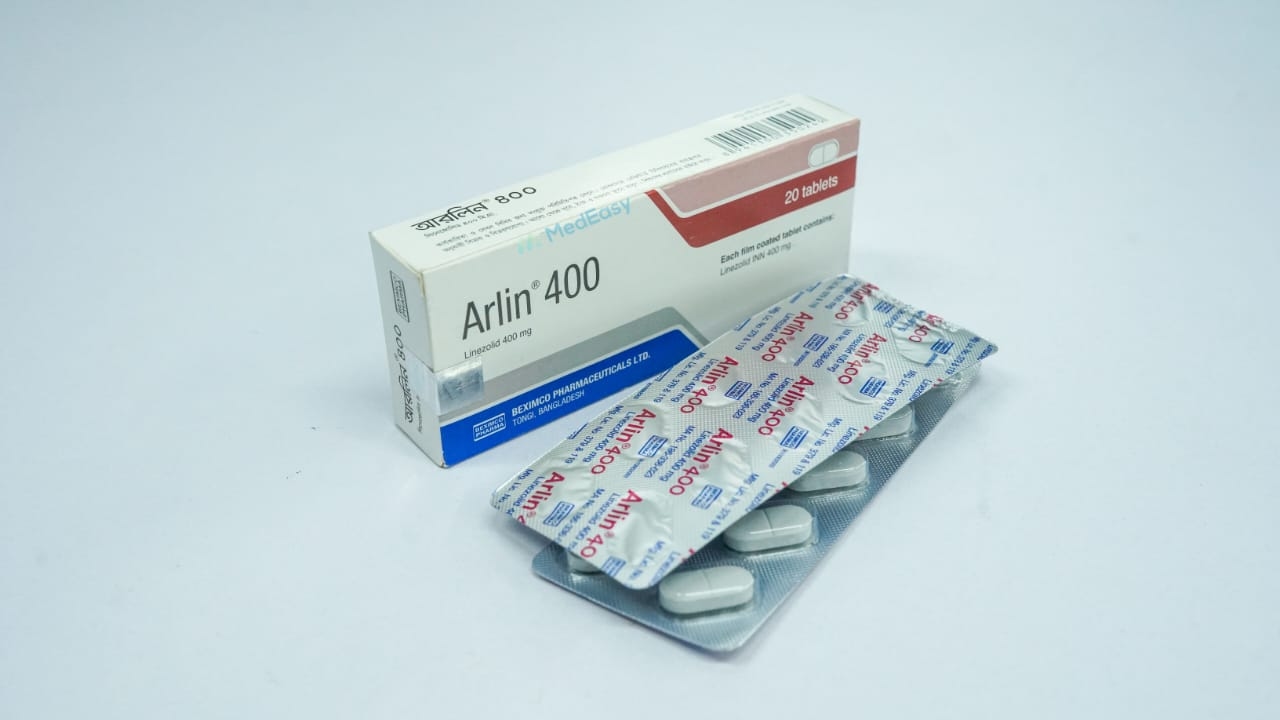
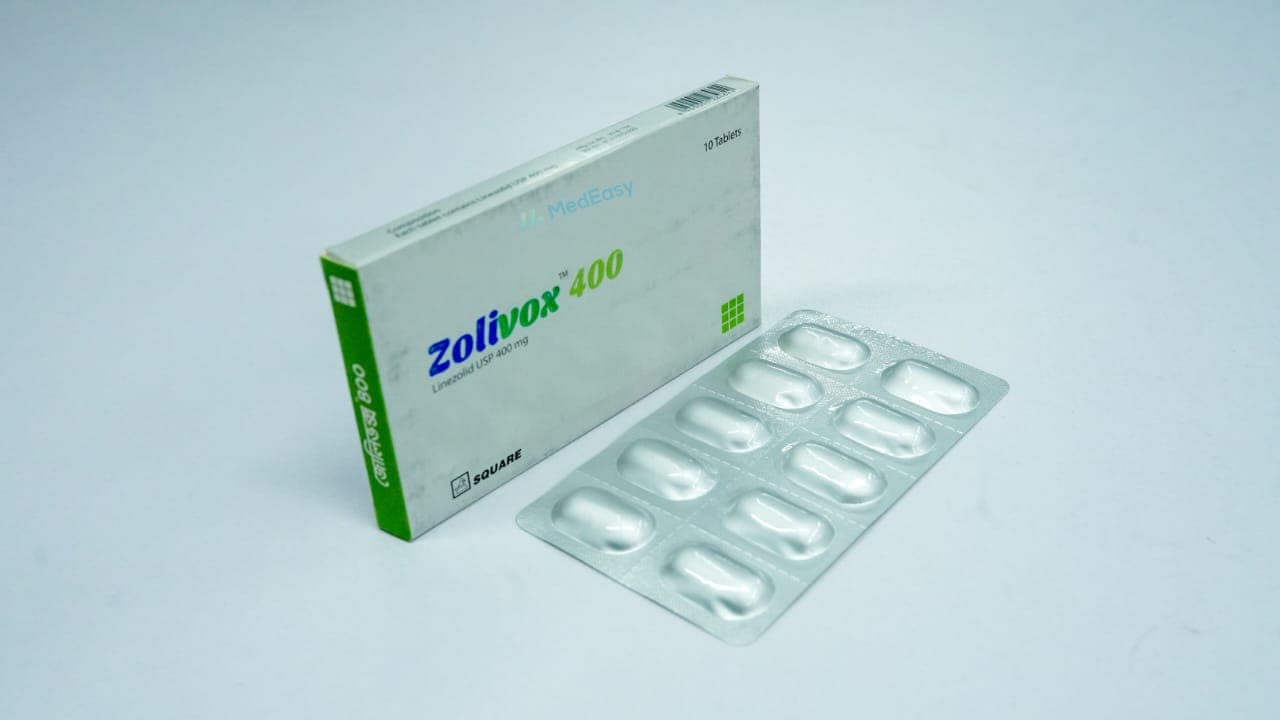
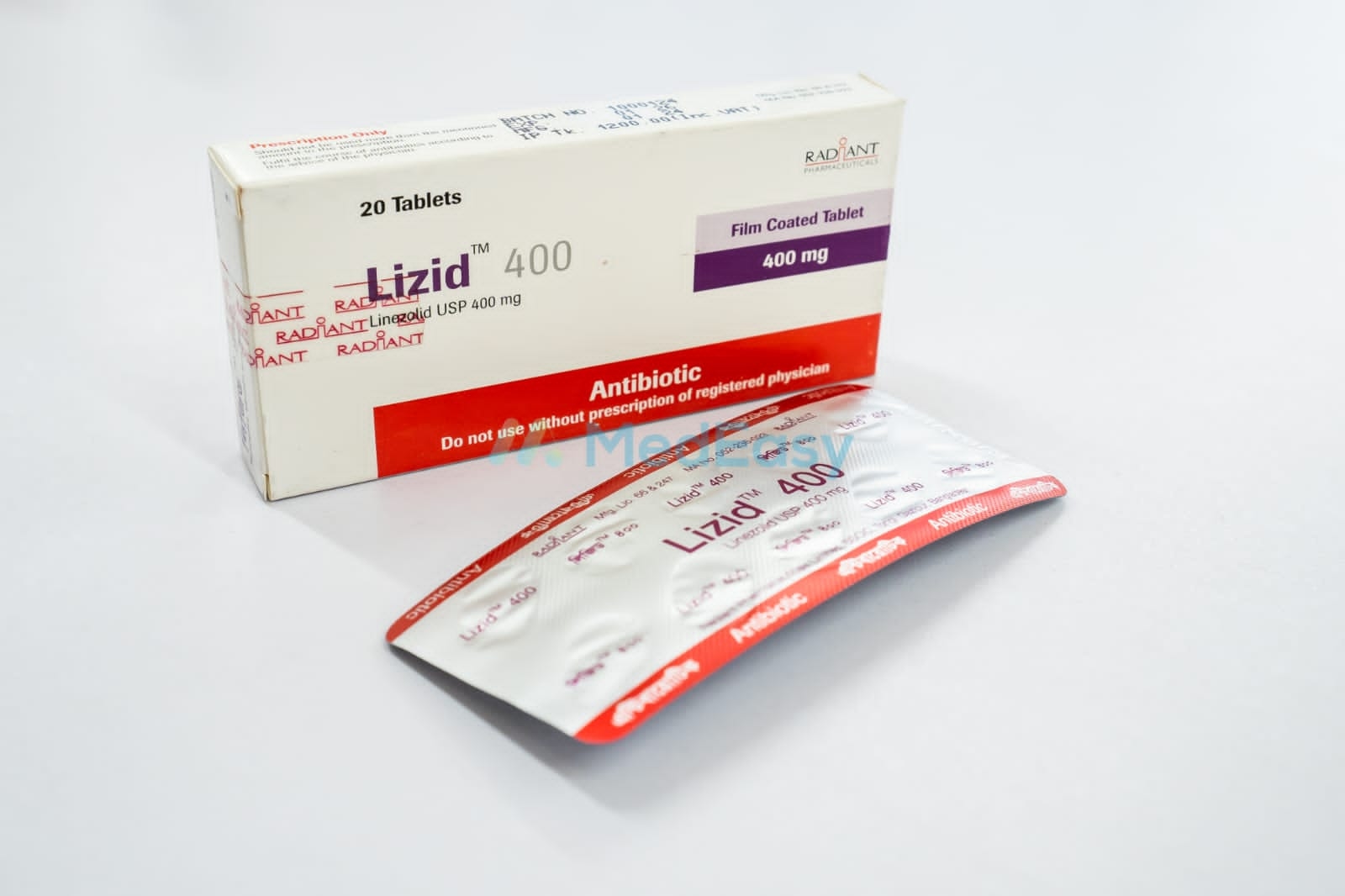
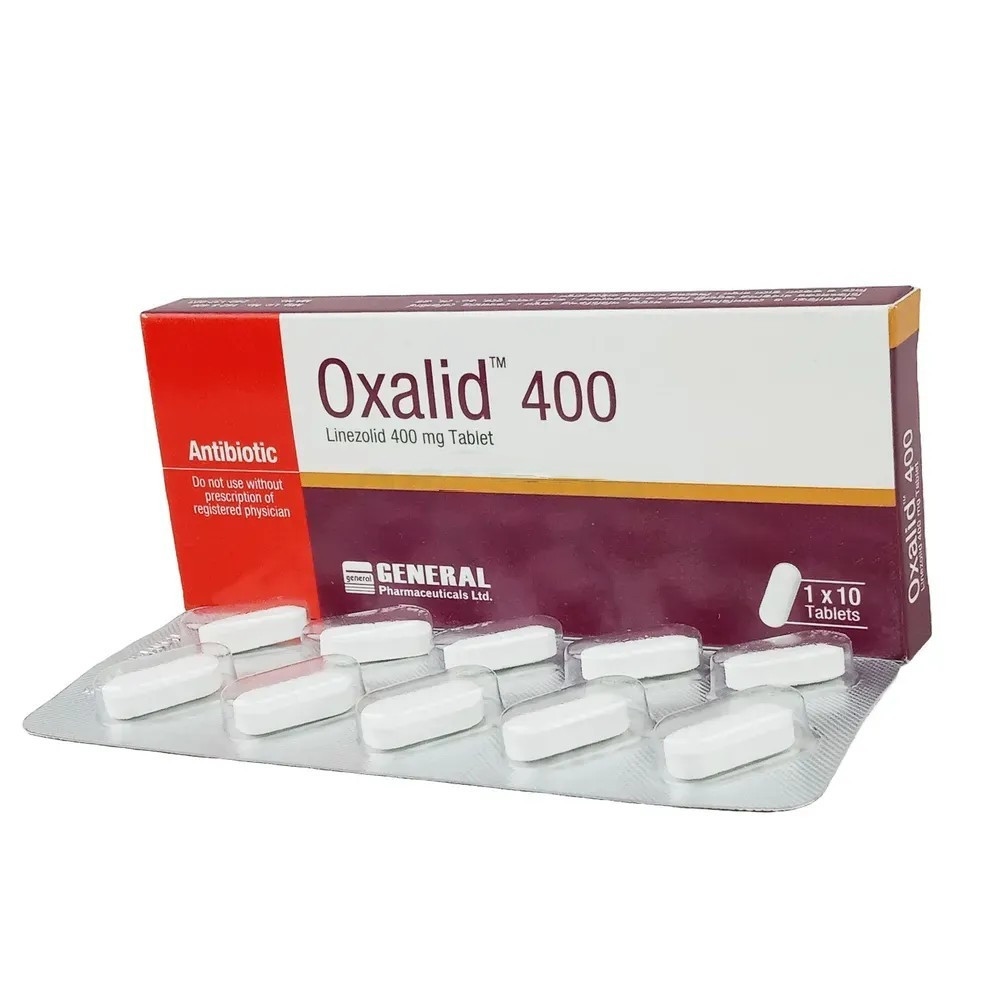
Vancomycin-Resistant Enterococcus faecium infections including cases with concurrent bacteremia.Nosocomial pneumonia caused by Staphylococcus aureus (methicillin-susceptible and -resistant strains) or Streptococcus pneumoniae (including multi-drug resistant strains). Combination therapy ... Read moreVancomycin-Resistant Enterococcus faecium infections including cases with concurrent bacteremia.Nosocomial pneumonia caused by Staphylococcus aureus (methicillin-susceptible and -resistant strains) or Streptococcus pneumoniae (including multi-drug resistant strains). Combination therapy may be clinically indicated if the documented or presumptive pathogens include Gram-negative organism.Complicated skin and skin structure infections, including diabetic foot infections (without concomitant osteomyelitis) caused by Staphylococcus aureus (methicillin-susceptible and methicillin-resistant strains), Streptococcus pyogenes or Streptococcus agalactiae.Uncomplicated skin and skin structure infections caused by Staphylococcus aureus (methicillin-susceptible only) or Streptococcus pyogenes.Community-acquired pneumonia caused by Streptococcus pneumoniae (including multi-drug resistant strains) including cases with concurrent bacteremia or Staphylococcus aureus (methicillin-susceptible strains only).
Theropeutic Class
Macrolides
Pharmacology
Zolivox 400 mg is a synthetic, antibacterial agent belonging to a new class of antibiotics, the oxazolidinones, with in vitro activity against Gram positive aerobic bacteria, some Gram positive anaerobic bacteria and certain Gram negative bacteria. It selectively inhibits bacterial protein synthesis via a mechanism of action different from that of other antibacterial agents. Zolivox 400 mg binds to the 23S ribosomal RNA of the 50S subunit of the bacterial ribosome and prevents the formation of a functional 70S initiation complex which is an essential component of the bacterial translation process. The results of time-kill studies have shown Zolivox 400 mg to be bacteriostatic against enterococci and staphylococci. For streptococci, Zolivox 400 mg was found to be bactericidal for the majority of strains.
Dosage of Zolivox 400 mg
Patients who commence treatment on the parenteral formulation may be switched to oral presentation when clinically indicated. In such circumstances, no dose adjustment is required as Zolivox 400 mg has an oral bioavailability of approximately 100%. The injection should be administered over a period of 30 to 120 minutes. The film-coated tablets or oral suspension may be taken with or without food.Complicated skin and skin structure infections, Community-acquired pneumonia, including concurrent bacteremia-
Pediatric Patients (Birth through 11 Years of Age): 10 mg/kg IV or oral t.i.d.
Adults and Adolescents (12 Years and Older): 600 mg IV or oral b.i.d.
Recommended Duration of Treatment (consecutive days): 10 to 14
Nosocomial pneumonia, Vancomycin-resistant Enterococcus faecium infections including concurrent bacteremia-
Pediatric Patients (Birth through 11 Years of Age): 10 mg/kg IV or oral t.i.d.
Adults and Adolescents (12 Years and Older): 600 mg IV or oral b.i.d.
Recommended Duration of Treatment (consecutive days): 14 to 28
Uncomplicated skin and skin structure infections-
Pediatric Patients (Birth through 11 Years of Age): <5 yrs: 10 mg/kg oral t.i.d. 5-11 yrs: 10 mg/kg oral b.i.d
Adults and Adolescents (12 Years and Older): Adults: 400 mg oral b.i.d. Adolescents: 600 mg oral b.i.d
Recommended Duration of Treatment (consecutive days): 10 to 14
Neonates <7 days: Most pre-term neonates <7 days of age (gestational age <34 weeks) have lower systemic Zolivox 400 mg clearance values and larger AUC values than many full-term neonates and older infants. These neonates should be initiated with a dosing regimen of 10 mg/kg every 12 hours. Consideration may be given to the use of 10 mg/kg in every eight hours regimen in neonates with a sub-optimal clinical response. All neonatal patients should receive 10 mg/kg t.i.d. by 7 days of life.
Administration of Zolivox 400 mg
Reconstitution of Oral Suspension: Shake the bottle to loosen powder. Add 75 ml (with the help of given cup) of boiled and cooled water to the dry mixture in the bottle. For the ease of preparation, add water to the bottle in two portions. Shake well after each addition until all the powder is in suspension.Note: Shake the suspension well before each use. Keep the bottle tightly closed. The reconstituted suspension should be stored in a cool and dry place. Use within 21 days after constitution.Intravenous Administration: Zolivox 400 mg IV Injection is supplied in single-use, ready-to-use infusion bottles. Zolivox 400 mg IV Injection should be administered by intravenous infusion over a period of 30 to 120 minutes. The intravenous infusion bottles should not be used in series connections. Additives should not be introduced into this solution. The infusion bottles should be stored at room temperature and protected from freezing. Zolivox 400 mg IV Injection may exhibit a yellow color that can intensify over time without adversely affecting potency.
Interaction of Zolivox 400 mg
Monoamine Oxidase Inhibition: Zolivox 400 mg is a reversible and nonselective inhibitor of monoamine oxidase. Therefore, Zolivox 400 mg has the potential for interaction with adrenergic and serotonergic agents.Adrenergic Agents: Some individuals receiving Zolivox 400 mg may experience a reversible enhancement of the pressor response to indirect-acting sympathomimetic agents, vasopressor or dopaminergic agents. Initial doses of adrenergic agents such as dopamine or epinephrine should be reduced and titrated to achieve the desired response.Serotonergic Agents: Physicians should be alert to the possible signs and symptoms of serotonergic syndrome in patients receiving concomitant Zolivox 400 mg and serotonergic agents.
Contraindications
Zolivox 400 mg formulations are contraindicated for using in patients who have known hypersensitivity to Zolivox 400 mg or any of the other product components. Zolivox 400 mg should not be used in patients taking any medicinal product which inhibits monoamine oxidases A or B (e.g. Phenelzine, Isocarboxazid) or within two weeks of taking any such medicinal product. Zolivox 400 mg should not be administered to patients with uncontrolled hypertension, pheochromocytoma, thyrotoxicosis, carcinoid syndrome and/or patients taking directly and indirectly acting sympathomimetic agents (e.g. Pseudoephedrine), vasopressive agents (e.g. Epinephrine, Norepinephrine), dopaminergic agents (e.g. Dopamine, Dobutamine), serotonin re-uptake inhibitors, tricyclic antidepressants, serotonin 5-HT1 receptor agonists (triptans), meperidine or buspirone.
Side Effects of Zolivox 400 mg
Most of the adverse events reported with Zolivox 400 mg were mild to moderate in intensity. The most common adverse events in patients treated with Zolivox 400 mg were diarrhea, headache and nausea. Other adverse events includes oral moniliasis, vaginal moniliasis, hypertension, dyspepsia, localized abdominal pain, pruritus, and tongue discoloration.
Pregnancy & Lactation
Pregnancy Category C. There are no adequate and well-controlled studies in pregnant women. Zolivox 400 mg should be used during pregnancy only if the potential benefit justifies the potential risk to the fetus. It is not known whether Zolivox 400 mg is excreted in human milk. Because many drugs are excreted in human milk, caution should be exercised when Zolivox 400 mg is administered to a nursing woman.
Precautions & Warnings
Patients who develop recurrent nausea or vomiting, unexplained acidosis or low bicarbonate level while receiving Zolivox 400 mg should receive immediate medical evaluation. Where administration of Zolivox 400 mg and concomitant serotonergic agents are clinically appropriate, patients should be closely observed for signs and symptoms of serotonin syndrome such as cognitive dysfunction, hyperpyrexia, hyperreflexia and incoordination. If signs or symptoms occur, physicians should consider discontinuation of either one or both agents. If the concomitant serotonergic agent is withdrawn, discontinuation symptoms can be observed. If patients experience symptoms of visual impairment, such as changes in visual acuity, changes in color vision, blurred vision or visual field defect, prompt ophthalmic evaluation is recommended. Convulsions have been reported in patients when treated with Zolivox 400 mg. In some of these cases, a history of seizures or risk factors for seizures was reported.
Overdose Effects of Zolivox 400 mg
No cases of overdose have been reported. Symptomatic and supportive care is advised together with maintenance of glomerular filtration. Approximately 30% of a Zolivox 400 mg dose is removed during 3 hours of haemodialysis. No data are available for the removal of Zolivox 400 mg by peritoneal dialysis or haemoperfusion.
Storage Conditions
Zolivox 400 mg formulations should be stored at room temperature (15°C-30°C), away from light and moisture. All medicines should be kept away from children.
Reconstitution
Reconstitution of Oral Suspension: Shake the bottle to loosen powder. Add 75 ml (with the help of given cup) of boiled & cooled water to the dry mixture in the bottle. For ease of preparation add water to the bottle in two portions. Shake well after each addition until all the powder is in suspension. Shake the suspension well before use. Keep the bottle tightly closed. The reconstituted suspension should be stored in a cool & dry place. Use within 21 days after reconstitution.Intravenous Administration: Zolivox 400 mg IV Injection is supplied in single-use, ready-to-use infusion bags. Parenteral drug products should be inspected visually for particulate matter prior to administration. Minute leaks should be checked by firmly squeezing the bag. If leaks are detected, the solution should be discarded, as sterility may be impaired. Zolivox 400 mg IV Injection should be administered by intravenous infusion over a period of 30 to 120 minutes. The intravenous infusion bag should not be used in series connections. Additives should not be introduced into this solution. The infusion bag should be stored at room temperature and protected from freezing. Zolivox 400 mg IV Injection may exhibit a yellow color that can intensify over time without adversely affecting potency.
Drug Classes
Macrolides
Mode Of Action
Zolivox 400 mg is a synthetic, antibacterial agent belonging to a new class of antibiotics, the oxazolidinones, with in vitro activity against Gram positive aerobic bacteria, some Gram positive anaerobic bacteria and certain Gram negative bacteria. It selectively inhibits bacterial protein synthesis via a mechanism of action different from that of other antibacterial agents. Zolivox 400 mg binds to the 23S ribosomal RNA of the 50S subunit of the bacterial ribosome and prevents the formation of a functional 70S initiation complex which is an essential component of the bacterial translation process. The results of time-kill studies have shown Zolivox 400 mg to be bacteriostatic against enterococci and staphylococci. For streptococci, Zolivox 400 mg was found to be bactericidal for the majority of strains.
Pregnancy
Pregnancy Category C. There are no adequate and well-controlled studies in pregnant women. Zolivox 400 mg should be used during pregnancy only if the potential benefit justifies the potential risk to the fetus. It is not known whether Zolivox 400 mg is excreted in human milk. Because many drugs are excreted in human milk. Caution should be exercised when Zolivox 400 mg is administered to a nursing woman.
Frequently Asked Questions
What is Zolivox 400 mg used for?
Vancomycin-Resistant Enterococcus faecium infections including cases with concurrent bacteremia.Nosocomial pneumonia caused by Staphylococcus aureus (methicillin-susceptible and -resistant strains) or Streptococcus pneumoniae (including multi-drug resistant strains). Combination therapy ... Read moreVancomycin-Resistant Enterococcus faecium infections including cases with concurrent bacteremia.Nos…
What is the dosage of Zolivox 400 mg?
Patients who commence treatment on the parenteral formulation may be switched to oral presentation when clinically indicated. In such circumstances, no dose adjustment is required as Zolivox 400 mg has an oral bioavailability of approximately 100%. The injection should be administered over a period of 30 to 120 minutes. The film-coated tablets or oral suspension may be taken with or without food.C…
What are the side effects of Zolivox 400 mg?
Most of the adverse events reported with Zolivox 400 mg were mild to moderate in intensity. The most common adverse events in patients treated with Zolivox 400 mg were diarrhea, headache and nausea. Other adverse events includes oral moniliasis, vaginal moniliasis, hypertension, dyspepsia, localized abdominal pain, pruritus, and tongue discoloration.
Who should not take Zolivox 400 mg?
Zolivox 400 mg formulations are contraindicated for using in patients who have known hypersensitivity to Zolivox 400 mg or any of the other product components. Zolivox 400 mg should not be used in patients taking any medicinal product which inhibits monoamine oxidases A or B (e.g. Phenelzine, Isocarboxazid) or within two weeks of taking any such medicinal product. Zolivox 400 mg should not be admi…
What precautions should be taken with Zolivox 400 mg?
Patients who develop recurrent nausea or vomiting, unexplained acidosis or low bicarbonate level while receiving Zolivox 400 mg should receive immediate medical evaluation. Where administration of Zolivox 400 mg and concomitant serotonergic agents are clinically appropriate, patients should be closely observed for signs and symptoms of serotonin syndrome such as cognitive dysfunction, hyperpyrexia…
Is Zolivox 400 mg safe during pregnancy and breastfeeding?
Pregnancy Category C. There are no adequate and well-controlled studies in pregnant women. Zolivox 400 mg should be used during pregnancy only if the potential benefit justifies the potential risk to the fetus. It is not known whether Zolivox 400 mg is excreted in human milk. Because many drugs are excreted in human milk, caution should be exercised when Zolivox 400 mg is administered to a nursing…
Disclaimer
The information provided is accurate to our best practices, but it does not replace professional medical advice. We cannot guarantee its completeness or accuracy. The absence of specific information about a drug should not be seen as an endorsement. We are not responsible for any consequences resulting from this information, so consult a healthcare professional for any concerns or questions.