10% Off
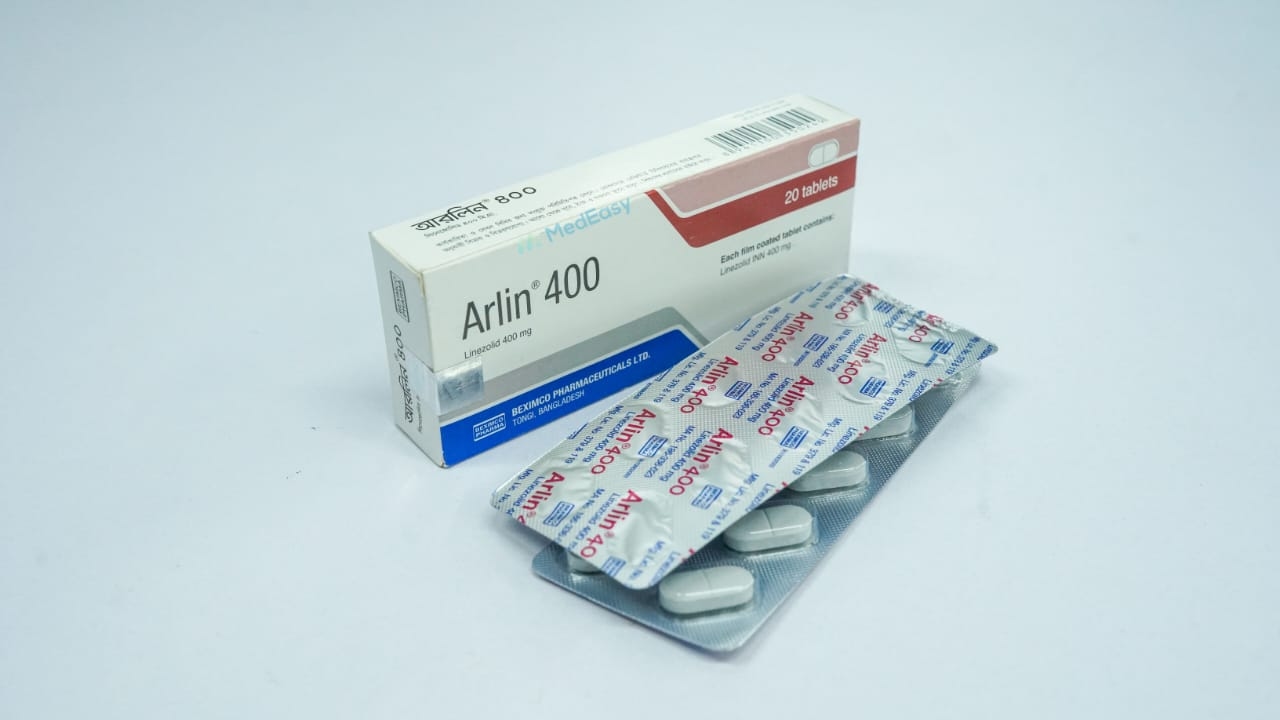
Arlin400 mg
Beximco Pharmaceuticals Ltd.
৳54.00
Add to cart

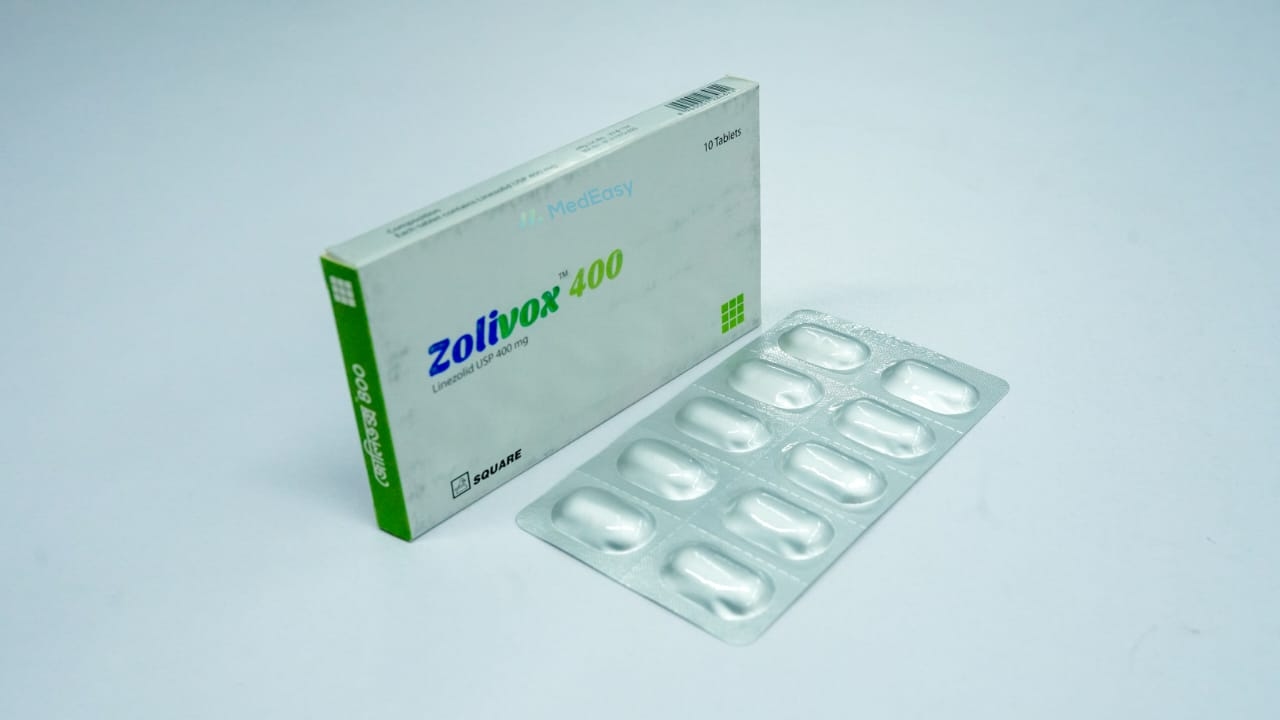
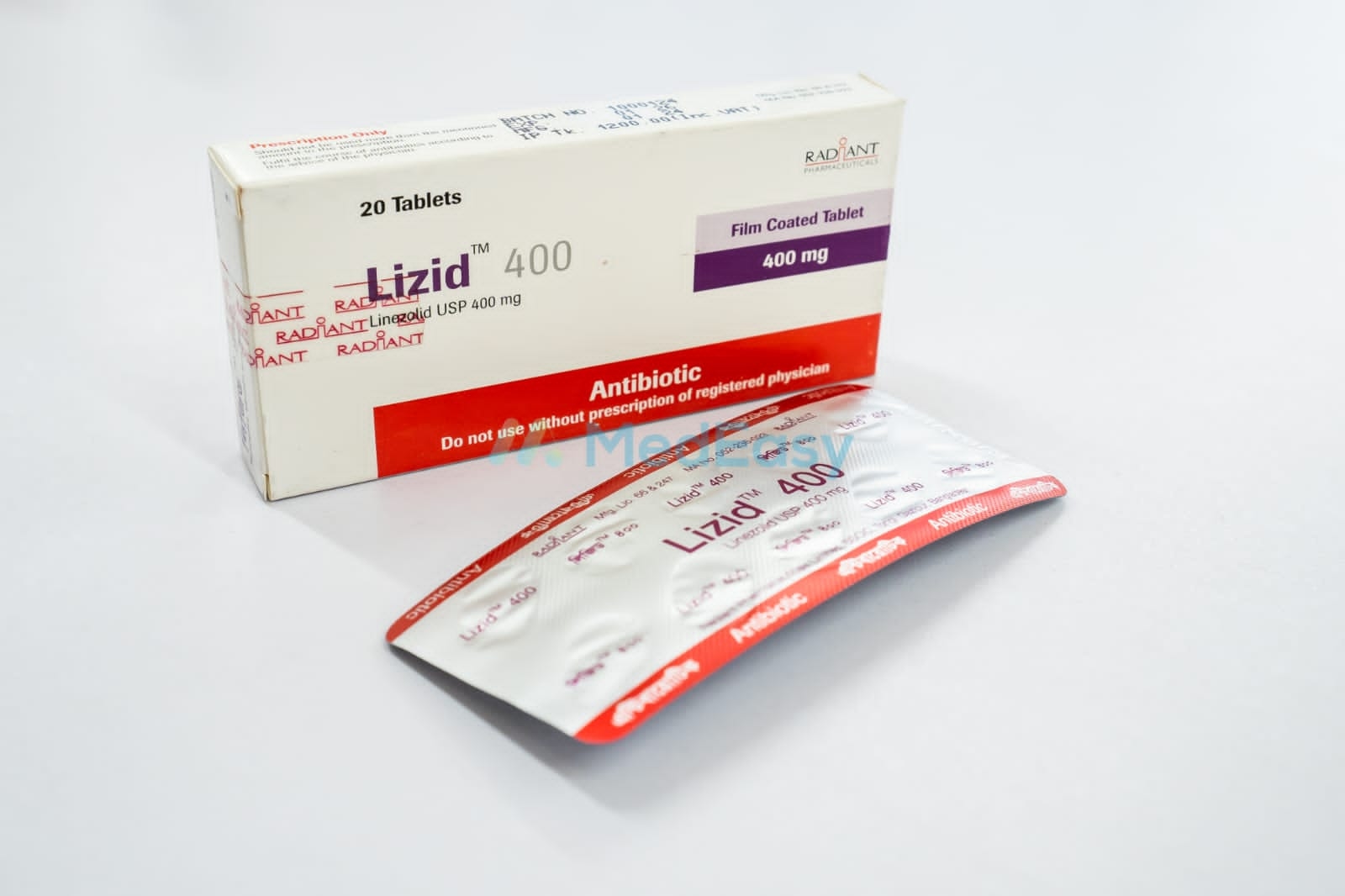
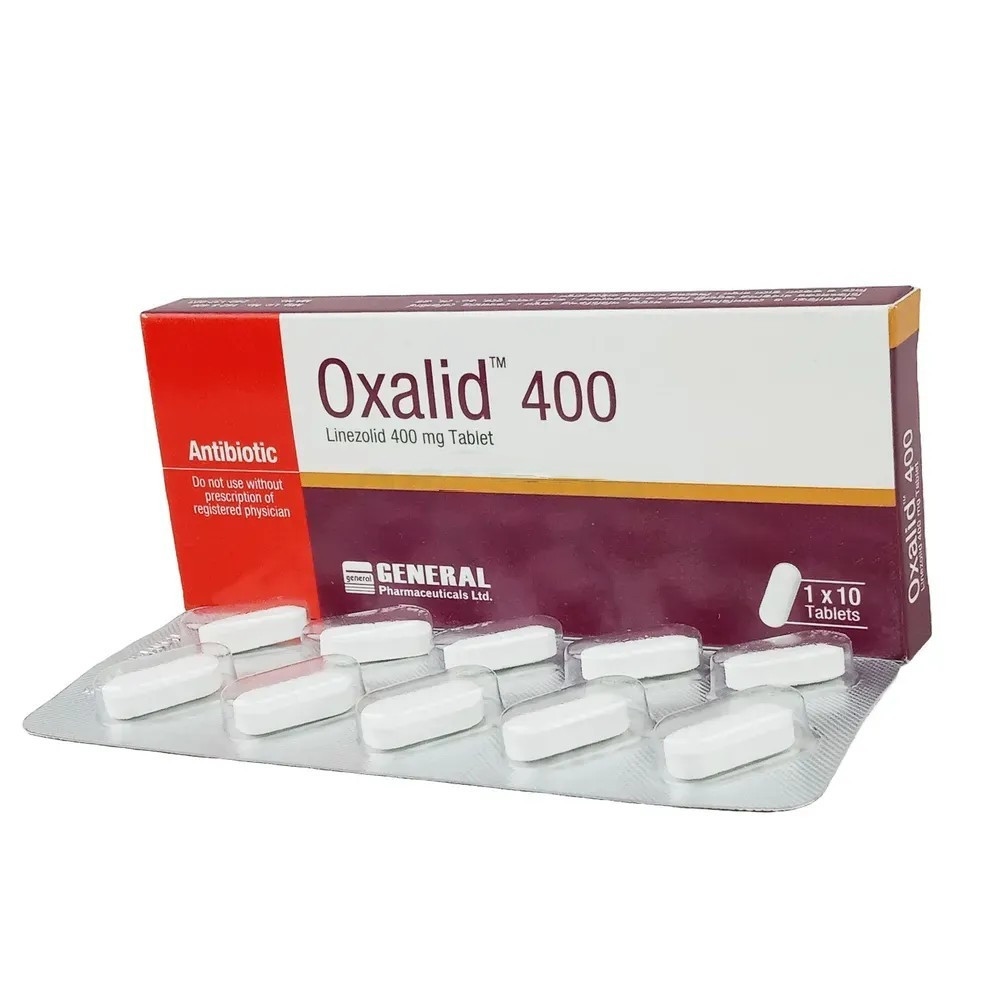
Linzolid 400 mg Tablet is available on MedEasy for ৳540.00 per 10's pack, with home delivery anywhere in Bangladesh. It is manufactured by Incepta Pharmaceuticals Ltd. Its generic name is Linezolid.

Linzolid is an oxazolidinone antibiotic reserved for the treatment of serious infections caused by susceptible gram-positive bacteria, including resistant organisms such as methicillin-resistant Staphylococcus aureus (MRSA) and vancomycin-resistant Enterococcus faecium (VRE). Linzolid is not indicated for gram-negative infections.
Linzolid is also used off-label, generally as part of combination regimens under specialist supervision, for multidrug-resistant tuberculosis and certain difficult-to-treat bone/joint or central nervous system gram-positive infections. Because of the risk of resistance development and serious toxicity, Linzolid should be reserved for infections proven or strongly suspected to be caused by susceptible gram-positive organisms, ideally guided by culture and sensitivity results.
Each tablet/capsule or vial of injectable/oral suspension contains Linezolid as the active ingredient, available in strengths and formulations such as 200 mg, 400 mg, and 600 mg tablets, 600 mg/300 mL intravenous infusion, and 100 mg/5 mL oral suspension, along with pharmaceutically approved inactive excipients.
Linzolid is a synthetic antibacterial agent belonging to the oxazolidinone class. It was one of the first antibiotics developed specifically to target multidrug-resistant gram-positive bacteria, including MRSA and VRE, for which few oral treatment options previously existed. Linzolid is available as oral tablets, an oral suspension, and an intravenous infusion, offering equivalent bioavailability between the oral and IV routes, which allows for convenient switching from IV to oral therapy.
Because Linzolid carries important safety considerations — including bone marrow suppression, nerve toxicity with prolonged use, and interactions with serotonergic and adrenergic drugs — it is typically used as a reserve agent under close medical supervision rather than as first-line therapy.
Linzolid belongs to the oxazolidinone class of synthetic antibacterial agents, a distinct antibiotic class active against gram-positive bacteria, including strains resistant to other antibiotic classes.
Linezolid exerts its antibacterial effect by binding to the bacterial 23S ribosomal RNA of the 50S ribosomal subunit, thereby preventing formation of the functional 70S initiation complex that is essential for bacterial protein synthesis. This mechanism is unique among protein synthesis inhibitors and results in a low potential for cross-resistance with other antibiotic classes (such as macrolides, aminoglycosides, and chloramphenicol).
Linezolid is bacteriostatic against enterococci and staphylococci, and bactericidal against most streptococcal strains.
Linzolid may be given orally (tablet or suspension) or by intravenous infusion; both routes achieve comparable drug exposure, allowing a switch from IV to oral therapy when clinically appropriate, without dose adjustment.
| Indication | Adult / Adolescent (≥12 years) Dose | Typical Duration |
|---|---|---|
| Nosocomial or community-acquired pneumonia | 600 mg every 12 hours (oral or IV) | 10-14 days |
| Complicated skin/skin structure infections | 600 mg every 12 hours (oral or IV) | 10-14 days |
| Uncomplicated skin/skin structure infections | 400-600 mg every 12 hours (oral) | 10-14 days |
| Vancomycin-resistant Enterococcus faecium infections | 600 mg every 12 hours (oral or IV) | 14-28 days |
Full-term neonates (≥7 days) through 11 years: 10 mg/kg every 8 hours. Preterm neonates less than 7 days old: 10 mg/kg every 12 hours initially, increasing to every 8 hours by 7 days of age based on clinical response. Duration follows the same per-indication ranges as adults.
Important: Take Linzolid exactly as prescribed by your physician; do not stop, extend, skip doses, or share this medicine with others without medical advice, even if symptoms improve before the course is finished.
Linzolid tablets can be taken with or without food. The oral suspension should be mixed gently before each dose. The intravenous formulation is given as an infusion over 30 to 120 minutes and should not be mixed with other drugs in the same line unless compatibility has been confirmed. Complete the full prescribed course of Linzolid as directed by the physician.
Linzolid is a reversible, non-selective inhibitor of monoamine oxidase (MAO), which is responsible for its most clinically significant drug interactions.
Concurrent use of Linzolid with serotonergic drugs — including SSRIs, SNRIs, tricyclic antidepressants, MAO inhibitors, triptans, tramadol, meperidine (pethidine), buspirone, and certain opioids — can cause serotonin syndrome, a potentially life-threatening condition. If such combination cannot be avoided, close monitoring for symptoms such as agitation, tremor, hyperreflexia, fever, and autonomic instability is required.
Because of its MAO-inhibiting activity, Linzolid can interact with adrenergic and sympathomimetic agents (e.g., pseudoephedrine, phenylephrine, dopamine, epinephrine) and with tyramine-rich foods, raising the risk of a sudden, severe rise in blood pressure (hypertensive crisis). Blood pressure should be monitored closely if such agents cannot be avoided, and tyramine-rich foods (aged cheeses, cured/fermented meats, tap beers, soy sauce, and similar products) should be limited during treatment.
Additional situations requiring extreme caution rather than absolute avoidance (such as concurrent serotonergic drugs, uncontrolled hypertension, or use of sympathomimetic/vasopressor agents) are discussed under Drug Interactions and Precautions and Warnings.
Pregnancy: There is no formal FDA pregnancy category assigned under the current labeling system. Available human data have not identified a clear drug-associated risk of major birth defects, but animal studies at high exposures have shown adverse effects on the developing foetus. Linzolid should be used during pregnancy only if clearly needed and the potential benefit justifies the potential risk to the foetus; use only under direct physician supervision.
Lactation: Linzolid passes into breast milk. Because of the potential for adverse effects (such as diarrhoea or vomiting) in a breastfed infant, a decision should be made, in consultation with a physician, whether to continue breastfeeding or continue Linzolid therapy, weighing the importance of treatment to the mother against the possible risk to the infant, with monitoring of the infant if breastfeeding continues.
Linzolid has been associated with myelosuppression (including anaemia, leukopenia, pancytopenia, and thrombocytopenia), particularly with courses longer than 14 days. Complete blood counts should be monitored weekly, especially in patients receiving prolonged therapy, those with pre-existing bone marrow suppression, patients on other myelosuppressive drugs, or those with chronic infection who have received prior antibiotic therapy.
Peripheral and optic neuropathy, sometimes irreversible, has been reported, primarily in patients treated with Linzolid for longer than the recommended maximum duration of 28 days. Patients should promptly report any visual changes, and ophthalmologic evaluation is recommended if symptoms occur; treatment beyond 28 days should only continue with close specialist monitoring.
Lactic acidosis has been reported rarely with Linzolid use. Patients who develop recurrent nausea or vomiting, unexplained acidosis, or a low bicarbonate level while on Linzolid should seek prompt medical evaluation.
See Drug Interactions for detailed guidance on serotonergic and sympathomimetic drug interactions and dietary tyramine precautions related to Linzolid's monoamine oxidase-inhibiting activity.
Antibiotic stewardship: Take Linzolid exactly as prescribed by your physician; do not stop, extend, skip doses, or share this medicine with others without medical advice.
There is limited clinical experience with Linzolid overdose. Supportive care is recommended, along with maintenance of glomerular filtration. Haemodialysis may modestly remove Linzolid from circulation but is not expected to provide significant clinical benefit. If an overdose of Linzolid is suspected, seek immediate medical attention or contact a poison control centre/emergency services; do not attempt home treatment.
Store at room temperature (below 30°C), away from light and moisture. Protect the oral suspension and injection from freezing. Keep out of reach of children.
No dose adjustment of Linzolid is generally required in renal impairment; however, the two primary metabolites may accumulate in patients with severe renal impairment (including those on dialysis), and the clinical significance of this is not fully established. Linzolid should be given after haemodialysis sessions since dialysis removes a portion of the drug.
No dose adjustment is required for mild to moderate hepatic impairment. Linzolid has not been studied in severe hepatic impairment; use with caution and only if the expected benefit outweighs the theoretical risk.
No dose adjustment is required based on age alone; however, elderly patients may be at greater risk of myelosuppression and should have blood counts monitored, particularly with prolonged therapy.
See Pediatric Uses for age- and weight-based dosing information.
Treatment duration with Linzolid depends on the indication and clinical response, typically ranging from 10-14 days for pneumonia and skin/skin structure infections, up to 14-28 days for vancomycin-resistant Enterococcus faecium infections. Treatment beyond 28 days is generally not recommended due to increased risk of peripheral/optic neuropathy and myelosuppression, and should only continue under close specialist supervision when necessary. Always complete the course exactly as directed by the physician.
Oxazolidinone antibiotic (synthetic antibacterial)
Linezolid binds to the 23S ribosomal RNA of the bacterial 50S ribosomal subunit, blocking formation of the 70S initiation complex required for bacterial protein synthesis. This unique binding site means Linezolid generally does not share cross-resistance with other classes of protein synthesis inhibitors. It is bacteriostatic against staphylococci and enterococci, and bactericidal against most streptococci.
Linzolid is approved for use in pediatric patients from birth through 17 years of age for the same indications as adults (susceptible pneumonia, complicated/uncomplicated skin and skin structure infections, and vancomycin-resistant Enterococcus faecium infections), using weight-based dosing.
Linzolid has variable and unpredictable penetration into cerebrospinal fluid and is not recommended for the empiric treatment of central nervous system infections in children. Monitor pediatric patients for the same safety concerns as adults, including blood counts with prolonged therapy.
Q: What is Linzolid 400 mg Tablet used for?
A: Linzolid 400 mg Tablet is an antibiotic used to treat serious infections caused by susceptible gram-positive bacteria, including resistant organisms such as MRSA and vancomycin-resistant Enterococcus faecium (VRE). It is used for certain types of pneumonia, skin and skin structure infections, and VRE infections. Linzolid 400 mg Tablet is not effective against gram-negative bacteria.
Q: Can I take Linzolid 400 mg Tablet with antidepressants?
A: Combining Linzolid 400 mg Tablet with serotonergic antidepressants (such as SSRIs, SNRIs, or tricyclic antidepressants) can cause a serious condition called serotonin syndrome, because Linzolid 400 mg Tablet has weak monoamine oxidase-inhibiting activity. Tell your doctor about all medicines you take, including antidepressants, before starting Linzolid 400 mg Tablet, and seek urgent medical care if you develop agitation, tremor, fast heartbeat, sweating, or high fever while on Linzolid 400 mg Tablet.
Q: Are there any foods I should avoid while taking Linzolid 400 mg Tablet?
A: Yes. Because Linzolid 400 mg Tablet has monoamine oxidase-inhibiting activity, eating large amounts of tyramine-rich foods (such as aged cheeses, cured or fermented meats, tap beers, and soy sauce) while taking Linzolid 400 mg Tablet can raise the risk of a sudden, dangerous increase in blood pressure. It is best to limit these foods during Linzolid 400 mg Tablet treatment.
Q: How long can I safely take Linzolid 400 mg Tablet?
A: Linzolid 400 mg Tablet is generally prescribed for 10 to 28 days depending on the infection being treated. Treatment beyond 28 days increases the risk of nerve damage (peripheral or optic neuropathy) and bone marrow suppression, so courses longer than this are only used under close specialist supervision. Always complete the exact course length your doctor prescribes, and do not stop early even if you feel better.
Q: Does Linzolid 400 mg Tablet require blood test monitoring?
A: Yes, particularly if treatment lasts longer than 14 days, or if you have risk factors such as pre-existing low blood counts. Your doctor will typically check a complete blood count weekly during Linzolid 400 mg Tablet treatment to monitor for a side effect called myelosuppression, which can lower platelets, red blood cells, or white blood cells.
Q: Is Linzolid 400 mg Tablet safe during pregnancy or breastfeeding?
A: Linzolid 400 mg Tablet should be used in pregnancy only if clearly needed, since available data have not fully ruled out risk to the foetus, and animal studies at high doses have shown some adverse effects. Linzolid 400 mg Tablet also passes into breast milk, and breastfed infants should be monitored for diarrhoea or vomiting if the mother continues Linzolid 400 mg Tablet during breastfeeding. Always consult your physician before using Linzolid 400 mg Tablet while pregnant or breastfeeding.
Disclaimer
The information provided is accurate to the best of our knowledge, but it does not replace professional medical advice. We cannot guarantee its completeness or accuracy, and the absence of specific information about a drug should not be taken as an endorsement. We are not responsible for any consequences arising from this information, so please consult a healthcare professional for any concerns or questions.