Generic medicine

Semaglutide: Brands, Price & Uses in Bangladesh

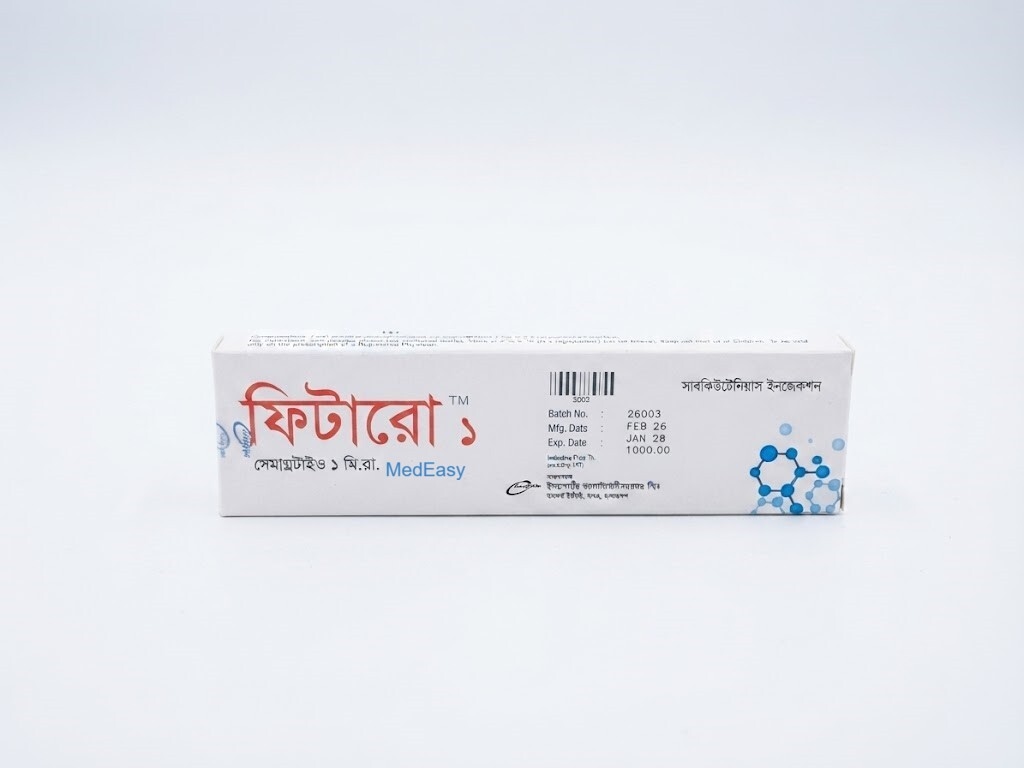
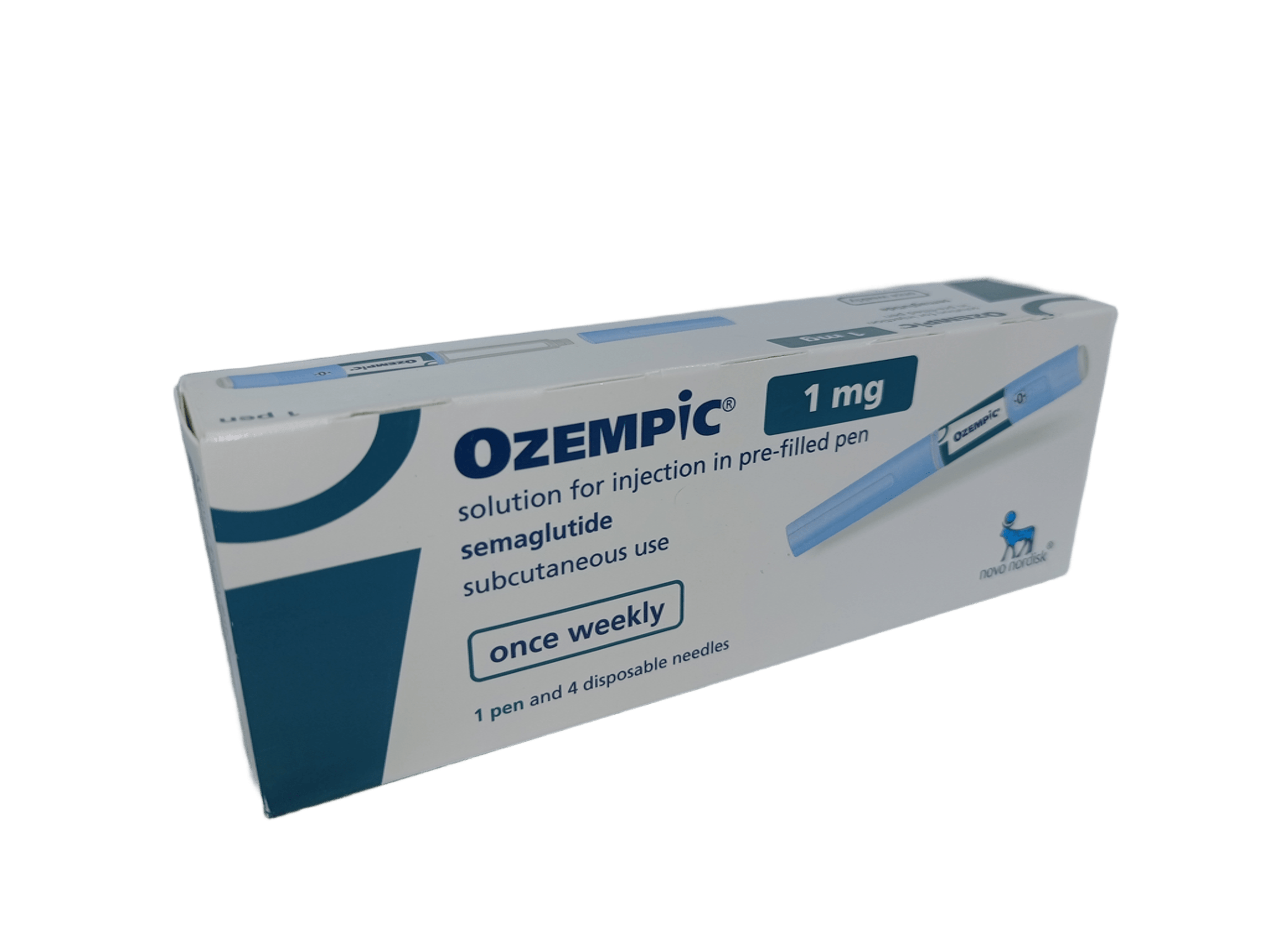
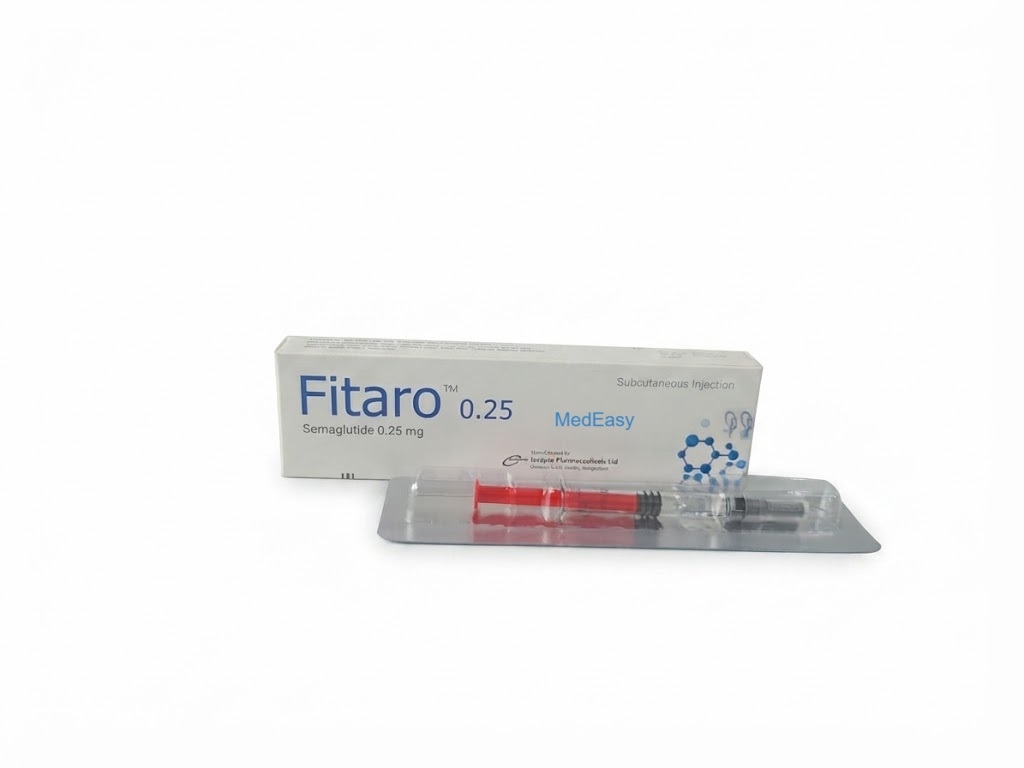
Semaglutide is a glucagon-like peptide-1 (GLP-1) receptor agonist available as a once-weekly subcutaneous injection and as a once-daily oral tablet and more.

Forms:SC InjectionInjectionTablet

About Semaglutide

Indications of Semaglutide

Semaglutide is a glucagon-like peptide-1 (GLP-1) receptor agonist available as a once-weekly subcutaneous injection and as a once-daily oral tablet, marketed at different dose ranges for glycemic control and for chronic weight management. Indications are classified below by strength of evidence.

Established / FDA-approved uses

  • Glycemic control in type 2 diabetes: Semaglutide (lower-dose weekly injectable or daily oral formulation) is indicated as an adjunct to diet and exercise to improve glycemic control in adults with type 2 diabetes mellitus.
  • Cardiovascular risk reduction in type 2 diabetes: Semaglutide (weekly injectable or daily oral formulation) is indicated to reduce the risk of major adverse cardiovascular events (cardiovascular death, non-fatal myocardial infarction, non-fatal stroke) in adults with type 2 diabetes mellitus and established cardiovascular disease.
  • Diabetic kidney disease: Semaglutide (weekly injectable, higher titrated dose) is indicated to reduce the risk of sustained estimated glomerular filtration rate (eGFR) decline, end-stage kidney disease, and cardiovascular death in adults with type 2 diabetes mellitus and chronic kidney disease.
  • Chronic weight management: Semaglutide (higher-dose weekly injectable formulation) is indicated, as an adjunct to a reduced-calorie diet and increased physical activity, for chronic weight management in adults with obesity (BMI ≥ 30 kg/m²) or overweight (BMI ≥ 27 kg/m²) with at least one weight-related comorbidity, and in pediatric patients 12 years of age and older with obesity.
  • Cardiovascular risk reduction with obesity/overweight: Semaglutide (higher-dose weekly injectable weight-management formulation) is indicated to reduce the risk of major adverse cardiovascular events in adults with established cardiovascular disease and obesity or overweight.
  • Metabolic dysfunction-associated steatohepatitis (MASH): Semaglutide (higher-dose weekly injectable formulation) is indicated, together with diet and exercise, for the treatment of adults with MASH with moderate to advanced liver fibrosis (approved under accelerated approval, based on improvement in liver histology).

Off-label use

  • Use for weight loss outside the approved BMI/comorbidity criteria, and use as adjunct therapy in type 1 diabetes, occur in clinical practice but are not FDA-approved indications; such use should only be considered under direct physician supervision.

Dosage & Administration of Semaglutide

Dosing of Semaglutide depends on the formulation (weekly subcutaneous injection or daily oral tablet) and the indication, and must always be individualized and titrated by a physician. Gradual dose escalation is used for all formulations to improve gastrointestinal tolerability; lower starting doses are not intended to be effective for glycemic control or weight loss and exist only to allow the body to adjust.

Formulation / IndicationStarting doseTitrationTypical maintenance dose
Weekly injection - type 2 diabetes (glycemic control / cardiovascular risk reduction)0.25 mg subcutaneously once weekly for 4 weeks (dose-initiation only, not effective for glycemic control)Increase to 0.5 mg at week 4, then to 1 mg at week 8 and 2 mg at week 12 if additional glycemic control is needed, at intervals of at least 4 weeks0.5-2 mg once weekly, individualized
Weekly injection - type 2 diabetes with chronic kidney disease0.25 mg once weekly for 4 weeksAs aboveTarget maintenance dose of 1 mg once weekly
Weekly injection - chronic weight management / cardiovascular risk reduction with obesity / MASH0.25 mg once weekly for 4 weeksIncrease every 4 weeks in steps (0.5 mg → 1 mg → 1.7 mg) up to the maintenance dose2.4 mg once weekly (physician may adjust within the approved range for the specific product and indication)
Oral tablet, once daily - type 2 diabetes (glycemic control / cardiovascular risk reduction)3 mg once daily for 30 days (dose-initiation only, not effective for glycemic control)Increase to 7 mg once daily after 30 days; may increase further to 14 mg once daily after at least another 30 days if additional control is needed7 mg or 14 mg once daily

If a weekly injection dose is missed, it should be administered as soon as possible within 5 days of the missed dose; if more than 5 days have passed, that dose should be skipped and the next dose taken on the regularly scheduled day, on a physician's or pharmacist's advice. Oral tablets should simply be taken the next day as scheduled if a dose is missed; a double dose should never be taken to make up for a missed dose. See Administration for injection technique and the specific oral-tablet dosing rules.

Side Effects of Semaglutide

Common (dose-related, usually during dose escalation)

  • Nausea, vomiting, diarrhea, constipation, and abdominal pain - the most frequently reported adverse effects, generally mild-to-moderate and more common at higher doses and during dose titration
  • Decreased appetite, dyspepsia, belching, bloating, gastroesophageal reflux
  • Headache, fatigue, dizziness
  • Injection site reactions (injectable formulation)

Serious (require prompt medical attention)

  • Acute pancreatitis: persistent, severe abdominal pain, sometimes radiating to the back, with or without vomiting - discontinue Semaglutide and seek medical care immediately if suspected.
  • Gallbladder disease (cholelithiasis, cholecystitis).
  • Hypoglycemia, particularly when combined with insulin or a sulfonylurea (see Interactions).
  • Acute kidney injury, often related to dehydration from severe nausea, vomiting, or diarrhea.
  • Worsening of diabetic retinopathy in patients with pre-existing retinopathy, related to rapid improvement in blood glucose control.
  • Serious hypersensitivity reactions, including anaphylaxis and angioedema.
  • Rare postmarketing reports of ileus/intestinal obstruction and severe constipation.
  • Possible risk of thyroid C-cell tumors, based on rodent data (human relevance unknown) - see boxed-warning information in Precautions and Warnings.

Contraindications of Semaglutide

Semaglutide is contraindicated in:

  • Patients with a personal or family history of medullary thyroid carcinoma (MTC), because of the risk of thyroid C-cell tumors observed with Semaglutide in rodent studies (see Precautions and Warnings).
  • Patients with Multiple Endocrine Neoplasia syndrome type 2 (MEN 2).
  • Known serious hypersensitivity to Semaglutide or to any excipient in the specific Semaglutide product.

Frequently Asked Questions about Semaglutide

What is Semaglutide used for?

Semaglutide is a GLP-1 receptor agonist used, depending on the specific product and dose, to improve blood sugar control in type 2 diabetes, to reduce cardiovascular risk in people with type 2 diabetes or with obesity/overweight and heart disease, and, at higher doses, for chronic weight management in adults and some adolescents with obesity. Your physician will select the product, dose, and formulation appropriate for your specific condition.

Why does my dose start low and increase slowly over several weeks?

Semaglutide dosing always starts at a low dose and is increased gradually, typically every 4 weeks for the injection or every 30 days for the oral tablet. This gradual titration is not the treatment dose itself - it allows your digestive system to adjust and significantly reduces the chance and severity of nausea, vomiting, and other gastrointestinal side effects. Never increase your dose faster than your physician has prescribed.

Is Semaglutide safe for me if a family member has had thyroid cancer?

Semaglutide is contraindicated in people with a personal or family history of medullary thyroid carcinoma (MTC) or Multiple Endocrine Neoplasia syndrome type 2 (MEN 2). This is because Semaglutide caused thyroid C-cell tumors in rodent studies at clinically relevant exposures; whether this risk applies to humans is not known, but the precaution is taken seriously. Tell your physician about any personal or family history of thyroid cancer or MEN 2 before starting Semaglutide, and report any neck lump, swelling, hoarseness, or difficulty swallowing promptly.

Will the nausea and other stomach side effects from Semaglutide go away?

Nausea, vomiting, diarrhea, constipation, and abdominal pain are the most common side effects of Semaglutide, and they are usually mild-to-moderate, dose-related, and most noticeable during dose increases; they often improve over time as your body adjusts. However, if you develop persistent, severe abdominal pain (possibly radiating to your back), with or without vomiting, this could be a sign of pancreatitis, and you should stop Semaglutide and contact your physician or seek medical care immediately.

Can I take Semaglutide with insulin or my diabetes pills?

Semaglutide is often used together with other diabetes medicines, but combining it with insulin or a sulfonylurea (a type of diabetes pill) increases the risk of low blood sugar (hypoglycemia). Your physician may lower the dose of your insulin or sulfonylurea when you start Semaglutide, and you should know the signs of low blood sugar (such as shakiness, sweating, confusion) and how to treat them. Always tell your physician and pharmacist about every medicine you take.

How exactly should I take the oral Semaglutide tablet?

The oral tablet must be taken on a completely empty stomach, first thing in the morning, with no more than about 4 ounces (120 mL) of plain water - not tea, coffee, juice, or any other liquid. Swallow it whole without splitting, crushing, or chewing it, and wait at least 30 minutes before eating, drinking anything else, or taking any other oral medicine. Taking it any other way can significantly reduce how much of the medicine your body absorbs and make it less effective.

Disclaimer

The information provided is accurate to the best of our knowledge, but it does not replace professional medical advice. We cannot guarantee its completeness or accuracy, and the absence of specific information about a drug should not be taken as an endorsement. We are not responsible for any consequences arising from this information, so please consult a healthcare professional for any concerns or questions.

DoctorBlogArticles