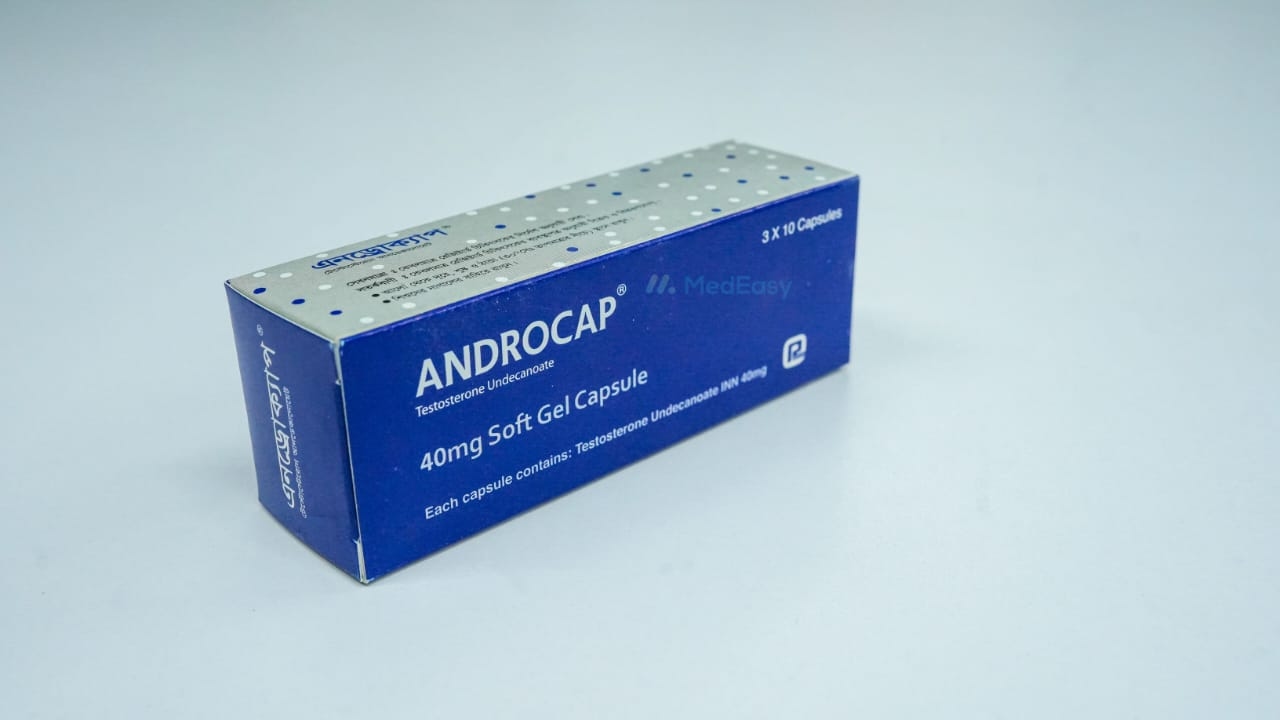
Generic medicine

Testosterone Undecanoate: Brands, Price & Uses in Bangladesh

Testosterone Undecanoate is an androgen (testosterone ester) used for testosterone replacement therapy in adult males with confirmed hypogonadism due to an identifiable pathological cause.

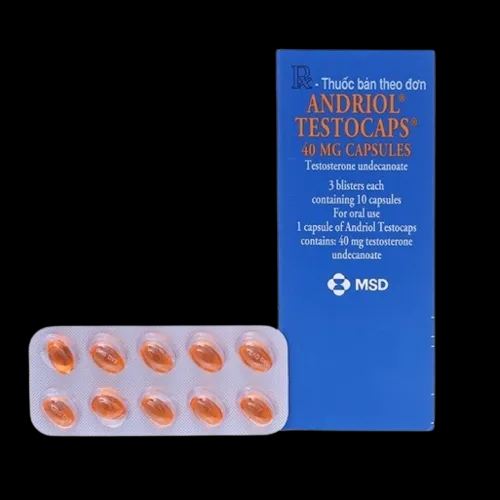
Forms:Capsule

About Testosterone Undecanoate

Indications of Testosterone Undecanoate

Testosterone Undecanoate is an androgen (testosterone ester) used for testosterone replacement therapy in adult males with confirmed hypogonadism due to an identifiable pathological cause.

Established/Approved Uses

  • Primary hypogonadism (congenital or acquired testicular failure, e.g. cryptorchidism, bilateral torsion, orchitis, vanishing testis syndrome, orchidectomy, Klinefelter syndrome, chemotherapy- or radiation-induced testicular damage), confirmed by clinical features and unequivocally low serum testosterone concentrations.
  • Hypogonadotropic hypogonadism (congenital or acquired gonadotropin-releasing hormone deficiency, or pituitary-hypothalamic injury from tumours, trauma, or radiation), confirmed with appropriate laboratory testing.

Off-label / Specialist-directed Use

In some settings, Testosterone Undecanoate is used under specialist (endocrinology) supervision to induce puberty in adolescent boys with constitutional delay of puberty or organic hypogonadism; this is not a routine, self-directed use.

Important Limitation

Testosterone Undecanoate is not indicated for the treatment of age-related decline in testosterone ("age-related hypogonadism" or "low T") in men who do not have a confirmed diagnosis of classical hypogonadism, as the safety and benefit of testosterone therapy for this use have not been established.

Dosage & Administration of Testosterone Undecanoate

General Principle

Dosing of Testosterone Undecanoate is individualized based on formulation, indication, and clinical/laboratory response (serum testosterone, hematocrit, symptom control), and should be directed by a physician, ideally an endocrinologist or specialist experienced in androgen therapy.

Formulation / IndicationTypical Adult Dosing
Oral capsules, male hypogonadismInitial: 120-160 mg/day (in divided doses, with meals) for 2-3 weeks; maintenance: typically 40-120 mg/day in 1-2 divided doses, titrated to maintain serum testosterone in the normal range.
Intramuscular (short/intermediate-acting oil solution)Typically 250 mg every 2-4 weeks by deep intramuscular injection, adjusted per response.
Intramuscular (long-acting depot, e.g. 1000 mg/4 mL)1000 mg initially, repeated at week 6, then approximately every 10-14 weeks thereafter, individualized by trough testosterone level.

Pediatric Dosing

Not established for routine use. Under specialist supervision for constitutional delay of puberty, low-dose, short-course regimens with close monitoring may be used; see Pediatric Use.

Renal/Hepatic Adjustment

No well-established formal dose-adjustment schedule exists for renal or hepatic impairment; however, Testosterone Undecanoate should be used with caution and closer monitoring in patients with significant hepatic or renal disease (see Precautions).

Side Effects of Testosterone Undecanoate

Side effects of Testosterone Undecanoate range from common, generally mild effects to rare but serious reactions.

Common

  • Acne, oily skin
  • Injection-site pain, induration, or reaction (injectable formulations)
  • Mood changes, irritability, increased libido
  • Fluid retention/mild edema
  • Headache

Less Common / Serious

  • Polycythemia (raised hematocrit/hemoglobin) - requires periodic monitoring.
  • Gynecomastia and, with prolonged exogenous use, suppressed spermatogenesis/infertility and testicular atrophy.
  • Worsening of benign prostatic hyperplasia symptoms.
  • Worsening of obstructive sleep apnea.
  • Pulmonary oil microembolism (POME) reactions (cough, dyspnea, chest discomfort) and anaphylaxis, occurring during or shortly after intramuscular administration - a boxed-warning-level risk for injectable products in some markets, requiring in-clinic observation after each injection.
  • Cardiovascular events (myocardial infarction, stroke) have been reported with testosterone therapy in some studies, particularly in older men or those with existing cardiovascular risk factors.
  • Hepatic effects (rare with non-alkylated esters such as this one, but liver function should still be monitored if risk factors are present).

Contraindications of Testosterone Undecanoate

Testosterone Undecanoate is contraindicated in:

  • Known hypersensitivity to testosterone undecanoate or any component of the formulation.
  • Men with known or suspected carcinoma of the prostate.
  • Men with known or suspected carcinoma of the male breast.
  • Women who are pregnant or breastfeeding (Testosterone Undecanoate is not indicated for use in women).
  • Uncontrolled, severe, or untreated cardiovascular disease, as specified in some product labels.

Frequently Asked Questions about Testosterone Undecanoate

What is Testosterone Undecanoate used for?

Testosterone Undecanoate is used for testosterone replacement therapy in adult men who have confirmed hypogonadism (clinically low testosterone due to a testicular, pituitary, or hypothalamic cause), confirmed by symptoms and laboratory testing. It is not intended for men with normal testosterone or for age-related testosterone decline without a confirmed diagnosis.

How is Testosterone Undecanoate taken or given?

Depending on the product, Testosterone Undecanoate is taken as oral capsules with a fatty meal (usually in divided daily doses) or given as a deep intramuscular injection by a healthcare professional at intervals ranging from a few weeks to about every 10-14 weeks for long-acting depot injections. Injectable Testosterone Undecanoate must be given in a healthcare setting with a period of observation afterward because of a small risk of a serious reaction (pulmonary oil microembolism or anaphylaxis) during or right after the injection.

Who should not use Testosterone Undecanoate?

Testosterone Undecanoate should not be used by anyone with a known allergy to it, men with known or suspected prostate or breast cancer, and women who are pregnant or breastfeeding, since it is not indicated for use in women. It also should not be used in men with uncontrolled severe cardiovascular disease per some product labels. A physician should review a person's full medical history before starting Testosterone Undecanoate.

What are the main risks or side effects of Testosterone Undecanoate?

Common effects of Testosterone Undecanoate include acne, oily skin, mood changes, and injection-site reactions (for injectable forms). More serious risks include a rise in red blood cell count (polycythemia), worsening of prostate enlargement or sleep apnea, gynecomastia, reduced sperm production/fertility with long-term use, and possible cardiovascular events such as heart attack or stroke, especially in older men or those with cardiovascular risk factors. Injectable formulations also carry a small risk of a serious lung/allergic reaction right after the injection, which is why administration and observation happen in a healthcare setting.

Can Testosterone Undecanoate be used during pregnancy or breastfeeding?

No. Testosterone Undecanoate is not indicated for use in women and is contraindicated during pregnancy because it can cause virilization (masculinizing effects) of a female fetus, and it is also contraindicated during breastfeeding.

What should I do if I miss a dose or think I have taken too much Testosterone Undecanoate?

If a dose of Testosterone Undecanoate is missed, contact the prescribing physician for guidance rather than doubling the next dose. If someone has taken more than the prescribed amount, or develops symptoms such as severe chest pain, trouble breathing, a prolonged painful erection, or signs of an allergic reaction (especially after an injection), they should seek immediate medical attention or contact emergency services / a poison control center right away.

Disclaimer

The information provided is accurate to the best of our knowledge, but it does not replace professional medical advice. We cannot guarantee its completeness or accuracy, and the absence of specific information about a drug should not be taken as an endorsement. We are not responsible for any consequences arising from this information, so please consult a healthcare professional for any concerns or questions.
DoctorBlogArticles