Quick answer: Carminative herbs such as ajwain, ginger, black pepper and peppermint have long traditional use for gas and bloating, but only ginger (for nausea) and enteric-coated peppermint oil (for IBS symptoms) have reasonable clinical evidence. A Unani syrup like Carmina may ease mild gas after meals, but eating habits, constipation and reflux matter far more. Infant colic passes on its own; gripe-type syrups are unproven.
Gas, bloating, acidity or indigestion: which one do you actually have?
In Bangladesh almost every stomach complaint is called “gastric”, but these are different problems:
- Gas and bloating (পেট ফাঁপা): fullness or a swollen belly with burping or passing wind.
- Acidity and heartburn: burning behind the breastbone or sour fluid rising into the throat; see our guide to acidity, GERD and acid-reducing medicines.
- Indigestion (dyspepsia, বদহজম): upper-abdominal discomfort, early fullness or nausea after eating; causes include stress, painkillers, reflux and Helicobacter pylori.
Excess gas, according to the NHS and the US National Institutes of Health, comes from swallowed air (eating fast, fizzy drinks, chewing gum, smoking), gas-forming foods (dal, cabbage, cauliflower, onions, “-ol” sweeteners), lactose intolerance, constipation, and conditions such as IBS or coeliac disease. Herbal carminatives are aimed at this first group; they do nothing for an ulcer, H. pylori or a heart problem, so diagnosis comes before the remedy.
Do herbal remedies like ajwain and ginger work? What the evidence says
Grades: reasonable = controlled trials or a guideline recommendation; limited = small or low-quality trials; traditional use only = no reliable clinical trials.
| Remedy | Traditional use | What the evidence shows | Grade |
|---|---|---|---|
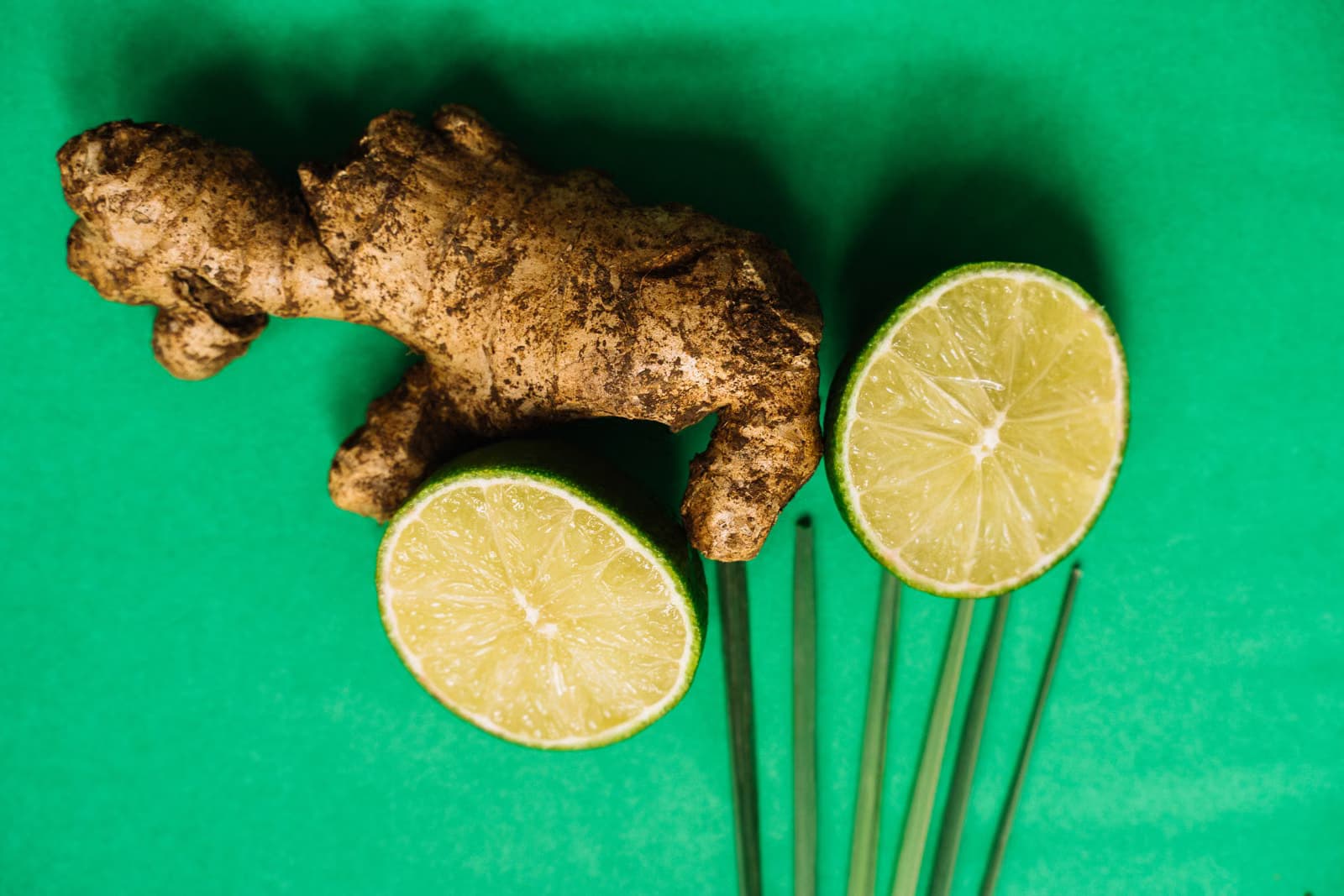
| Ginger (Zingiber officinale) | Gas, nausea, poor appetite | NIH NCCIH: ginger may help nausea and vomiting of pregnancy; benefit for other nausea is uncertain; bloating trials are small. | Reasonable for nausea; limited for gas |
| Peppermint oil (enteric-coated capsules) | Gas, cramps | A 2022 review of 10 trials (cited by NCCIH) found benefit over placebo for IBS symptoms and pain; the 2021 American College of Gastroenterology guideline recommends it. No benefit shown for plain indigestion; can worsen heartburn. | Reasonable for IBS; not for reflux |
| Ajwain (Trachyspermum ammi, thymol) | Gas, colic, indigestion | Thymol relaxes gut muscle in laboratory studies; no good human trials. | Traditional use only |
| Black pepper (Piper nigrum), cinnamon | Digestive stimulant, warming carminative | Piperine increases digestive secretions in lab and animal studies; no reliable clinical trials. | Traditional use only |
| Triphala: amla, haritaki (chebulic myrobalan), bahera (belleric myrobalan) | Mild laxative, digestive tonic | Small constipation trials only; nothing robust on bloating. | Limited |
So a carminative mix may take the edge off occasional after-meal gas, with low risk at label doses, but it has not been shown to fix the causes; the best-evidenced remedies are for nausea and IBS, not “a cure for gastric”. (Even simethicone has only modest evidence.)
How to use Carmina syrup or tablets safely
Carmina 100 ml syrup (Hamdard) is a registered Unani preparation in MedEasy's Herbal and Traditional Medicine section. Per 5 ml it contains black pepper 150 mg, ajwain 100 mg, lemon 100 mg, cinnamon 50 mg, amla 50 mg, belleric and chebulic myrobalan 38 mg each, ginger 10 mg and sea salt 8 mg. The label says it is “traditionally used for hyperacidity, flatulence, indigestion”. The same formula comes as Carmina tablets.
What the label says about dose
- Adults: 2 teaspoonfuls (10 ml) of syrup, 2 to 3 times daily, after meals. Tablets: 1 to 2 tablets, 2 to 3 times daily.
- Children: half to 1 teaspoonful (2.5 to 5 ml), 2 to 3 times daily, “per physician guidance”.
- Pregnancy and breastfeeding: the label says consult a physician first; the combination is unstudied in pregnancy.
Sensible precautions
- Use it short term; if you need it most days for over two weeks, you need a diagnosis, not a bigger bottle.
- Taking omeprazole or another PPI too? No interaction is documented, but ask a pharmacist; long-term PPI use itself needs review (see the acidity guide above).
- Diabetes, kidney or heart disease: like most syrups it probably contains sugar (not stated on the product page) and a little salt (8 mg per 5 ml); ask the pharmacist about the tablet form and tell your doctor if on strict salt restriction.
- Warfarin, antiplatelets, diabetes or blood-pressure medicines: ginger, pepper and cinnamon can in theory add to their effect; tell your doctor about every herbal product and stop a week before surgery.
- Buy only DGDA-registered products; “natural” does not mean safe.
Gripe-type syrups for babies: does Naunehal help colic?
- Colic is self-limiting. The NHS defines it as crying more than 3 hours a day, 3 or more days a week, in an otherwise healthy baby; it usually stops by 3 to 4 months, and the American Academy of Pediatrics (AAP) says it can occasionally last to 6 months.
- Herbal and gripe-type remedies are unproven. The NHS says anti-colic drops, herbal and probiotic supplements are “not recommended and there's no evidence they help colic”. A 2016 Cochrane review found the evidence “sparse and prone to bias”, with no support for simethicone or herbal agents.
Naunehal 100 ml syrup is a Hamdard Unani syrup containing aniseed, dill, black cardamom, peppermint and barley. The label indicates traditional use for digestive disorders, griping and colic, flatulence and teething discomfort, with a dose of: up to 6 months, half a teaspoon; 6 to 12 months, 1 teaspoon; 1 year and above, 2 teaspoons; 3 to 4 times daily “or as physician prescribes”. Given the evidence:
- For babies under 6 months, use it only if a paediatrician advises it.
- Never give it for fever, repeated vomiting, blood in the stool or poor feeding; those are not colic (see what to do when a baby has fever).
What actually helps a colicky baby (NHS and AAP)
- Feed upright, burp after every feed, and leave 2 to 2.5 hours between feeds; soothe with cuddling, rocking, a carrier, a warm bath, white noise or a dummy, and always sleep the baby on their back.
- Keep feeding normally; breastfeeding mothers need not change their diet, and the AAP notes fewer than 5% of colic is food-related. Ask the doctor before cutting foods or switching formula.
- Take a break: placing the baby safely in the cot and stepping away for a few minutes is fine. Never shake a baby.
What actually reduces gas: the habits that matter most
- Eat smaller meals slowly, and avoid large meals late at night.
- Cut fizzy drinks, chewing gum and smoking, the main sources of swallowed air.
- Test, don't ban, gas-forming foods: reduce dal, cabbage, cauliflower or milk for a week, then reintroduce.
- Treat constipation: daily fibre such as oats, fruit or isabgol (psyllium), 1.5 to 2 litres of water, and a 10 to 15 minute walk after meals.
- Treat reflux or H. pylori if that is the real problem; testing beats years of antacids and gas syrups. If bloating comes with changed bowel habit for months, ask about IBS, where enteric-coated peppermint oil may help.
When to see a doctor or go to the emergency room
Symptoms people call “gastric” sometimes come from the heart, an ulcer or a cancer. Call 999 or go to hospital now for:
- Chest pain or pressure, especially spreading to the arm, jaw or back, with sweating, breathlessness or faintness; never assume chest pain is gas.
- Vomiting blood or coffee-ground material; black, tarry stool.
- Sudden severe stomach ache with a tense swollen belly, or inability to pass stool or wind.
Book a doctor within days for unintentional weight loss, repeated vomiting, difficulty swallowing, anaemia, a lump in the abdomen, new persistent symptoms after age 50, bloating that never goes away (rarely a sign of ovarian disease in women), or symptoms persisting after two weeks of self-care. These usually need an endoscopy, not a stronger syrup; you can consult a doctor online through MedEasy.
Red flags in babies
See a doctor urgently for fever, green or repeated vomiting, blood in the stool, refusing feeds, fewer wet nappies, a swollen hard belly, a weak or high-pitched cry, unusual sleepiness or floppiness, or crying beyond 4 months or with poor weight gain.
Common beliefs in Bangladesh
“All stomach problems are gastric, so take a PPI”
No. Bloating, constipation, lactose intolerance, IBS and gallstones do not respond to omeprazole, and months of PPI without a diagnosis can mask a serious problem.
“Herbal gas syrup every day, forever, is harmless”
Short-term label doses are low risk, but daily use for months means the cause was never found. Long-term safety is unstudied, syrups add sugar, and relying on them delays the endoscopy or H. pylori test that might solve the problem.
“Rice causes gas, so skip meals”
Plain rice is one of the least gas-forming staples; the trouble is large portions, eating quickly and lying down straight after. Skipping meals makes acidity and indigestion worse.
“Gripe water helps babies sleep”
No evidence shows gripe-type or herbal infant syrups shorten colic or improve sleep. A baby who becomes unusually sleepy after a syrup needs a doctor; that is a warning sign, not a benefit.
References
- Ginger: Usefulness and Safety - NIH National Center for Complementary and Integrative Health
- Peppermint Oil: Usefulness and Safety - NIH National Center for Complementary and Integrative Health
- Bloating - NHS
- Colic - NHS
- Colic - American Academy of Pediatrics (HealthyChildren.org)
- Pain-relieving agents for infantile colic (Cochrane Review, 2016) - PubMed
This article is for general health awareness and is not a substitute for advice from a qualified doctor. Herbal, Unani and Ayurvedic products are not a replacement for diagnosis or prescribed treatment; if symptoms are severe, persistent or accompanied by warning signs, seek medical care.