Quick answer: No herbal product cures jaundice. Yellow eyes and skin mean bilirubin is building up, and the cause must be found with blood tests. In Bangladesh it is usually hepatitis A or E, but can be hepatitis B or C, gallstones, a medicine or alcohol. Silymarin (milk thistle) and Unani syrups such as Alkuli and Icturn have only weak or traditional-use evidence; take them alongside a diagnosis, never instead of one.
Is jaundice a disease or a sign of something else?
Jaundice is not a disease. It appears when bilirubin, a yellow pigment from old red blood cells, builds up in the blood. The liver normally clears bilirubin through bile into the stool. When the liver is inflamed, bile cannot flow, or red cells break down too fast, the whites of the eyes and then the skin turn yellow, urine darkens and stool may turn pale.
Many different problems produce the same colour, so the first job is to find the cause. Treating the colour with a tonic while the cause goes untreated is the costly mistake.
What causes jaundice in Bangladesh?
- Hepatitis A and E: water- and food-borne viruses, the most common cause of sudden jaundice. Most cases clear on their own within weeks, but hepatitis E is dangerous in pregnancy, where WHO reports a much higher risk of liver failure and death.
- Hepatitis B and C: blood-borne, can silently become chronic and lead to cirrhosis and liver cancer; need testing and often antivirals.
- Alcohol and fatty liver: slow damage, jaundice appears late.
- Gallstones or a blocked bile duct: itching, very dark urine, clay-coloured stool; usually needs a procedure.
- Medicines: paracetamol overdose, anti-tuberculosis drugs, some antibiotics and some herbal or weight-loss supplements injure the liver.
- Blood disorders: thalassaemia and G6PD deficiency break red cells down fast, causing mild recurring jaundice.
- Newborn jaundice: a separate topic, common and usually harmless, but the American Academy of Pediatrics advises a doctor's check, not home treatment.
What does the evidence say about silymarin and Unani liver syrups?
Silymarin (milk thistle)
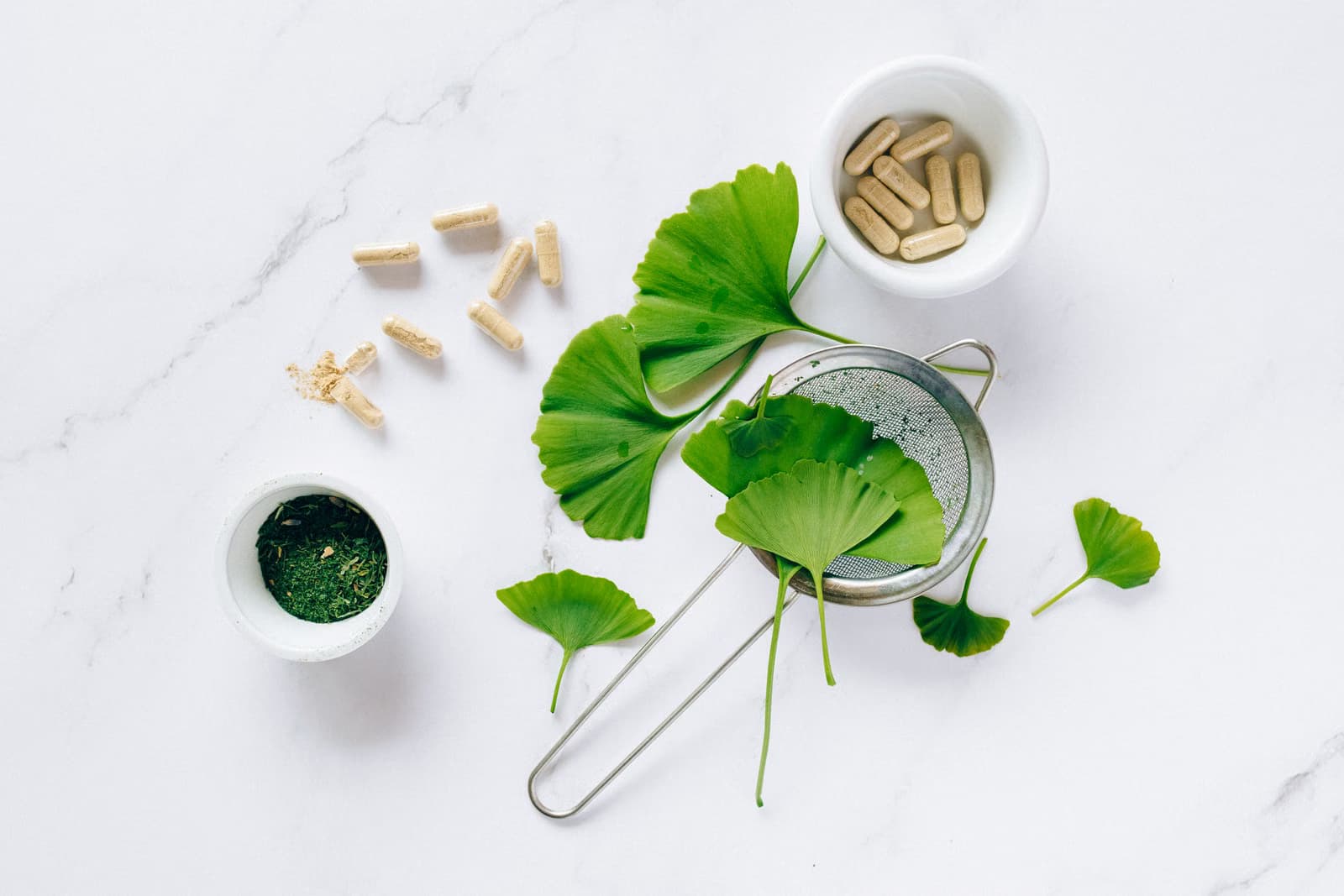
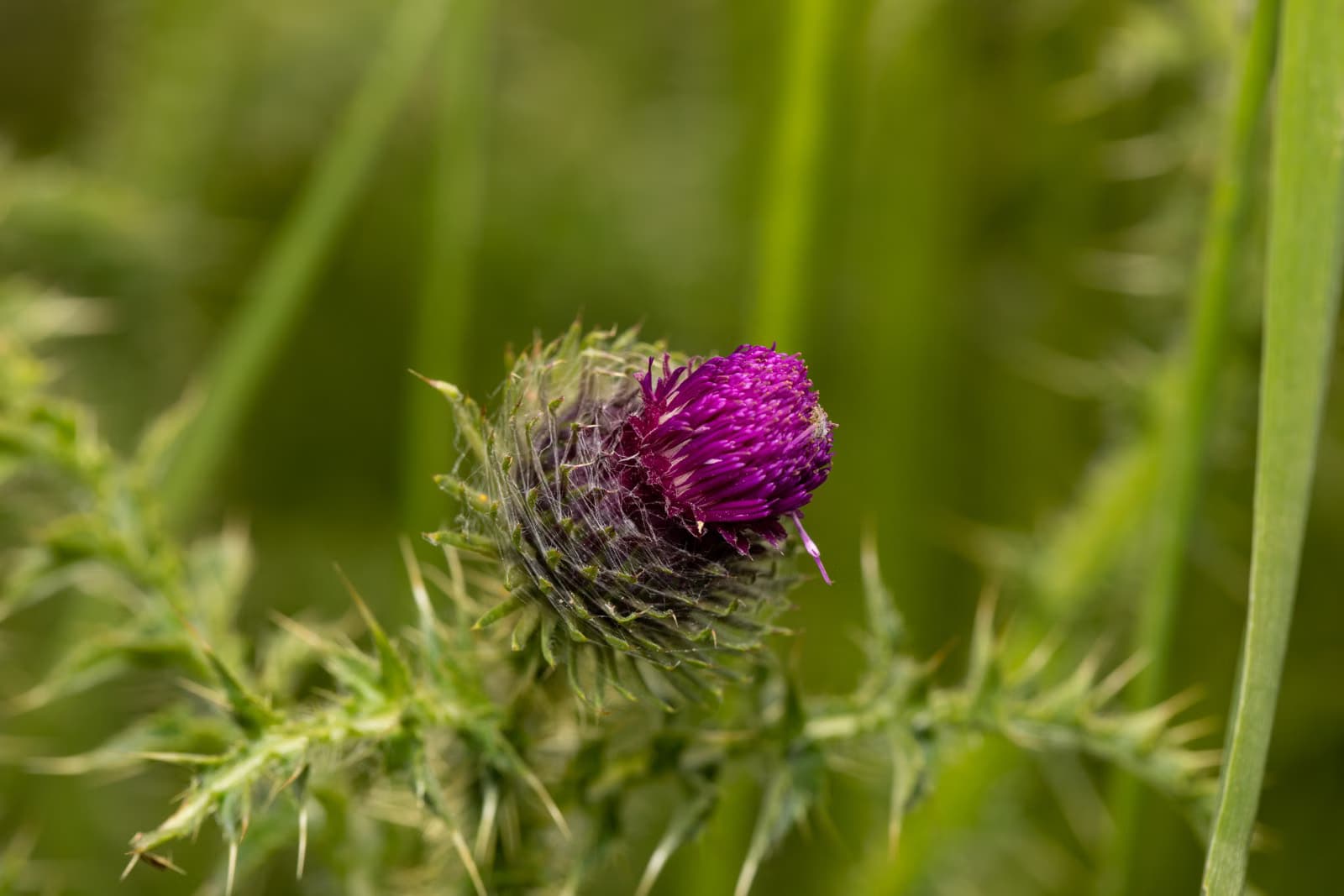
Silymarin is an extract of milk thistle seeds (Silybum marianum), the ingredient in capsules such as Hepanor 140 mg from Drug International. A Cochrane review of 13 randomised trials (915 patients with alcoholic or hepatitis B or C liver disease) found no significant effect on mortality, liver complications or liver histology, and judged the trials low quality. The US National Center for Complementary and Integrative Health (NCCIH) agrees: results are mixed or too limited, and two NCCIH-funded trials in hepatitis C and fatty liver disease found no benefit. It is generally well tolerated; that is the strongest claim the evidence allows.
Unani syrups (Alkuli, Icturn)
Alkuli syrup from Hamdard contains chicory, Tribulus, fennel and muskmelon seed; its label says it is traditionally used to support conditions such as oliguria, jaundice and hepatitis. Icturn syrup, Hamdard's version of the classical Sharbat Dinar, contains chicory, borage, rose, rhubarb and other herbs; its label lists jaundice, hepatitis, ascites and constipation. These are long-standing Unani formulations registered in Bangladesh, but no good-quality clinical trial shows that they shorten hepatitis, lower bilirubin or prevent liver damage: traditional use only.
| Product or herb | What the label says | Evidence grade |
|---|---|---|
| Silymarin (Hepanor) | Jaundice, chronic inflammatory liver conditions | Limited: no clear benefit on survival or complications (Cochrane, NCCIH) |
| Alkuli (chicory, Tribulus, fennel, muskmelon seed) | Traditionally used for oliguria, jaundice, hepatitis | Traditional use only |
| Icturn / Sharbat Dinar (chicory, borage, rose, rhubarb) | Jaundice, hepatitis, ascites, constipation | Traditional use only |
| Antivirals for hepatitis B or C | Prescription medicines | Good evidence: suppress the virus, prevent cirrhosis |
How do you use Hepanor, Alkuli or Icturn safely?
If your doctor agrees to add one of these products once the cause is known, follow the printed label only. Doses below are quoted from the MedEasy product pages.
- Hepanor (silymarin): the label says the 70 mg, 140 mg or 500 mg capsule is taken 3 times daily as per the instruction of a physician, until symptoms relieve. A mild laxative effect has occasionally been observed. The label advises caution in children under 12, with physician supervision, because study data are lacking, and says no experience is available in pregnancy or breastfeeding.
- Alkuli: the label says adults take 2 to 4 teaspoonfuls, 2 to 4 times daily; children 1 to 2 teaspoonfuls, 2 to 4 times daily, or as a physician prescribes.
- Icturn: the label says adults take 2 to 3 teaspoonfuls twice daily and children half to 1 teaspoonful twice daily, generally after meals. Rhubarb is a laxative, so stools may loosen.
Who should not take these without a doctor's advice
- Pregnant or breastfeeding women: none of the three labels gives pregnancy safety data, and jaundice in pregnancy is an emergency.
- Children: only the label's reduced dose, and only after a paediatrician has found the cause.
- People with diabetes: NCCIH notes milk thistle may affect blood sugar; watch for low readings if you take diabetes medicines.
- People on other medicines: NCCIH advises asking a health care provider first, because herbs and medicines can interact. Tell your doctor every herbal product you take; stop them before surgery.
- Allergy: milk thistle is a daisy-family plant; ragweed or chrysanthemum allergy may cause a reaction.
Buy only DGDA-registered products. MedEasy's Herbal & Traditional Medicine section lists registered Unani and herbal products with manufacturer and label details. Unlabelled powders sold as liver cures are the products regulators keep finding adulterated with undeclared drugs.
What tests will the doctor order for jaundice?
Diagnosis is quick:
- Serum bilirubin (total, direct, indirect): confirms jaundice and points to liver, bile ducts or blood.
- ALT and AST: liver enzymes, very high in viral hepatitis; ALP rises when bile is blocked.
- PT/INR: clotting; a raised INR means the liver is struggling.
- HBsAg, anti-HCV, IgM anti-HAV, IgM anti-HEV: identify the hepatitis virus.
- Ultrasound: gallstones, a dilated bile duct, fatty liver or cirrhosis.
How do you care for hepatitis A or E at home?
Once a doctor has confirmed hepatitis A or E with no danger signs, home care is the treatment. WHO states there is no specific antiviral for either virus; the body clears it, usually within two to six weeks for hepatitis E and over weeks to months for hepatitis A.
- Rest as much as you need.
- Fluids: plenty of safe water; sip small amounts often if nauseated.
- Normal food: the extreme no-oil, no-spice diet is tradition, not treatment; light home-cooked meals are fine.
- No alcohol until the doctor confirms recovery.
- Care with medicines: WHO advises avoiding unnecessary medicines that can harm the liver, including paracetamol. Ask your doctor first; our guide to paracetamol and fever in adults explains safe limits.
- Hygiene: wash hands with soap after the toilet and before cooking; do not cook for others while ill.
- Prevention: safe water, hepatitis B vaccine, hepatitis A vaccine for children, and a one-time hepatitis B and C test for adults, especially before pregnancy.
When should you see a doctor, and what are the emergency signs?
Every new case of jaundice should be seen by a doctor within a day or two for the tests above; you can consult a doctor online through MedEasy for an initial assessment. Go to hospital immediately, or call 999, if any of these appears:
- Confusion, unusual sleepiness or difficulty waking: signs of liver failure.
- Bleeding from gums or nose, blood in vomit, black stool, or a raised INR.
- Vomiting everything, so fluids cannot be kept down.
- Very dark urine, pale stool and severe itching: a possible bile duct blockage.
- Fever with pain under the right ribs: possible cholangitis.
- Jaundice in a pregnant woman, at any stage.
- Jaundice in a newborn, especially in the first 24 hours, spreading to the belly or legs, or a baby who is hard to wake or not feeding.
- Jaundice lasting over three weeks or recurring.
Common beliefs in Bangladesh about jaundice
“Jaundice is cured by a herbal tonic or by a kabiraj's jhar-fuk”
Hepatitis A and E get better on their own in most people, so whatever was tried last gets the credit. The danger is that hepatitis B, C or a blocked bile duct gets the same tonic while the real problem continues.
“You must stop all oil and spices”
No evidence shows that a strict oil-free diet speeds recovery. Eat light, familiar food you can tolerate; the only strict rule is no alcohol.
“Turmeric, papaya or sugarcane juice cures jaundice”
Harmless foods in normal amounts, but none lowers bilirubin or clears a virus, and roadside juice made with unsafe water or ice can itself spread hepatitis A or E.
“The yellow is gone, so the liver is healed”
In hepatitis B and C the colour fades while the virus stays and the liver scars silently. Only follow-up blood tests confirm recovery.
“Herbal means it cannot harm the liver”
NCCIH records that acute liver injury from herbal and dietary supplements, though rare, is being reported more often and can be severe enough to need a transplant. Natural is not the same as safe.
References
- Milk thistle for alcoholic and/or hepatitis B or C virus liver diseases - Cochrane
- Milk Thistle: Usefulness and Safety - NIH NCCIH
- Using Dietary Supplements Wisely - NIH NCCIH
- Hepatitis A fact sheet - World Health Organization
- Hepatitis E fact sheet - World Health Organization
- Jaundice in Newborns - American Academy of Pediatrics (HealthyChildren.org)
This article is for general health awareness and is not a substitute for a doctor's advice. Jaundice always needs a medical diagnosis. Herbal and Unani products are not a replacement for diagnosis or prescribed treatment; use them only as the label directs and after discussing them with your doctor.