Quick answer: In adults, a fever is a temperature of 38 °C (100.4 °F) or higher. Most fevers are viral and settle in about 3 days with rest and fluids. Paracetamol 500–1000 mg every 4–6 hours can ease discomfort, but never take more than 4 g in 24 hours. See a doctor if fever lasts beyond 3 days, reaches 39.5 °C or comes with warning signs.
What counts as a fever in adults?
A fever is a body temperature of 38 °C (100.4 °F) or higher. Normal temperature is about 36–37 °C and varies a little during the day. Fever is not an illness in itself. It is a sign that the body is fighting an infection or inflammation, and most fevers caused by viruses settle in about 3 days.
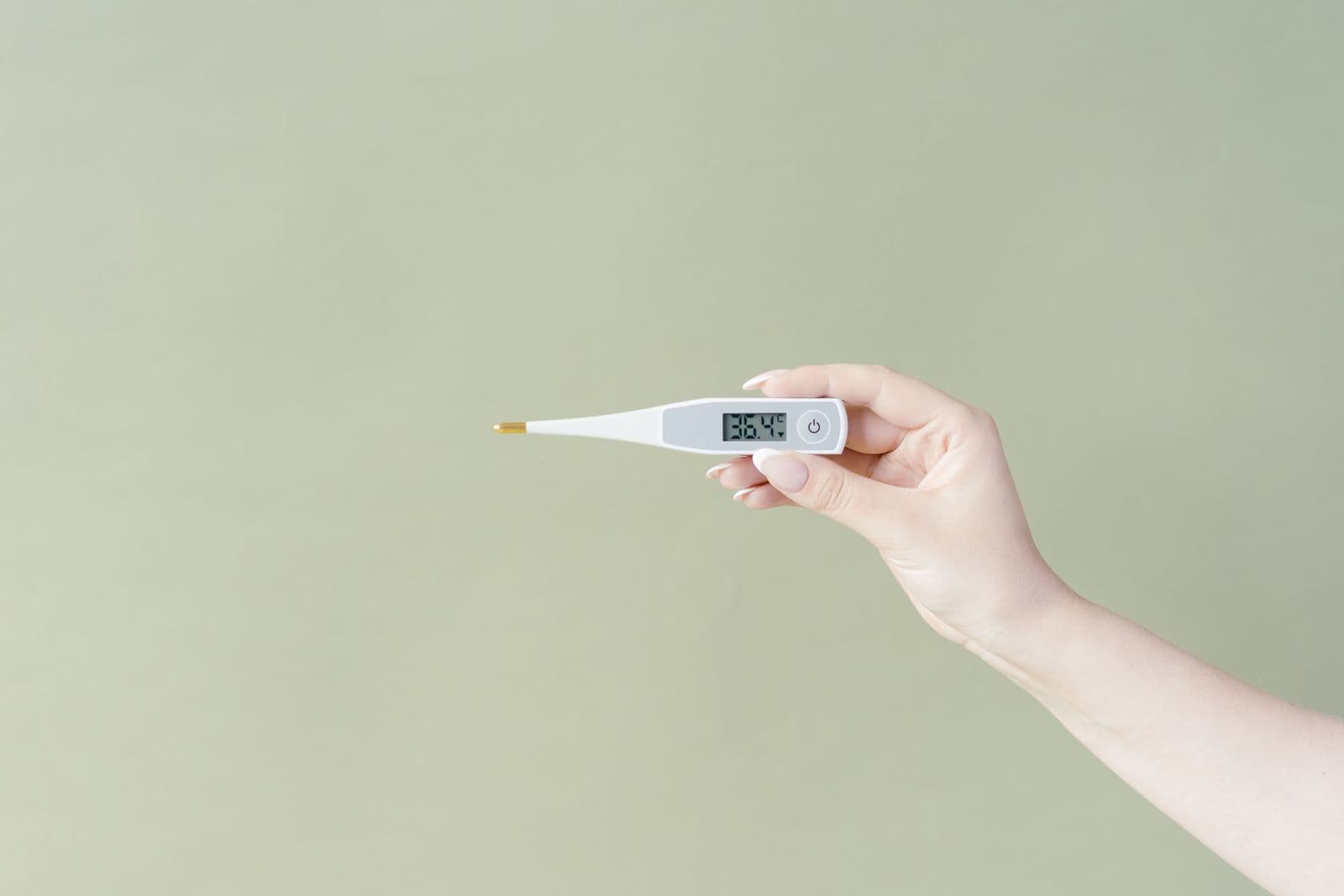
Use a digital thermometer under the armpit or in the mouth, and measure when you have been resting, not straight after a hot drink, a bath or exercise.
What causes fever in Bangladesh?
Many illnesses cause fever, and you cannot tell them apart by the temperature alone. Common causes include:
- Viral fever, including colds and other seasonal viral infections
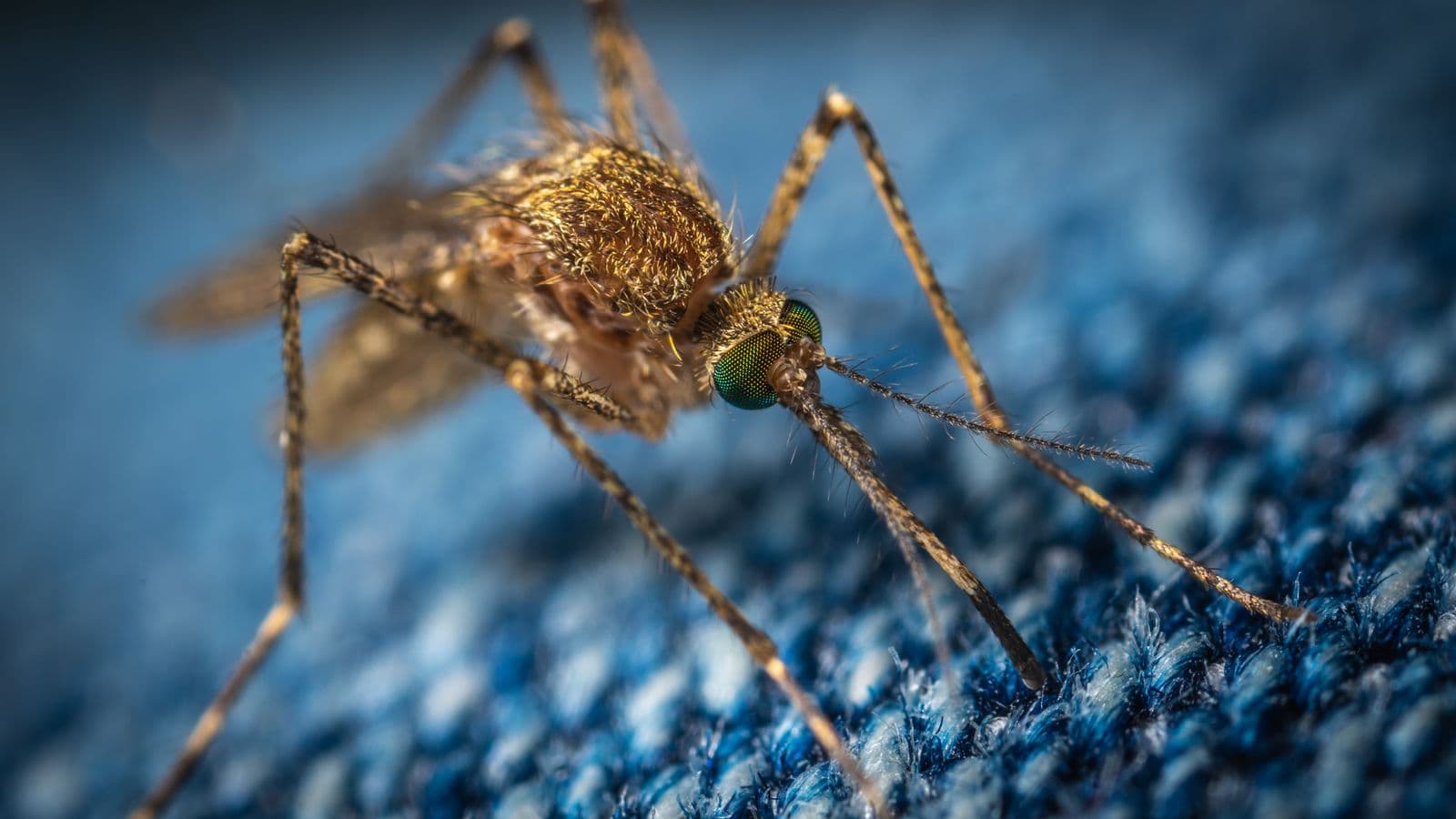
- Dengue, especially in and after the monsoon
- Typhoid
- Influenza
- Urinary tract infection
- Malaria, in endemic areas such as the hill tracts
If a fever does not settle, a doctor may advise blood or urine tests to find the cause.
A fever that climbs step by step over a week, with headache, abdominal pain and either constipation or diarrhoea, can be typhoid; our guide to typhoid fever symptoms, tests and prevention explains what to expect.
In dengue season, read our full guide to dengue symptoms and warning signs so you know which changes mean the illness is getting worse.
How do I look after a fever at home?
- Rest and stay home until the fever has gone.
- Drink plenty of fluids: water, ORS, soups, lemon water or coconut water. A fever makes you lose more water than usual.
- Wear light clothing and keep the room comfortable, not too hot and not too cold.
- Do not use cold-water or ice baths. They cause shivering and do not treat the cause.
- Eat light food as you can manage it.
- Write down your temperature and the time, so a doctor can see the pattern.
If you feel reasonably well, you do not have to take a medicine just to bring the number down.
A medicine is worth considering if the fever makes you very uncomfortable, stops you sleeping or drinking, or comes with headache and body aches. Paracetamol reduces the temperature for a few hours but does not cure the infection, so keep drinking fluids after taking it. It is normal for the fever to return as the tablet wears off. What matters most is how you look and feel overall, and whether new symptoms appear.
How much paracetamol can an adult take?
Paracetamol is usually the first choice for adults with fever or aches. Paracetamol 500 mg tablets such as Napa 500 mg are sold over the counter, and you can browse the paracetamol fever and pain range.
| Item | Adult guidance |
|---|---|
| Single dose | 500–1000 mg (1–2 tablets of 500 mg) |
| Gap between doses | 4–6 hours; never less than 4 hours |
| Maximum in 24 hours | 4 g (8 tablets of 500 mg) |
| Lower ceiling (about 3 g) | Low body weight, regular alcohol use or liver disease: ask a doctor first |
Check the label of cold and flu combination products, because many already contain paracetamol. Taking one of them with plain paracetamol can push you over the daily limit. An overdose damages the liver, and the damage can show up late, so if you have taken too much, go to hospital straight away even if you feel fine.
Many guidelines set the ceiling at about 3 g (6 tablets of 500 mg) for adults under 50 kg, with liver disease or who drink alcohol regularly. Do not take it for more than 3 days without medical advice.
Which medicines should I avoid when I have a fever?
- Aspirin: never give it to anyone under 16.
- Ibuprofen and other NSAIDs: avoid them if dengue is possible, because they can increase bleeding risk. Also avoid them with a stomach ulcer, kidney disease or pregnancy unless a doctor agrees.
- Antibiotics: do not start them yourself. Most fevers are viral and antibiotics do not work on viruses.
Do not combine paracetamol with alcohol. Fever in children needs a different approach, because doses are based on weight and paediatric formulations are used, so never give adult tablets to a child. This article covers adults only. Herbal or home remedies are not proven to treat the cause of a fever, and they should never delay a medical check.
A digital thermometer makes it easier to track a fever accurately. You can find one on digital thermometers on MedEasy.
Who needs extra care with a fever?
These groups should see a doctor early, often on the first day:
- Older adults (over 65): may have little or no fever even with pneumonia or a urinary infection. New confusion, weakness, a fall or going off food can be the only signs.
- Pregnancy: any fever needs a same-day review. Paracetamol at the usual dose is the safest choice; avoid NSAIDs unless prescribed, especially after 20 weeks.
- Diabetes: infection raises blood sugar. Check it more often, and seek help if readings stay above 15 mmol/L (270 mg/dL), you cannot keep fluids down, or you become drowsy or breathe fast.
- Kidney or liver disease: avoid NSAIDs with kidney disease. With liver disease keep paracetamol to about 3 g a day or less, never with alcohol.
- Chemotherapy, transplant, long-term steroids or HIV: 38 °C or higher is an emergency, because infection can become life-threatening within hours. Go straight to the hospital where you are treated.
What tests will the doctor order and what do the results mean?
No test is needed for a mild fever that is settling. Beyond 2–3 days, or in someone at higher risk, the doctor chooses tests by season, location and symptoms.
| Test | When | What the result can mean |
|---|---|---|
| CBC (complete blood count) | Fever beyond 2–3 days | Low white cells with falling platelets suggest a virus such as dengue; high white cells with raised neutrophils suggest bacteria. Normal platelets: 150,000–450,000 per microlitre. |
| Dengue NS1 antigen | Days 1–5 of fever | Positive confirms dengue. Negative after day 5 does not rule it out. |
| Dengue IgM antibody | From about day 5 | Positive suggests recent dengue; it stays positive for 2–3 months. |
| Blood culture | Fever of a week or more with headache, abdominal pain, constipation or diarrhoea (possible typhoid) | Grows the bacteria and shows which antibiotic works; must be taken before antibiotics and takes 2–5 days. Widal is not recommended because of false positives. |
| Malaria smear or rapid test | Fever after living in or visiting the hill tracts or Cox's Bazar | Shows the parasite. A positive test needs treatment the same day. |
Common myths about fever in Bangladesh
"A strong antibiotic will bring the fever down faster"
Antibiotics kill bacteria and do nothing to the viruses behind most fevers. A course bought without a prescription does not shorten a viral fever, fuels antibiotic resistance, and can make a later blood culture for typhoid falsely negative.
"High fever will melt the brain"
Fever from infection rarely passes 41 °C, a level that does not damage an adult's brain. Brain injury comes from heat stroke or from a brain infection such as meningitis, which is why confusion, a seizure or a stiff neck with fever are emergencies.
"Sponging with cold water or ice brings the fever down"
Cold water and ice cause shivering, which produces heat, so the core temperature can rise. Use a lukewarm wet cloth on the forehead, neck and armpits, keep the fan on and wear light clothing.
"Cold-and-flu tablets are different from paracetamol, so both together are fine"
Many cold-and-flu combination products contain paracetamol, typically 325–500 mg per dose. Taking one with Napa or another paracetamol product doubles the dose without you noticing, so count all paracetamol together towards the 4 g daily limit.
When should I see a doctor for a fever?
Go to hospital or call 999 straight away if the fever comes with:
- A seizure or fit
- Confusion or unusual drowsiness
- Difficulty breathing or chest pain
- A stiff neck with severe headache
- A rash that does not fade when you press a glass against it
- Severe abdominal pain, persistent vomiting or any bleeding when dengue is possible
- 38 °C or higher in someone on chemotherapy or with very low immunity
See a doctor the same day if:
- The fever lasts beyond 3 days, reaches 39.5 °C or higher, or keeps coming back
- You are vomiting repeatedly or cannot keep fluids down, or you are passing very little urine
- You are pregnant, over 65, have diabetes or another long-term illness, or have low immunity
- You have travelled to a malaria area such as the hill tracts
You can consult a doctor online if you are unsure, but severe symptoms need in-person emergency care.
If your fever continues, a doctor may ask about travel, mosquito bites, urinary symptoms and contacts with sick people, and may advise a CBC, urine test, dengue test or blood culture. Bring your temperature log and a list of every medicine you have taken, including cold and flu products.
References
- Fever in adults - NHS
- Paracetamol for adults - NHS
- Acetaminophen (Paracetamol) - MedlinePlus
- Dengue and severe dengue - WHO
- Typhoid Fever Clinical Guidance - CDC
- Malaria - WHO
This article is for general awareness only and is not a substitute for a doctor's advice, diagnosis or treatment.