Quick answer: Treat diarrhoea by replacing lost fluid. Dissolve one low-osmolarity ORS packet in exactly the amount of clean water printed on it, and sip often. Keep feeding, and keep breastfeeding babies. Children aged 6 months to 5 years should also get zinc 20 mg daily for 10–14 days. Go urgently for blood in the stool, signs of dehydration or vomiting that stops all fluids.
What is diarrhoea and why is dehydration the danger?
Diarrhoea means passing three or more loose or watery stools in a day. Most cases are caused by infections from contaminated food or water and settle on their own. The real danger is dehydration: the body loses water and salts faster than they are replaced. This is especially risky for babies, young children, older adults and pregnant women.
How do I give ORS correctly?
ORS (oral rehydration solution) is the main treatment. It is cheap and works because sugar and salt together help the gut absorb water. Packets are available in the OTC medicine section.
- Use a low-osmolarity ORS packet and clean water that has been boiled and cooled, or is otherwise safe.
- Dissolve the whole packet in exactly the amount of water printed on the packet. Do not add extra sugar or salt, and do not use less water.
- Use the mixed solution within 24 hours, then throw away any that remains.
- Give small sips often, from a cup or spoon.
- If the person vomits, wait 10 minutes and continue more slowly.
WHO advises the following amount after each loose stool:
| Age | ORS after each loose stool |
|---|---|
| Under 2 years | About 50–100 ml |
| 2–10 years | About 100–200 ml |
| Older children and adults | As much as they want |
Step-by-step checklist: preparing and giving ORS
- Wash your hands; take a clean jug, cup and spoon.
- Check the packet: low-osmolarity ORS, in date. Read its volume; most sachets in Bangladesh are for 500 ml, some for 1 litre.
- Measure exactly that much safe water (boiled and cooled, filtered or bottled); do not guess.
- Stir in the whole sachet. Add no sugar, honey, lemon or extra salt.
- After each loose stool give 50–100 ml under 2 years, 100–200 ml at 2–10 years, as much as wanted when older. Babies: a teaspoon every 1–2 minutes.
- If vomiting, wait 10 minutes, then restart with smaller sips.
- Keep the jug covered, discard leftovers after 24 hours, and continue until the diarrhoea stops.
Does zinc help children with diarrhoea?
Yes. Zinc shortens the illness and reduces the chance of it returning in the next few months. The usual advice is:
- Children aged 6 months to 5 years: 20 mg once daily for 10–14 days
- Babies under 6 months: 10 mg once daily for 10–14 days
Complete the full course even after the stools become normal. Zinc is also available in the OTC medicine section, and a doctor or pharmacist can advise on the right paediatric product.
How do I tell whether someone is dehydrated?
WHO grades dehydration as none, some or severe by four signs:
| Look at | Some dehydration | Severe dehydration |
|---|---|---|
| General condition | Restless or irritable | Lethargic or unconscious |
| Eyes | Sunken | Sunken |
| Thirst | Drinks eagerly, very thirsty | Drinks poorly or cannot drink |
| Skin pinch | Goes back slowly | Goes back very slowly (2 seconds or more) |
Two or more signs in a column mean that level. Some dehydration is corrected with ORS, typically about 75 ml per kg over 4 hours at a clinic. Severe dehydration needs intravenous fluids in hospital at once; give ORS on the way.
What should I eat and drink during diarrhoea?
- Keep breastfeeding babies as usual. Continue normal feeding for children and adults.
- Offer rice, banana, lentil soup, boiled potato and other easy foods in small, frequent meals.
- Avoid very sugary drinks and juices, which can make diarrhoea worse.
If ORS is not available, WHO describes a home salt-sugar solution as a last resort: 6 level teaspoons of sugar and half a level teaspoon of salt in 1 litre of clean water. Measure carefully, because wrong amounts can be harmful. ORS packets are better and cheap, so use them whenever you can.
For babies, keep breastfeeding on demand and offer ORS in small spoonfuls between feeds. For older adults, who become dehydrated quickly, give ORS regularly even if they say they are not thirsty. Pregnant women with diarrhoea should be checked by a doctor early. It is sensible to keep a few ORS packets at home, especially in the hot, humid months when diarrhoea is common.
Do I need antibiotics or anti-diarrhoea tablets?
Usually not. Most diarrhoea is viral or settles without antibiotics, and unnecessary antibiotics add to resistance. Avoid loperamide in children, and also when there is blood in the stool or high fever. Fever itself can be managed as described in our guide to fever in adults and paracetamol.
Oral rehydration salt (ORS) powders are available on ORS sachets on MedEasy. Always dissolve a sachet in exactly the amount of clean water printed on the pack.
When antibiotics are actually needed
- Bloody diarrhoea (dysentery): often Shigella; a doctor usually prescribes an antibiotic, especially for children.
- Suspected cholera: rice-water stools with rapid dehydration; fluids first, then an antibiotic shortens the illness.
- Severe illness in a malnourished child, frail older adult or immunocompromised person.
- A parasite found on a stool test: such as giardia or amoeba.
Most episodes are viral (rotavirus, norovirus), which antibiotics cannot treat, and every unnecessary course breeds resistance. Buying metronidazole or ciprofloxacin over the counter for every loose stool is common in Bangladesh but unsafe. Loperamide is not for children under 12; it hides the symptom and can trap infection when there is blood or fever.
Diarrhoea or constipation together with a fever that rises over several days may point to typhoid rather than a simple stomach infection; read typhoid fever: symptoms, diagnosis and prevention.
What tests will the doctor order and what do the results mean?
Most short bouts need no test; treatment is the same whatever the germ. A stool test (microscopy and culture) is ordered for blood or mucus in the stool, diarrhoea over 14 days, severe illness, a weak immune system or an outbreak. It looks for Shigella, Salmonella, Vibrio cholerae or parasites; a positive result guides the antibiotic, while a negative result is common and does not mean nothing is wrong. In severe dehydration, older adults and kidney patients, blood tests check sodium, potassium and kidney function.
What are the signs of dehydration and when should I see a doctor?
Signs of dehydration include sunken eyes, a very dry mouth, no tears when crying, little or no urine, drowsiness, and fast breathing. In babies, look for a sunken soft spot (fontanelle) on the head.
Seek urgent medical care if there is:
- Blood in the stool
- Rice-water stools, which can mean cholera
- Fever above 39 °C in an infant
- Vomiting that stops all fluids
- Severe abdominal pain
- Diarrhoea lasting more than 2 weeks
- Any case in an older adult or a pregnant woman
- No urine or wet nappy for 6 hours or more, or a slow skin pinch
- No improvement after 2 days of proper ORS
You can consult a doctor online for advice, but severe dehydration needs hospital care and call 999 if the person is very drowsy or cannot be woken easily.
Recovery is a good sign when the child is more alert, drinks eagerly, passes urine normally and the stools become less frequent. If the child seems weaker or the diarrhoea is getting worse despite ORS, do not wait for the next day to ask for medical help.
Cholera and outbreaks in Bangladesh
Bangladesh sees cholera every year, peaking around the monsoon and after floods. It causes sudden rice-water stools and can dehydrate an adult within hours, so it is always an emergency. Treatment is the same ORS, fast and in large amounts, plus intravenous fluids and an antibiotic in hospital for severe cases. Oral rehydration was proven in Dhaka in the late 1960s at the laboratory that became icddr,b, whose Mohakhali hospital treats diarrhoea free. Start ORS and go at once.
Common myths and questions in Bangladesh
Should I stop food and milk?
No. Fasting does not rest the gut; it weakens the child and slows recovery. Breastfeed more often, keep the usual food in small frequent meals, and after the illness give one extra meal a day for about 2 weeks.
Is homemade sugar-salt water as good as a packet?
No. A packet also contains potassium and citrate in exact proportions. The home solution is only for when no packet can be found; too much salt harms a baby, too much sugar worsens diarrhoea.
Will an anti-diarrhoeal tablet cure it faster?
No. Tablets that stop the gut only hide the symptom, are not for children and can harm with bloody diarrhoea. ORS and zinc actually help.
How can I prevent diarrhoea?
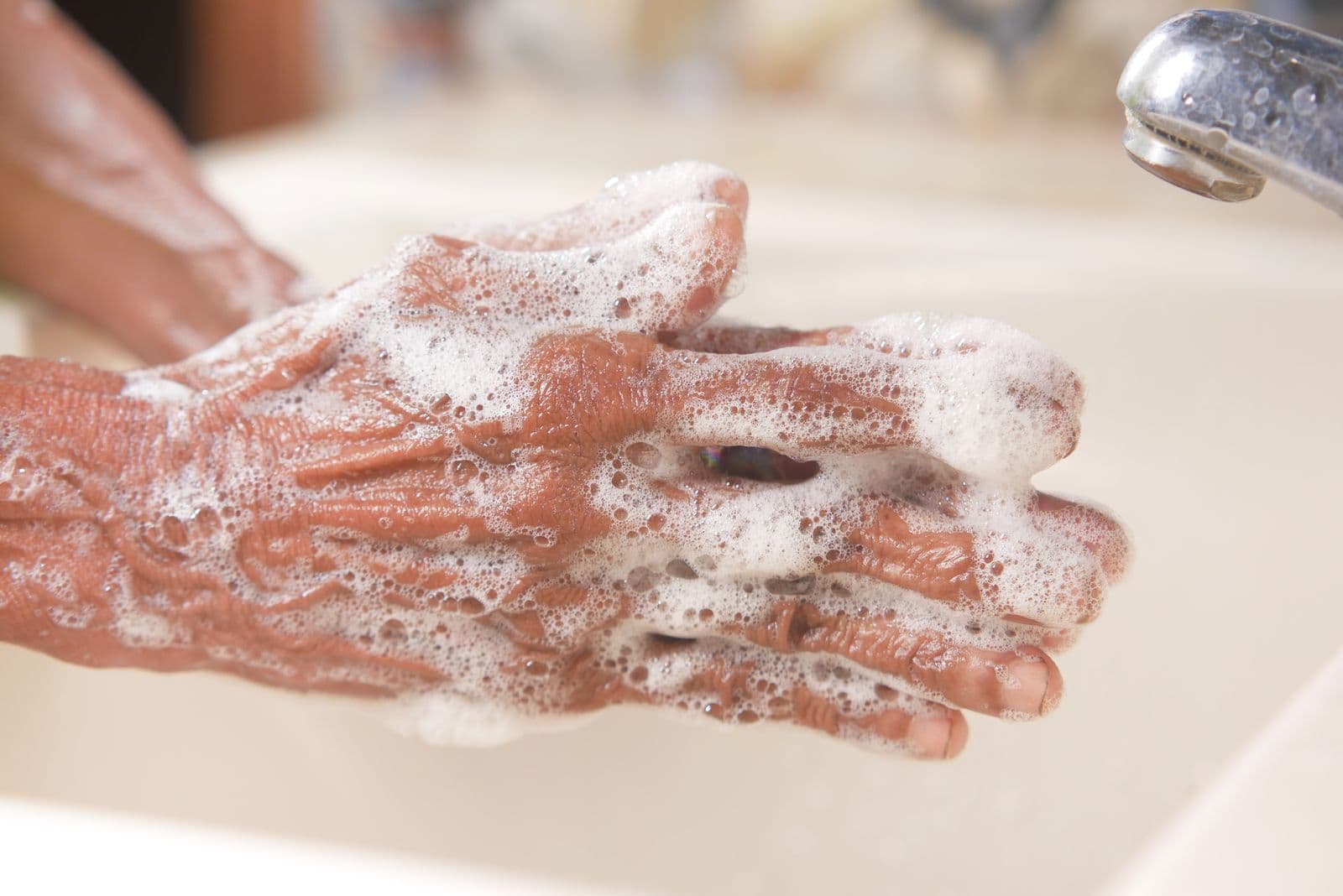
- Wash hands with soap after the toilet, after cleaning a baby and before cooking or eating.
- Drink safe water: boiled and cooled, or treated.
- Cover and refrigerate cooked food, wash fruit and vegetables, and keep raw and cooked food apart.
- Ask the doctor or EPI vaccinator about the rotavirus vaccine for infants.
References
- Diarrhoeal disease - WHO
- The treatment of diarrhoea: a manual for physicians and other senior health workers - WHO
- Diarrhoea and vomiting - NHS
- Diarrhea - MedlinePlus
- Diarrhea in Children - HealthyChildren.org (AAP)
- About Cholera - CDC
This article is for general awareness only and is not a substitute for a doctor's advice, diagnosis or treatment.