Quick answer: Dengue is a viral infection spread by Aedes mosquitoes, which bite mainly in the daytime. Symptoms start about 4–10 days after the bite: high fever, severe headache, pain behind the eyes, and muscle and joint pain. The danger often begins around days 3–7, when the fever falls. Severe abdominal pain, repeated vomiting or bleeding means go to hospital immediately.
What is dengue and how does it spread?
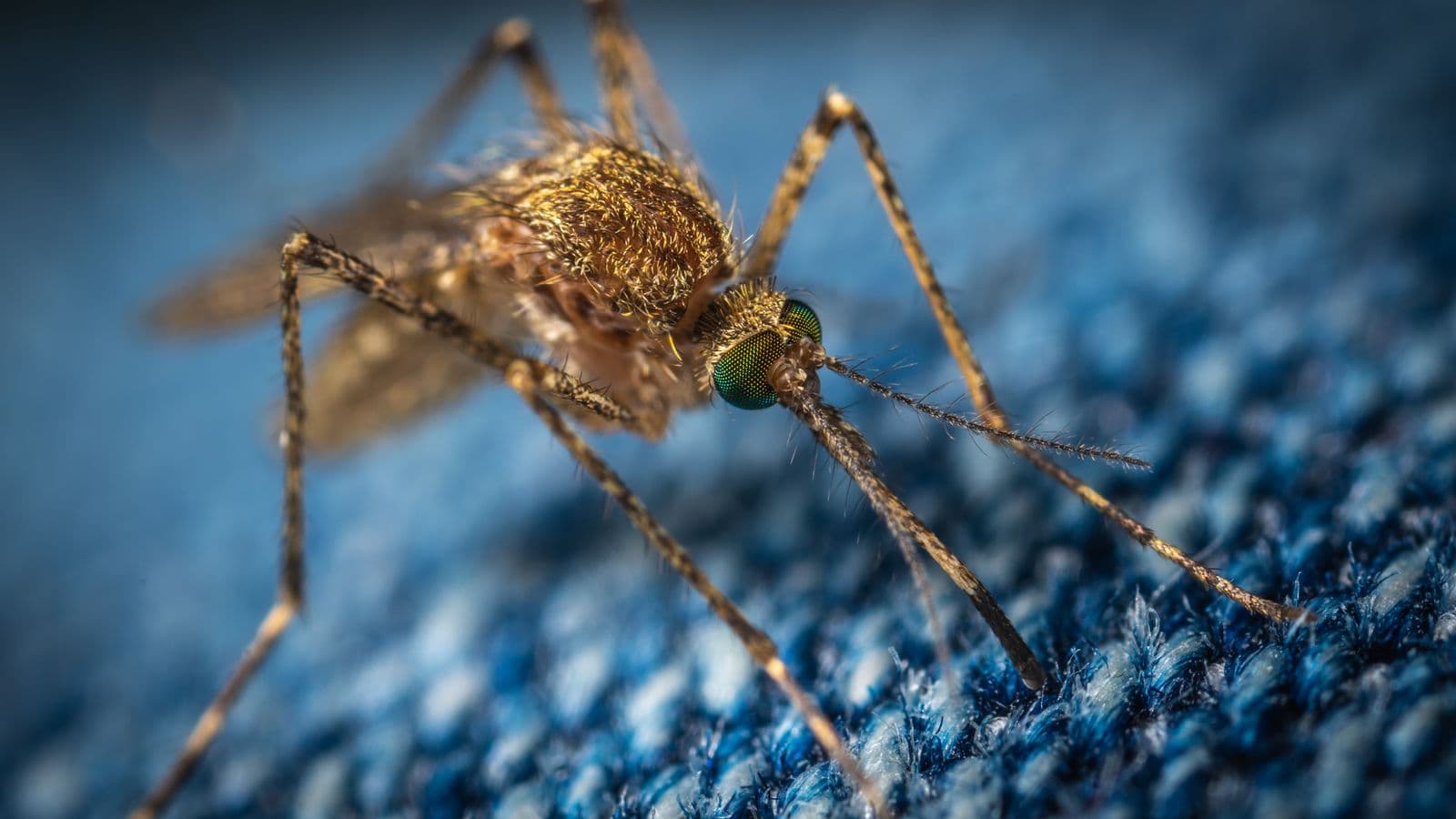
Dengue is caused by a virus that passes to people through the bite of an infected Aedes mosquito. These mosquitoes bite mainly in the daytime and breed in clean, stagnant water around homes. Dengue does not spread directly from person to person. After a bite, symptoms usually appear in about 4–10 days.
What are the symptoms of dengue?
The first, febrile phase lasts about 2–7 days. It can include:
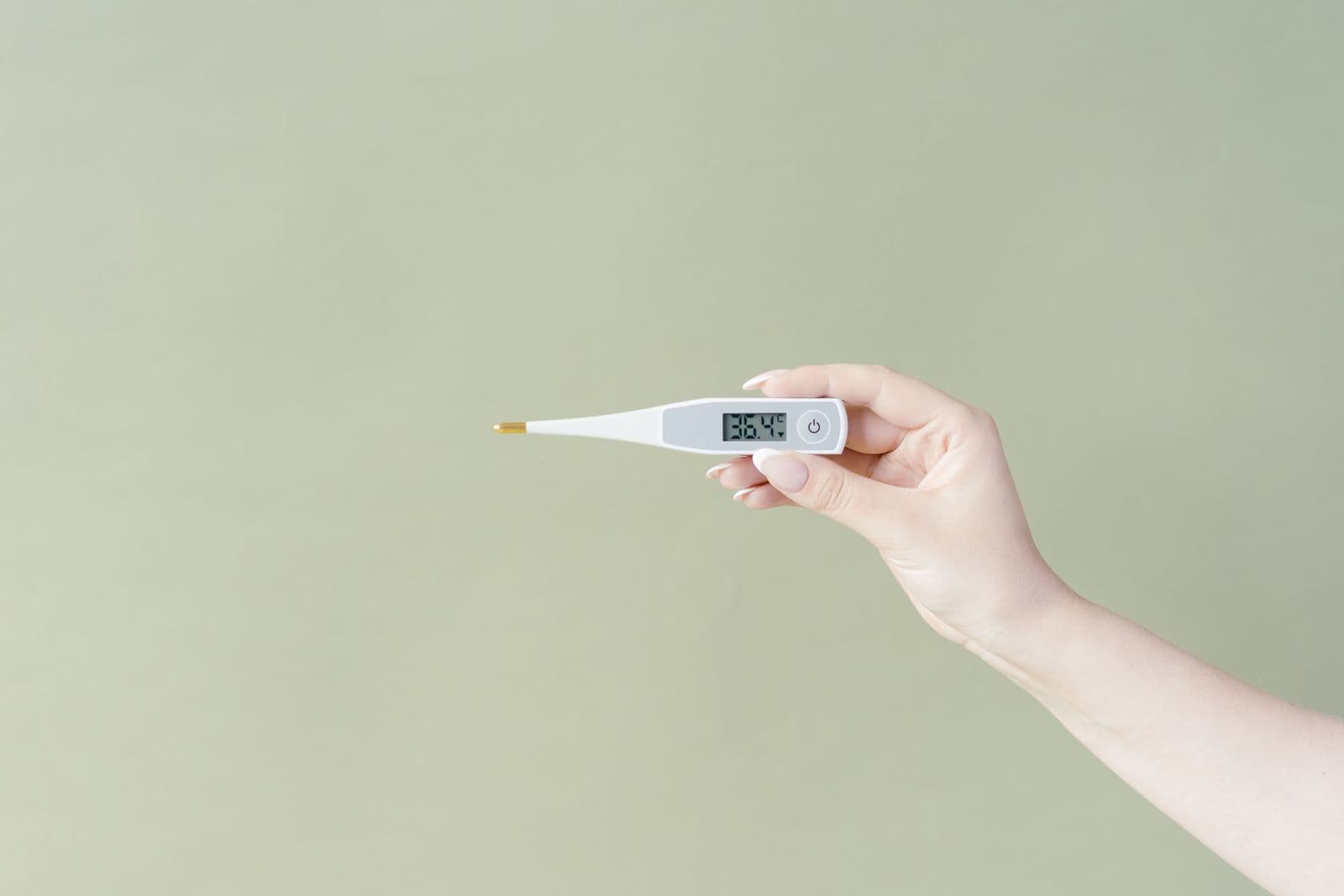
- Sudden high fever
- Severe headache and pain behind the eyes
- Muscle and joint pain
- Nausea or vomiting
- A skin rash
Many people recover at this stage. But the illness can change quickly, so every dengue patient needs medical follow-up.
What are the dengue warning signs?
The critical phase usually comes around days 3–7, often just as the fever falls. Feeling better at this point can be misleading. The WHO warning signs are:
- Severe abdominal pain or tenderness
- Persistent vomiting
- Bleeding from the gums or nose, or blood in vomit or stool
- Lethargy or restlessness
- Fluid accumulation: a swollen belly or breathlessness from fluid around the lungs
- An enlarged liver (pain under the right ribs)
- On blood tests, a rising haematocrit with a rapidly falling platelet count
Cold, clammy skin, fast breathing and much less urine are signs of shock and equally urgent. These signs mean the blood vessels may be leaking fluid. After the critical phase comes the recovery phase, when the body slowly reabsorbs fluid and energy returns.
The critical phase: days 3–7
The critical phase begins when the temperature drops to about 38 °C or below, usually on day 3 to 7 of illness, and lasts 24–48 hours. Plasma can leak from the blood vessels, so the patient may look better while blood pressure quietly falls. For those 2 days, note urine (at least every 4–6 hours), fluid intake, and any bleeding, abdominal pain or drowsiness. Deterioration can happen within hours, so do not wait until morning if a warning sign appears at night.
How is dengue diagnosed and treated?
There is no specific antiviral medicine for dengue. Treatment is supportive and guided by a doctor. In the first few days, an NS1 antigen blood test can detect the virus. Antibody tests are used later. Doctors may also advise a CBC with platelet count and haematocrit to follow the illness.
A low platelet count alone does not tell you how severe dengue is. Many patients with low platelets recover without any transfusion, so do not push for platelet transfusion; let the treating doctor decide. A second dengue infection with a different virus type can be more severe than the first.
Dengue cases in Bangladesh rise during and after the monsoon, although infection can happen at other times of the year. Infants, older adults, pregnant women and people with diabetes or other long-term illness are at higher risk of severe disease. If anyone at home has a fever during dengue season, watch the whole household, because several people can be bitten by the same mosquitoes.
What tests will the doctor order and what do the results mean?
| Test | When | What the result means |
|---|---|---|
| NS1 antigen | Days 1–5 of fever (may stay positive to day 7) | Positive confirms dengue. Negative after day 5 does not rule it out. |
| IgM antibody | From about day 5 | Positive means recent infection; it stays positive for 2–3 months. |
| IgG antibody | With the IgM test | High IgG in the first days suggests a second dengue, with a higher risk of severe disease. |
| Platelet count (in CBC) | Often daily in the critical phase | Normal is 150,000–450,000 per microlitre. It usually falls, is lowest around days 4–6 and recovers on its own; the trend matters more than one value. |
| Haematocrit (HCT) | With every CBC | A rise of 20% or more above your baseline means plasma is leaking. Rising HCT with falling platelets is a WHO warning sign. |
The WHO 2009 classification then groups patients as dengue without warning signs (usually home care), dengue with warning signs (hospital observation) or severe dengue (shock or breathing difficulty from plasma leakage, severe bleeding, or organ damage such as liver enzymes of 1,000 IU/L or more), needing emergency care.
How should I care for mild dengue at home?
Only manage dengue at home if a doctor has examined you and you have regular follow-up.
- Rest well.
- Drink plenty of fluids: ORS, soups, fruit juice and coconut water.
- Use paracetamol for fever, such as Napa 500 mg, within the daily limit explained in our guide to fever in adults and paracetamol.
- Do not take aspirin, ibuprofen or other NSAIDs. They increase bleeding risk.
- Do not take antibiotics or steroids, or have IV drips at home, unless a doctor prescribes them.
- Papaya-leaf juice and similar remedies are not proven to treat dengue. Never let them delay medical care.
How much fluid, and which fluids?
An average adult needs at least 2 litres (8–10 glasses) a day, more if vomiting. Plain water alone is not enough because salts are lost too, so alternate it with ORS (mixed exactly as the packet says), milk, soup, rice or barley water, coconut water and fruit juice (with care in diabetes). Aim for pale-yellow urine at least every 4–6 hours. With heart or kidney disease, ask the doctor how much to drink.
Recovery can be slow. Tiredness may last for weeks, and an itchy rash can appear as the fever settles. Keep drinking fluids, return to normal activity gradually, and keep any follow-up blood test appointments your doctor has given you. Tell the doctor at once if fever returns or any warning sign appears.
If dengue tests are negative and the fever continues into a second week, doctors will also consider typhoid; see typhoid fever symptoms, diagnosis and prevention.
When should I go to hospital for dengue?
Go to hospital or call 999 at once if you or a family member with fever has any warning sign listed above, especially after the fever falls. Also go if no urine is passed for 4–6 hours, if there is any bleeding including a heavy period, or if the patient gets worse as the fever drops. Children, older adults, pregnant women and people with diabetes or other long-term illness need closer watching, and doctors often admit them even without warning signs. If you are unsure whether to go in, you can talk to a doctor online first, but do not wait if symptoms are severe.
Common myths about dengue in Bangladesh
"Papaya-leaf juice cures dengue"
Small studies suggest papaya-leaf extract may raise platelet counts slightly, but there is no good evidence it prevents severe dengue, bleeding or death; platelets recover on their own anyway. The danger is that it replaces fluids, paracetamol and follow-up blood tests.
"Low platelets mean I need a platelet transfusion"
Most patients recover without one, even with very low counts. Transfusion is given for significant bleeding, not for the number alone. What protects you is careful fluid management under a doctor's watch.
"A second dengue is always deadly"
A second infection with a different virus type does carry a higher risk of severe dengue, so anyone with past dengue should be tested early and watched closely. But most second infections still recover with timely care, and with four virus types dengue can happen more than twice.
How can I prevent dengue?
- Empty and scrub containers that hold stagnant water at least once a week: flower trays, AC drip trays, old tyres, coconut shells and rooftop containers.
- Cover water storage tanks and buckets.
- Fit window and door screens.
- Use mosquito nets for children and anyone who sleeps in the daytime.
- Use repellent containing DEET or picaridin, and wear long sleeves and trousers.
A weekly 10-minute check of a Dhaka home
Aedes lays eggs in any container holding clean water for a week, and bites mostly in the early morning and late afternoon, even indoors. Once a week:
- Tip out and scrub flower-pot trays, vases and money-plant jars.
- Empty the refrigerator defrost tray and the AC drip tray.
- Check the roof and balcony for buckets, paint tins, plastic cups, polythene and uncovered tanks.
- Flush unused toilets and floor drains weekly.
- Look for pooled water under the stairs, in the garage and basement, and report standing water at nearby construction sites, lift pits and vacant plots.
A dengue vaccine (Qdenga) is licensed in some countries, and WHO recommends it mainly for children aged 6–16 in high-transmission areas. It is not routine in Bangladesh, so ask a doctor whether it suits you.
Prevention works best when the whole neighbourhood takes part. Check shared spaces such as drains, construction sites, building basements and rooftops, ask building management to clear stagnant water, and join community clean-up drives. One neglected container can breed enough mosquitoes to affect many homes.
References
- Dengue and severe dengue - WHO
- Dengue: Guidelines for Diagnosis, Treatment, Prevention and Control (2009) - WHO
- Clinical Features of Dengue - CDC
- Clinical Testing Guidance for Dengue - CDC
- About Dengue - CDC
- Dengue - NHS
This article is for general awareness only and is not a substitute for a doctor's advice, diagnosis or treatment.