Quick answer: Iron deficiency anaemia happens when low iron means the body cannot make enough haemoglobin. Common signs are tiredness, pale skin, breathlessness on exertion, dizziness and hair fall. It is diagnosed with a blood count and ferritin test. Treatment is usually iron tablets prescribed by a doctor, plus iron-rich food and finding the cause.
What are the signs of iron deficiency anaemia?
Symptoms build up slowly, so many people get used to them. Look for:
- Tiredness and weakness
- Pale skin, pale inner eyelids and pale nails
- Shortness of breath on exertion and a fast heartbeat
- Dizziness and headache
- Hair fall, brittle or spoon-shaped nails
- Restless legs and cold hands
- Pica: craving for ice, clay, chalk or raw rice
Tiredness alone has many causes, including vitamin deficiencies such as low vitamin D, so a blood test is the way to find out.
What causes iron deficiency in Bangladesh?
- Low iron intake: rice-based meals with little meat, fish or lentils
- Heavy periods
- Pregnancy and rapid growth in children and teenagers, when iron needs rise
- Hidden blood loss: piles, stomach ulcers, or regular use of painkillers called NSAIDs (such as ibuprofen or diclofenac)
- Hookworm infection
- Poor absorption, for example in celiac disease
- Drinking tea with meals, which blocks iron absorption
Iron needs almost double in pregnancy, which is why antenatal iron and folic acid tablets are routine; see first-trimester pregnancy care and warning signs.
How is it diagnosed, and what are the haemoglobin cut-offs?
A complete blood count (CBC) shows low haemoglobin (Hb) and small red cells. A ferritin test shows your iron stores. WHO defines anaemia as haemoglobin below:
| Group | Anaemia if Hb is below |
|---|---|
| Non-pregnant women | 12.0 g/dL |
| Men | 13.0 g/dL |
| Pregnant women | 11.0 g/dL |
| Children 6 to 59 months | 11.0 g/dL |
An important Bangladesh point: thalassaemia and haemoglobin E trait are common here. They also cause small red cells and mild anaemia, but iron tablets do not fix them. Do not start iron blindly. Get a ferritin test and, if your doctor advises, haemoglobin electrophoresis first.
Men and women after menopause who have iron deficiency need a doctor to look for hidden bleeding in the gut. Your doctor may also advise deworming.
How is iron deficiency anaemia treated?
Treatment is usually oral iron such as ferrous sulfate, ferrous fumarate or ferrous gluconate, as prescribed. Some doctors prescribe it daily; others suggest alternate days, which may be better absorbed and better tolerated. Practical tips:
- Take it with water or with vitamin C-rich food such as lemon, guava or amla.
- Keep it about 2 hours away from tea, coffee, milk, calcium tablets and antacids.
- Expect haemoglobin to rise within 2 to 4 weeks.
- Continue for about 3 months after haemoglobin becomes normal, to refill stores, unless your doctor says otherwise.
- Side effects are constipation and nausea. Dark stools are harmless.
- Keep iron tablets out of children's reach. Iron overdose in children is dangerous.
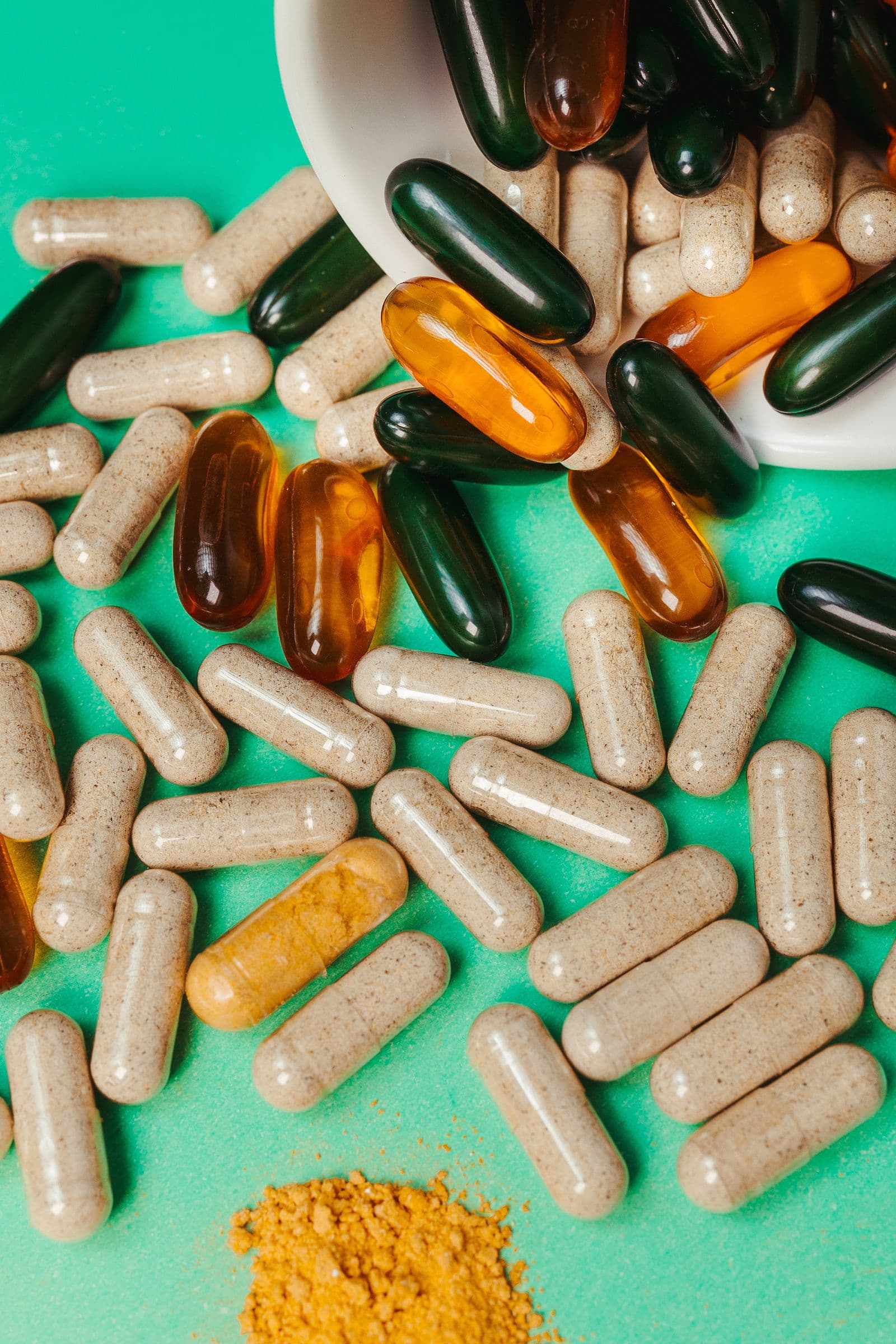
Iron tablets and other nutrients are available in the vitamins and supplements section; check the type of iron and the elemental iron per tablet against your prescription. Do not take iron for months without testing. Iron stores can build up too, and the adult upper limit from supplements is 45 mg a day unless a doctor prescribes more.
Which foods are rich in iron?
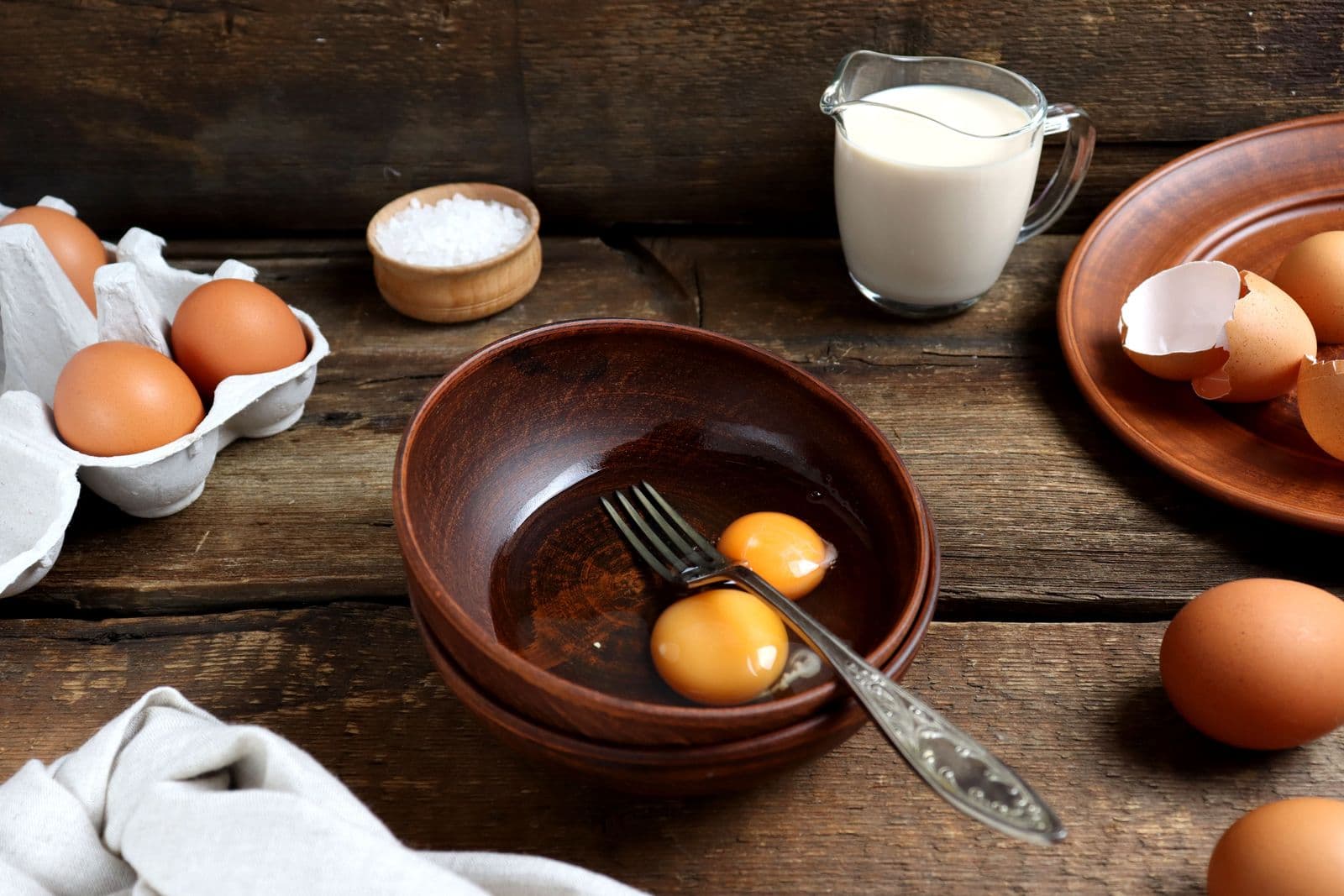
- Haem iron (absorbed best): liver, red meat, chicken, fish, small fish and shrimp
- Non-haem iron: lentils (dal), chickpeas, red amaranth (lal shak), spinach, gur (molasses) and dates
- Boosters: lemon, guava and amla eaten with the meal; cooking in an iron pot adds a little iron
- Blockers: tea and coffee with meals, and milk or calcium taken at the same time
Food alone is usually not enough to correct established anaemia, but it helps prevent it coming back.
What about children and pregnancy?
Iron needs rise sharply in pregnancy and during growth spurts. Doctors usually prescribe iron and folic acid to pregnant women, so follow your antenatal care plan and do not skip checks of haemoglobin. For babies, breast milk is the best start; from 6 months, add iron-rich foods such as mashed lentils, egg yolk, fish and liver. Do not give cow's milk as the main drink before 12 months. Give iron drops or syrup to a child only on a paediatrician's advice, and use the measuring device provided.
Iron with folic acid tablets and capsules are listed on iron and folic acid supplements on MedEasy. Start iron only after your doctor has confirmed the need, and keep it out of children's reach.
When should you see a doctor?
See a doctor if you have the symptoms above, if you are pregnant, or if a child looks pale and tired. Seek help promptly for:
- Chest pain, fainting, or breathlessness at rest
- Black, tar-like stools or blood in stool or vomit
- Very heavy periods soaking a pad every hour
- No improvement in haemoglobin after 4 weeks of iron
In an emergency call 999. For non-urgent advice you can use online doctor consultation.
References
- Anaemia - WHO
- Haemoglobin concentrations for the diagnosis of anaemia and assessment of severity - WHO
- Iron deficiency anaemia - NHS
- Iron - Consumer Fact Sheet - NIH Office of Dietary Supplements
This article is for general awareness only and is not a substitute for advice from a qualified doctor. Do not start or stop iron treatment without medical guidance.