
Quick answer: Osteoporosis makes bones porous and fragile, and it is silent until a fracture. You can protect your bones by getting enough calcium (1,000 to 1,200 mg a day for most adults), enough vitamin D, regular weight-bearing exercise, no smoking and little alcohol. A bone density (DXA) scan diagnoses it; calcium and vitamin D alone do not treat established osteoporosis.
What is osteoporosis and who is at risk?
Bone mass peaks around the age of 25 to 30 and then slowly declines. In osteoporosis, bones lose density and break easily, most often at the hip, spine or wrist. There are usually no symptoms until the first fracture. Risk factors include:
- Older age and menopause, especially early menopause (oestrogen loss)
- Family history of osteoporosis or hip fracture
- Small body frame or low body weight
- Low calcium or vitamin D intake
- Smoking and heavy alcohol use
- Long-term steroid tablets such as prednisolone
- Thyroid or parathyroid disease and some other medicines
How much calcium do you need each day?
| Age group | Recommended (mg/day) |
|---|---|
| Children 4 to 8 years | 1,000 |
| 9 to 18 years | 1,300 |
| Adults 19 to 50 years | 1,000 |
| Women 51 and over; men 71 and over | 1,200 |
The upper limit from all sources is 2,500 mg a day for ages 19 to 50 and 2,000 mg a day for 51 and over. These are NIH figures.
Which foods are good sources of calcium?
- Milk: a glass (240 ml) gives about 300 mg
- Yoghurt (doi): a cup gives about 300 mg
- Small fish eaten with the bones: mola, dhela and punti are rich sources
- Tofu made with calcium, sesame seeds, okra and some leafy greens give some calcium
- Spinach and pui shak contain calcium, but it is poorly absorbed because of oxalate, so do not count on them
Vitamin D helps your body absorb calcium. If you are not sure about your level, see our guide to vitamin D deficiency, sources and testing.
Do you need a calcium supplement?
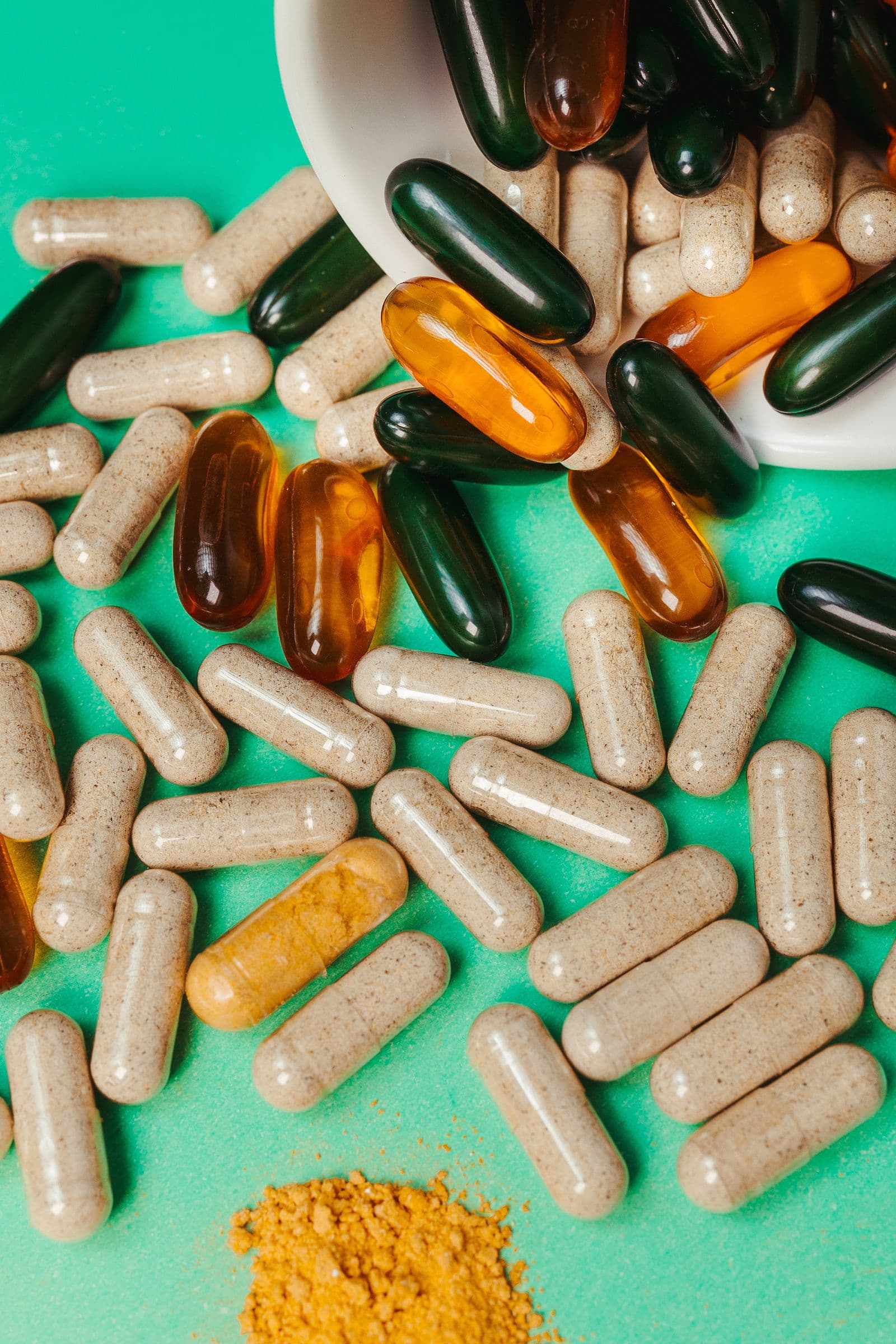
Only to fill the gap after you count what you eat and drink. A supplement does not replace food. Practical points:
- Take no more than about 500 mg at one time; split larger doses.
- Calcium carbonate should be taken with meals; calcium citrate can be taken any time.
- Side effects include constipation and bloating.
- Very high supplement intake may raise the risk of kidney stones.
- Keep calcium away from iron tablets, thyroid tablets and some antibiotics, by 2 to 4 hours.
Our guide to choosing supplements safely explains how to read labels and avoid doses above the limit. Calcium and vitamin D products are listed in the vitamins and supplements section; check the elemental calcium per tablet.
What exercise and lifestyle habits protect bones?
- Exercise: weight-bearing and resistance exercise such as brisk walking, climbing stairs or light weights, about 30 minutes on most days.
- Stop smoking and limit alcohol.
- Moderate salt and eat enough protein.
- Prevent falls: good lighting, no loose rugs, safe non-slip footwear in the bathroom, and regular eye checks.
How is osteoporosis diagnosed and treated?
The test is a bone density scan, called a DXA scan. A T-score of -2.5 or lower means osteoporosis. Screening is usually recommended for women aged 65 and over, younger postmenopausal women with risk factors, and men aged 70 and over or younger men with risk factors; ask your doctor. People at high risk may be prescribed medicines such as bisphosphonates. Calcium and vitamin D alone do not treat established osteoporosis.
What about children, teenagers and men?
Childhood and the teenage years are when most adult bone is built, and that is why the 9 to 18 age group needs the most calcium (1,300 mg a day). Milk, curd, small fish and an active outdoor life help. Osteoporosis is not only a women's condition: men also lose bone with age, especially with smoking, heavy alcohol, long-term steroids or low testosterone, and a hip fracture in an older man can be serious. Good habits in the first 30 years pay off decades later.
If food alone is not enough and your doctor recommends it, calcium tablets are listed on calcium carbonate tablets on MedEasy.
When should you see a doctor?
- A fracture after a minor fall or bump
- Loss of height or a stooped back
- Sudden severe back pain
- Long-term steroid tablet use
- Early menopause (before 45) or you have not had periods for months without pregnancy
- Kidney stones, or constipation and confusion while taking calcium or vitamin D
A suspected hip or spine fracture needs urgent care; call 999. For bone-health questions or to plan a bone density test, you can book an online doctor consultation.
References
- Calcium - Consumer Fact Sheet - NIH Office of Dietary Supplements
- Osteoporosis - NHS
- Osteoporosis - MedlinePlus
- Vitamin D - Consumer Fact Sheet - NIH Office of Dietary Supplements
This article is for general awareness only and is not a substitute for advice from a qualified doctor. Do not start calcium supplements or stop prescribed medicines without medical guidance.