
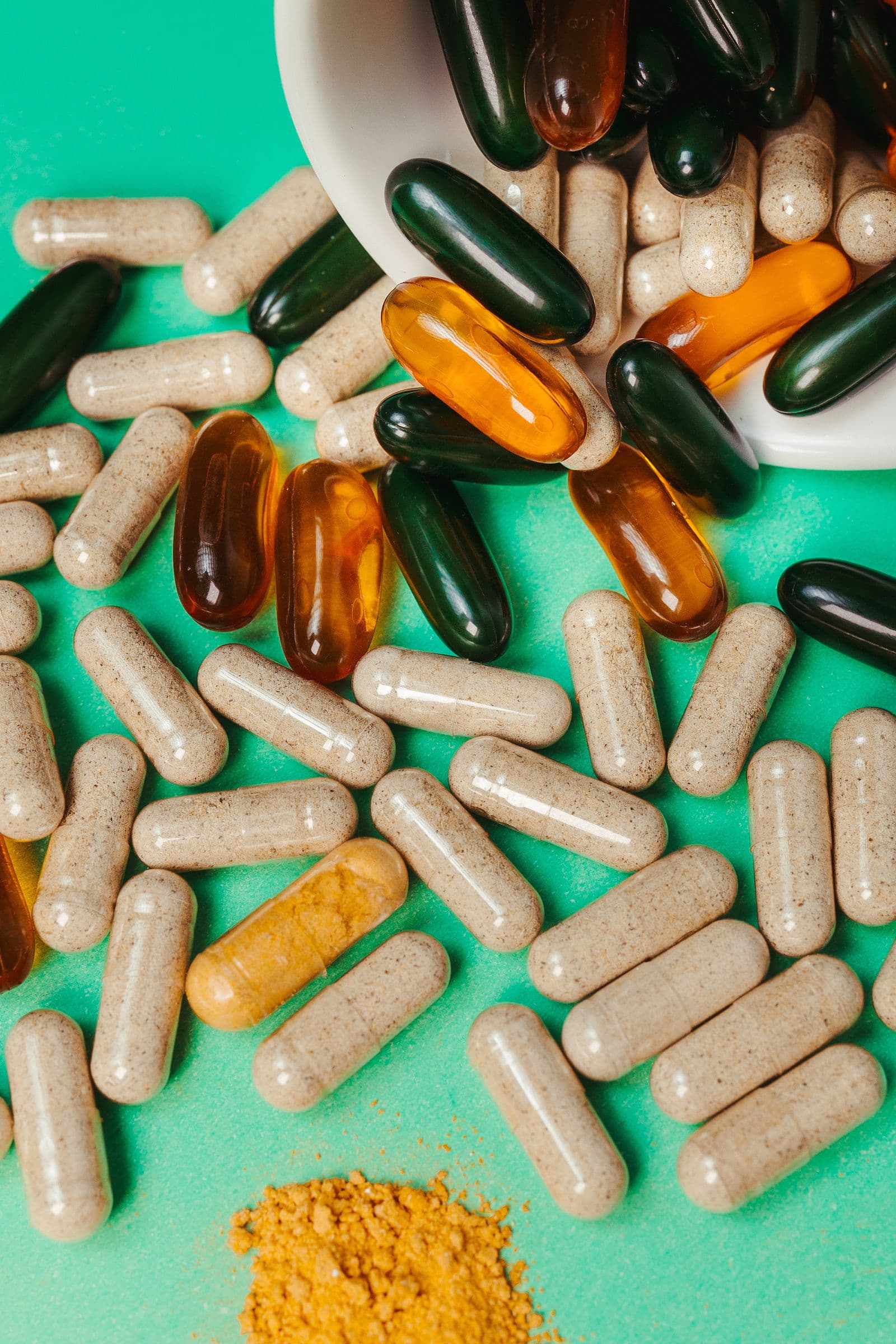
Quick answer: Most healthy adults who eat a varied diet do not need a multivitamin; it has not been shown to prevent heart disease, cancer or early death. Some people do need supplements, such as pregnant women, breastfed infants, older adults, vegans and people with a proven deficiency. Choose products with clear labels and doses below the upper limit, and tell your doctor.
Does a multivitamin improve health?
For healthy adults, the evidence is weak. The US Preventive Services Task Force concluded there is insufficient evidence that multivitamins prevent heart disease or cancer. Supplements cannot replace a varied diet of vegetables, fruit, pulses, fish, eggs, dairy and whole grains. Food gives fibre and many protective compounds that tablets do not. The rule is simple: food first, supplements to fill a gap.
Who may genuinely need supplements?
- Pregnant women and women planning pregnancy: folic acid, and iron and calcium as advised
- Breastfed infants: vitamin D (ask the paediatrician)
- Older adults: vitamin D and sometimes B12
- Vegans: vitamin B12
- People with malabsorption or after bariatric surgery
- People with very restricted diets or poor appetite
- Anyone with a deficiency proven on a blood test
- Some long-term medicine users, for example metformin or acid-reducing medicines, which can lower B12
For specific nutrients, see our guides on vitamin D deficiency and vitamin B12 deficiency. A test first is better than guessing.
Multivitamins contain little calcium; if bone health is your concern, read calcium and bone health: preventing osteoporosis.
How do you choose a supplement safely?
- Read the "supplement facts". Compare the amount per serving with the daily need (RDA) and the upper limit (UL).
- Avoid mega-doses and "proprietary blends" that hide the amount of each ingredient.
- Check the pack: clear manufacturer, batch number, expiry date, and a visible drug or food-supplement registration number.
- Buy from licensed pharmacies or reliable platforms to avoid counterfeits. You can browse the vitamins and supplements section and check the ingredient form and strength on each label.
- Be wary of claims such as "cure", "instant" or "miracle". Herbal and sexual-performance products in particular may be adulterated with undeclared drugs.
What are the upper limits for common supplements?
Upper limits (NIH) are the highest daily intake from all sources unlikely to cause harm in healthy adults. More is not better.
| Nutrient | Adult upper limit per day | Risk above the limit |
|---|---|---|
| Vitamin C | 2,000 mg | Diarrhoea, stomach upset |
| Vitamin D | 4,000 IU (100 mcg) | High blood calcium |
| Zinc | 40 mg | Nausea, low copper |
| Vitamin B6 | 100 mg | Nerve damage |
| Calcium | 2,500 mg (19 to 50 years); 2,000 mg (51+) | Constipation, kidney stones |
| Iron | 45 mg | Stomach upset; dangerous overdose |
| Folic acid (supplements and fortified food) | 1,000 mcg | Can mask B12 deficiency |
| Preformed vitamin A | 3,000 mcg RAE | Liver damage; birth defects |
Which interactions and cautions matter?
- Vitamin K can reduce the effect of warfarin.
- Calcium and iron can block absorption of levothyroxine and some antibiotics; take them 2 to 4 hours apart.
- St John's wort interacts with many medicines.
- High-dose vitamin E raises bleeding risk.
- Preformed vitamin A above the upper limit can cause birth defects, so avoid high-dose vitamin A in pregnancy.
- Beta-carotene supplements raise lung cancer risk in smokers.
- Fat-soluble vitamins (A, D, E, K) can build up in the body.
- Iron overdose is dangerous in children. Store all supplements out of children's reach, and see the guide on iron deficiency anaemia before taking iron.
Take most supplements with food. Tell your doctor and pharmacist about every supplement you use.
How should you take supplements day to day?
Start with one product at a time so you can tell what causes a side effect. Take it exactly as the label or your doctor says, and do not double up on several products that contain the same vitamin, since multivitamins, "energy" tablets and fortified drinks can all add to the total. Keep tablets in their original container with the expiry date, away from heat and damp. Tell your surgeon about all supplements before an operation. Never give adult supplements to children, and remember that gummies and flavoured chewables look like sweets, so store them out of sight.
When should you see a doctor?
Stop the supplement and seek medical care for rash, swelling of lips or face, vomiting, severe diarrhoea or palpitations. Call 999 for difficulty breathing or a child who has swallowed several tablets, especially iron. Also speak to a doctor before starting supplements if you are pregnant, breastfeeding, take regular medicines (especially warfarin, thyroid tablets or anti-seizure drugs) or have kidney or liver disease. You can use online doctor consultation to ask which supplements, if any, suit you.
References
- Dietary Supplements: What You Need to Know - NIH Office of Dietary Supplements
- Vitamin D - Consumer Fact Sheet - NIH Office of Dietary Supplements
- Iron - Consumer Fact Sheet - NIH Office of Dietary Supplements
- Vitamins and minerals - NHS
This article is for general awareness only and is not a substitute for advice from a qualified doctor. Do not stop prescribed medicines or start high-dose supplements without medical guidance.