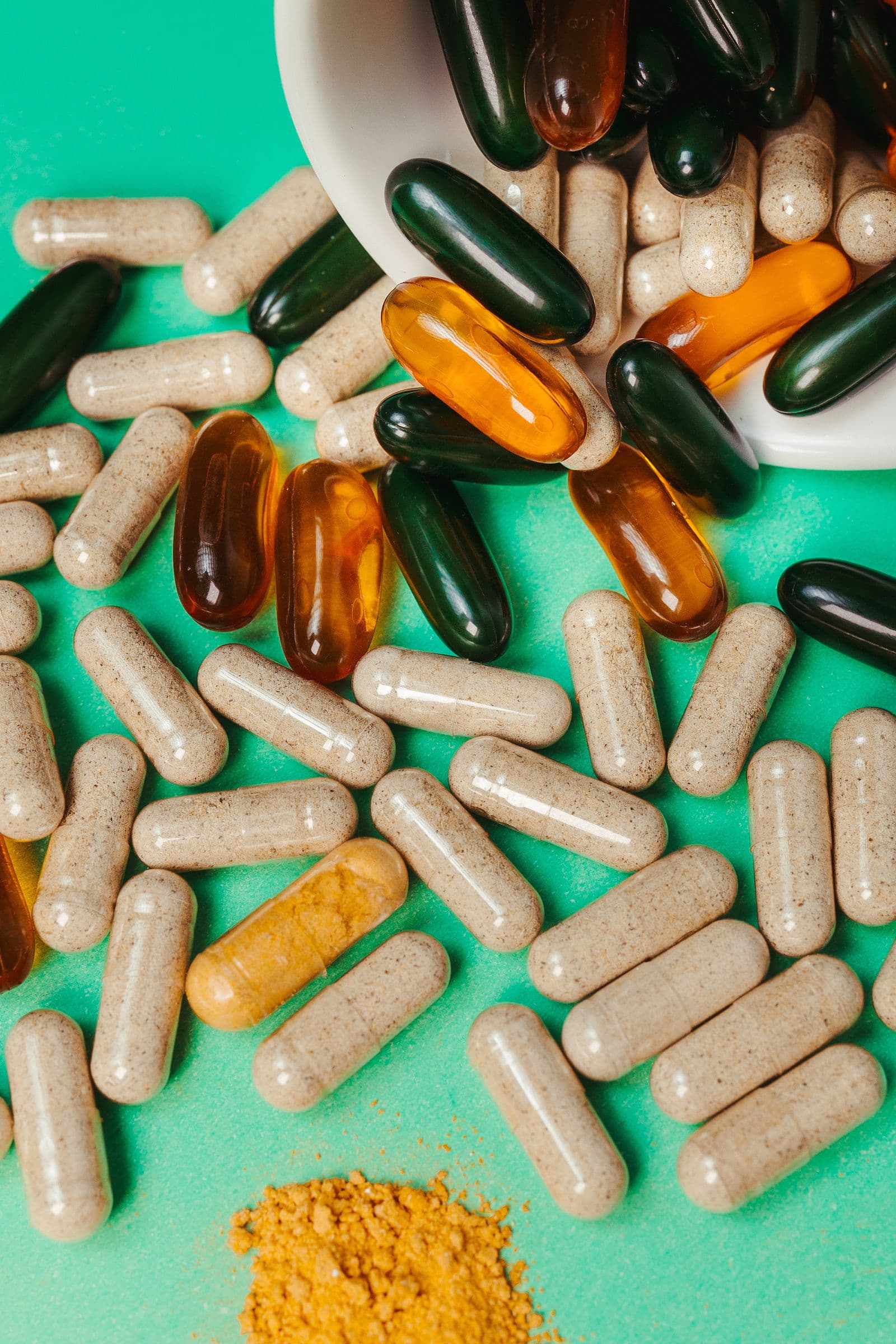

Quick answer: Vitamin B12 deficiency means too little B12 for your nerves, red blood cells and DNA. Symptoms include tiredness, pale or yellowish skin, tingling or numbness in hands and feet, balance problems, a sore red tongue and poor memory. It is found only in animal foods. A blood test below about 200 pg/mL confirms it, and treatment is doctor-guided.
What does vitamin B12 do, and what are the symptoms of deficiency?
Vitamin B12 helps keep nerves healthy, helps make red blood cells and is needed to make DNA. When levels fall, you may notice:
- Tiredness and weakness
- Pale or slightly yellowish skin
- Pins-and-needles or numbness in the hands and feet
- Balance problems or unsteady walking
- A sore, red, smooth tongue and mouth ulcers
- Memory or concentration trouble and low mood
B12 deficiency can cause macrocytic anaemia (large red blood cells). But nerve problems can occur even when blood counts are normal, and nerve damage can become permanent if deficiency goes untreated for a long time. So do not wait for anaemia to appear. This is different from iron deficiency anaemia, which gives small red cells.
Which foods contain vitamin B12?
B12 occurs naturally almost only in animal foods:
- Meat and liver
- Fish, such as rui and hilsa (ilish)
- Eggs
- Milk, curd (doi) and cheese
Plant foods do not reliably contain B12. Vegans need fortified foods or supplements. The NIH recommends 2.4 mcg a day for adults, 2.6 mcg in pregnancy and 2.8 mcg while breastfeeding.
Not sure whether a general supplement is worth taking? Read do you need a multivitamin, and how to choose supplements safely.
Who is at risk of B12 deficiency?
- Vegetarians and vegans, especially those who eat no eggs or dairy
- Older adults, who make less stomach acid and absorb B12 less well
- People on long-term metformin for diabetes (the American Diabetes Association advises checking B12 periodically). If you have diabetes, our diabetes diet guide for Bangladeshi meals covers food choices
- People on long-term acid-reducing medicine: omeprazole, pantoprazole, esomeprazole, or H2 blockers such as ranitidine-class medicines
- Pernicious anaemia (an autoimmune condition that blocks B12 absorption)
- Stomach or gut surgery, celiac disease or Crohn's disease
- Heavy alcohol use
- Breastfed infants whose mothers are deficient
How is B12 deficiency diagnosed?
The test is a serum vitamin B12 blood test:
| Serum B12 | Meaning |
|---|---|
| Below about 200 pg/mL (148 pmol/L) | Deficient |
| 200 to 300 pg/mL | Borderline; your doctor may add methylmalonic acid (MMA) or homocysteine tests |
| Above 300 pg/mL | Deficiency unlikely |
Lab ranges vary a little, so let your doctor interpret the result with your symptoms.
How is it treated?
Treatment is doctor-guided. Most people respond to high-dose oral B12, roughly 1,000 to 2,000 mcg daily. Injections are used for severe deficiency or when there are nerve symptoms. Levels are rechecked afterwards. Do not self-inject.
Important warning: folic acid alone can correct the anaemia while the nerve damage carries on silently. B12 must be checked before long-term folic acid is started. Ordinary multivitamins contain too little B12 to treat a deficiency. If you are shopping, look in the vitamins and supplements section for cyanocobalamin or methylcobalamin, and check the mcg per tablet against your prescription.
How can you prevent B12 deficiency?
- Include animal foods such as fish, eggs and dairy regularly, or fortified foods if you avoid them.
- If you take metformin or an acid-reducing medicine long term, ask your doctor about a B12 check every year.
- Do not stop your prescribed medicines on your own because of this article. Speak with your doctor.
Does B12 matter in pregnancy and for babies?
Yes. A pregnant or breastfeeding mother with low B12 can pass low stores to her baby, and infants who are short of B12 may feed poorly, be floppy or have delayed development. Mothers who are vegetarian or vegan, or who have had gut surgery, should discuss B12 with their doctor early in pregnancy. For most meat-eating adults, regular portions of fish, eggs, and milk or curd over the day usually cover daily needs. The problem is more often poor absorption than poor intake, which is why risk factors matter.
When should you see a doctor?
- Numbness or tingling in hands or feet that lasts more than a few days
- Balance problems, frequent stumbling or falls
- Confusion, memory loss or marked change in mood
- A sore, smooth red tongue or repeated mouth ulcers
- Tiredness with pale or yellowish skin and breathlessness
- A breastfed baby who is floppy, feeding poorly or not developing as expected
Weakness of the legs, loss of bladder control or sudden confusion needs urgent care; call 999 if severe. For other symptoms, an online doctor consultation can help you decide on tests.
References
- Vitamin B12 - Consumer Fact Sheet - NIH Office of Dietary Supplements
- Vitamin B12 or folate deficiency anaemia - NHS
- Vitamins and minerals - NHS
This article is for general awareness only and is not a substitute for advice from a qualified doctor. Do not start injections or stop any prescribed medicine without medical guidance.