Quick answer: A cut needs a doctor when redness spreads more than about 2 cm from the edge or forms red streaks, when pain, swelling or warmth keep increasing after 48 hours, or when there is pus, a bad smell, fever or the wound breaks open. Every animal bite, deep puncture, wound not healed in two weeks, and any wound with uncertain tetanus cover also needs early review.
How do I know if my wound is infected?
Every healing wound is a little red, swollen and tender for two or three days; infection means these signs get worse instead of better. The NHS advises urgent GP review if “a cut is swollen, red and getting more painful or pus is coming out of it”, or if you have a high temperature.
| Sign | Normal healing | Possible infection |
|---|---|---|
| Redness | Thin pink rim, fading by day 3 to 5 | Spreading more than about 2 cm from the edge, or red streaks up the limb |
| Pain | Eases a little each day | Increasing or throbbing after 48 hours |
| Swelling and warmth | Mild, settling | Increasing, skin hot to touch |
| Discharge | A little clear or straw-coloured fluid | Thick yellow or green pus, foul smell |
| General health | Feeling well | Fever, chills, feeling unwell |
| Wound edges | Closing, dry scab forming | Breaking open, black edges |
Red streaks or fever mean infection may be spreading: get seen the same day.
Who is at higher risk?
Have even a small wound checked early if you have diabetes, especially on the feet (see our diabetic foot care daily checklist), are elderly, take chemotherapy, long-term steroids or immunosuppressants, live with HIV, have poor circulation, smoke or are malnourished.
How does a doctor treat an infected wound?
Treatment is mostly mechanical, not a capsule: washing with saline, removing dead tissue and trapped dirt (debridement), opening a wound that has sealed over pus, and sometimes a swab for culture. Oral antibiotics are added for spreading redness, pus, fever, a bite or a high-risk patient; an abscess must be drained. Two days of a random capsule from the pharmacy does not clear infection, hides early signs and breeds resistant bacteria (see our article on antibiotics and why resistance matters). Antibiotic creams are not routine for clean minor wounds, and the CDC states that antibiotics, topical or systemic, are not recommended to prevent tetanus.
What about antibiotic dressings?
Framycetin tulle such as Sufretulle is a dressing a doctor may prescribe for an infected or burn wound, not a self-treatment. The pack says it is gauze impregnated with framycetin 1% in a soft-paraffin base, applied as a single layer, covered and changed once daily or as the physician directs; not for anyone allergic to framycetin, neomycin or other aminoglycosides, with caution on large or extensive wounds, especially with kidney impairment, because the antibiotic can be absorbed.
What the evidence says
- Good evidence: washing bites for 15 minutes plus rabies vaccination prevents rabies (WHO); tetanus vaccination prevents tetanus (NHS, CDC); cleaning and debridement treat infected wounds.
- Limited evidence: preventive antibiotics, creams or antibiotic dressings help only in selected wounds.
- Traditional use only, with known harm: turmeric, lime, chilli, ash or kerosene on a wound; none prevents rabies or tetanus.
Do I need a tetanus injection after a cut?
The NHS describes tetanus as “a serious, life-threatening condition caused by bacteria getting into a wound”, usually from soil or manure, with symptoms 4 to 21 days later. The CDC rules, which Bangladeshi hospitals apply with TT or Td vaccine:
- Clean, minor wound, complete course: booster if the last dose was 10 or more years ago.
- Dirty or major wound (puncture, soil, bite, burn, crush): booster if the last dose was 5 or more years ago.
- Unknown, incomplete or no vaccination: vaccinate for every wound, plus tetanus immunoglobulin for dirty wounds.
Have it as soon as possible, ideally within 48 hours. In Bangladesh the EPI programme covers infants and women of childbearing age (TT), but most adults have no later booster or record; if you cannot remember, the doctor will treat you as unprotected.
What should I do after a dog, cat or monkey bite?
Bangladesh is rabies-endemic. The WHO states that once symptoms appear rabies is “virtually 100% fatal”, but prompt treatment prevents it. Dogs cause up to 99% of human cases; cats, monkeys, jackals and bats also transmit it. Immediately:
- Wash the bite or scratch under running water with soap for at least 15 minutes (WHO); this is the most protective step.
- Apply an antiseptic such as 10% povidone-iodine; the generic page says it is for first-aid antisepsis of minor cuts and must never be swallowed.
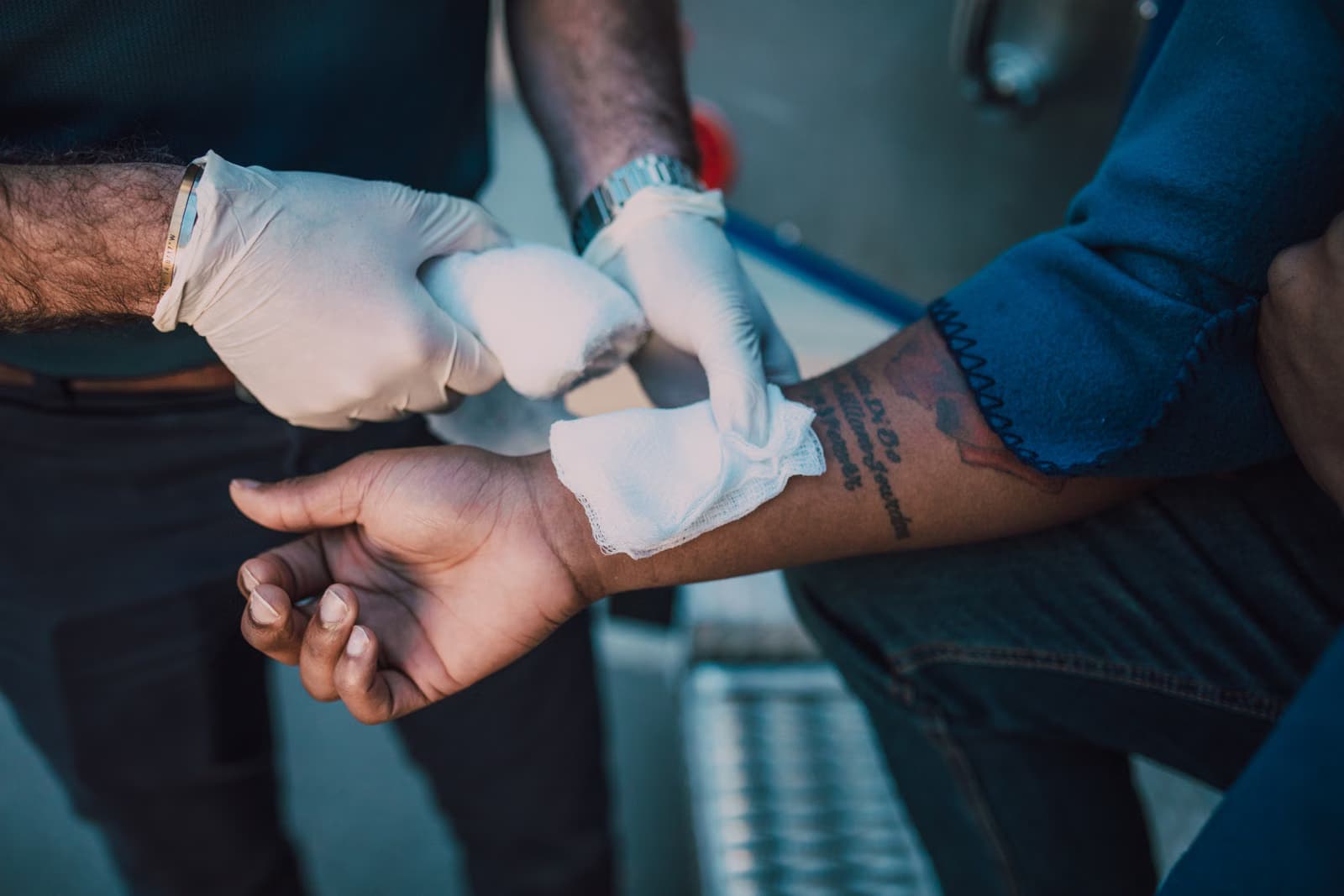
- Do not stitch, glue or tape a bite shut at home, and do not apply chilli, lime, turmeric or oil. Cover loosely with a clean dressing.
- Go the same day for rabies post-exposure prophylaxis (PEP). The doctor will also check tetanus and may prescribe antibiotics.
WHO categories: I (touching, licks on intact skin) needs washing only; II (nibbles on bare skin, scratches without bleeding) needs washing and vaccination; III (bites or scratches that break the skin, saliva on broken skin or mucous membranes, any bat contact) needs washing, vaccination and rabies immunoglobulin into the wound. Both are free at government centres such as the Infectious Diseases Hospital, Mohakhali, Dhaka. A pet or vaccinated dog does not remove the need for assessment. Human bites also infect easily; the NHS lists “a person bit you” as a reason to seek medical advice.
How do I change a dressing at home while a wound heals?
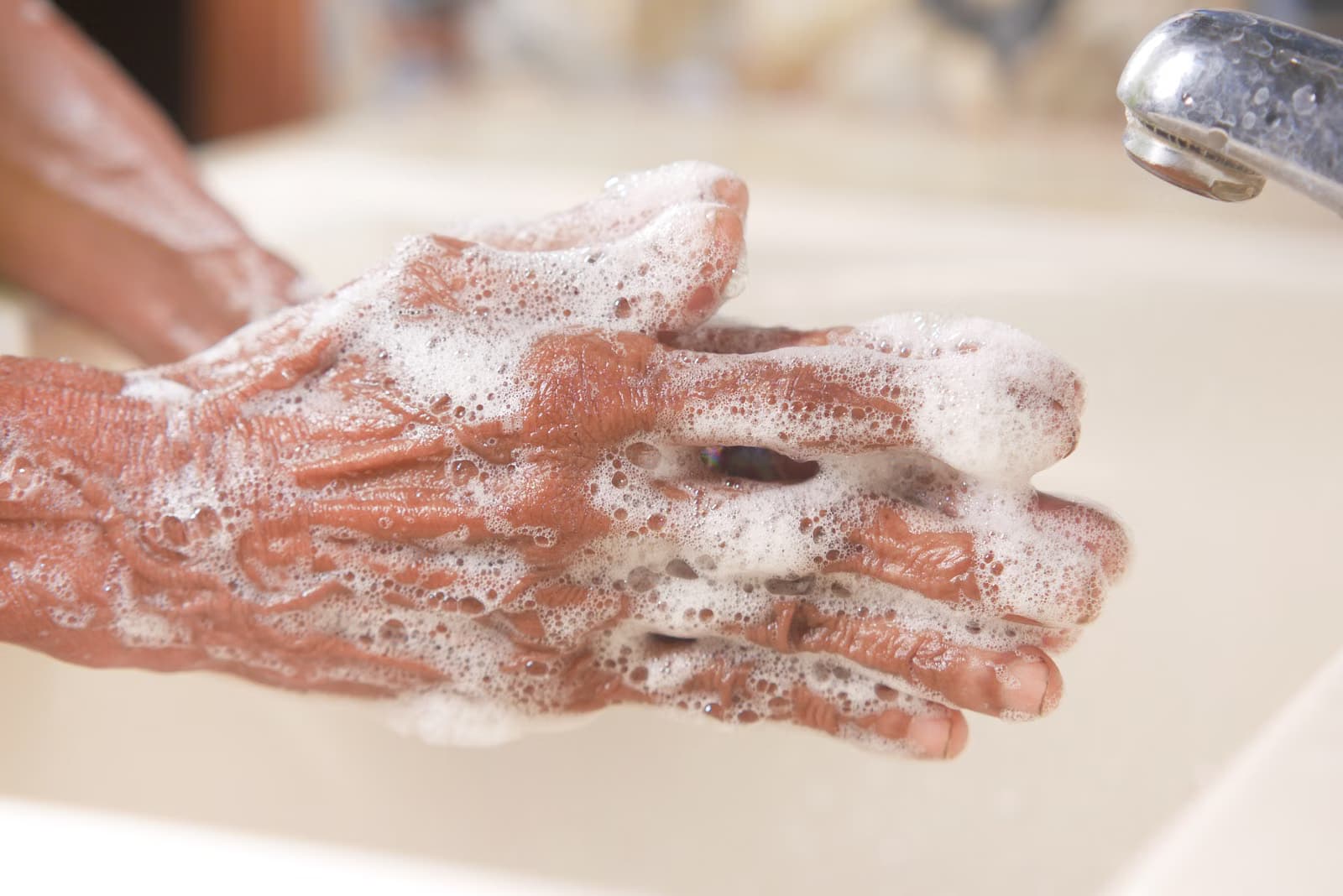
- Wash your hands with soap.
- Peel the old dressing off slowly; if it sticks, wet it with boiled-and-cooled or bottled water.
- Check the wound against the table, rinse with clean water and pat dry; never use cotton wool.
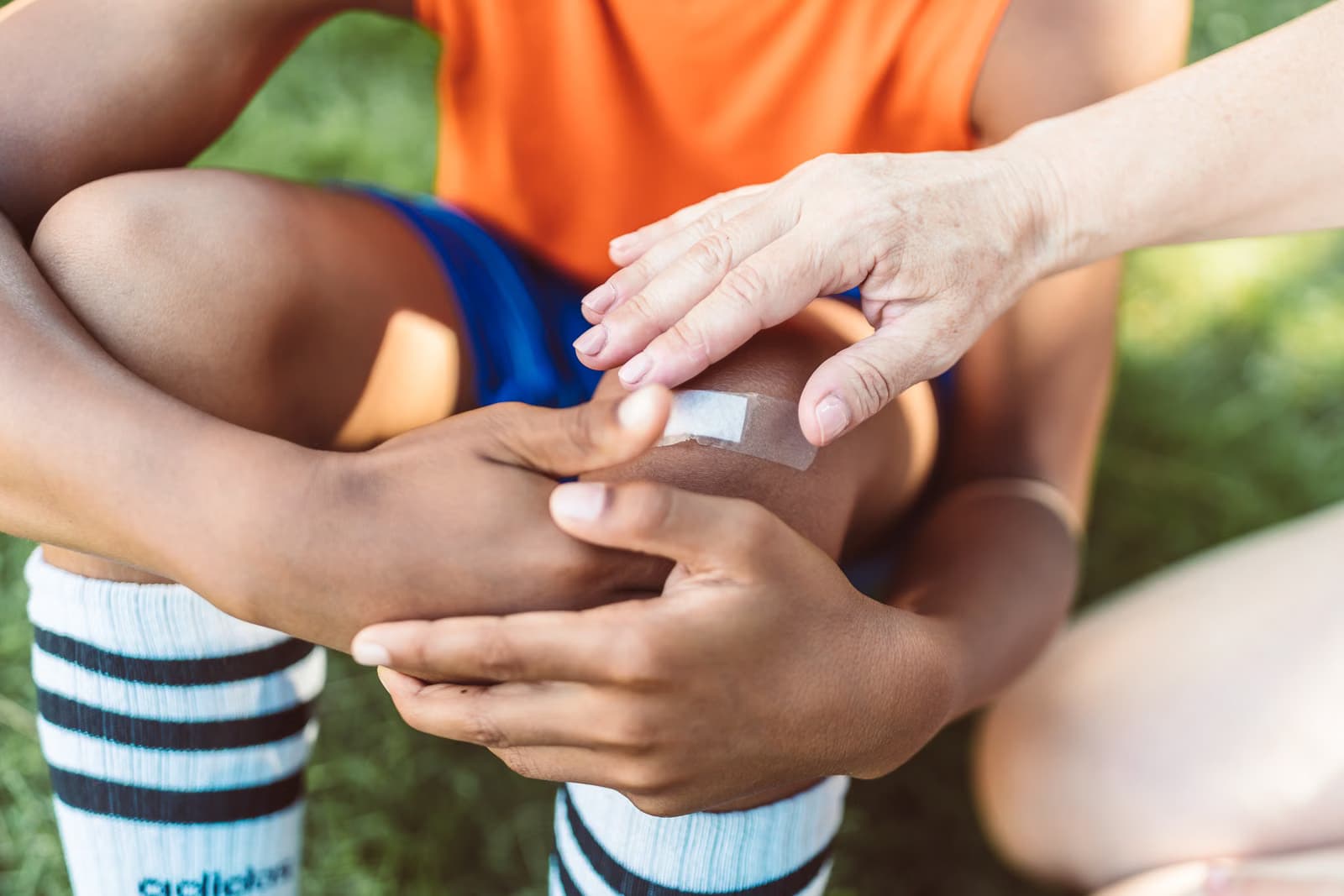
- For a small cut, use a sterile adhesive strip such as Getwell One Time Bandage; the pack says “Do not use on infected wounds or reuse a strip” and “See a doctor for deep wounds, heavy bleeding, animal bites or burns”.
- For a larger wound, place a sterile non-stick pad and fix it with paper tape such as Medi Tape, which the pack says to press onto clean, dry skin, keep off broken skin and remove gently.
- Change daily or whenever wet or dirty; once a dry scab has formed and nothing rubs it, leave it uncovered.
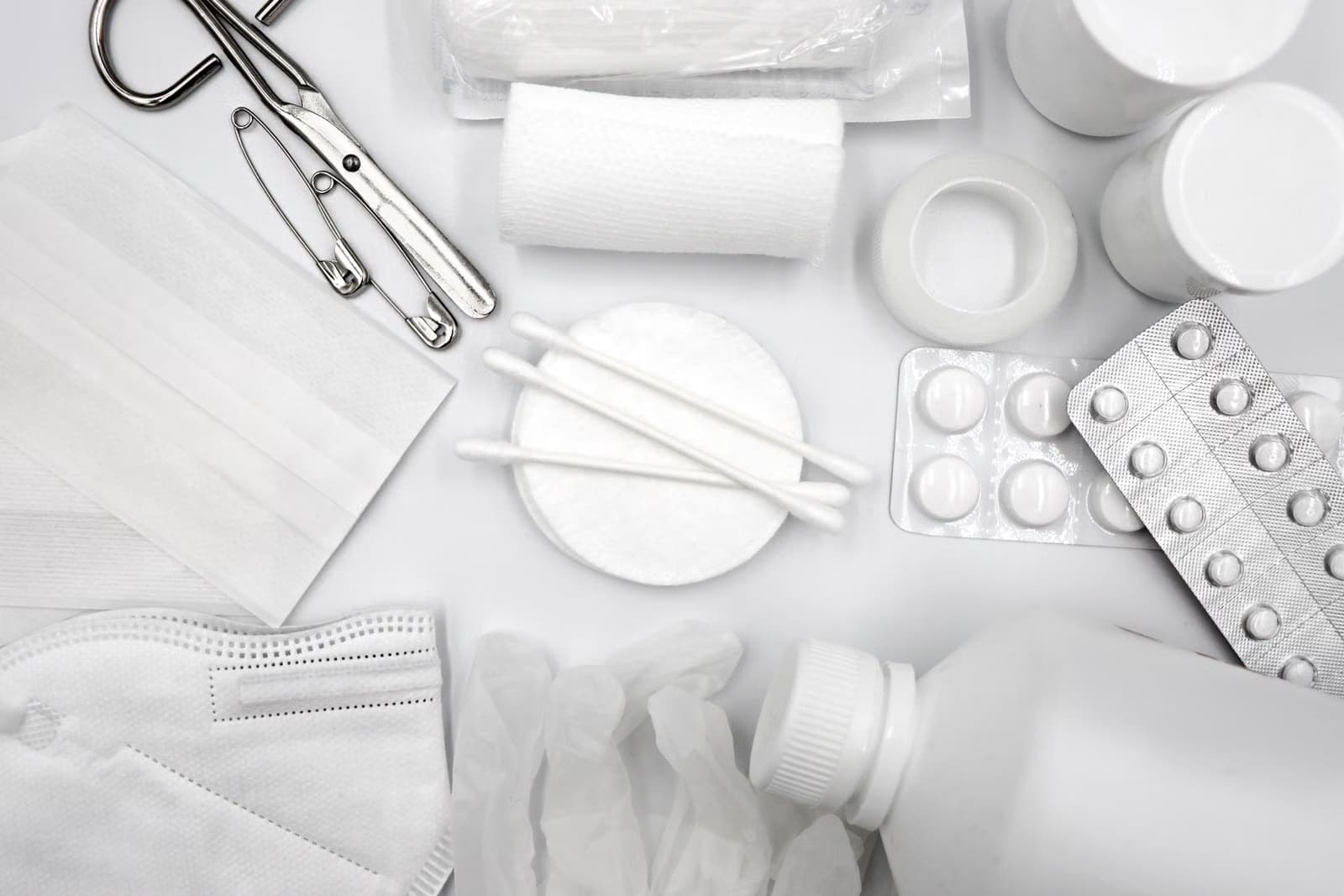
Dressings, tape and antiseptics are under bandages and dressings in MedEasy's first aid and wound care range.
When to see a doctor or go to hospital
Call 999 or go to an emergency department if bleeding does not stop after 10 minutes of firm pressure, the wound is deep or gaping, something is embedded, there are red streaks with fever, or there is a stiff jaw, spasms or trouble breathing. See a doctor the same day for any bite, a wound on the face, hand, foot or joint, dirt left after washing, uncertain tetanus status, or any infection sign in the table, especially with diabetes or a weak immune system.
Small-looking wounds that still need a doctor
- Puncture wounds from nails, thorns or fish bones; MedlinePlus warns they “may extend into the deeper tissue layers”. Rinse under running water for about five minutes, wash with soap, do not seal the hole or dig for debris, and get tetanus reviewed.
- Gaping wounds: stitches are usually placed within 6 to 8 hours on the body and, at a doctor's judgement, up to about 24 hours on the face; the NHS notes that when infection is likely “the wound may not be closed straight away”.
- A reopened wound or stitches that came out early.
- A wound not healed after two weeks, or a sore that keeps returning: this may point to diabetes, poor circulation, tuberculosis or, rarely, skin cancer.
An online doctor on MedEasy can look at a clear photo, tell you whether the redness looks like infection, advise on dressings, judge how urgently you need tetanus or rabies vaccination, and prescribe when appropriate. An online doctor cannot debride, stitch, drain pus or give injections; those need a clinic or hospital.
Common beliefs and questions in Bangladesh
“My pet dog is vaccinated, so no rabies vaccine is needed.” It lowers the risk but does not remove it; wash for 15 minutes and let a doctor decide.
“Chilli, lime or turmeric on the bite stops rabies.” Nothing on the skin kills the virus; only washing, vaccine and, for category III, immunoglobulin do.
“Tetanus injection is only for rusty nails.” The bacteria live in soil and dust, not rust; thorns, grazes, burns and bites all count.
“Pus means the wound is cleaning itself.” Pus is dead white cells and bacteria; it means infection and needs a doctor.
“Two days of an antibiotic capsule from the pharmacy is enough.” It masks symptoms, risks allergy and breeds resistance.
“Wounds heal faster if left open to dry.” Covered, slightly moist wounds heal faster and scar less; uncover once a dry scab has formed.
References
- Cuts and grazes - NHS
- Tetanus - NHS
- Clinical Guidance for Tetanus Wound Management - CDC
- Rabies fact sheet - World Health Organization
- Animal and human bites - NHS
- Cuts and puncture wounds - MedlinePlus
This article is for general awareness and is not a substitute for a doctor's examination. Dressings and antiseptics mentioned here do not replace medical assessment of a wound; bites, deep wounds and signs of infection always need to be seen in person.