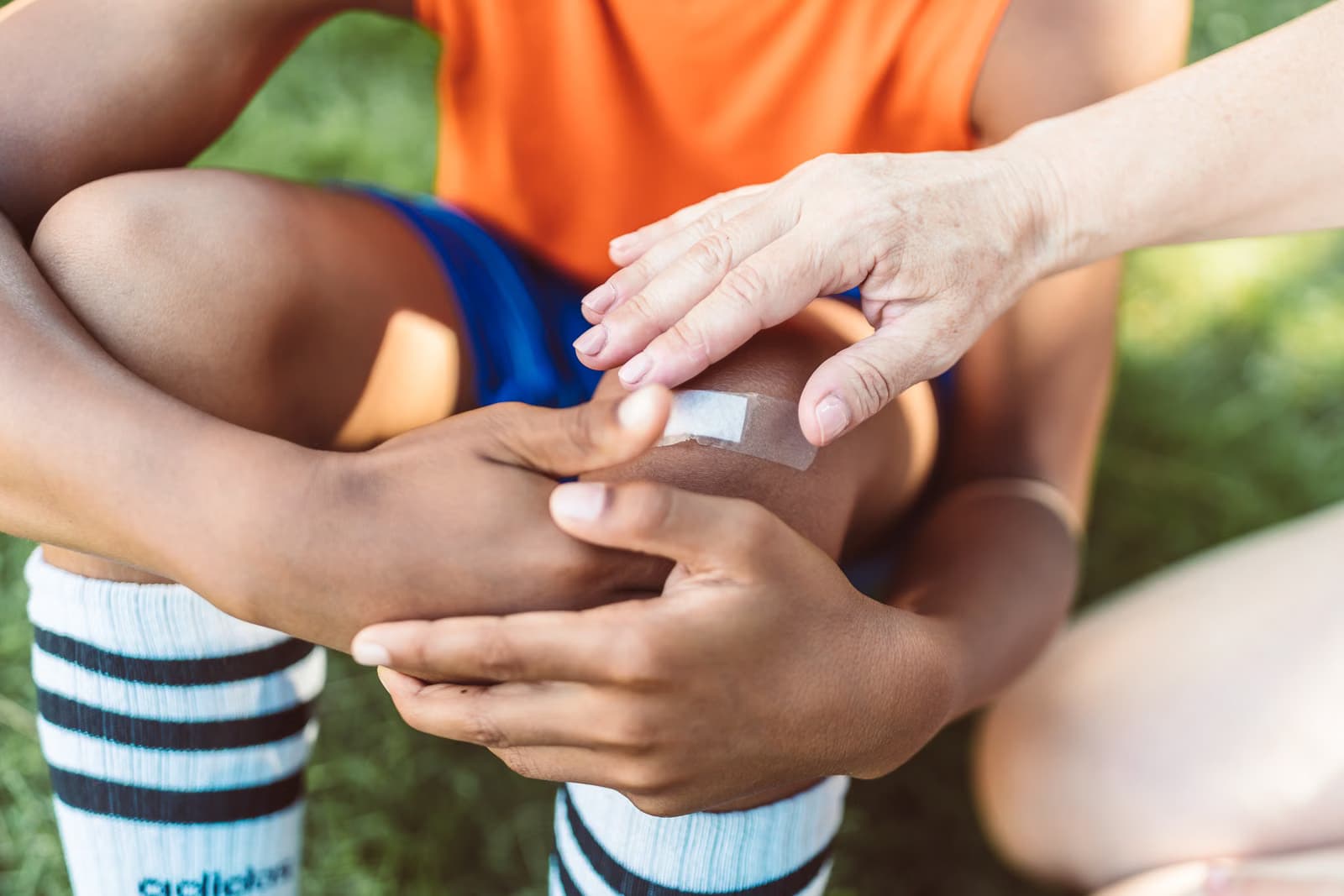
Quick answer: Wash your hands, press a clean cloth firmly on the cut for up to 10 minutes, rinse under clean running water, pat dry with gauze (not cotton wool) and cover with a sterile non-stick plaster, changed daily or when wet. Never put undiluted Dettol, spirit, turmeric or toothpaste on a wound. See a doctor for deep or gaping cuts, bites, or signs of infection.
What should I do first when I get a cut or graze?
Most small cuts and grazes (abrasions) heal at home if cleaned and covered properly. These steps follow NHS, St John Ambulance and Mayo Clinic guidance.
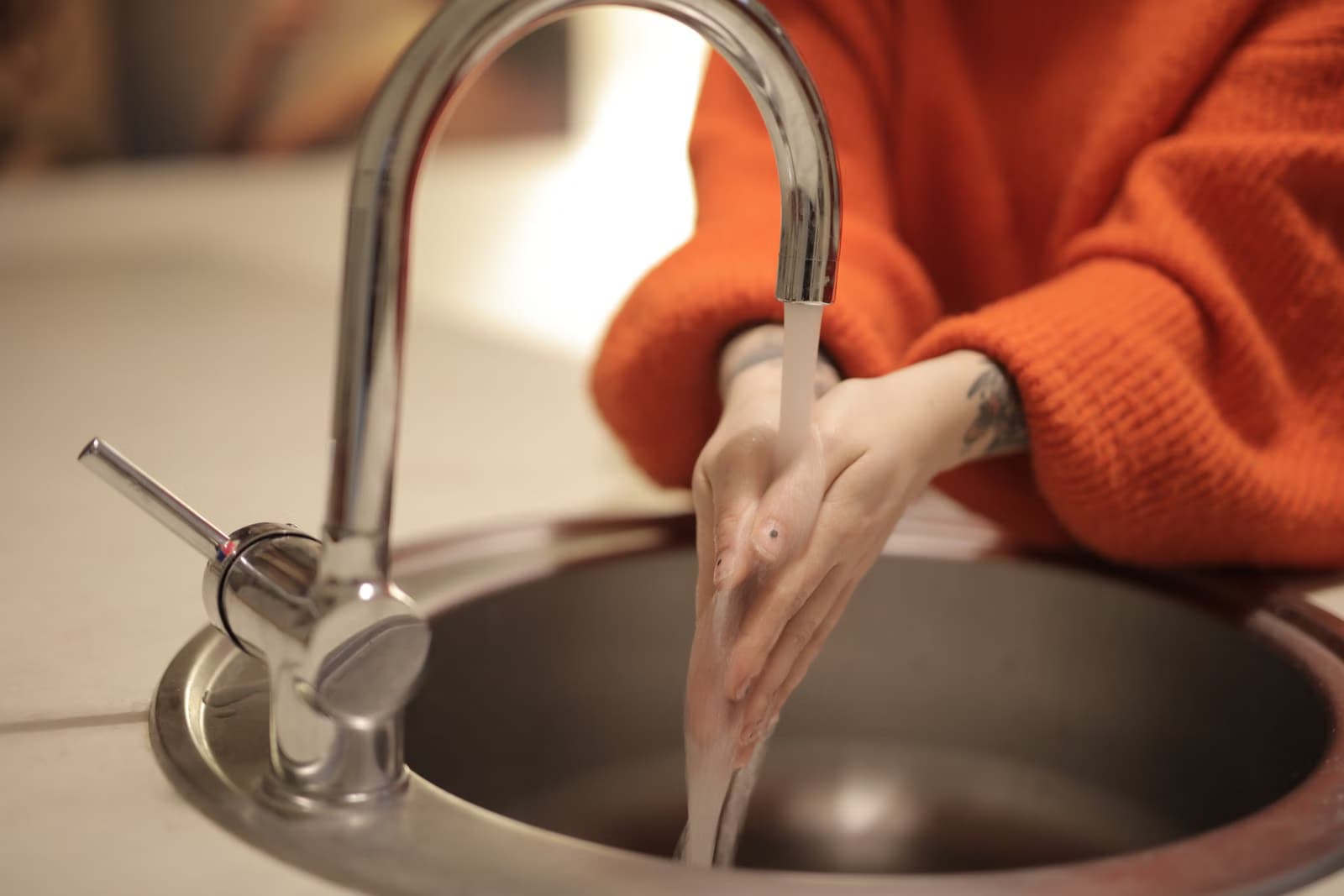
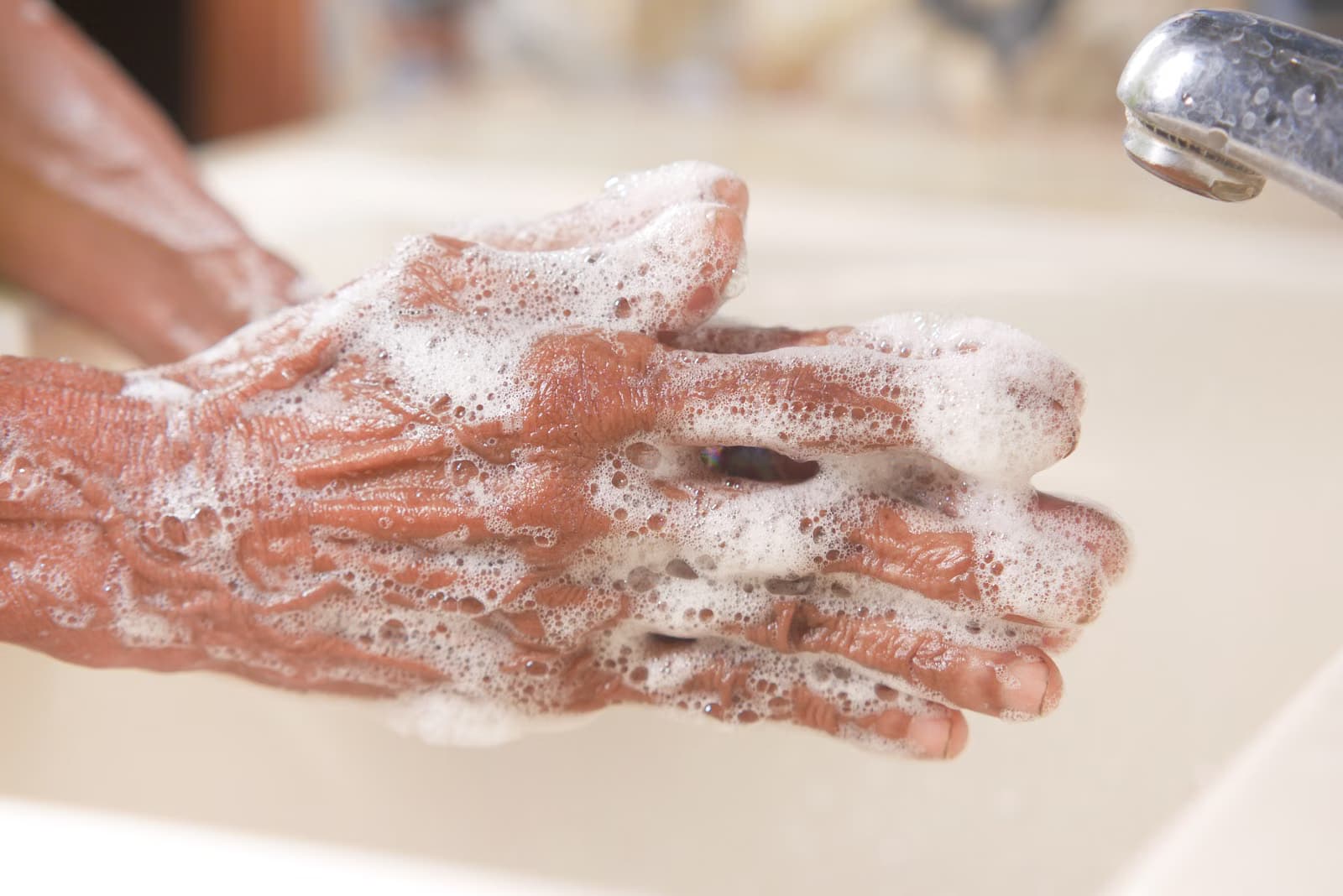
- Wash your hands with soap and water before touching the wound.
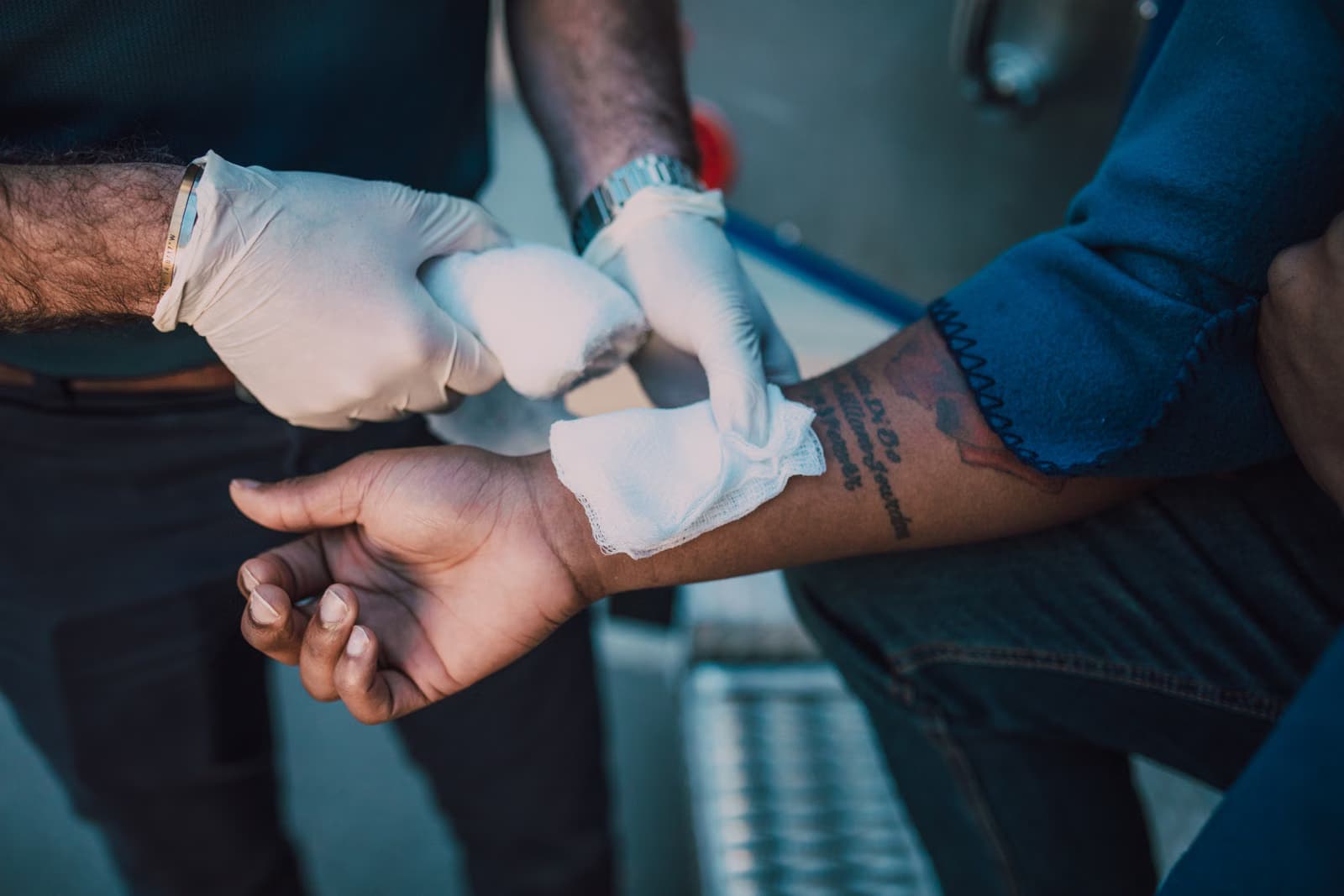
- Stop the bleeding. Press firmly with a clean cloth or sterile gauze for up to 10 minutes without lifting it to look, and raise the limb. Do not pull out an embedded object; press on either side.
- Rinse under clean running water for a few minutes (bottled or boiled-and-cooled water if tap water is unsafe). Wash the surrounding skin with soap, keeping soap out of the wound.
- Remove visible grit with tweezers wiped with an alcohol pad; if you cannot, see a doctor, as embedded grit causes infection and dark marks.
- Pat dry with gauze or a lint-free cloth, never cotton wool, whose fibres stick to the wound.
- Antiseptic is optional for a clean minor wound; if used, follow the label exactly.
- Cover with a sterile non-stick dressing larger than the wound: a plaster, or gauze with paper tape for a bigger graze.
- Change it daily and whenever wet, dirty or loose, washing your hands first.
- Watch for infection and leave the scab alone.
Which antiseptic is safe, and what should I never put on a wound?
What the evidence says
- Good evidence: clean running water, hand washing and a clean covering. The NHS and St John Ambulance recommend rinsing with tap or bottled water; neither says a minor cut needs an antiseptic.
- Limited evidence: antiseptics on a clean minor wound. Mayo Clinic advises against hydrogen peroxide and iodine inside the wound because they irritate it. Diluted chloroxylenol (Dettol) or povidone-iodine on the surrounding skin, as the label directs, is reasonable; undiluted antiseptic or spirit in the wound damages healthy tissue.
- Traditional use only: turmeric, toothpaste, ash, lime (chun), tobacco, cow dung or kerosene. No evidence, and all can carry bacteria or tetanus spores.
Never inside an open wound: undiluted Dettol, Savlon or spirit; alcohol pads or hand sanitiser; cotton wool or tissue; turmeric, toothpaste, ash, lime, tobacco, oil or kerosene; leftover antibiotic cream or crushed capsules.
How do I use plasters, tape and alcohol pads safely?
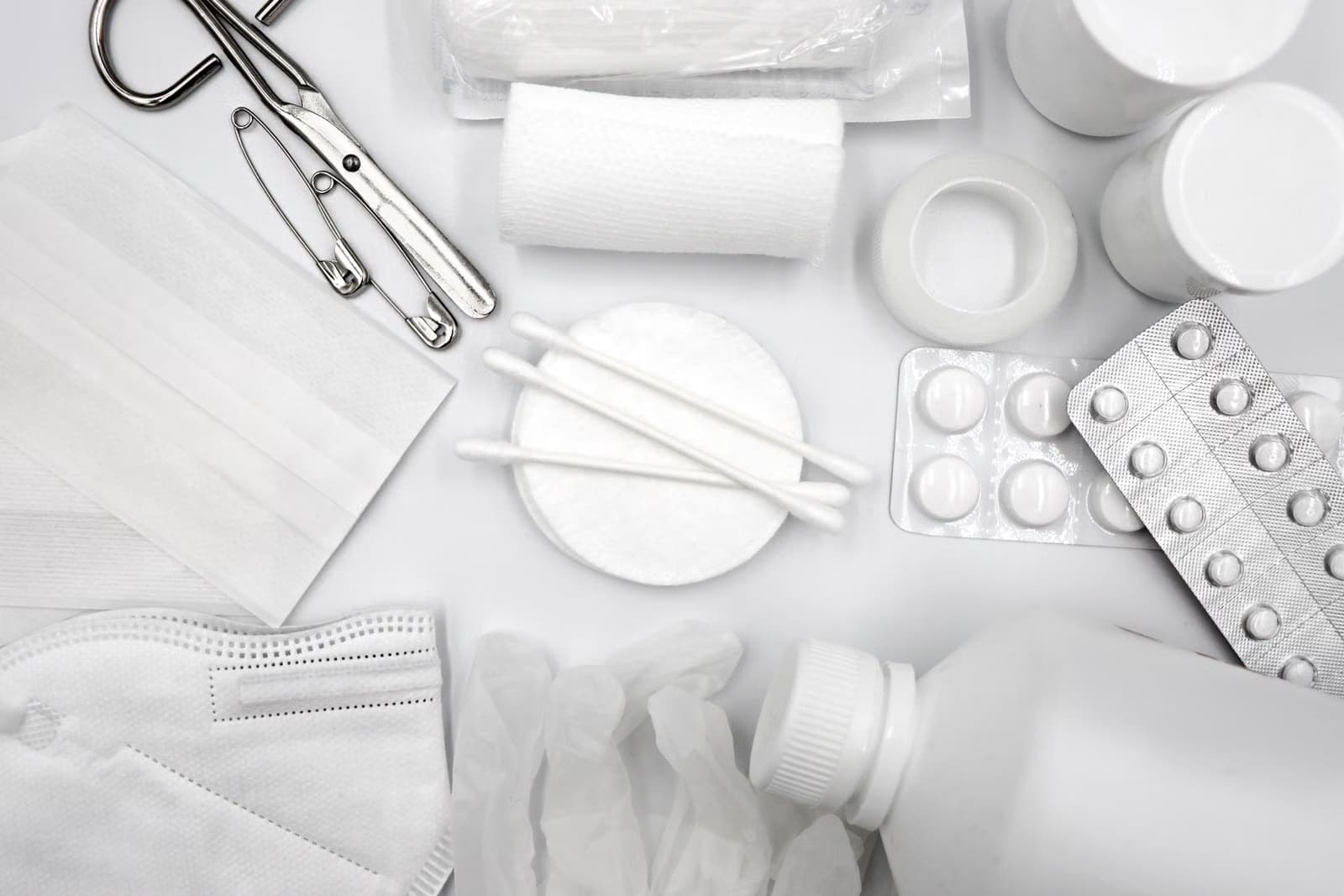
Kit items are in the First Aid & Wound Care section, with dressings under bandages and dressings.
Adhesive strip plasters
Single-use strips such as BandFix JMI One Time Bandage or Getwell One Time Bandage have a non-stick absorbent pad. The BandFix pack says: clean and dry the wound first, press the edges down, replace if wet, dirty or loose; not for deep or puncture wounds, bites or serious burns; do not use if the wrapper is open. The Getwell pack says: minor wounds only, not for infected wounds; deep wounds, heavy bleeding, animal bites or burns need a doctor. The pad should cover the whole wound.
Gauze, paper tape, alcohol pads and cotton wool
For a larger graze, cover with a sterile gauze pad fixed with microporous paper tape such as Medi Tape 25 mm; the pack calls it hypoallergenic and latex-free: press onto clean, dry skin, avoid broken skin, remove gently. A 70% isopropyl alcohol pad is for tweezers, a thermometer or intact skin around the wound; the pack says wipe, air-dry, and do not use on open wounds or irritated skin. Absorbent cotton wool is for cleaning around a wound or padding over a dressing, never directly on an open wound.
How does a wound heal, and will it leave a scar?
A wound left open dries into a scab, while one kept slightly moist under a dressing heals from the edges without a thick scab. Mayo Clinic notes that a thin layer of plain petroleum jelly under the dressing keeps the surface moist and helps prevent scarring; antibiotic creams are not needed for a clean minor cut and can cause a rash. Do not pick the scab. Small cuts close in about a week, grazes in one to two weeks. Protect new skin from the sun; creams and vitamin E have not been shown to improve scars.
Does my cut need stitches or a tetanus injection?
Stitches, strips or glue
See a doctor the same day if the cut gapes open when released, is about 1 cm or longer with fat or muscle visible, is on the face, a joint, the palm or fingers, is longer than about 5 cm, or holds dirt you cannot wash out. Sooner is better: the American Academy of Pediatrics says most clean cuts can be closed up to 24 hours after injury, but a dirty, old or bitten wound may deliberately be left open, so do not wait at home.
Tetanus
Tetanus bacteria live in soil, dust and manure and enter through deep, dirty or puncture wounds such as stepping on a nail. Many adults do not know their last dose. The NHS counts five doses as full vaccination; MedlinePlus notes a booster is generally recommended every 10 years, and Mayo Clinic advises one for a deep or dirty wound if the last dose was over five years ago. If unsure, or the wound is dirty, deep or a bite, ask a doctor the same day; high-risk wounds may also need tetanus immunoglobulin.
How do I know if the wound is infected?
Mild pinkness and soreness in the first two days is normal; infection appears from day two or three and gets worse rather than better.
| Sign | Normal healing | Possible infection - see a doctor |
|---|---|---|
| Redness | Narrow pink rim that fades | Spreading redness, or a red streak from the wound |
| Pain | Eases each day | Worse after 48 hours, throbbing |
| Swelling and heat | Mild, around the wound | Increasing swelling, skin hot to touch |
| Discharge | A little clear or pale fluid | Thick yellow or green pus, foul smell |
| Whole body | Feel well | Fever, chills, swollen glands in armpit or groin |
| Healing | Edges knit within a week | Wound reopens, enlarges, or edges turn black |
Pharmacy antibiotic capsules are no substitute for a doctor seeing the wound, and taking them just in case fuels resistance; see our guide to when antibiotics are needed.
When to see a doctor or go to hospital
Call 999 or go to the nearest emergency department now
- Bleeding that does not stop after 10 minutes of firm pressure, or spurting blood.
- A large or deep wound, an embedded object, or a bad cut on the face or palm.
- Numbness or loss of movement below the wound.
See a doctor the same day
- Any cut that might need stitches, or one longer than about 5 cm.
- Animal or human bites and cat scratches: wash with soap and running water for 15 minutes, then go, as rabies and tetanus protection may be needed.
- Grit you cannot remove, a nail through the foot, rusty metal, or unknown tetanus status.
- Any wound in a person with diabetes, poor circulation or a weak immune system. A foot cut in diabetes needs our diabetic foot care checklist and a doctor within a day or two.
- Within a day or two: any infection sign from the table, or a wound not closing after a week.
If unsure whether a cut needs stitches or redness is normal, a MedEasy online doctor consultation lets you show the wound on video and get dressing and tetanus advice.
Common beliefs and questions in Bangladesh
A wound must be kept dry and open to the air to heal
No. An uncovered wound dries into a thick scab, collects dust and flies, and heals more slowly with a bigger scar. A clean dressing changed daily keeps it moist and protected.
Undiluted Dettol or spirit kills germs better
Concentrated antiseptic and spirit kill the new skin cells closing the wound, which is why it stings. Dilute Dettol as the bottle says and use it around the wound; water does the real cleaning.
Turmeric, toothpaste or lime stops bleeding
Firm pressure stops bleeding; the paste only hides it. Turmeric and lime are not sterile, lime is caustic, and all three must be scrubbed out later.
Pus means the wound is healing
Pus is dead white cells and bacteria; it means infection and needs a doctor's look. Thin clear fluid in the first days is normal; thick yellow-green discharge or a bad smell is not.
Antibiotic capsules from the pharmacy will prevent infection
For a clean minor cut, antibiotics do not lower the infection risk and only add side effects and resistance. A doctor reserves them for bites and contaminated or infected wounds.
References
- Cuts and grazes - NHS
- Cuts and grazes - St John Ambulance
- Cuts and scrapes: First aid - Mayo Clinic
- Cuts and puncture wounds - MedlinePlus
- Tetanus - NHS
- Treating Cuts - HealthyChildren.org (American Academy of Pediatrics)
This article is for general awareness and does not replace a doctor's examination. The plasters, tape, alcohol pads and antiseptics mentioned help with basic home care but do not replace medical assessment of a wound, especially one that is deep, dirty, bitten or showing signs of infection.