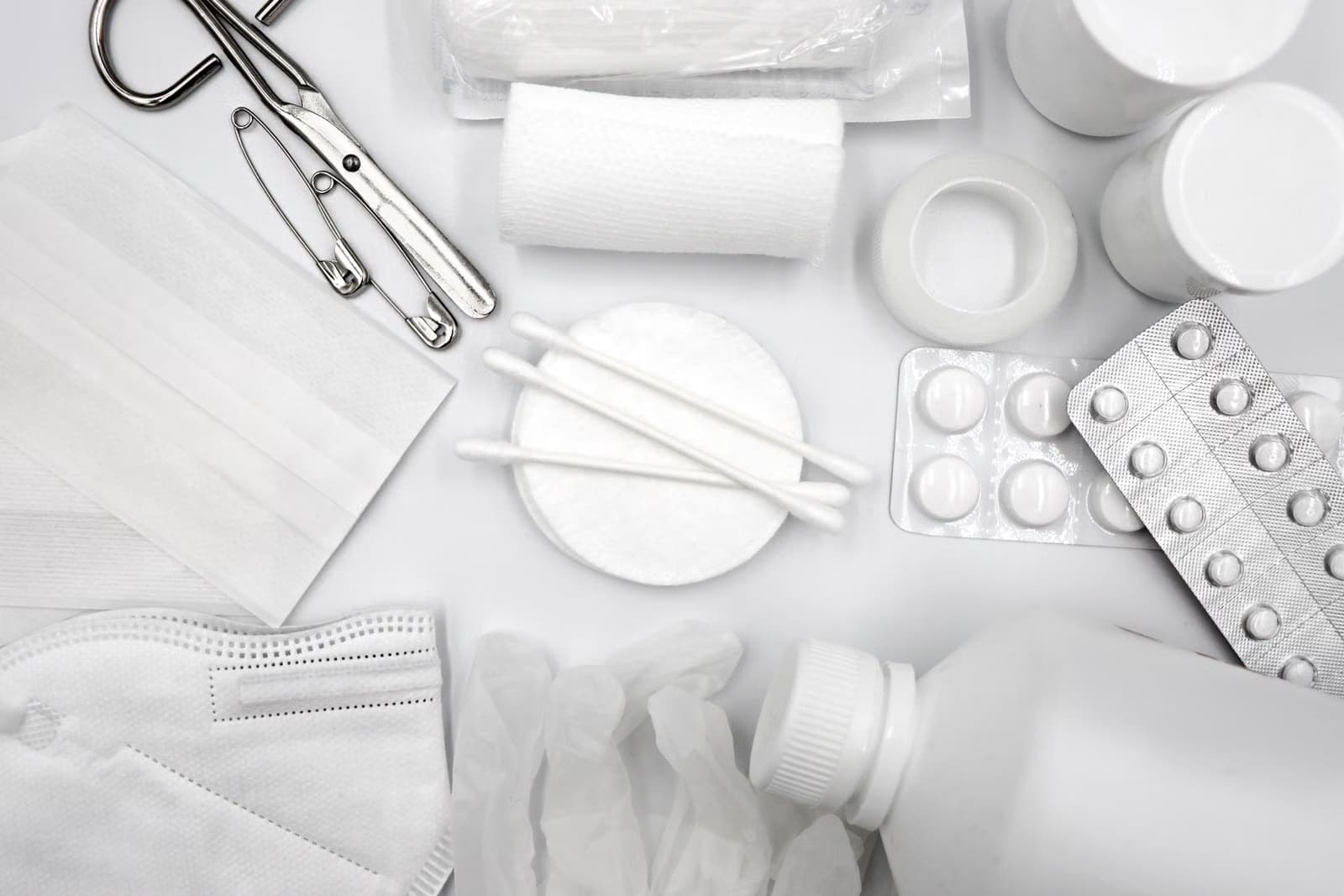
Quick answer: A good home first aid kit does four jobs: covers wounds and stops bleeding (sterile plasters, gauze, crepe bandage, tape, gloves), cleans skin (diluted antiseptic, alcohol pads), holds a few medicines (paracetamol, ORS) and tools (digital thermometer, torch, emergency numbers). Keep it in a dry, labelled box adults can reach quickly, check it every six months, and learn the basic skills.
What should be in a home first aid kit in Bangladesh?
This table groups the American Red Cross, Mayo Clinic and MedlinePlus core lists by purpose for a Bangladeshi home.
| Purpose | Item | What it is for |
|---|---|---|
| Wound care | Sterile plasters, assorted sizes, 20 to 25 (such as BandFix JMI One Time Bandage) | Small cuts |
| Wound care | Sterile gauze pads, 2 crepe bandages, 1 triangular bandage | Pressure on bleeding, covering wounds, slings |
| Wound care | Paper tape (such as Medi Tape 25 mm x 9 m) | Fixing gauze |
| Wound care | Cotton wool (Absorbent Cotton Wool 50 g; check the pack size) | Padding and cleaning skin around a wound, never on it |
| Wound care | Antiseptic such as Dettol Liquid 100 ml or povidone-iodine; alcohol pads such as Getwell Alcohol Pad | Diluted antiseptic around a wound; pads for intact skin only |
| Wound care | Scissors (blunt-tipped are safest), tweezers, disposable gloves | Cutting tape, splinters, protection |
| Medicines | Paracetamol (adult tablets such as Napa 500 mg; paediatric syrup with its cup); 4 to 6 ORS sachets | Fever and pain; diarrhoea and vomiting |
| Medicines | Antihistamine, antacid, family prescription medicines (inhaler, adrenaline pen) | Only on a doctor's or pharmacist's advice |
| Tools | Digital thermometer, torch and batteries, emergency numbers card, cling film | Fever, load-shedding, emergency numbers, loose cover for a burn |
| Optional | BP monitor, glucometer, pulse oximeter | For hypertension, diabetes or lung disease at home |
The wound care items are sold on MedEasy under First Aid & Wound Care; start with plasters, gauze, tape, gloves, one antiseptic, paracetamol and ORS.
Which box should I choose, and where should I keep it?
Any clean, dry, labelled box that closes securely will do. Mayo Clinic's rule: easy for adults to reach, out of young children's reach, and older children know where it is. Aluminium is sturdy; plastic is lighter; either suits Dhaka's humidity if the lid seals. MedEasy sells empty boxes you fill yourself, such as the First Aid Box with aluminium body (12 x 7 x 7.5 inches), whose listing shows no contents (sold empty), and the JMI First Aid Box Large, an empty case with a removable tray and safety-lock buckles; its listing describes the material inconsistently, so check it.
Store it on a shelf at adult height in a bedroom, not the bathroom (steam) or above the stove (heat). In the monsoon, keep plasters, gauze and tablets in zip-lock bags with silica gel, and keep a smaller kit in the car (American Red Cross, Mayo Clinic).
How often to check, and what to throw out
Check every six months, say in May and November, and after every use; Mayo Clinic suggests dating the box. Replace torn sterile wrappers, flat batteries and expired items. Do not keep leftover antibiotics, syrups opened over a month ago or undated, loose unnamed tablets or a mercury thermometer.
How do I use the basic items safely?
Cuts and grazes
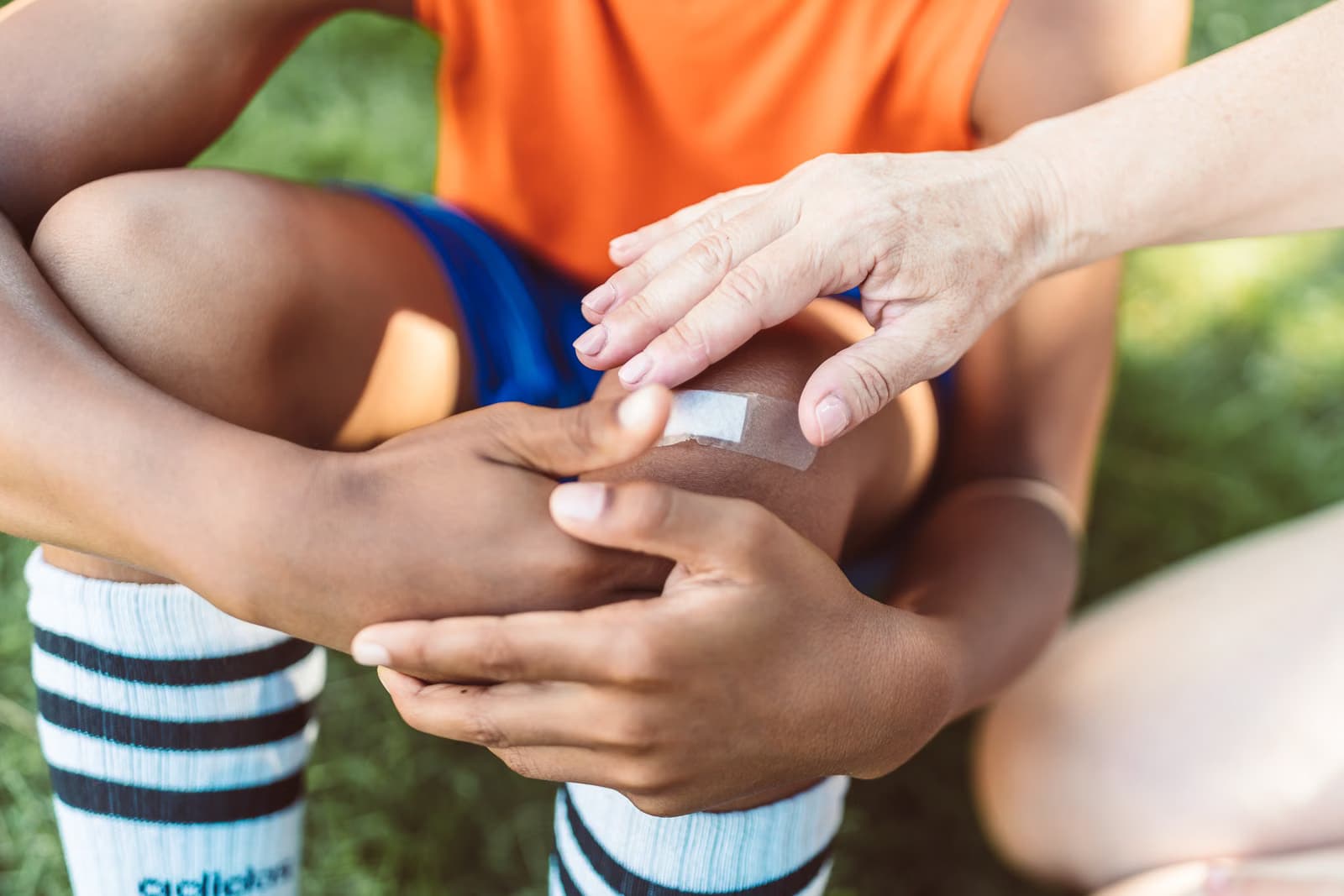
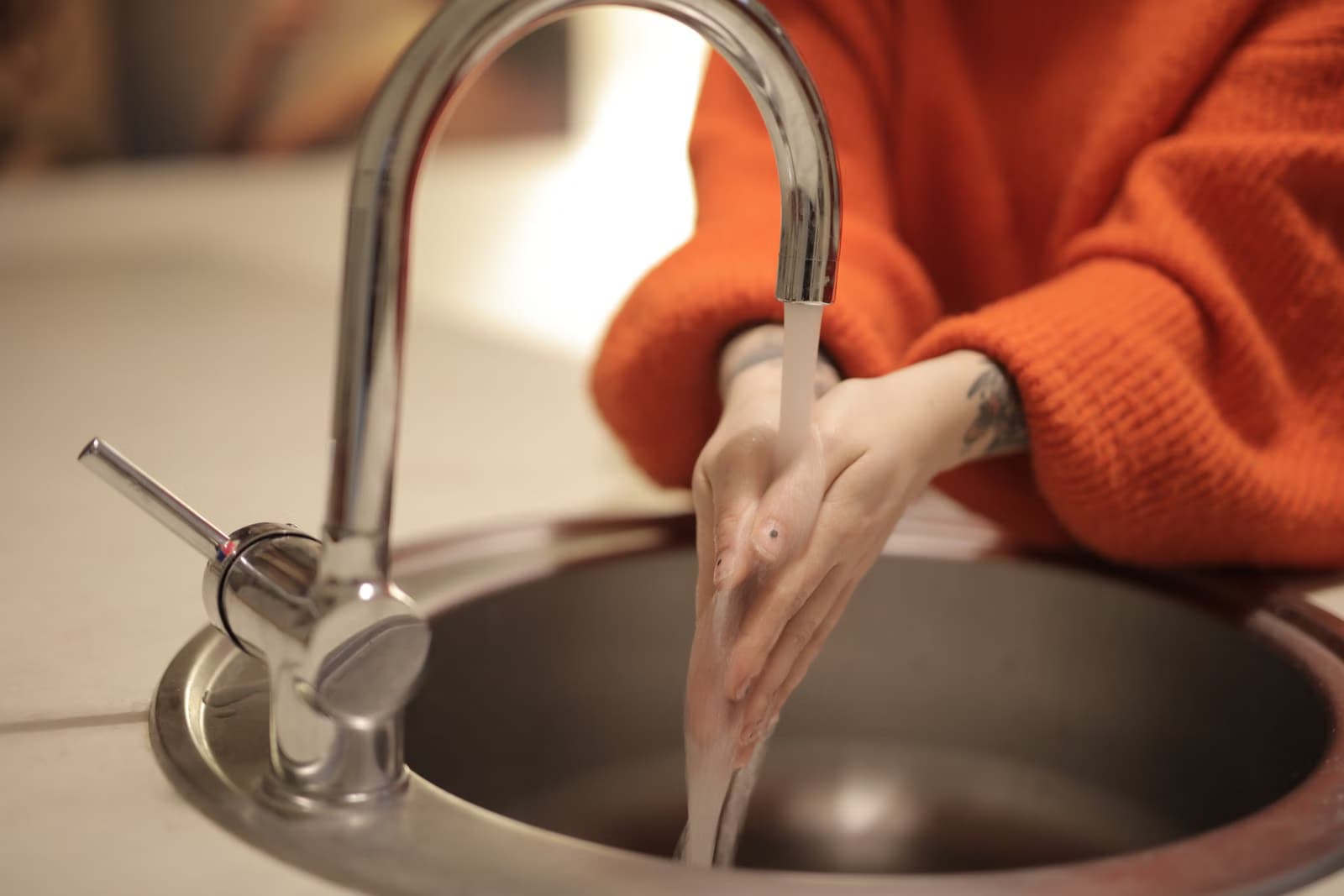
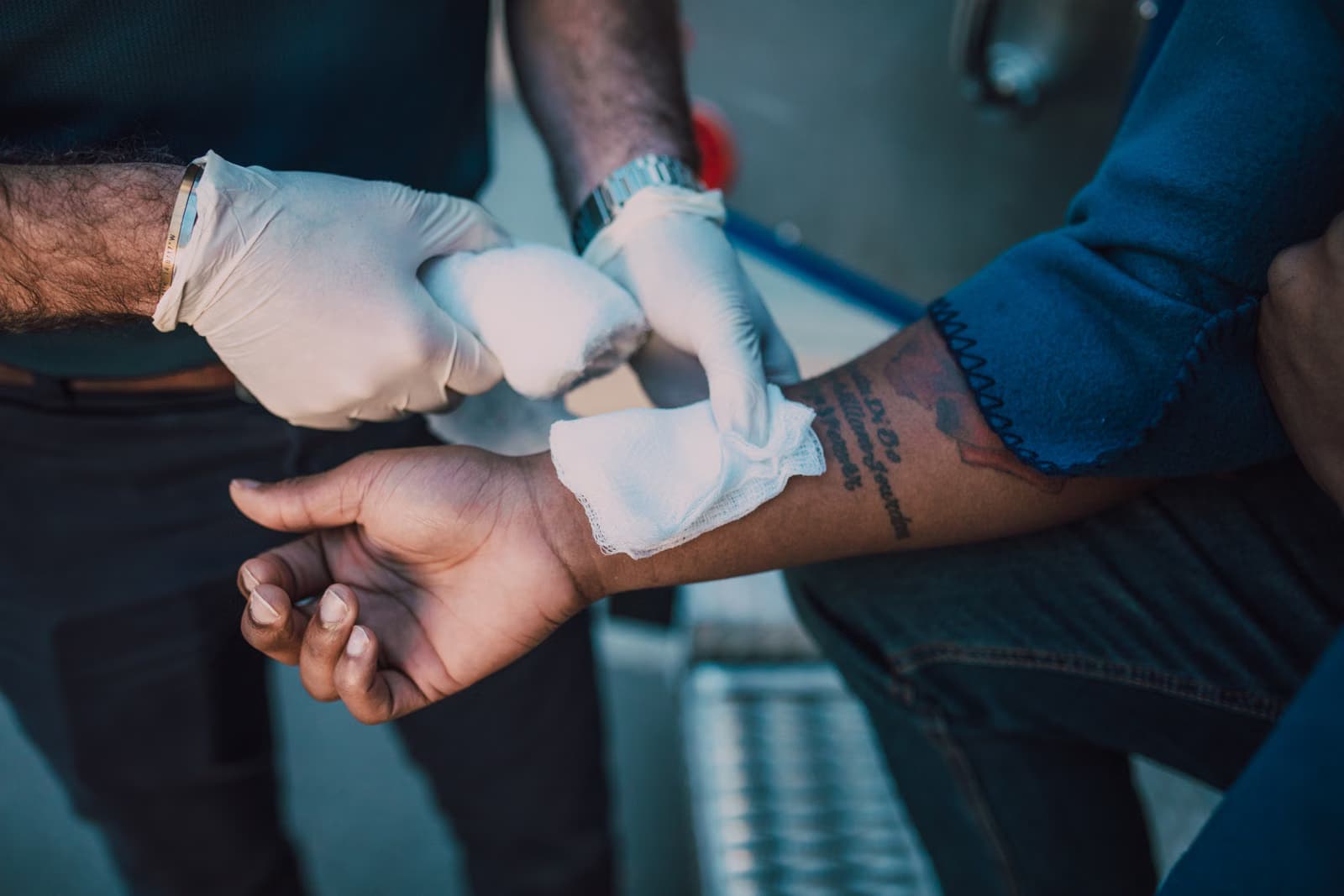
Follow the NHS steps: wash your hands, press on the wound with sterile gauze or a clean cloth for about 10 minutes, rinse with bottled or boiled-and-cooled water, pat the skin dry and cover with a sterile plaster or dressing. Cotton wool never goes on the wound itself; its fibres stick. The BandFix pack says to clean and dry the area, press the adhesive edges down firmly and replace the strip if it becomes wet, dirty or loose. Medi Tape's listing describes a hypoallergenic paper tape for clean, dry skin.
Antiseptics and alcohol pads
Antiseptic is optional for a clean minor wound. If you use Dettol Liquid, the pack says it contains chloroxylenol 4.8% w/v and must always be diluted, never applied undiluted: 1:20 for minor wounds, roughly one capful in 400 to 600 ml of water; it is not recommended in pregnancy, breastfeeding or on eczema without a doctor's supervision, and may be used diluted on children over one year. The Getwell Alcohol Pad listing describes a single-use pad for cleaning skin before an injection and states, “Do not use on deep cuts, puncture wounds, burns or large open wounds”; it is flammable, and the alcohol strength is not stated.
What does the evidence say about first aid kits?
- Good evidence and firm consensus: 20 minutes of running water on a burn (NHS, British Red Cross), firm pressure for bleeding (NHS), the recovery position for someone unresponsive but breathing (St John Ambulance), and paracetamol, not ibuprofen or aspirin, in suspected dengue (WHO).
- Expert consensus rather than trials: kit contents and check intervals. The American Red Cross and Mayo Clinic say inspect regularly; six months is practical, not proven.
- Limited evidence: routine antiseptic on clean minor wounds; the NHS page relies on rinsing and covering.
- Traditional use only, and harmful: toothpaste, butter, turmeric or kerosene on burns, and undiluted antiseptic in a wound. St John Ambulance says no ice, creams or gels on a fresh burn.
What extra items do I need for dengue season, the monsoon and Eid journeys?
Dengue season
- Thermometer, ORS and paracetamol only: WHO says ibuprofen and aspirin should be avoided in dengue because they increase bleeding risk; treat diclofenac the same way.
- Mosquito repellent and a net. Our dengue guide lists the warning signs that need a hospital the same day.
Monsoon and Eid journeys
- Monsoon: extra plasters, gauze and ORS, plus bottled water for rinsing wounds.
- Travel pouch: plasters, gauze, tape, gloves, alcohol pads, a small antiseptic, paracetamol, ORS, hand sanitiser and everyone's regular medicines for the trip plus two days.
What basic skills should everyone at home know?
- Bleeding: press hard with gauze or cloth without lifting to look; call 999 if it soaks through or does not slow after 10 minutes.
- Burns: cool running water for 20 minutes as soon as possible, remove rings, cover loosely with cling film; no ice, creams or toothpaste; do not burst blisters.
- Recovery position: someone unresponsive but breathing normally goes on their side, head tilted back so vomit can drain; call 999.
- Choking: if they cannot cough or speak, give five firm back blows, then five abdominal thrusts, repeating while someone calls 999.
- CPR awareness: if someone is not breathing, call 999 and push hard and fast in the centre of the chest until help arrives.
Bangladesh Red Crescent Society runs short first aid courses; one trained family member is worth more than any box.
When should I see a doctor or go to hospital?
Call 999, or go to the nearest hospital or upazila health complex, if:
- Bleeding does not stop after 10 minutes of firm pressure, or is bright red and spurting.
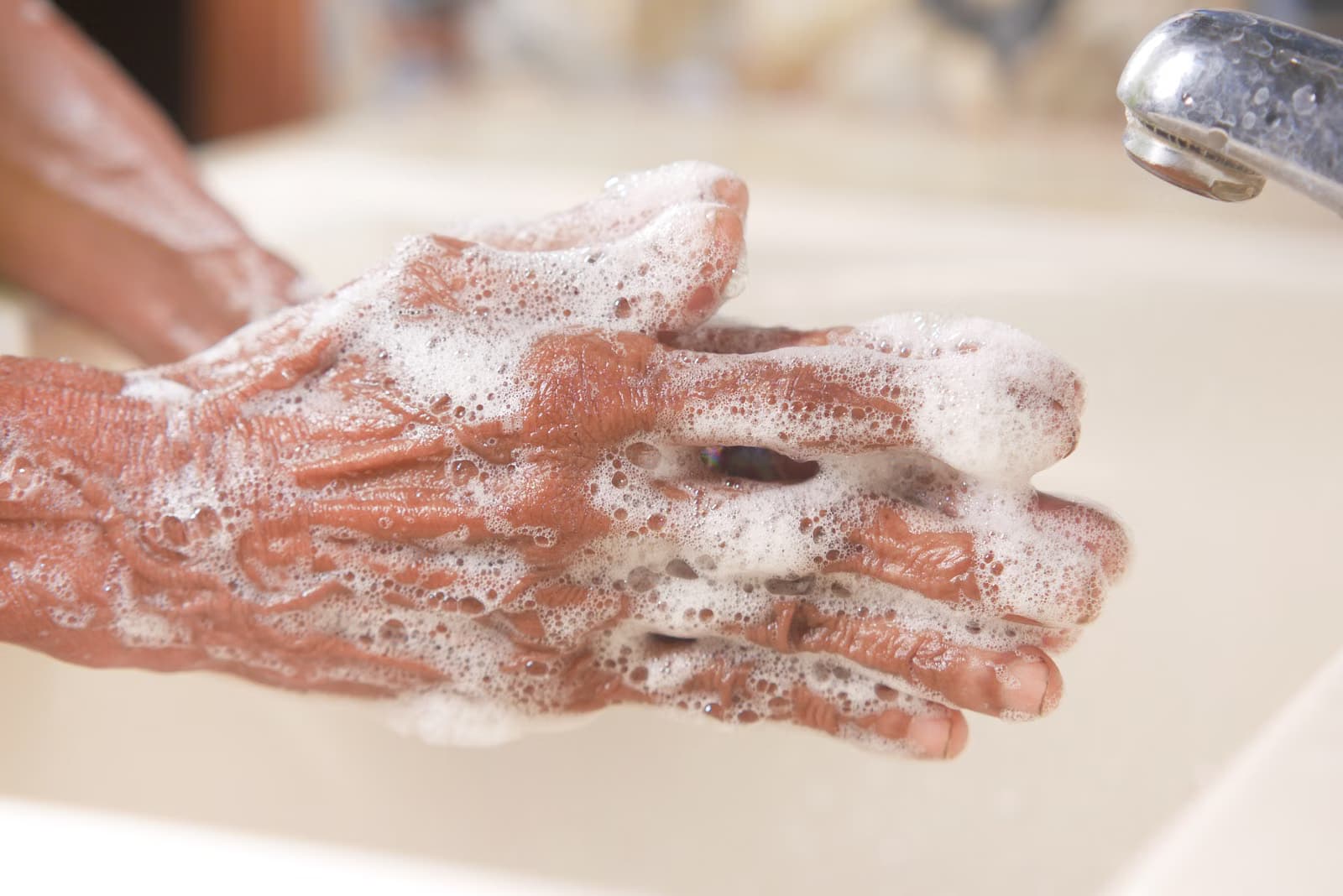
- The wound is deep or gaping, on the face, palm or a joint, has something embedded, or is an animal or human bite (wash with soap and running water for 15 minutes, then get same-day care for rabies and tetanus).
- A burn is larger than the person's palm, white, charred or painless, or on the face, hands, feet, genitals or joints; any chemical or electrical burn; any significant burn in a child under five or an older adult; Dhaka's burn centre is the Sheikh Hasina National Institute of Burn and Plastic Surgery.
- Infection signs: spreading redness, warmth, swelling, pus, worsening pain after 48 hours, fever or red streaks.
- The last tetanus dose was over 10 years ago (5 years for a dirty or deep wound) or unknown; a booster is best within 48 hours.
- Someone is unresponsive, struggling to breathe or has chest pain.
For a wound check, dressing advice or possible infection, a MedEasy online doctor consultation is a quick first step, not a replacement for an emergency department.
Common beliefs and questions in Bangladesh
“A first aid kit is just plasters and Dettol.” Those handle small cuts only; a real emergency needs gauze and bandage to press on bleeding, cling film for a burn, gloves and a thermometer.
“Keep leftover antibiotics for emergencies.” An old half-course is the wrong drug at the wrong dose for the next illness and feeds resistance. Clean minor wounds do not need antibiotics.
“Medicines last for years after the expiry date.” Syrups, ORS and anything stored in heat and humidity degrade. First aid needs a dose that works first time, so replace expired items.
“Lock the kit away, high and hidden.” Out of a toddler's reach, yes; but if nobody can find the key during a burn at midnight the kit is useless. A latched box on a high shelf every adult knows about is the balance.
“A kit replaces knowing what to do.” The box holds supplies; your hands do the first aid. Cool water on a burn or firm pressure on a wound needs no product at all.
References
- Anatomy of a First Aid Kit - American Red Cross
- First-aid kits: Stock supplies that can save lives - Mayo Clinic
- Cuts and grazes - NHS
- Learn first aid for someone who has a burn - British Red Cross
- Recovery position - St John Ambulance
- Dengue and severe dengue - WHO
This article is for general awareness and is not a substitute for advice from a doctor or emergency services. The products mentioned are first aid supplies; they do not replace medical assessment of a wound, burn or illness. Follow the directions on each pack.