
Generic medicine

Cefaclor Monohydrate: Brands, Price & Uses in Bangladesh

Cefaclor Monohydrate is a second-generation cephalosporin antibiotic indicated for the treatment of the following bacterial infections caused by susceptible organisms: Established/FDA-labeled…

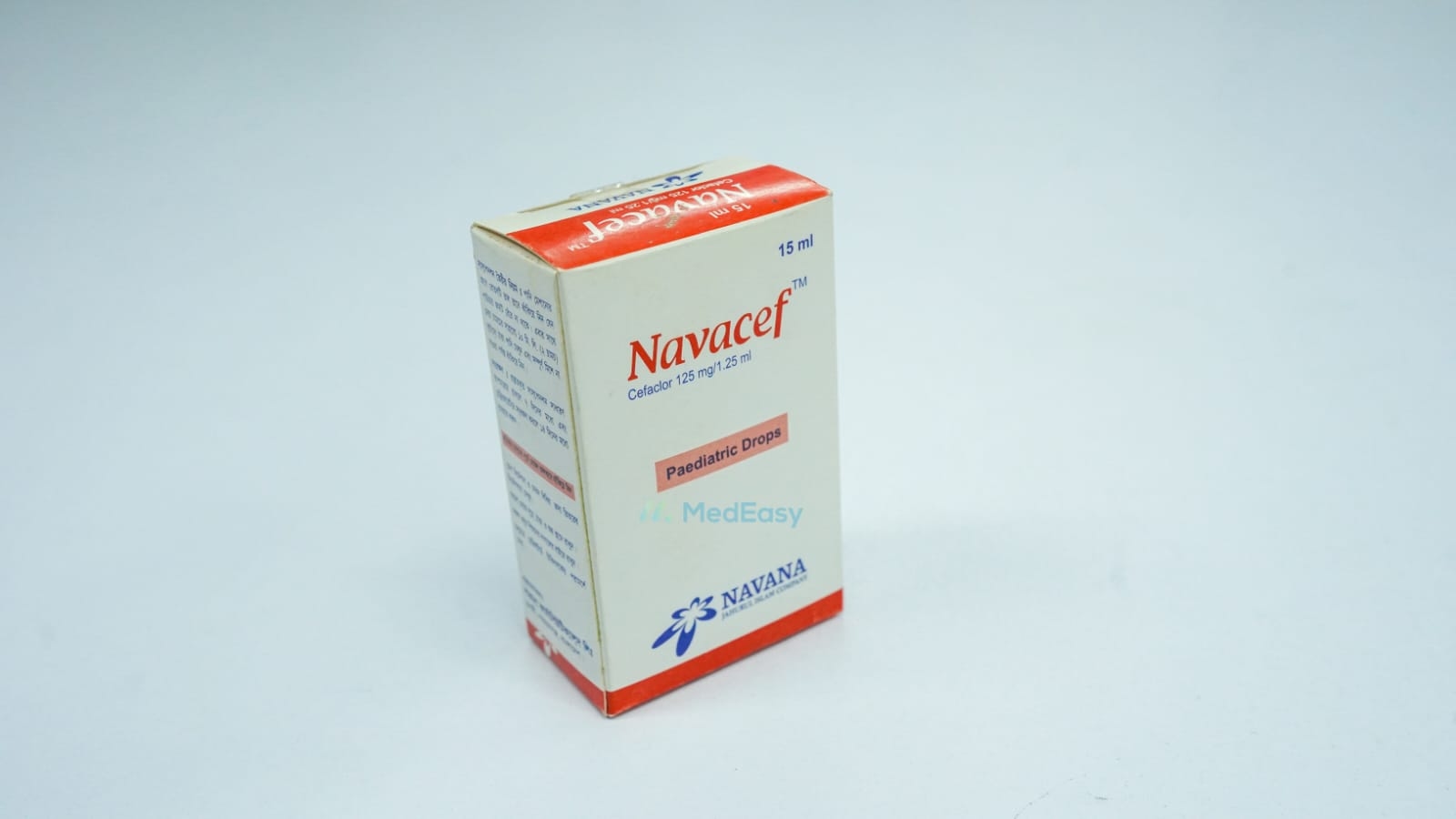
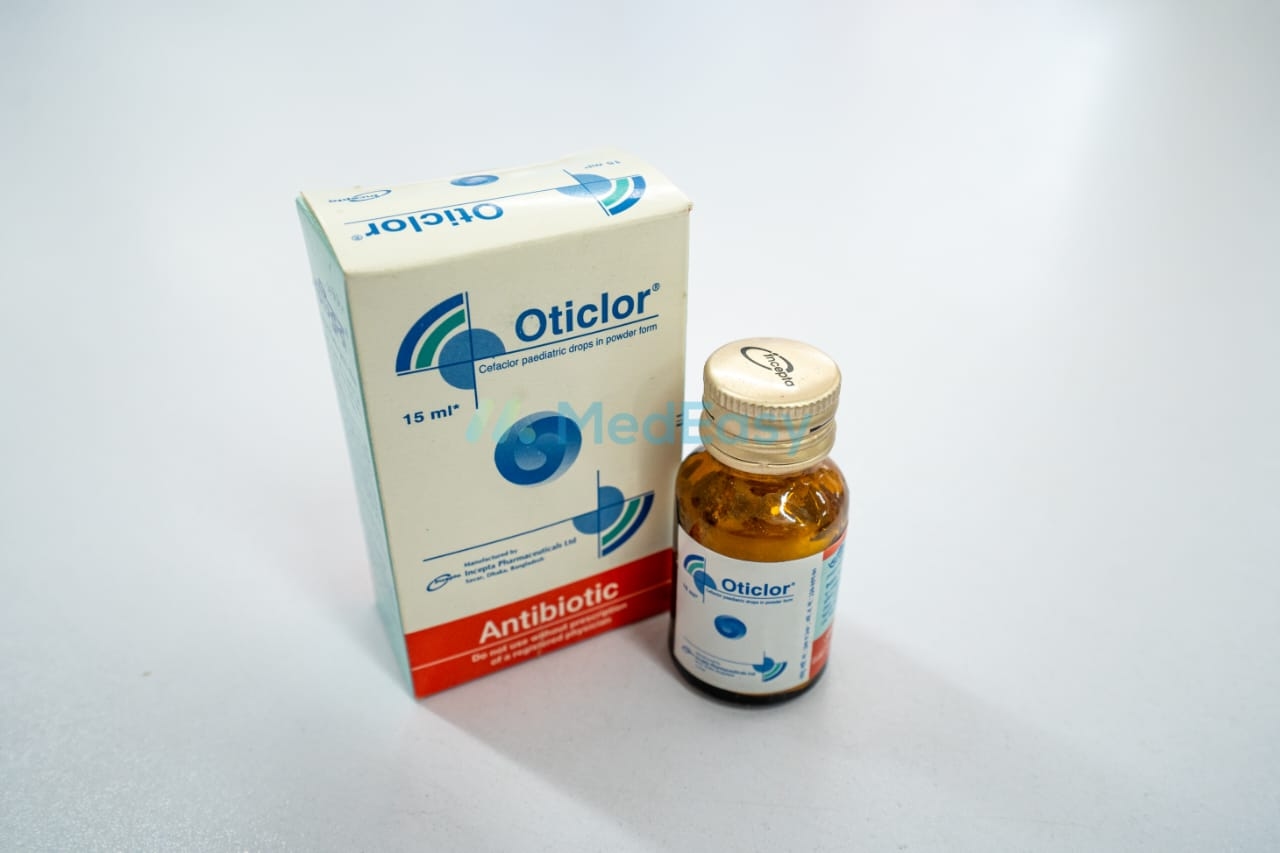
Forms:Powder for SuspensionPediatric DropsCapsule

About Cefaclor Monohydrate

Indications of Cefaclor Monohydrate

Cefaclor Monohydrate is a second-generation cephalosporin antibiotic indicated for the treatment of the following bacterial infections caused by susceptible organisms:

  • Established/FDA-labeled indications:
    • Otitis media (middle ear infection)
    • Pharyngitis and tonsillitis
    • Lower respiratory tract infections, including pneumonia and acute bronchitis
    • Urinary tract infections, including pyelonephritis and cystitis
    • Skin and skin structure infections

Cefaclor Monohydrate should be used only for infections that are proven or strongly suspected to be caused by susceptible bacteria. It is not effective against viral infections such as the common cold or flu.

Dosage & Administration of Cefaclor Monohydrate

Dosage of Cefaclor Monohydrate is individualized according to the type and severity of infection, and the patient's age and weight. General guidance is summarized below; refer to the dosage field for indication-specific details.

  • Adults: Usual dose is 250 mg every 8 hours; severe infections or those caused by less susceptible organisms may require doubling the dose, up to a maximum of 4 g per day.
  • Children (1 month and older): Usual dose is 20 mg/kg/day given in divided doses every 8 hours; for otitis media and more serious infections, 40 mg/kg/day in divided doses is recommended, not to exceed 1 g/day.

Cefaclor Monohydrate may be taken with or without food, although taking it with food may reduce stomach upset. The oral suspension must be shaken well before each dose.

Important: Take Cefaclor Monohydrate exactly as prescribed by your physician; do not stop, extend, skip doses, or share this medicine with others without medical advice. Completing the full prescribed course, even after symptoms improve, is essential to fully clear the infection and reduce the risk of antibiotic resistance.

Side Effects of Cefaclor Monohydrate

Most patients tolerate Cefaclor Monohydrate well. Reported side effects include:

  • Common: Diarrhea, nausea, vomiting, abdominal discomfort, and skin rash.
  • Hypersensitivity reactions: Skin eruptions, pruritus, urticaria; rarely, serious reactions such as Stevens-Johnson syndrome, toxic epidermal necrolysis, or anaphylaxis requiring emergency treatment.
  • Serum sickness-like reactions: Rash, joint pain or swelling (arthritis/arthralgia), and fever have been reported, occurring more often in children, usually during or after a second or subsequent course of therapy; symptoms generally resolve within a few days of stopping the drug.
  • Gastrointestinal: Clostridioides difficile-associated diarrhea (CDAD) can occur with almost any antibiotic, including Cefaclor Monohydrate, ranging from mild diarrhea to severe, potentially life-threatening colitis; this can occur even up to two months after treatment ends. Seek medical attention for severe, persistent, or bloody diarrhea.
  • Less common: Elevated liver enzymes, cholestatic jaundice, transient changes in blood counts (eosinophilia, leukopenia, rarely hemolytic anemia), reversible hyperactivity, nervousness, insomnia, confusion, or dizziness (rare).

See a doctor promptly if severe rash, breathing difficulty, facial swelling, severe diarrhea, or signs of liver problems occur while taking Cefaclor Monohydrate.

Contraindications of Cefaclor Monohydrate

Cefaclor Monohydrate is contraindicated in patients with a known history of hypersensitivity (allergic reaction) to cefaclor or to any other cephalosporin-class antibiotic.

Frequently Asked Questions about Cefaclor Monohydrate

What is Cefaclor Monohydrate used for?

Cefaclor Monohydrate is an antibiotic used to treat bacterial infections such as ear infections (otitis media), throat infections, sinus and respiratory infections, urinary tract infections, and skin infections.

Can I stop taking Cefaclor Monohydrate once I feel better?

No. You should complete the full course of Cefaclor Monohydrate exactly as prescribed by your physician, even if symptoms improve, unless your doctor tells you to stop. Stopping early can allow the infection to return and contributes to antibiotic resistance.

Can children take Cefaclor Monohydrate?

Yes, Cefaclor Monohydrate is commonly prescribed for children 1 month of age and older, with the dose calculated based on the child's body weight. It is not established as safe or effective in infants under 1 month.

Is it safe to take Cefaclor Monohydrate if I am allergic to penicillin?

There is a risk of cross-reactivity between penicillin and cephalosporin antibiotics like Cefaclor Monohydrate. Tell your doctor about any penicillin allergy before starting treatment so they can assess whether Cefaclor Monohydrate is appropriate for you.

How should I store the Cefaclor Monohydrate oral suspension after mixing?

Once reconstituted, store the Cefaclor Monohydrate suspension in the refrigerator, shake well before each dose, and discard any unused portion after 14 days.

What should I do if I miss a dose of Cefaclor Monohydrate?

Take the missed dose as soon as you remember. If it is almost time for your next dose, skip the missed dose and continue your regular schedule — do not double the dose. Contact your doctor if you have questions.

Disclaimer

The information provided is accurate to the best of our knowledge, but it does not replace professional medical advice. We cannot guarantee its completeness or accuracy, and the absence of specific information about a drug should not be taken as an endorsement. We are not responsible for any consequences arising from this information, so please consult a healthcare professional for any concerns or questions.
DoctorBlogArticles