
Generic medicine

Clindamycin [Oral/Injection]: Brands, Price & Uses in Bangladesh

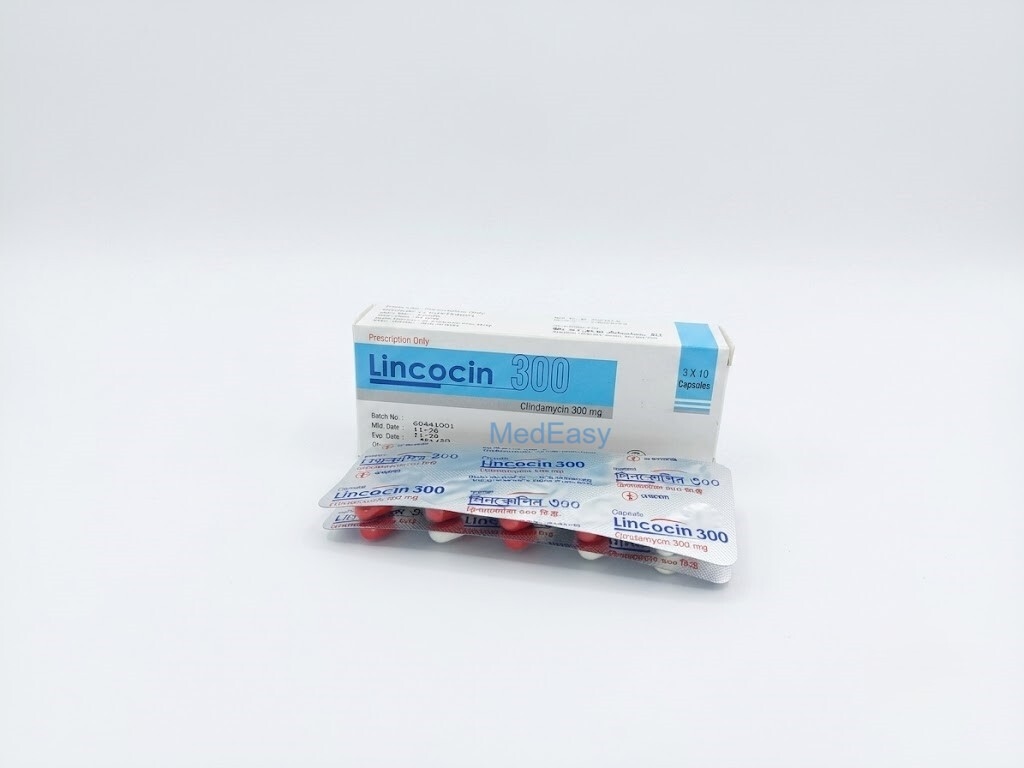
Clindamycin [Oral/Injection] is a lincosamide antibiotic used to treat infections caused by susceptible anaerobic bacteria and certain gram-positive aerobic bacteria.

Forms:CapsuleIM/IV Injection

About Clindamycin [Oral/Injection]

Indications of Clindamycin [Oral/Injection]

Clindamycin [Oral/Injection] is a lincosamide antibiotic used to treat infections caused by susceptible anaerobic bacteria and certain gram-positive aerobic bacteria. Indications are classified below by strength of evidence.

Established / FDA-approved uses

  • Serious lower respiratory tract infections (e.g., empyema, anaerobic pneumonitis, lung abscess)
  • Skin and soft tissue infections
  • Bone and joint infections, including osteomyelitis
  • Gynecologic infections (e.g., endometritis, pelvic inflammatory disease), typically as part of combination therapy
  • Intra-abdominal infections, typically combined with an agent active against gram-negative aerobes
  • Septicemia caused by susceptible organisms

Guideline-supported / adjunct uses

  • Alternative agent for dental and certain procedural infective-endocarditis prophylaxis in patients with a true penicillin allergy
  • Component of combination regimens for necrotizing skin/soft-tissue infections, for its anti-toxin effect against toxin-producing organisms such as Group A Streptococcus

Off-label uses (physician discretion, in combination with other agents)

  • Adjunct treatment of severe toxoplasmosis or Pneumocystis jirovecii pneumonia in patients intolerant of first-line therapy
  • Adjunct treatment of certain malaria cases in combination with quinine

Clindamycin [Oral/Injection] is not effective for meningitis because it does not adequately cross the blood-brain barrier, and it should not be used for non-bacterial infections such as the common cold.

Dosage & Administration of Clindamycin [Oral/Injection]

Dosage of Clindamycin [Oral/Injection] should be individualized according to the severity of infection, the causative organism, and patient factors such as age, weight, and renal/hepatic function.

Adult dosing (oral)

SeverityDose
Moderate/serious infections150–300 mg every 6 hours
More severe infections300–450 mg every 6 hours

Adult dosing (IV/IM injection)

SeverityDose
Serious infections600–1200 mg/day in 2–4 equally divided doses
More severe infections1200–2700 mg/day in 2–4 equally divided doses, under close monitoring

Pediatric dosing

Age groupDose
Neonates (<1 month)15–20 mg/kg/day IV/IM in 3–4 equally divided doses
1 month–16 years (IV/IM, serious infections)20–40 mg/kg/day in 3–4 equally divided doses
Oral (weighing >10 kg)Approximately 8–25 mg/kg/day in 3–4 divided doses, depending on severity

Administration

Oral capsules should be swallowed whole with a full glass of water to reduce the risk of esophageal irritation. Injectable Clindamycin [Oral/Injection] must be diluted and given by slow intravenous infusion (not exceeding 30 mg/minute) or by deep intramuscular injection (no more than 600 mg per injection site); it must never be given as a rapid IV bolus.

Clindamycin [Oral/Injection] should be taken exactly as prescribed by your physician; do not stop, extend, skip doses, or share this medicine with others without medical advice, as inappropriate use can promote antibiotic resistance and increases the risk of C. difficile-associated diarrhea (see Precautions and Warnings).

Side Effects of Clindamycin [Oral/Injection]

Common side effects of Clindamycin [Oral/Injection] include:

  • Gastrointestinal: abdominal pain, nausea, vomiting, diarrhea, esophageal irritation/ulceration (oral capsules), metallic taste
  • Skin: rash, pruritus, urticaria
  • Injection-site reactions: pain, induration, thrombophlebitis (IV), local abscess (IM)

Less common but serious effects include severe hypersensitivity reactions (including anaphylaxis, Stevens-Johnson syndrome, toxic epidermal necrolysis), hepatotoxicity, and Clostridioides difficile-associated diarrhea/colitis — see Precautions and Warnings for full details and warning signs that require urgent medical attention.

Contraindications of Clindamycin [Oral/Injection]

Clindamycin [Oral/Injection] is contraindicated in patients with known hypersensitivity to clindamycin, lincomycin, or any component of the formulation.

Frequently Asked Questions about Clindamycin [Oral/Injection]

What is Clindamycin [Oral/Injection] used for?

Clindamycin [Oral/Injection] is an antibiotic used to treat serious infections caused by susceptible anaerobic and certain gram-positive bacteria, including skin and soft tissue infections, bone and joint infections, intra-abdominal and gynecologic infections, and as an alternative in penicillin-allergic patients for specific indications such as dental infection prophylaxis.

Can I stop taking Clindamycin [Oral/Injection] once I feel better?

No. You should take Clindamycin [Oral/Injection] exactly as prescribed by your physician and complete the full course, even if you feel better before finishing it. Stopping early can allow the infection to return and contributes to antibiotic resistance.

What is the most serious side effect of Clindamycin [Oral/Injection]?

The most serious risk is Clostridioides difficile-associated diarrhea (CDAD), which can range from mild diarrhea to severe, life-threatening colitis and can occur during treatment or even weeks after stopping Clindamycin [Oral/Injection]. Seek immediate medical attention if you develop severe, persistent, or bloody diarrhea.

Is Clindamycin [Oral/Injection] safe during pregnancy and breastfeeding?

Clindamycin [Oral/Injection] should be used during pregnancy only if clearly needed and if the benefit justifies the potential risk to the fetus. It does pass into breast milk, so breastfed infants should be monitored for gastrointestinal effects. Always consult your physician before use during pregnancy or breastfeeding.

Can children receive Clindamycin [Oral/Injection]?

Yes, Clindamycin [Oral/Injection] can be used in children, including neonates, with the dose calculated based on body weight and adjusted by the treating physician according to the severity of infection.

What should I do if I miss a dose of Clindamycin [Oral/Injection]?

Take the missed dose as soon as you remember, unless it is almost time for your next dose, in which case skip the missed dose and continue your regular schedule. Do not double the dose. Do not skip doses or stop Clindamycin [Oral/Injection] without consulting your physician, as this can reduce its effectiveness and promote antibiotic resistance.

Disclaimer

The information provided is accurate to the best of our knowledge, but it does not replace professional medical advice. We cannot guarantee its completeness or accuracy, and the absence of specific information about a drug should not be taken as an endorsement. We are not responsible for any consequences arising from this information, so please consult a healthcare professional for any concerns or questions.
DoctorBlogArticles