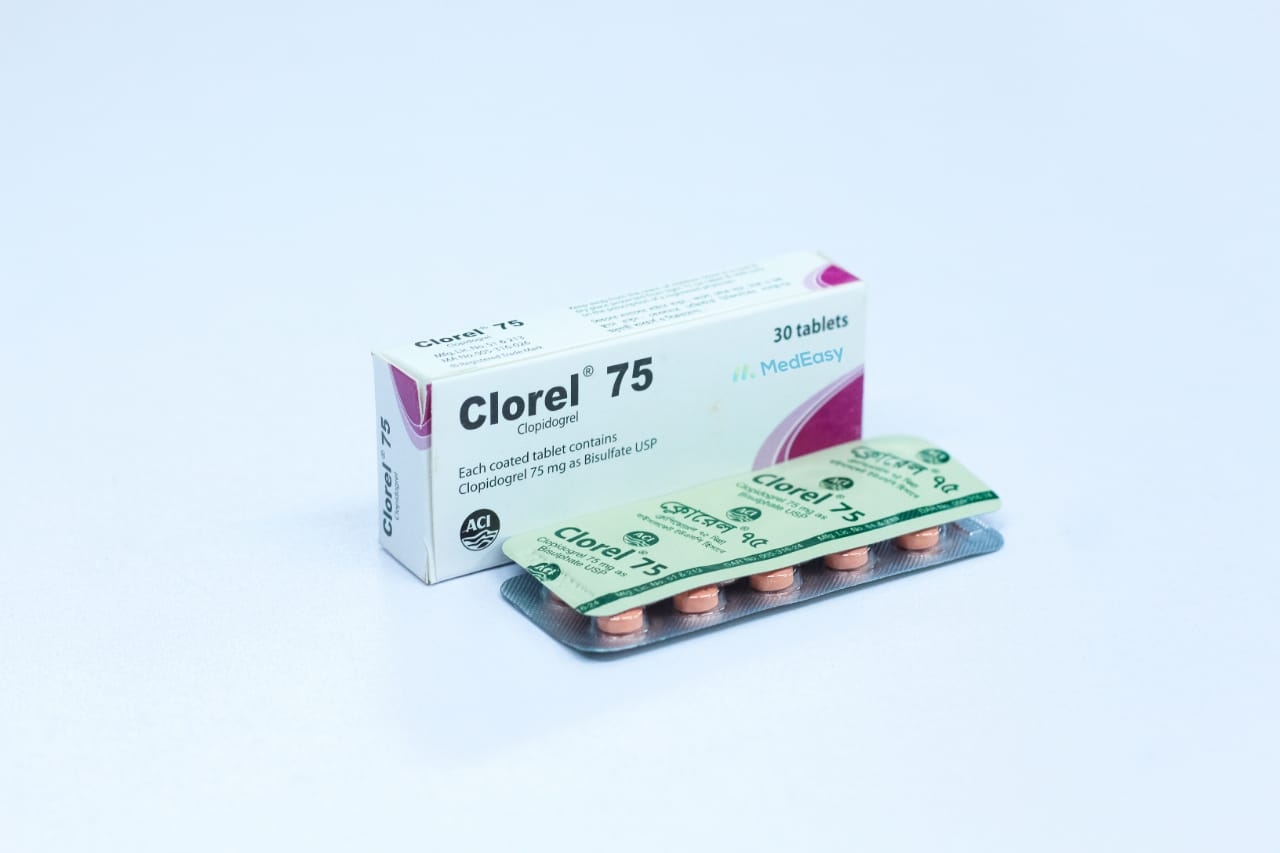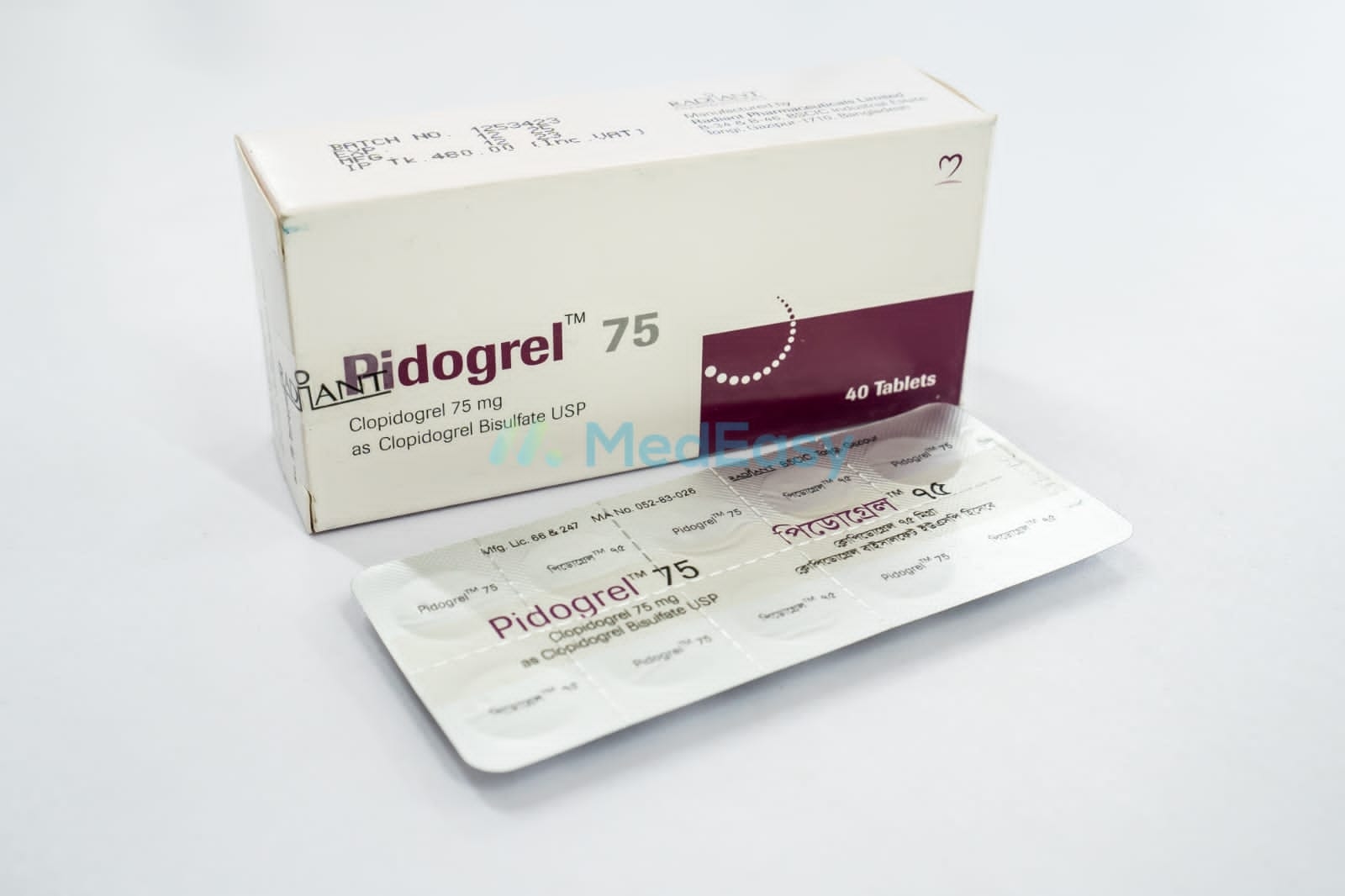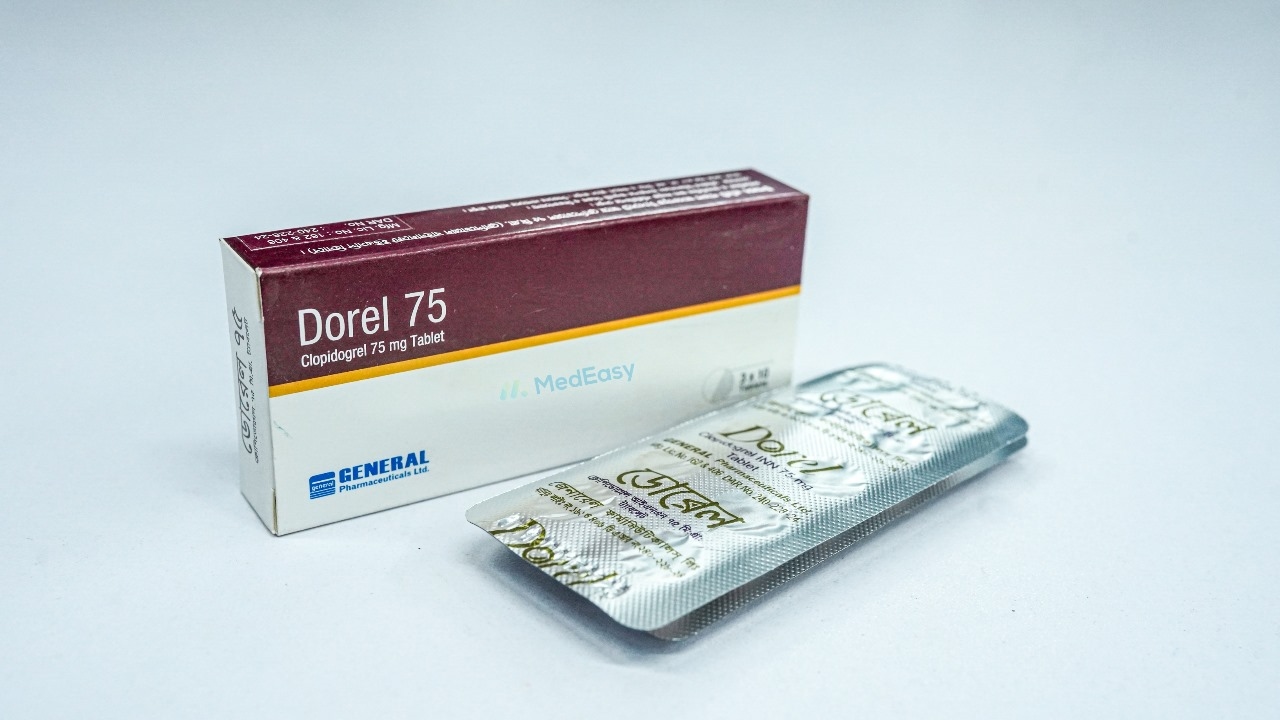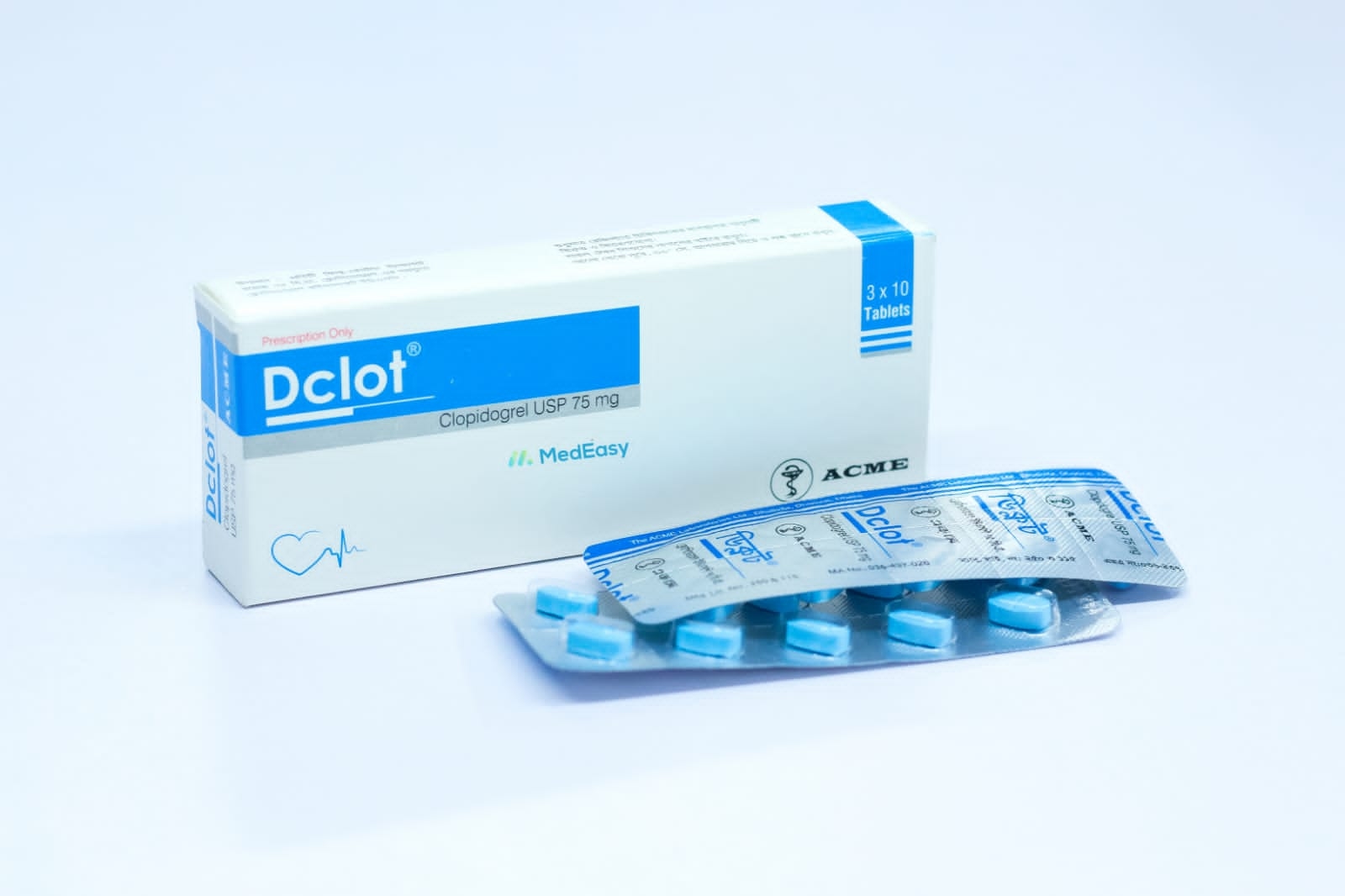
Generic medicine

Clopidogrel Bisulphate: Brands, Price & Uses in Bangladesh

Acute Coronary Syndrome (ACS) — Requires Dual Antiplatelet Therapy with Aspirin Clopidogrel Bisulphate is established for use in combination with aspirin to reduce the rate of cardiovascular death and more.

Forms:Tablet

About Clopidogrel Bisulphate

Indications of Clopidogrel Bisulphate

Acute Coronary Syndrome (ACS) — Requires Dual Antiplatelet Therapy with Aspirin

Clopidogrel Bisulphate is established for use in combination with aspirin to reduce the rate of cardiovascular death, myocardial infarction (MI), and stroke in patients with non-ST-segment elevation ACS (unstable angina/NSTEMI), including those managed medically and those undergoing percutaneous coronary intervention (PCI) with stent placement. In ST-elevation myocardial infarction (STEMI), Clopidogrel Bisulphate is used together with aspirin, with or without a loading dose depending on the treatment strategy. Monotherapy with Clopidogrel Bisulphate alone is not considered adequate in the acute-treatment phase of ACS; aspirin co-administration is guideline-directed unless aspirin is contraindicated.

Recent Myocardial Infarction, Recent Stroke, or Established Peripheral Arterial Disease — Monotherapy

Clopidogrel Bisulphate is established as monotherapy (generally without routine aspirin combination) to reduce the composite rate of new ischemic stroke, new MI, and other vascular death in patients with a documented history of recent MI, recent ischemic stroke, or established peripheral arterial disease.

Post-Stent (Post-PCI) Use — Guideline-Supported Adjunct

Following coronary stent placement, Clopidogrel Bisulphate is used with aspirin as dual antiplatelet therapy (DAPT) to reduce the risk of stent thrombosis; the exact duration is individualized by the treating cardiologist based on stent type and bleeding versus ischemic risk (see Duration of Treatment).

Other Use — Not Routinely More Effective as Combination Therapy

In patients with a recent transient ischemic attack (TIA) or ischemic stroke who are not undergoing stenting, adding aspirin to Clopidogrel Bisulphate has not been shown to be more effective than Clopidogrel Bisulphate alone and increases the risk of major bleeding; this combination is not routinely recommended in that setting.

Dosage & Administration of Clopidogrel Bisulphate

General Dosing Framework

Dosing of Clopidogrel Bisulphate is determined by a qualified healthcare professional based on the specific indication, and is not the same for every patient. For acute coronary syndrome, treatment typically begins with a single oral loading dose to achieve a rapid antiplatelet effect, followed by a lower once-daily maintenance dose; for recent MI, recent stroke, or established peripheral arterial disease, a loading dose is not used and treatment is started directly at the maintenance dose.

Side Effects of Clopidogrel Bisulphate

Common Side Effects

  • Easy bruising and minor bleeding (e.g., nosebleeds, gum bleeding)
  • Prolonged bleeding from cuts
  • Diarrhea and other gastrointestinal discomfort
  • Skin rash or itching

Serious Side Effects — Seek Medical Attention Immediately

  • Signs of significant or uncontrolled bleeding: blood in stool or urine, black/tarry stools, vomiting blood or material resembling coffee grounds, coughing up blood, or any bleeding that does not stop (see Precautions and Warnings for the full bleeding-risk explanation).
  • Signs of thrombotic thrombocytopenic purpura (TTP) — a rare but serious blood disorder: fever, unusual bruising or purple skin spots, extreme tiredness, confusion or other neurological changes, and yellowing of the skin/eyes. This requires urgent emergency care.
  • Signs of a severe allergic reaction: swelling of the face/lips/tongue/throat, difficulty breathing, or severe skin reaction (blistering, peeling skin).
  • Signs of liver problems: yellowing of the skin or eyes, dark urine, severe fatigue.
  • Signs of a serious blood cell disorder: unusual paleness, persistent fever, or repeated infections.

Contraindications of Clopidogrel Bisulphate

Clopidogrel Bisulphate is contraindicated in patients with:

  • Known hypersensitivity to Clopidogrel Bisulphate or to any component of the formulation.
  • Active pathological bleeding, such as a bleeding peptic ulcer or intracranial hemorrhage.

Frequently Asked Questions about Clopidogrel Bisulphate

What is Clopidogrel Bisulphate used for?

Clopidogrel Bisulphate is an antiplatelet medicine used, often together with aspirin, to reduce the risk of heart attack and stroke in people with acute coronary syndrome or a recently placed coronary stent, and used alone to reduce the risk of further heart attack, stroke, or vascular death in people with a recent MI, recent stroke, or established peripheral arterial disease.

Do I need to take Clopidogrel Bisulphate with aspirin?

It depends on your diagnosis. For acute coronary syndrome and after most coronary stents, Clopidogrel Bisulphate is combined with aspirin as directed by your doctor. For recent MI, recent stroke, or peripheral arterial disease without a stent, Clopidogrel Bisulphate is usually used alone. Never add or stop aspirin on your own.

What is the usual dose of Clopidogrel Bisulphate?

For acute coronary syndrome, treatment often starts with a 300 mg loading dose followed by 75 mg once daily. For recent MI, recent stroke, or peripheral arterial disease, there is no loading dose and treatment starts directly at 75 mg once daily. Your doctor will determine the exact regimen for you.

Can I take omeprazole with Clopidogrel Bisulphate?

This combination is a well-documented safety concern. Omeprazole (and esomeprazole) can reduce how well Clopidogrel Bisulphate is activated in the body, lowering its protective effect. Tell your doctor if you need an acid-reducing medicine — an alternative may be recommended instead.

Is Clopidogrel Bisulphate safe during pregnancy or breastfeeding?

Data in pregnant and breastfeeding women are limited. Clopidogrel Bisulphate should be used in pregnancy only if a doctor decides the benefit outweighs the risk, and a doctor should be consulted about breastfeeding, since it is not known whether the drug passes into breast milk.

Can children take Clopidogrel Bisulphate?

Safety and effectiveness in children have not been established, and a clinical trial did not show benefit in infants with certain heart conditions. Clopidogrel Bisulphate is not a routine treatment for children and should only be used in children under specialist medical supervision.

What are the most important side effects of Clopidogrel Bisulphate?

The most important risk is bleeding, which can range from minor bruising to serious, rarely fatal, bleeding. A rare but serious blood disorder called thrombotic thrombocytopenic purpura (TTP) has also been reported. Seek medical help immediately for unusual bleeding, fever, extreme fatigue, or confusion.

Can I stop taking Clopidogrel Bisulphate if I feel fine?

No. Stopping Clopidogrel Bisulphate early, without medical advice, can increase your risk of heart attack or stroke, especially if you have a coronary stent. Always consult your doctor before stopping.

What should I do before surgery or dental work if I am taking Clopidogrel Bisulphate?

Tell your surgeon, dentist, and doctor that you are taking Clopidogrel Bisulphate well in advance. If needed, your doctor may advise stopping it about 5 days before a procedure with a major bleeding risk — do not stop it yourself without this guidance.

Disclaimer

The information provided is accurate to the best of our knowledge, but it does not replace professional medical advice. We cannot guarantee its completeness or accuracy, and the absence of specific information about a drug should not be taken as an endorsement. We are not responsible for any consequences arising from this information, so please consult a healthcare professional for any concerns or questions.


DoctorBlogArticles