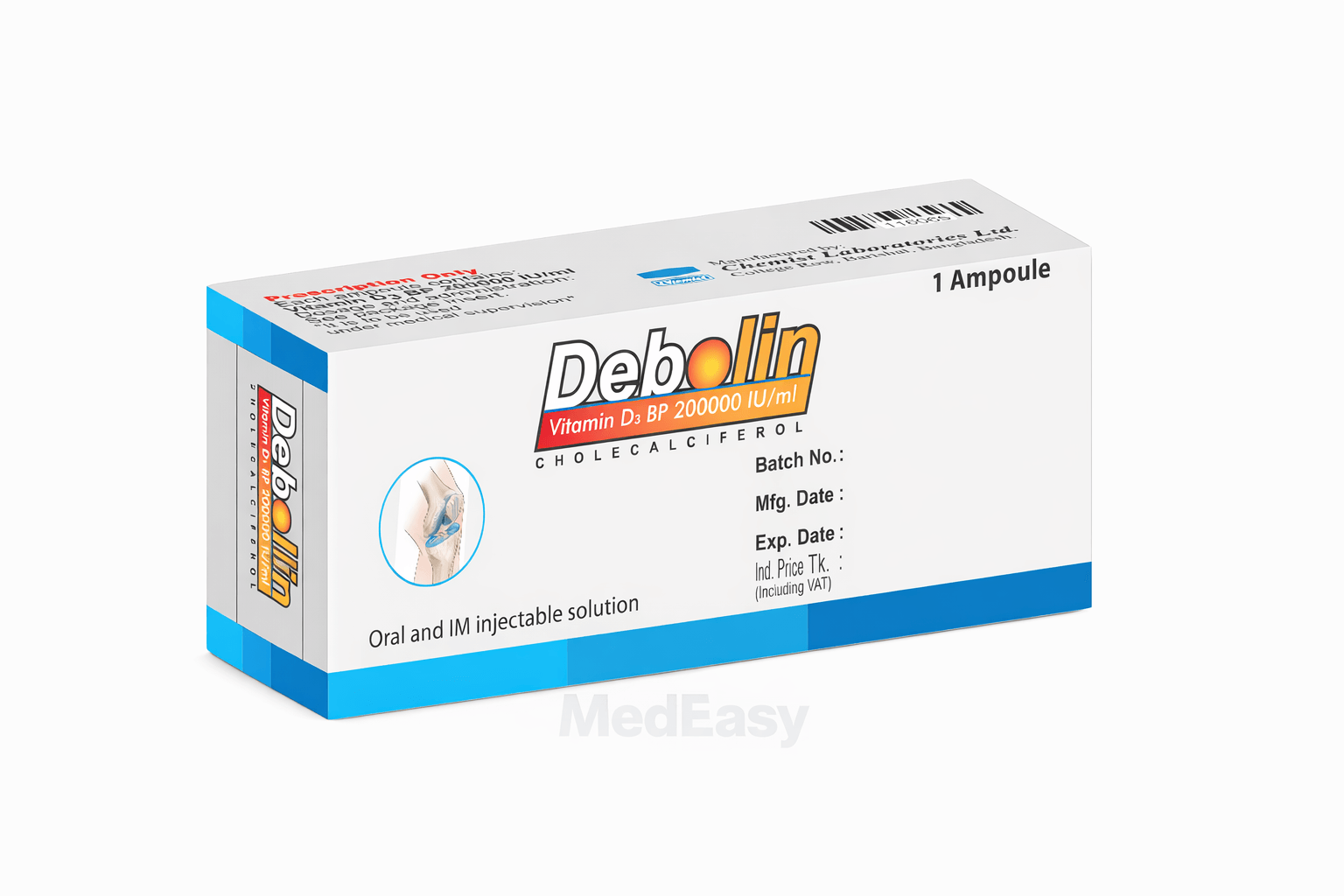
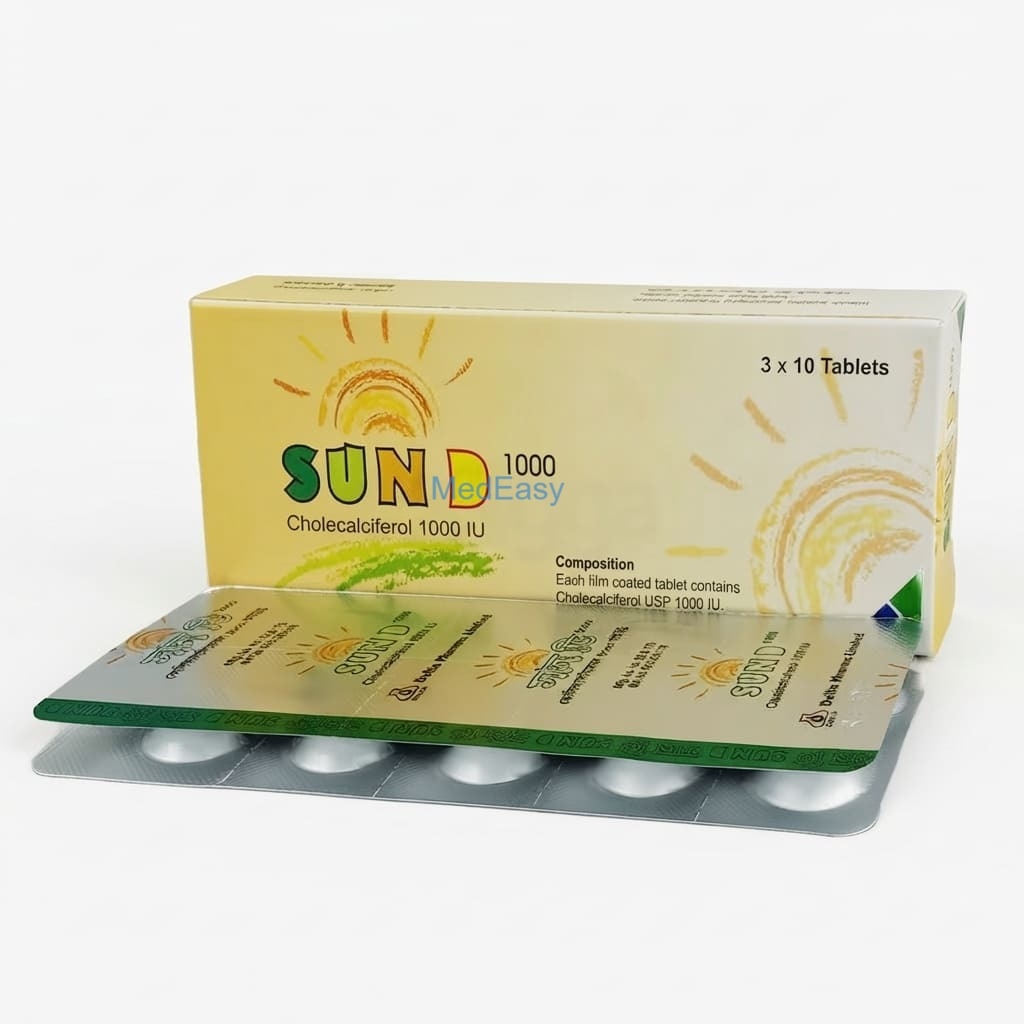
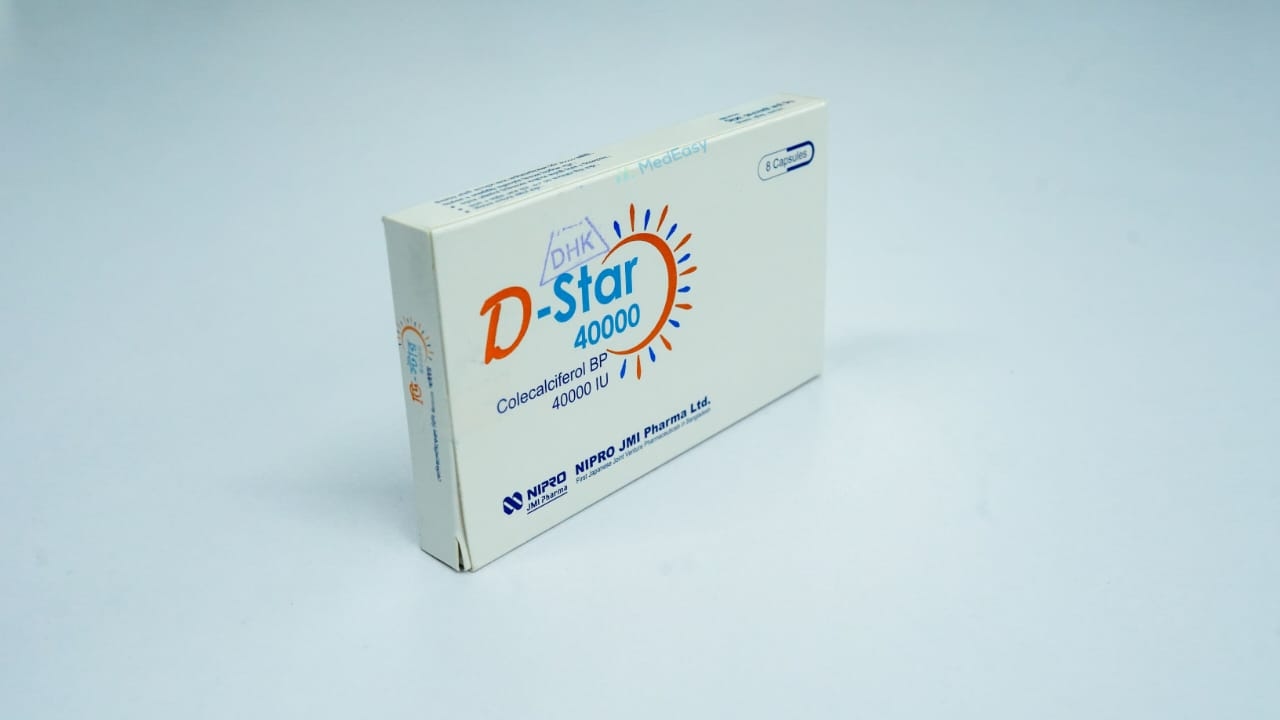
Generic medicine

Colecalciferol [Vitamin D3]: Brands, Price & Uses in Bangladesh

Colecalciferol [Vitamin D3] is a fat-soluble vitamin (vitamin D3) supplement used for the following indications: Established/approved uses Prevention and treatment of vitamin D deficiency and…

Forms:CapsuleTabletIM Injection

About Colecalciferol [Vitamin D3]

Indications of Colecalciferol [Vitamin D3]

Colecalciferol [Vitamin D3] is a fat-soluble vitamin (vitamin D3) supplement used for the following indications:

Established/approved uses

  • Prevention and treatment of vitamin D deficiency and insufficiency in infants, children, adults, and the elderly.
  • Prevention and treatment of nutritional rickets in children and osteomalacia in adults.
  • Adjunct (together with calcium) in the prevention and management of osteoporosis, particularly in postmenopausal women and elderly patients at risk of bone loss.

Guideline-supported / adjunct uses

  • Supportive therapy in hypoparathyroidism and certain forms of renal osteodystrophy, usually as an adjunct to other agents and under specialist supervision.
  • Correction of vitamin D deficiency in malabsorption syndromes (e.g. celiac disease, inflammatory bowel disease, post-bariatric surgery) as part of overall nutritional management.

Colecalciferol [Vitamin D3] is not an antibiotic and has no role in treating infections.

Dosage & Administration of Colecalciferol [Vitamin D3]

Dosing of Colecalciferol [Vitamin D3] varies widely by indication, age, baseline vitamin D status, and product strength (which ranges from low-dose daily tablets/drops to high-dose weekly or monthly capsules and injections). Always follow the specific product's labeled strength and the prescriber's instructions.

IndicationTypical adult doseTypical pediatric dose
Vitamin D deficiency (treatment)e.g. 40,000-50,000 IU once weekly for 6-8 weeks, then reassess; or as prescribed based on serum 25(OH)D levelWeight/age-based regimens under specialist guidance, e.g. 20,000 IU every 2 weeks for children 12-18 years, or lower-strength drops in infants/young children
Maintenance / prevention of deficiency400-2,000 IU daily, or 20,000 IU every 4-6 weeks depending on product400 IU daily in infants; 600 IU daily in older children, per pediatric guidance
Osteoporosis (adjunct with calcium)800-2,000 IU daily, or a higher-strength monthly dose as directedNot applicable
Rickets/osteomalacia (treatment)As directed by physician, often higher-dose regimens with monitoringAs directed by pediatrician, weight-based

See Dosage and Administration sub-fields for a quick dose summary and route-specific instructions. See Contraindications and Precautions and Warnings before starting high-dose regimens.

Side Effects of Colecalciferol [Vitamin D3]

At recommended doses, Colecalciferol [Vitamin D3] is generally well tolerated. Reported adverse effects include:

  • Gastrointestinal: nausea, vomiting, abdominal pain/cramping, constipation, decreased appetite.
  • General: headache, fatigue, mild allergic reactions (rash, pruritus) rarely.

With excessive or prolonged high-dose use, hypercalcemia can occur (see Overdose Effects and Precautions and Warnings for details and symptoms) — this is a dose-related toxicity rather than a typical side effect at recommended intake.

Contraindications of Colecalciferol [Vitamin D3]

Colecalciferol [Vitamin D3] is contraindicated in:

  • Known hypersensitivity to cholecalciferol or any excipient in the product.
  • Hypercalcemia.
  • Evidence of vitamin D toxicity (hypervitaminosis D).

Frequently Asked Questions about Colecalciferol [Vitamin D3]

What is Colecalciferol [Vitamin D3] used for?

Colecalciferol [Vitamin D3] is used to prevent and treat vitamin D deficiency and insufficiency, to prevent and treat rickets in children and osteomalacia in adults, and as an adjunct with calcium in the prevention and management of osteoporosis.

Can I take Colecalciferol [Vitamin D3] every day, or only weekly?

It depends on the product strength and your doctor's instructions. Some Colecalciferol [Vitamin D3] products are low-strength tablets or drops meant to be taken daily, while others are high-strength capsules meant to be taken once weekly or once monthly for deficiency treatment. Always follow the specific dosing schedule on your prescription or product label.

Is Colecalciferol [Vitamin D3] safe during pregnancy and breastfeeding?

At recommended dietary allowance doses, Colecalciferol [Vitamin D3] is generally considered safe in pregnancy and breastfeeding and is often recommended. Doses above the recommended allowance should only be used if clearly needed and as directed by a physician, since safety data at higher doses are more limited.

What happens if I take too much Colecalciferol [Vitamin D3]?

Taking too much Colecalciferol [Vitamin D3], especially over a prolonged period, can cause vitamin D toxicity with hypercalcemia (high blood calcium), leading to symptoms such as nausea, vomiting, weakness, confusion, excessive thirst/urination, and kidney problems. If overdose is suspected, stop the product and seek immediate medical attention or contact a poison control center.

Who should not take Colecalciferol [Vitamin D3]?

Colecalciferol [Vitamin D3] should not be used by people with known hypersensitivity to cholecalciferol, existing hypercalcemia, or evidence of vitamin D toxicity. It should also be used with caution and medical supervision in people with granulomatous diseases (like sarcoidosis or tuberculosis), certain lymphomas, or kidney disease, due to increased risk of hypercalcemia.

Does Colecalciferol [Vitamin D3] interact with other medicines?

Yes. Colecalciferol [Vitamin D3] can interact with thiazide diuretics and digoxin (increased risk of high calcium and, with digoxin, arrhythmia), with certain anticonvulsants and corticosteroids (reduced effectiveness), and with cholestyramine, orlistat, or mineral oil (reduced absorption). Tell your doctor about all medicines you take before starting Colecalciferol [Vitamin D3].

Disclaimer

The information provided is accurate to the best of our knowledge, but it does not replace professional medical advice. We cannot guarantee its completeness or accuracy, and the absence of specific information about a drug should not be taken as an endorsement. We are not responsible for any consequences arising from this information, so please consult a healthcare professional for any concerns or questions.

DoctorBlogArticles