Generic medicine

Hydroxyzine Hydrochloride: Brands, Price & Uses in Bangladesh

Hydroxyzine Hydrochloride is an established first-generation antihistamine (piperazine derivative) used for the following FDA-approved and guideline-supported indications: Anxiety and tension:…

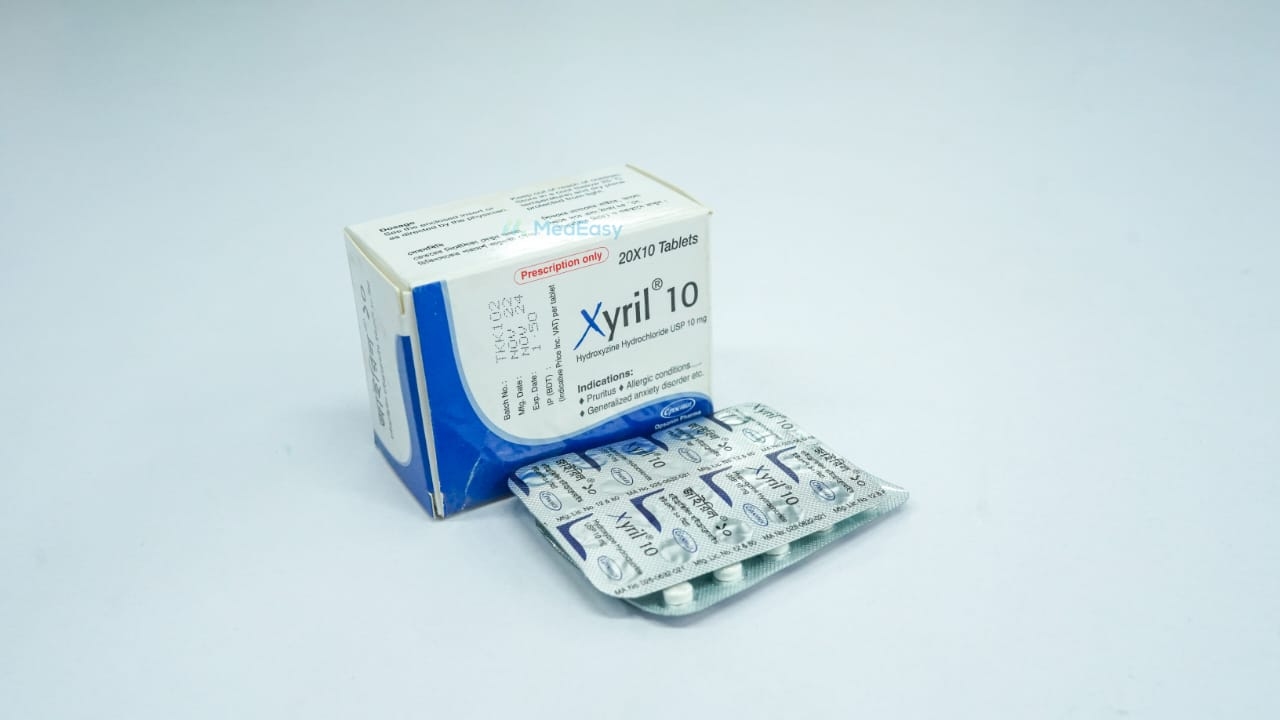
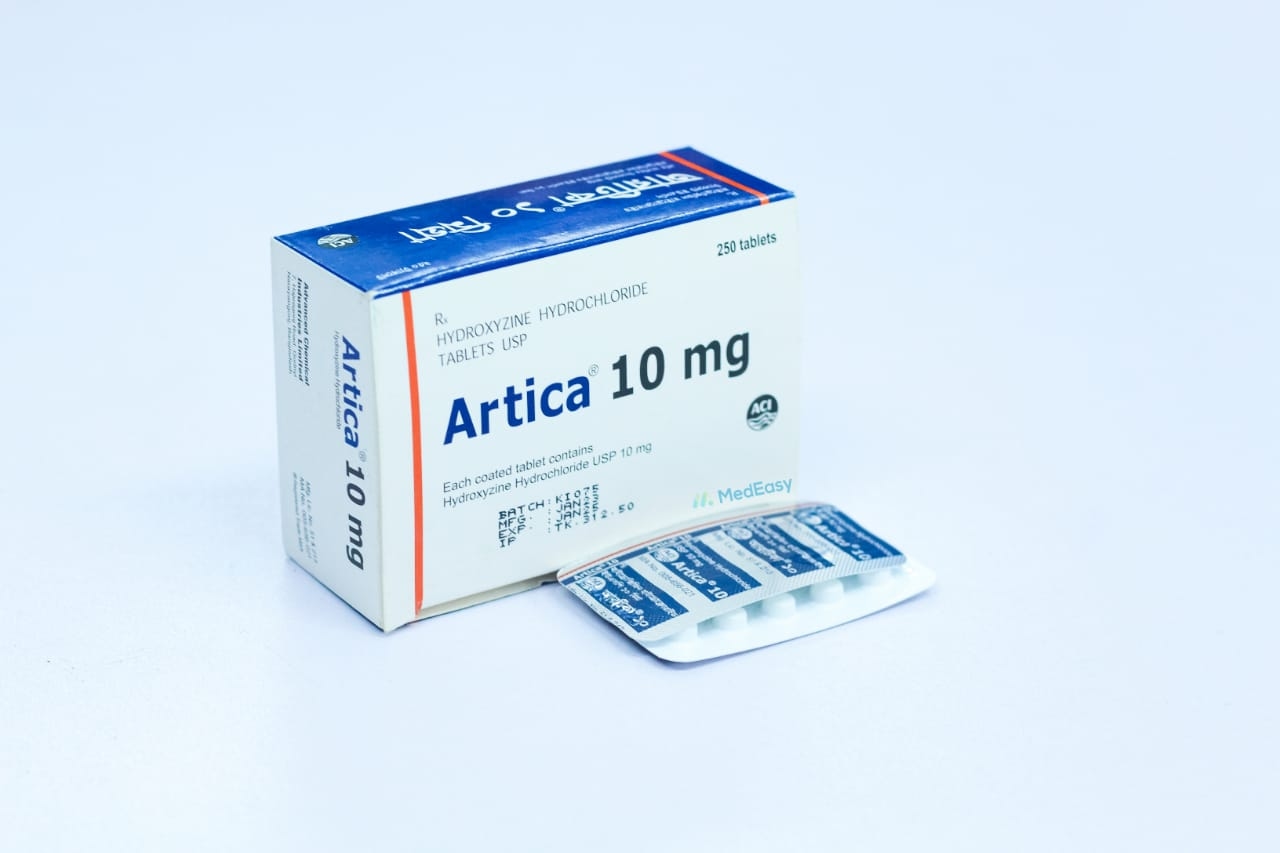
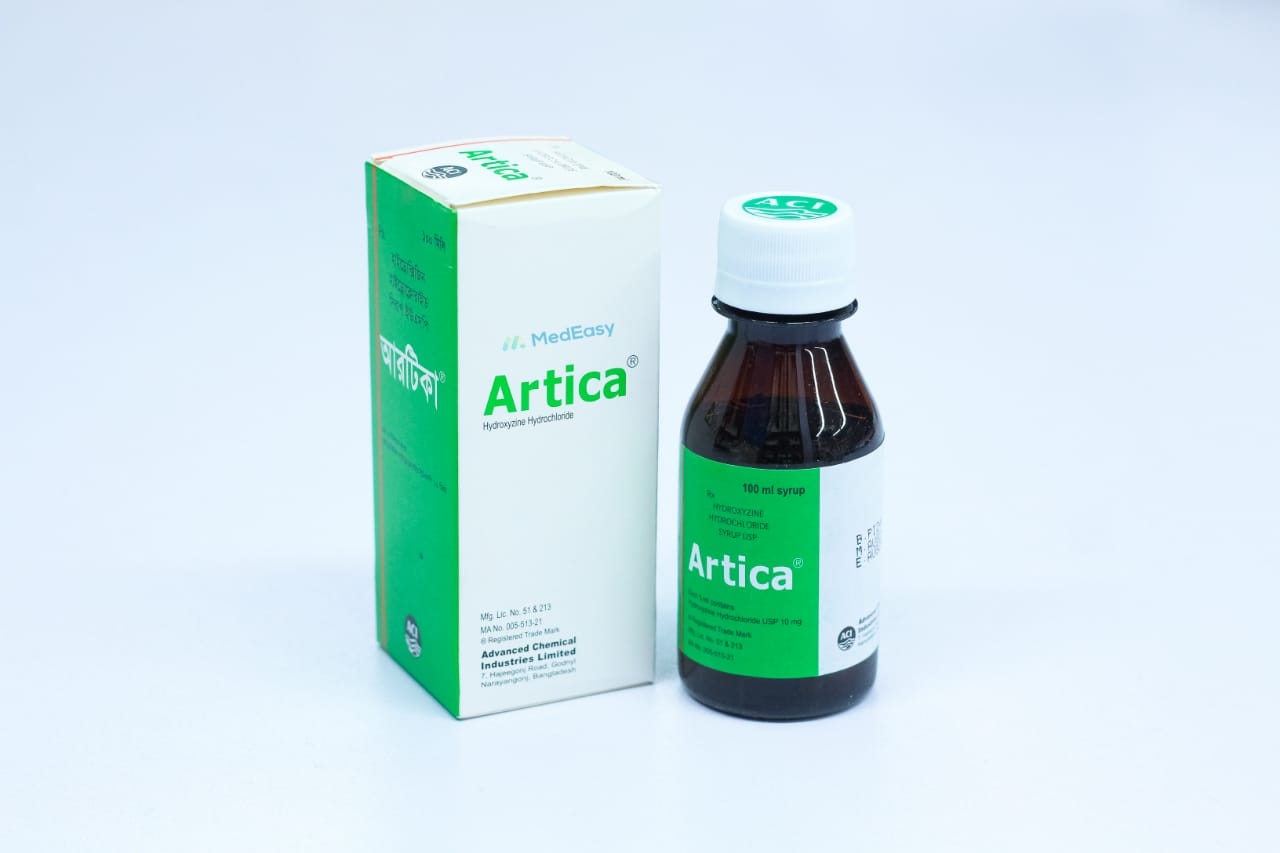
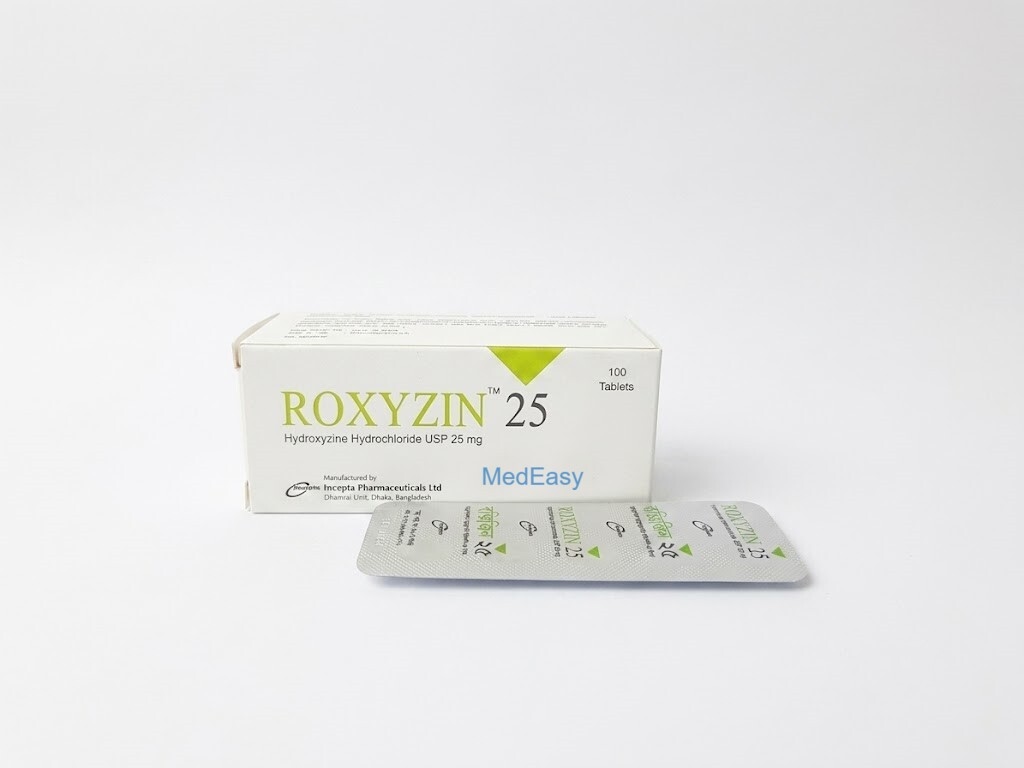
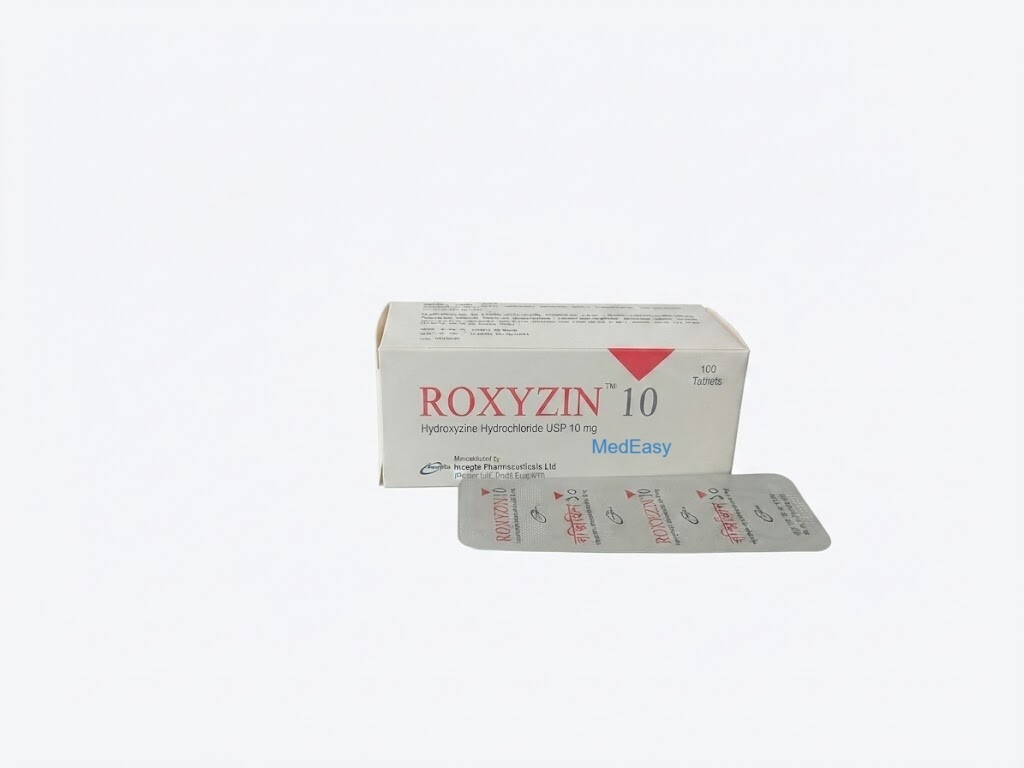
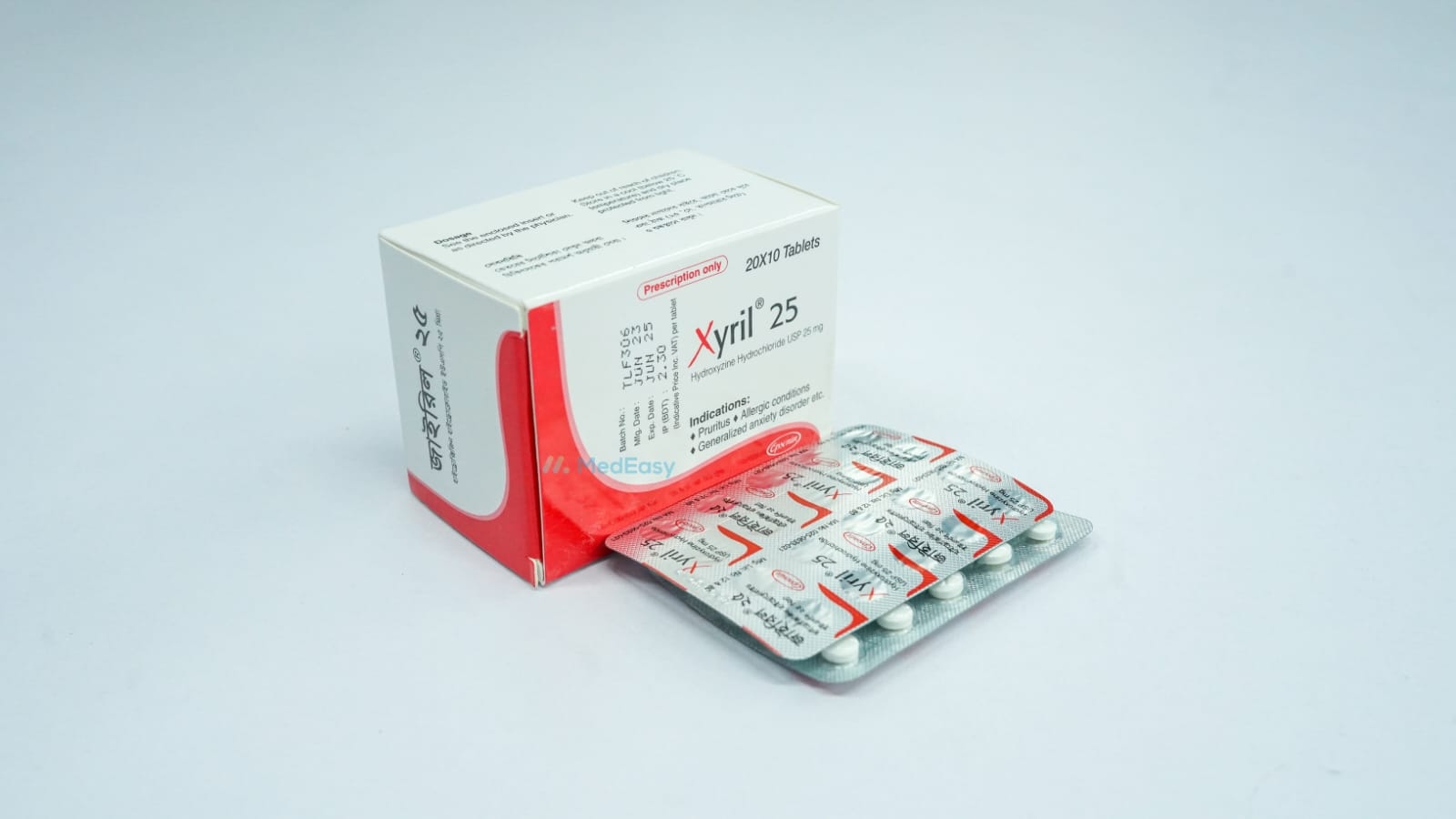
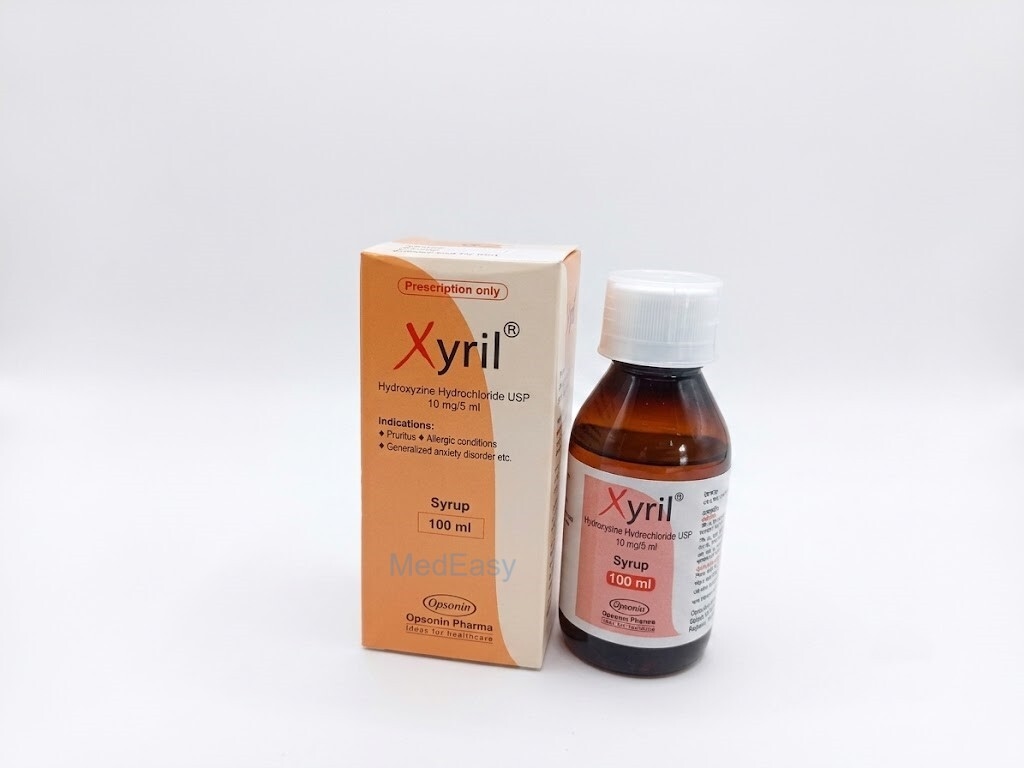
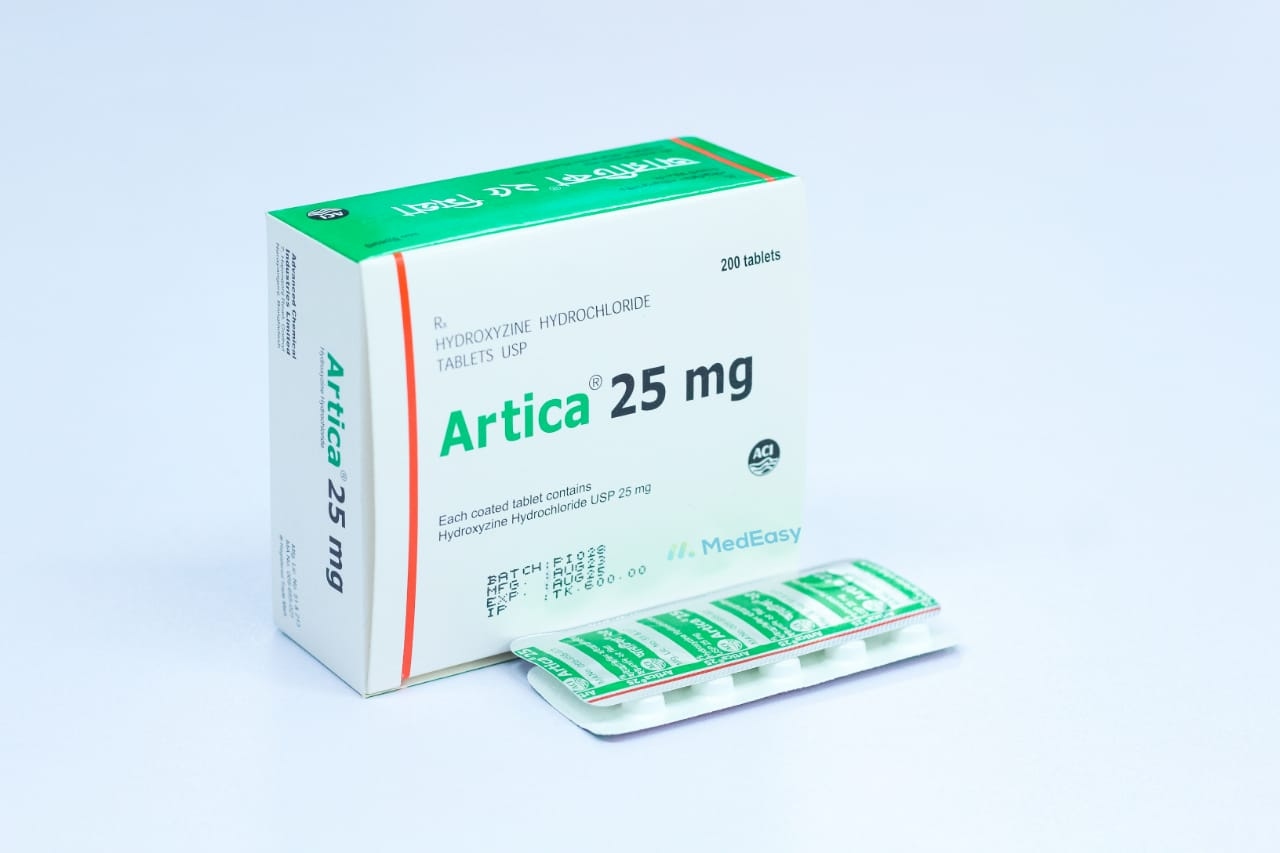
Forms:TabletSyrup

About Hydroxyzine Hydrochloride

Indications of Hydroxyzine Hydrochloride

Hydroxyzine Hydrochloride is an established first-generation antihistamine (piperazine derivative) used for the following FDA-approved and guideline-supported indications:

  • Anxiety and tension: Symptomatic management of anxiety and tension associated with psychoneurosis, as an adjunct in organic disease states in which anxiety is a component (established/FDA-approved use).
  • Pruritus: Management of pruritus due to allergic conditions such as chronic urticaria and atopic or contact dermatitis (established/FDA-approved use).
  • Sedation/premedication: As a sedative before and after general anesthesia, and to help control emesis associated with these conditions (established/FDA-approved use).

Hydroxyzine Hydrochloride is not indicated for long-term, standalone treatment of generalized anxiety disorder as a substitute for guideline-preferred agents, and is not a first-line antihistamine for routine allergic rhinitis where less sedating agents are generally preferred.

Dosage & Administration of Hydroxyzine Hydrochloride

Adults

IndicationDose
Anxiety and tension50-100 mg by mouth 4 times daily
Pruritus (allergic conditions)25 mg by mouth 3-4 times daily
Sedation (pre/post-operative)50-100 mg as a single dose

Pediatric Patients

Age/WeightDose
Children under 6 yearsUp to 50 mg per day in divided doses
Children 6 years and older50-100 mg per day in divided doses
Premedication (sedation)0.6 mg/kg body weight

Hydroxyzine Hydrochloride should be taken exactly as prescribed by a physician; the dose and duration should be individualized based on age, indication, and response, and should not be adjusted without medical advice. It may be taken with or without food; taking with food may reduce stomach upset.

Side Effects of Hydroxyzine Hydrochloride

The most common side effect of Hydroxyzine Hydrochloride is:

  • Somnolence/drowsiness (very common, dose-related)
  • Dry mouth
  • Dizziness
  • Headache

Less common but clinically important effects include anticholinergic effects at higher doses (blurred vision, constipation, urinary retention), hypotension, palpitations, and rarely, QT prolongation and arrhythmias (including torsades de pointes), which is a well-recognized, drug-specific safety signal for Hydroxyzine Hydrochloride (see Precautions and Warnings). Hypersensitivity reactions, including rash and, rarely, angioedema, have also been reported.

Contraindications of Hydroxyzine Hydrochloride

Hydroxyzine Hydrochloride is contraindicated in:

  • Patients with known hypersensitivity to hydroxyzine, cetirizine, levocetirizine, or any component of the formulation.
  • Patients with a known prolonged QT interval, given the well-established risk of QT prolongation and torsades de pointes associated with Hydroxyzine Hydrochloride, particularly at higher doses.
  • Early pregnancy, based on historical animal teratogenicity data (see Pregnancy and Lactation).

Frequently Asked Questions about Hydroxyzine Hydrochloride

What is Hydroxyzine Hydrochloride used for?

Hydroxyzine Hydrochloride is used for the symptomatic relief of anxiety and tension, for managing itching (pruritus) caused by allergic conditions such as urticaria, and as a sedative before and after general anesthesia.

Can Hydroxyzine Hydrochloride cause heart problems?

Yes. Hydroxyzine Hydrochloride has a well-established, dose-related risk of prolonging the QT interval on the heart's electrical rhythm, which can rarely lead to serious arrhythmias such as torsades de pointes. It should be avoided in patients with a known prolonged QT interval or those taking other QT-prolonging medications, and used cautiously in anyone with cardiac risk factors.

Is it safe to take Hydroxyzine Hydrochloride during pregnancy?

Hydroxyzine Hydrochloride should generally be avoided, particularly in early pregnancy, due to historical animal data suggesting a risk of fetal abnormalities and a lack of adequate human safety data. It should only be used in pregnancy if clearly needed and if the potential benefit outweighs the potential risk, and only under a physician's guidance.

Can I drive or operate machinery after taking Hydroxyzine Hydrochloride?

Hydroxyzine Hydrochloride commonly causes drowsiness and sedation. Patients should avoid driving or operating machinery until they know how the medication affects them, and should avoid alcohol and other sedating medications while taking it.

What should I do if I take too much Hydroxyzine Hydrochloride?

An overdose of Hydroxyzine Hydrochloride can cause excessive sedation, tremors, seizures, or heart rhythm problems. If an overdose is suspected, seek immediate medical attention or contact a poison control center or emergency services right away; do not attempt to treat an overdose at home.

Can children take Hydroxyzine Hydrochloride?

Yes, Hydroxyzine Hydrochloride can be used in children for approved indications such as itching and pre-procedure sedation, using age- and weight-based dosing determined by a physician. Younger children may be more sensitive to its sedative and anticholinergic effects, so use should be closely supervised.

Disclaimer

The information provided is accurate to the best of our knowledge, but it does not replace professional medical advice. We cannot guarantee its completeness or accuracy, and the absence of specific information about a drug should not be taken as an endorsement. We are not responsible for any consequences arising from this information, so please consult a healthcare professional for any concerns or questions.
DoctorBlogArticles