7% Off
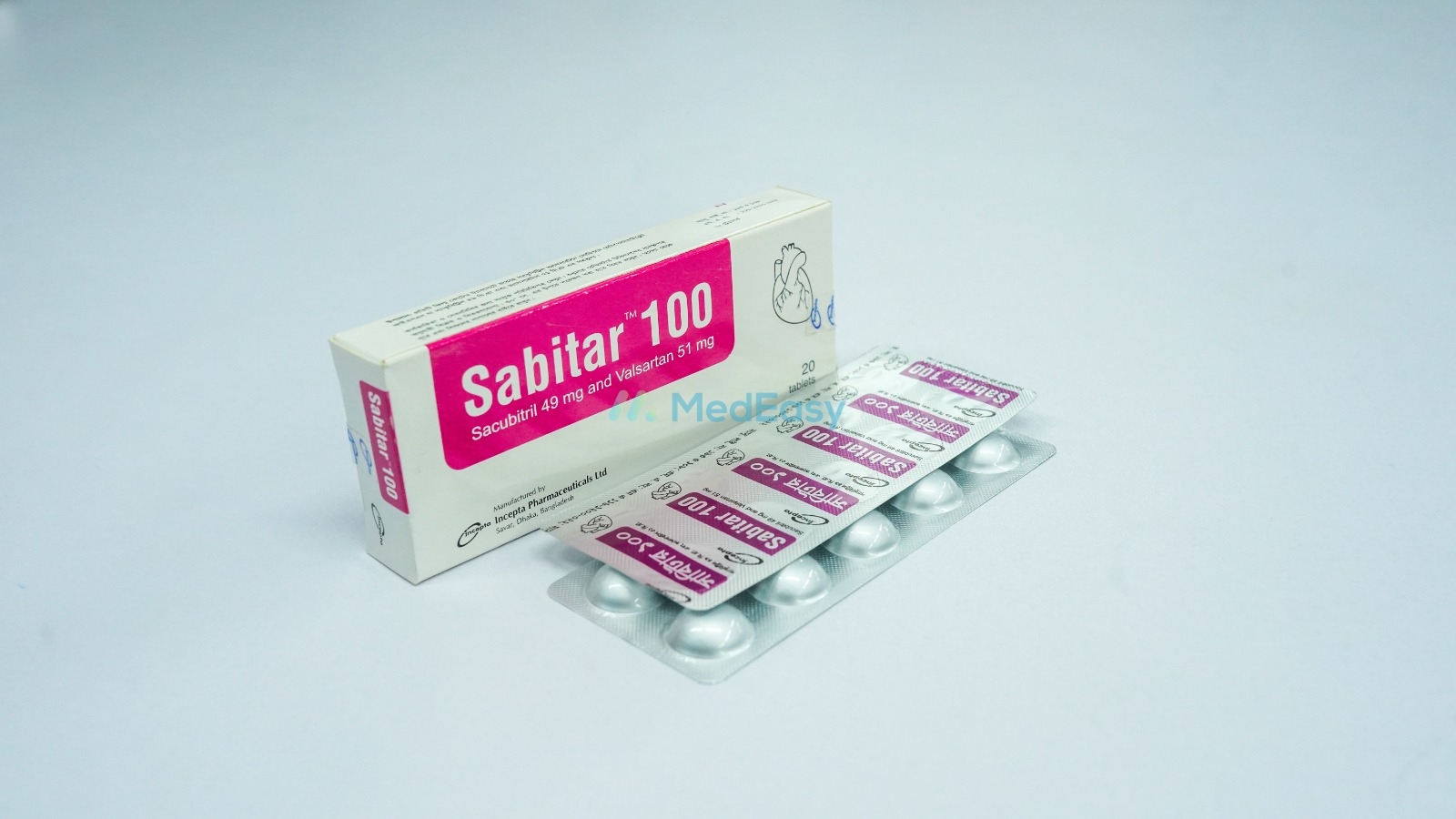
Sabitar100 mg
Incepta Pharmaceuticals Ltd.
৳511.50
Add to cart
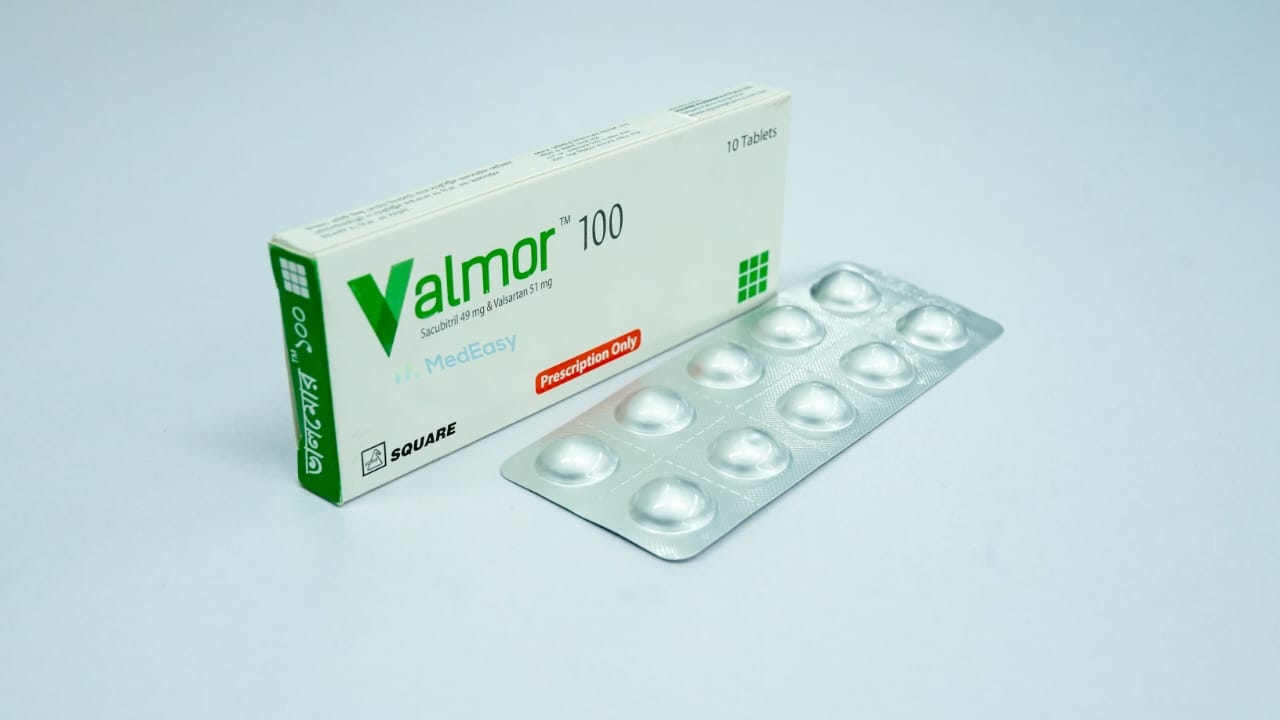
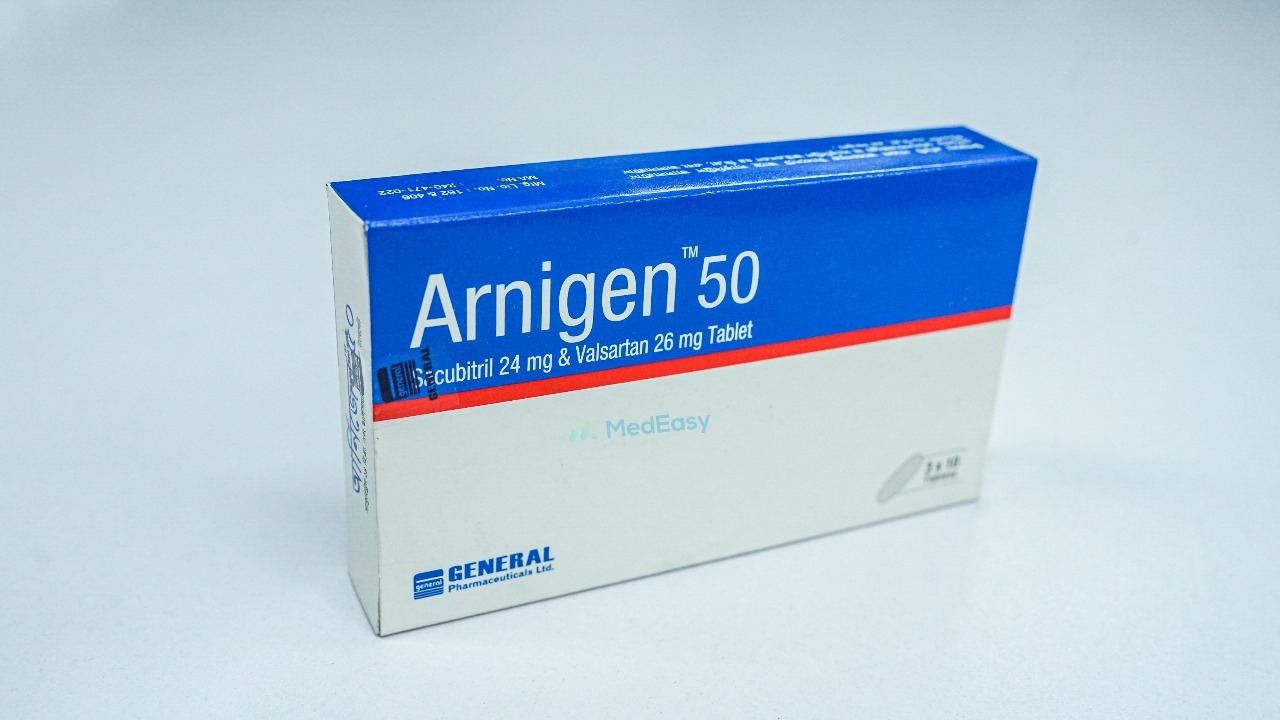
Sacubitril + Valsartan is a fixed-dose combination of a neprilysin inhibitor (sacubitril) and an angiotensin II receptor blocker (valsartan) and more.
Sacubitril + Valsartan is a fixed-dose combination of a neprilysin inhibitor (sacubitril) and an angiotensin II receptor blocker (valsartan), classified as an angiotensin receptor-neprilysin inhibitor (ARNI).
Sacubitril + Valsartan is not indicated in patients who are unable to tolerate an ACE inhibitor or ARB due to a history of angioedema, or in patients with severe hepatic impairment.
| Indication / Population | Dosing |
|---|---|
| Adults with heart failure - ACEI/ARB naive or on a low dose | Starting dose 24/26 mg (sacubitril/valsartan) orally twice daily; double the dose every 2-4 weeks as tolerated to the target maintenance dose of 97/103 mg twice daily. |
| Adults with heart failure - already on an established ACE inhibitor or ARB dose | Starting dose 49/51 mg orally twice daily (after the required washout period from an ACE inhibitor, see below); titrate every 2-4 weeks to the target of 97/103 mg twice daily as tolerated. |
| Switching from an ACE inhibitor | Discontinue the ACE inhibitor and wait at least 36 hours before starting Sacubitril + Valsartan, due to the risk of angioedema. |
| Severe renal impairment (eGFR <30 mL/min/1.73m²) | Starting dose 24/26 mg twice daily; titrate cautiously. |
| Moderate hepatic impairment (Child-Pugh B) | Starting dose 24/26 mg twice daily; titrate cautiously. |
| Pediatric patients (1 year and older) with symptomatic heart failure | Weight-based, individualized starting dose using tablets or oral pellet (sprinkle) formulation, with stepwise titration approximately every 2 weeks as tolerated, up to the maximum recommended dose for body weight, under specialist supervision. |
Sacubitril + Valsartan may be taken with or without food. Tablets should be swallowed whole with water.
The most commonly reported adverse reactions with Sacubitril + Valsartan (observed in large controlled trials) include:
Serious but less common: angioedema (potentially life-threatening; discontinue immediately if symptoms of swelling of the face, lips, tongue, glottis, larynx, or airway obstruction occur - see Precautions and Warnings), acute kidney injury, and severe hypotension leading to syncope.
Disclaimer
The information provided is accurate to the best of our knowledge, but it does not replace professional medical advice. We cannot guarantee its completeness or accuracy, and the absence of specific information about a drug should not be taken as an endorsement. We are not responsible for any consequences arising from this information, so please consult a healthcare professional for any concerns or questions.