Generic medicine

Sodium Picosulfate: Brands, Price & Uses in Bangladesh

Sodium Picosulfate is a stimulant laxative used in the following situations: Established / Approved Uses Short-term treatment of constipation (occasional or chronic constipation of various causes)…

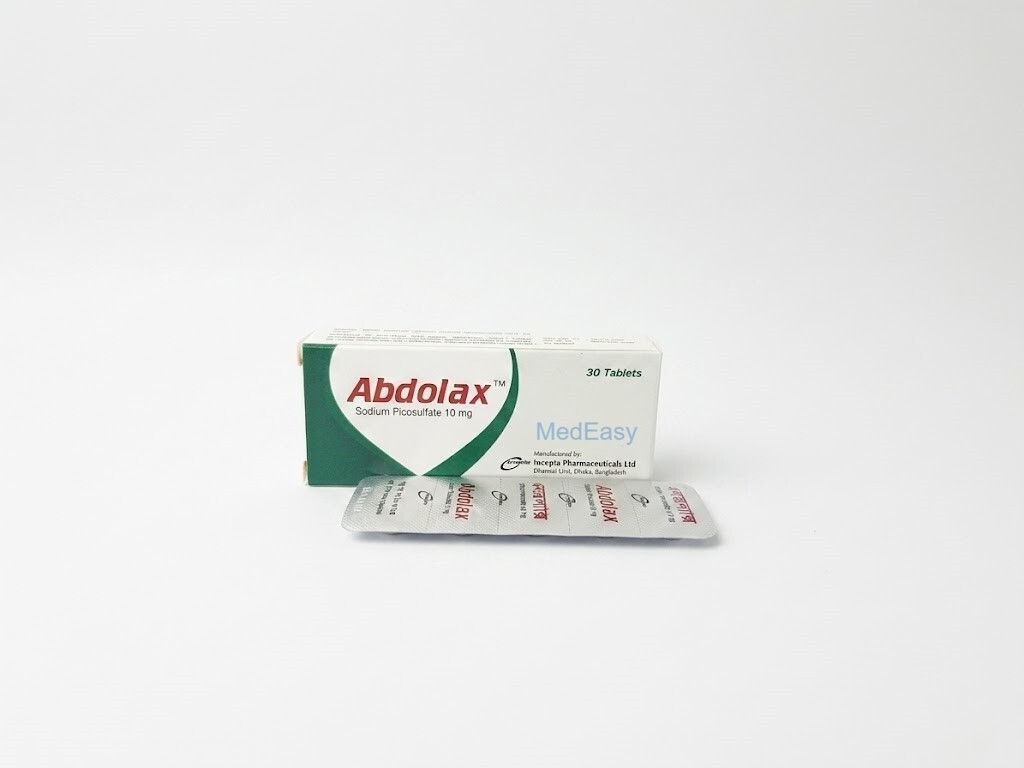
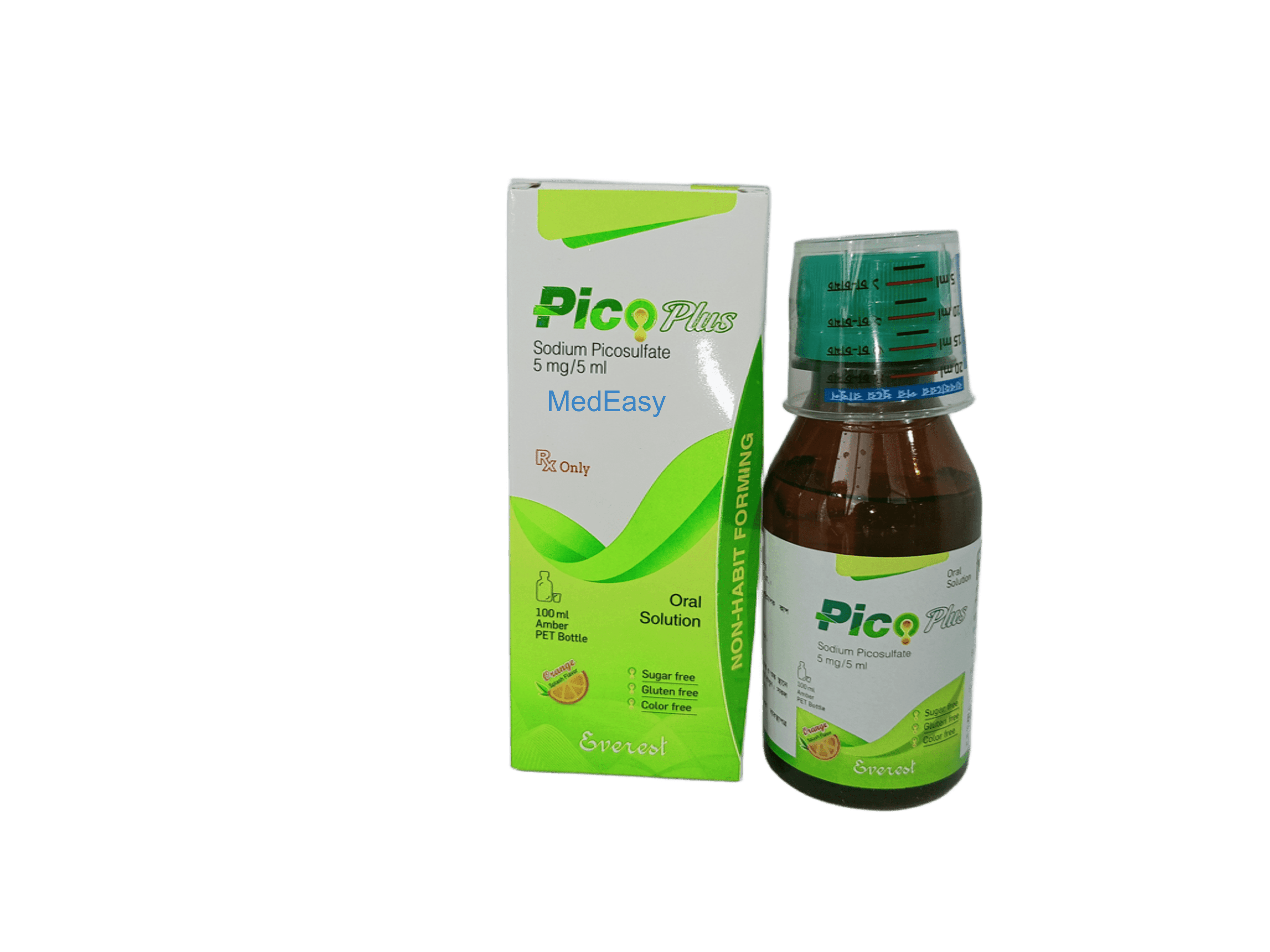
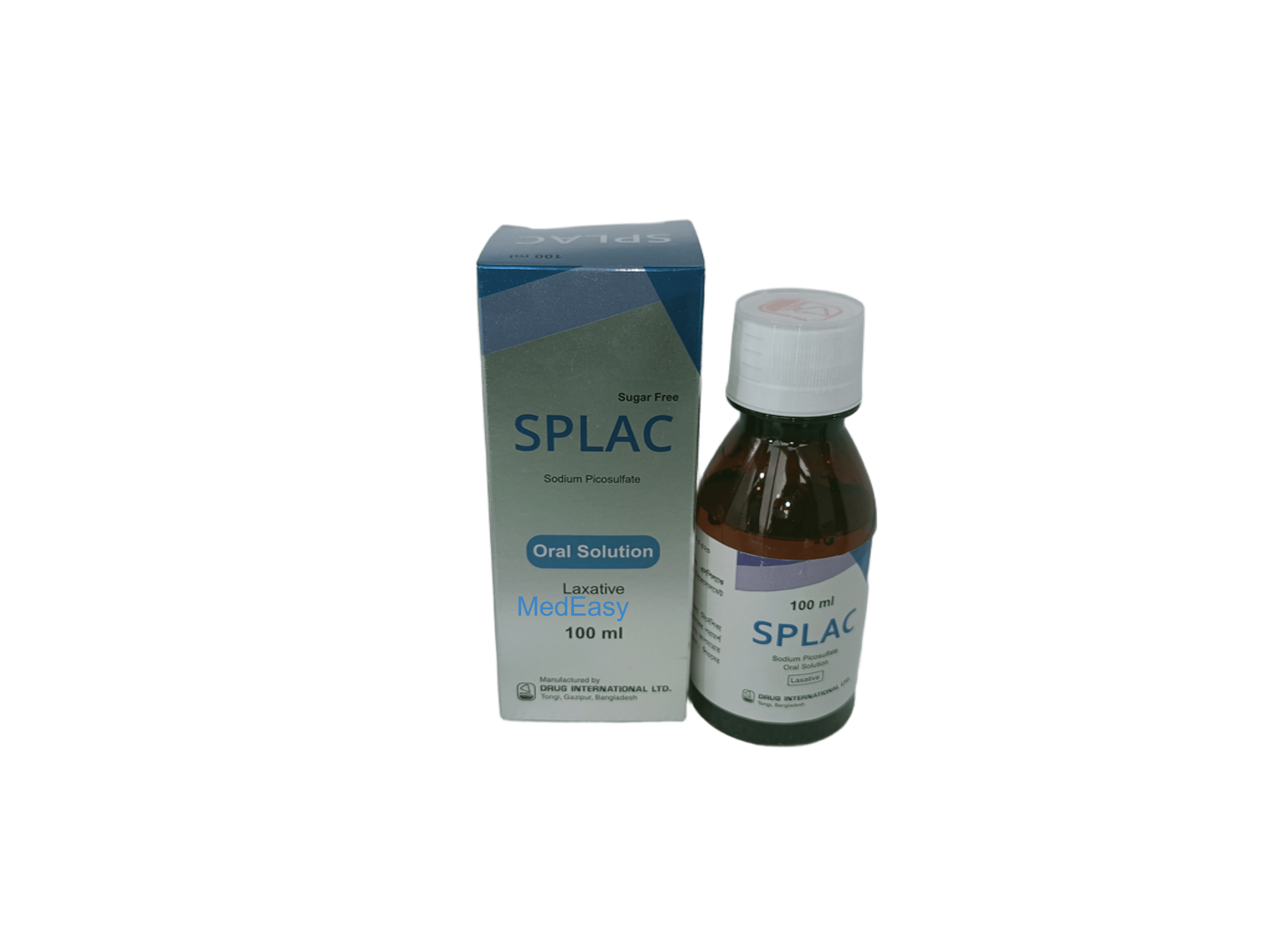
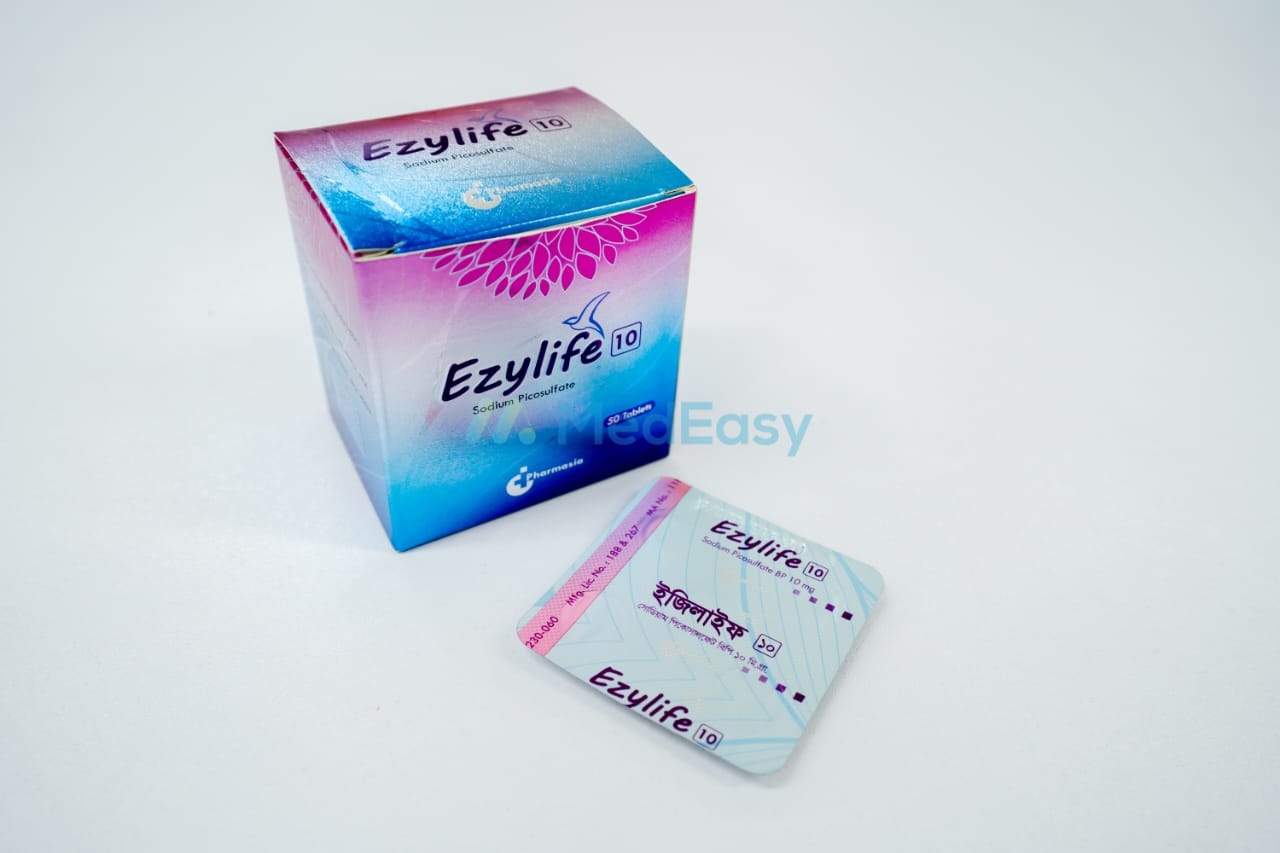
Forms:TabletOral Solution

About Sodium Picosulfate

Indications of Sodium Picosulfate

Sodium Picosulfate is a stimulant laxative used in the following situations:

Established / Approved Uses

  • Short-term treatment of constipation (occasional or chronic constipation of various causes) when dietary and lifestyle measures are insufficient.
  • Bowel cleansing (bowel preparation) prior to colonoscopy, other radiologic/endoscopic investigations, or abdominal/pelvic surgery, so that the bowel is empty and visualization/operative conditions are adequate.

Combination-Therapy Use

  • For full bowel cleansing before colonoscopy, Sodium Picosulfate is frequently combined with an osmotic agent such as magnesium citrate or magnesium oxide with citric acid (e.g. in fixed-dose bowel-prep kits); the split-dose regimen (evening before and morning of the procedure) gives the best cleansing.

Sodium Picosulfate is not intended for routine, long-term management of constipation; if constipation persists beyond a few days despite use, a physician should be consulted to evaluate for an underlying cause.

Dosage & Administration of Sodium Picosulfate

For Constipation (Adults and Children Over 10 Years)

5-10 mg (one to two 5 mg tablets, or the equivalent oral solution) taken once daily at bedtime. The dose may be adjusted by a physician within this range to achieve a comfortable bowel movement; the lowest effective dose should be used.

For Constipation (Children 4-10 Years)

2.5-5 mg once daily, under medical supervision.

For Constipation (Infants and Young Children, 1 Month-4 Years)

Approximately 0.25 mg/kg body weight once daily, only under direct medical supervision.

Bowel Preparation Before Colonoscopy/Surgery (Adults)

RegimenTypical Dosing
Split-dose bowel prepSodium Picosulfate combination sachet dissolved in water, one dose the evening before and one dose the morning of the procedure, each followed by additional clear fluids, as directed by the prescribing physician/endoscopy unit protocol.

Administration: Tablets/drops are taken orally, typically at night, usually with or without food as directed. Bowel-preparation formulations should be mixed and taken exactly as instructed by the physician or procedure-specific protocol, with adequate additional fluid intake to prevent dehydration.

Side Effects of Sodium Picosulfate

Common and important adverse effects associated with Sodium Picosulfate include:

  • Abdominal cramping and pain
  • Diarrhea and loose stools
  • Nausea and vomiting
  • Bloating and flatulence
  • Dizziness or, rarely, syncope (fainting), particularly with vigorous bowel preparation
  • Electrolyte disturbances (e.g. hypokalemia, hyponatremia) and dehydration, especially with the higher doses used for bowel cleansing
  • Hypersensitivity reactions (rash, pruritus; rarely angioedema) — uncommon

Electrolyte disturbances and dehydration are of particular concern with bowel-preparation doses; patients should drink adequate clear fluids and seek medical attention for severe or persistent symptoms (e.g. marked weakness, palpitations, reduced urination, confusion).

Contraindications of Sodium Picosulfate

Sodium Picosulfate is contraindicated in patients with:

  • Known hypersensitivity to Sodium Picosulfate or any component of the formulation.
  • Intestinal obstruction or ileus.
  • Gastrointestinal perforation, or known/suspected acute surgical abdominal conditions (e.g. appendicitis) presenting with abdominal pain, nausea, or vomiting.
  • Severe inflammatory bowel disease (e.g. severe ulcerative colitis, Crohn's disease) or toxic megacolon.
  • Severe dehydration.
  • Active gastrointestinal bleeding.

Frequently Asked Questions about Sodium Picosulfate

What is Sodium Picosulfate used for?

Sodium Picosulfate is used to relieve short-term or occasional constipation, and at higher doses it is used to clean out the bowel before a colonoscopy or certain surgical or radiological procedures.

How should I take Sodium Picosulfate for constipation?

For constipation, Sodium Picosulfate is usually taken once daily at bedtime, with the dose depending on age (adults/children over 10: 5-10 mg; children 4-10 years: 2.5-5 mg; infants/young children: weight-based dosing under medical supervision). Always follow your physician's or pharmacist's instructions.

Can Sodium Picosulfate be used for a long time?

No. Sodium Picosulfate is intended for short-term or occasional use only. Using it for a prolonged period can cause laxative dependence and electrolyte imbalance. If constipation continues for more than a few days, consult a physician.

Is Sodium Picosulfate safe during pregnancy or breastfeeding?

Sodium Picosulfate should be avoided in the first trimester of pregnancy and used later in pregnancy only if clearly needed and advised by a physician. In breastfeeding, short-term use at usual doses is generally considered acceptable since the drug is not significantly excreted in breast milk, but you should consult your physician before use.

Who should not take Sodium Picosulfate?

Sodium Picosulfate should not be used by anyone with a known allergy to it, intestinal obstruction or ileus, gastrointestinal perforation or an acute surgical abdomen, severe inflammatory bowel disease or toxic megacolon, severe dehydration, or active gastrointestinal bleeding.

What should I do if I take too much Sodium Picosulfate?

An overdose of Sodium Picosulfate can cause severe cramping, diarrhea, and dehydration or electrolyte imbalance. Seek immediate medical attention or contact a poison control center if an overdose is suspected.

Disclaimer

The information provided is accurate to the best of our knowledge, but it does not replace professional medical advice. We cannot guarantee its completeness or accuracy, and the absence of specific information about a drug should not be taken as an endorsement. We are not responsible for any consequences arising from this information, so please consult a healthcare professional for any concerns or questions.
DoctorBlogArticles