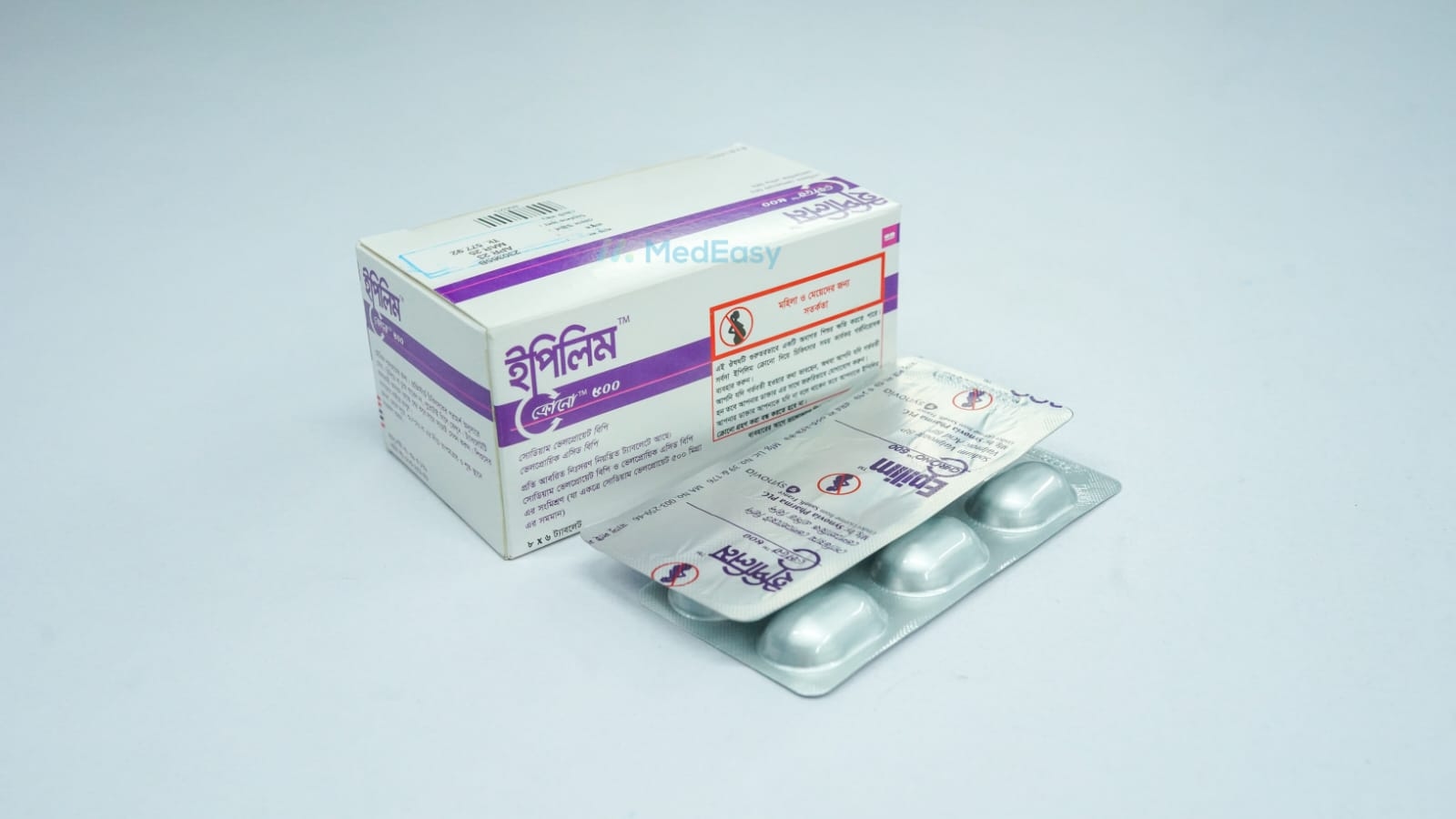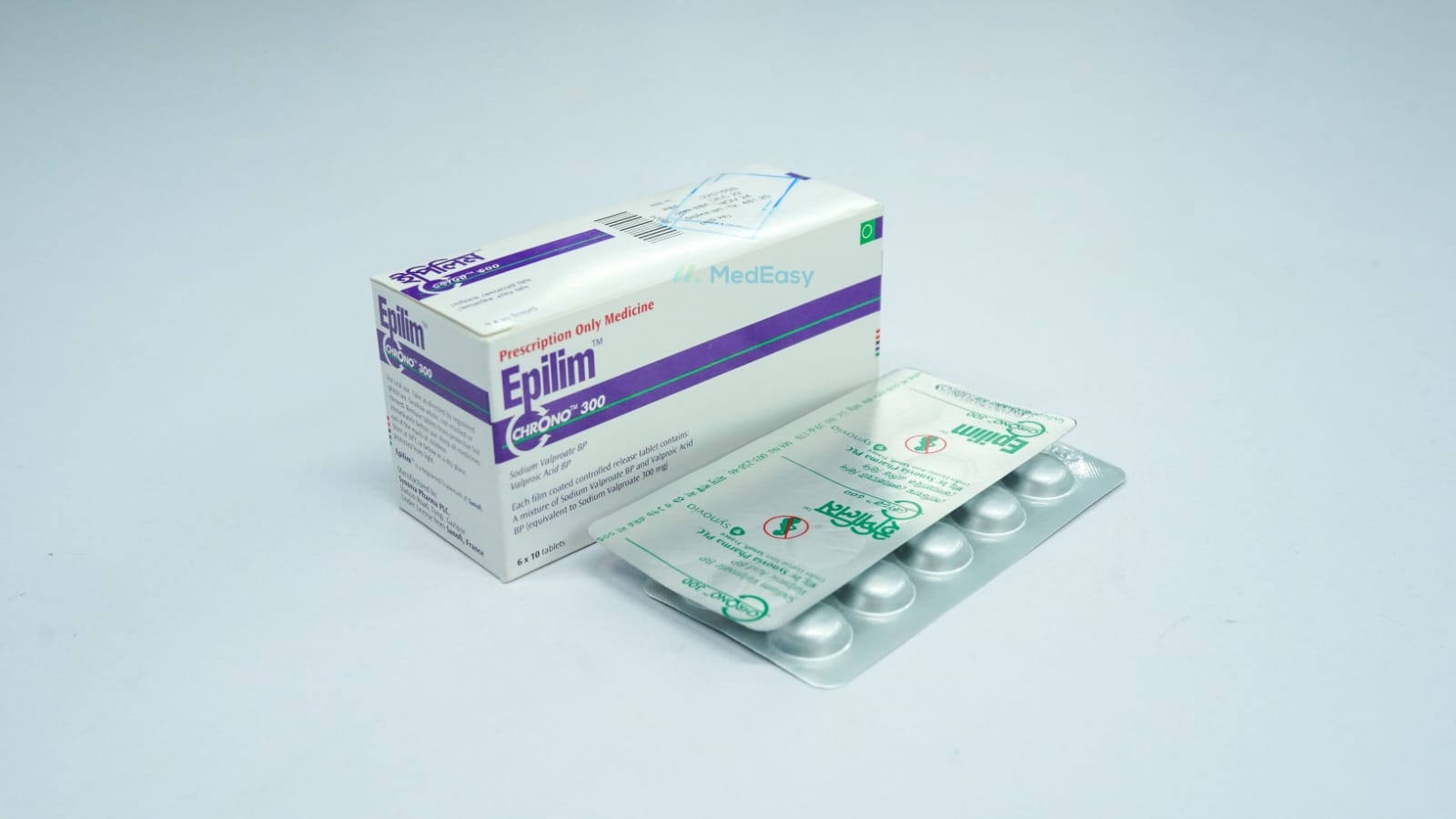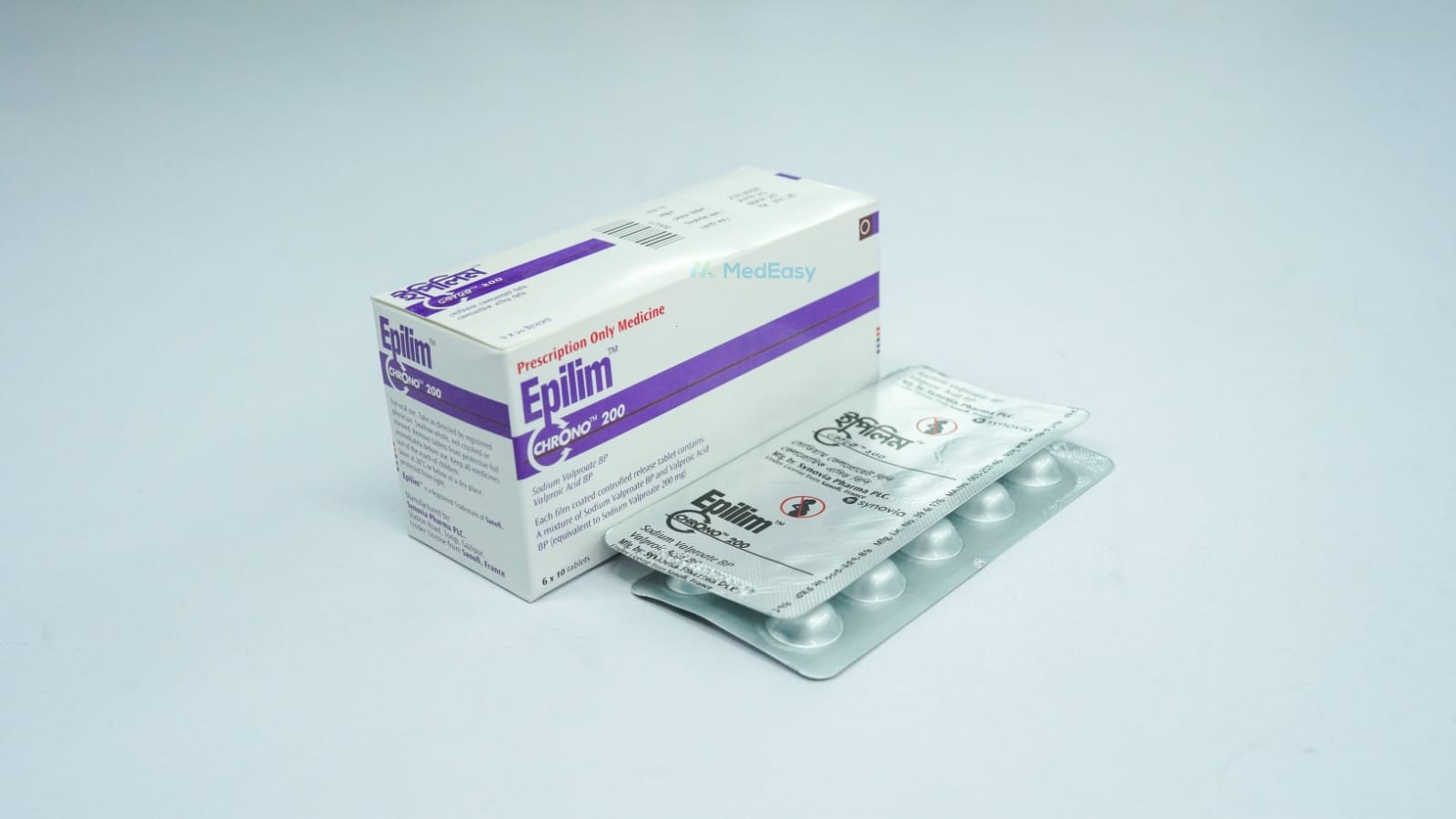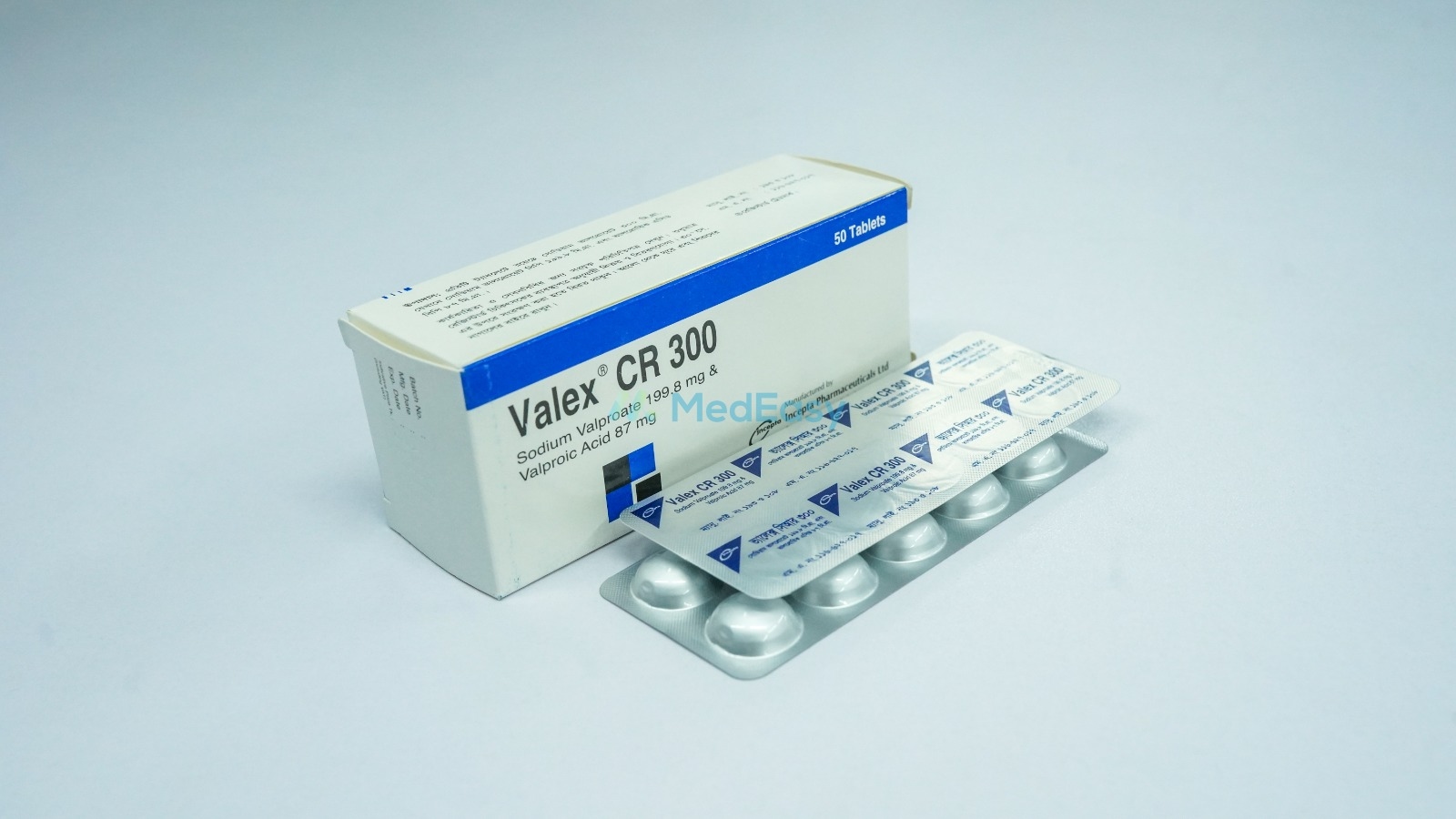
Generic medicine

Sodium Valproate + Valproic Acid: Brands, Price & Uses in Bangladesh

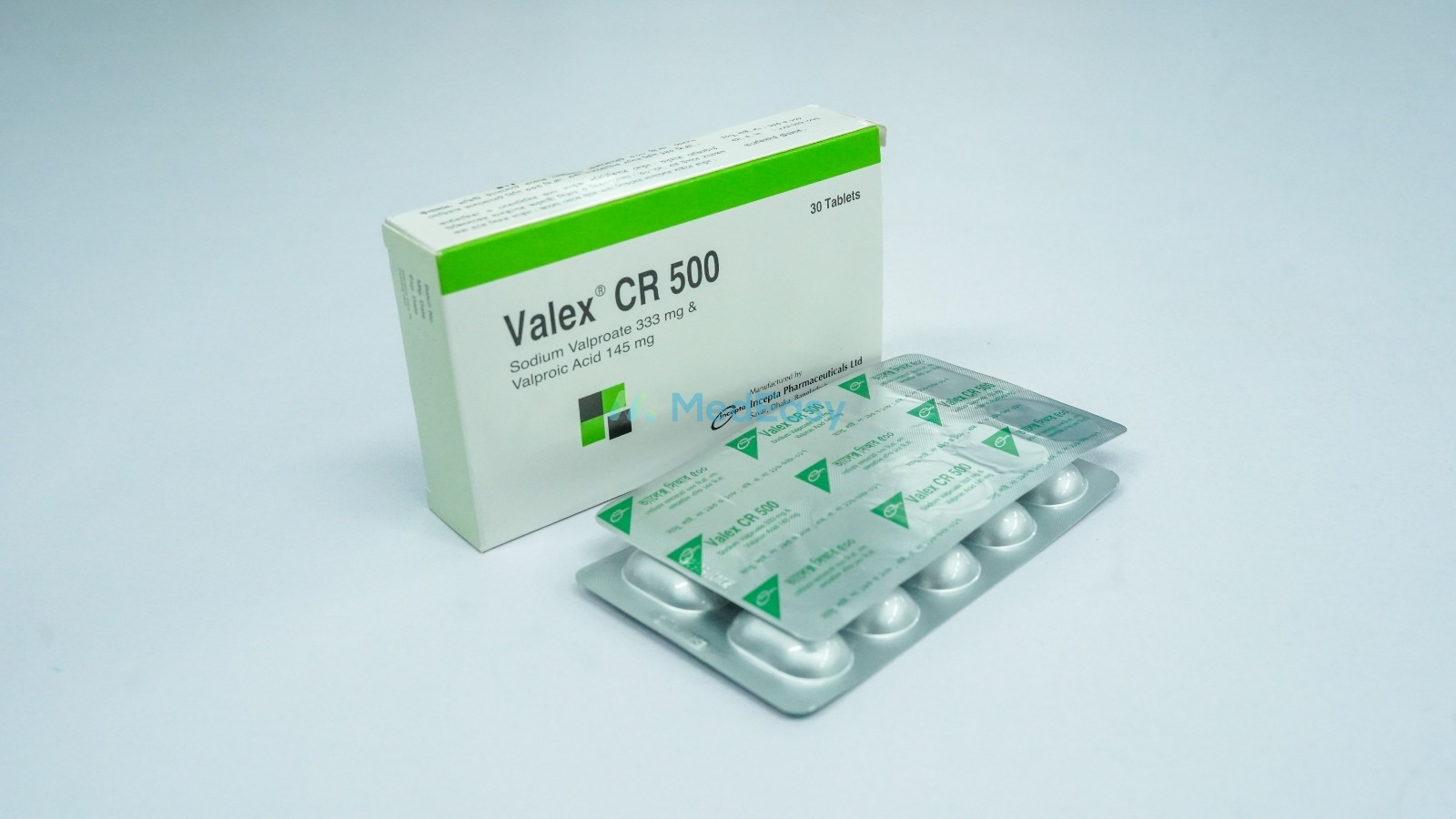
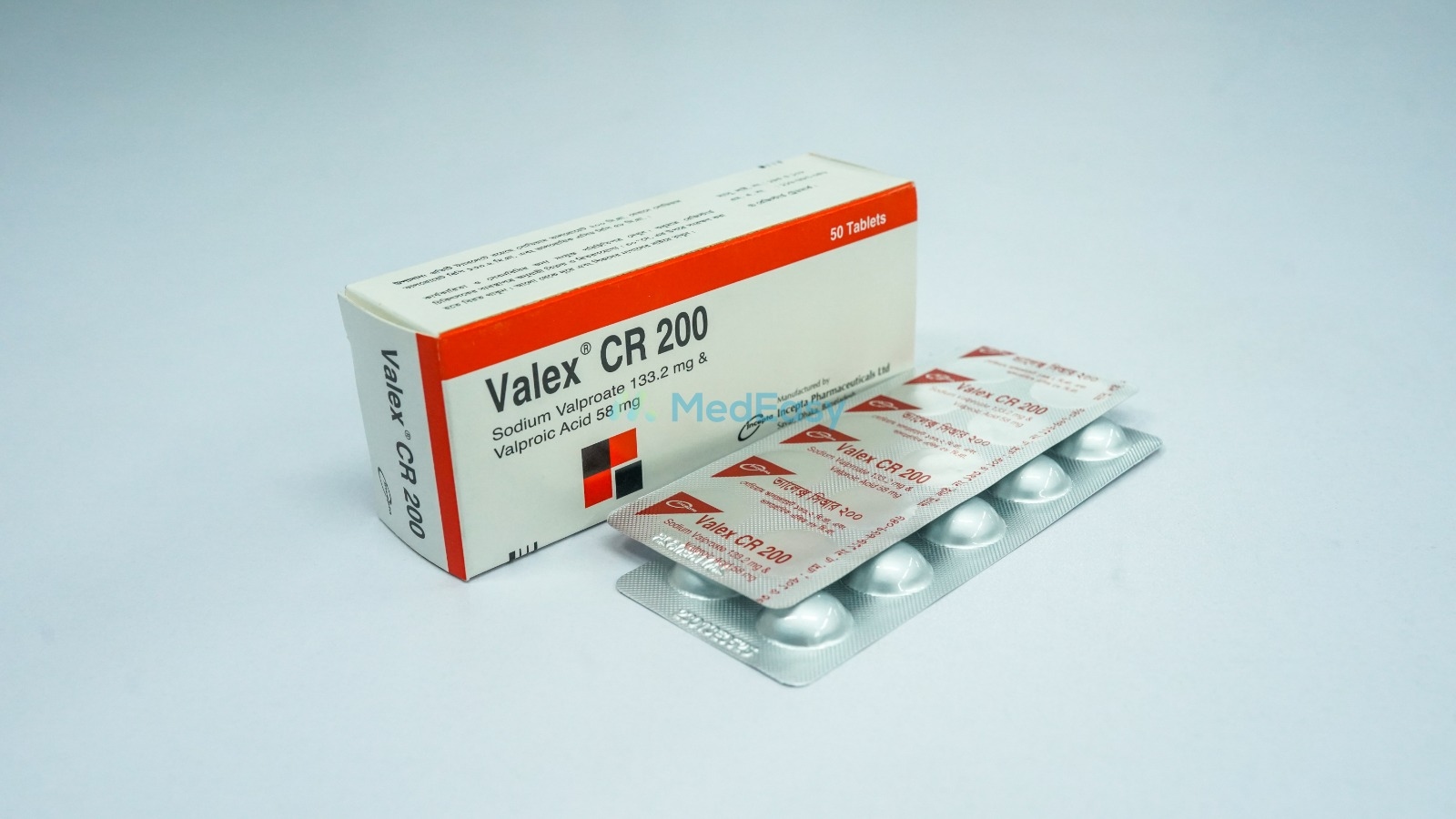
Sodium Valproate + Valproic Acid is an anticonvulsant (antiepileptic) and mood-stabilizing medicine.

Forms:Tablet

About Sodium Valproate + Valproic Acid

Indications of Sodium Valproate + Valproic Acid

Sodium Valproate + Valproic Acid is an anticonvulsant (antiepileptic) and mood-stabilizing medicine. Its evidence-based uses are classified below.

Established / approved uses

  • Epilepsy: Monotherapy or adjunctive therapy for simple and complex absence seizures, and as adjunctive therapy in patients with multiple seizure types that include absence seizures. Also used as monotherapy or adjunct for generalized tonic-clonic seizures and complex partial (focal) seizures.
  • Bipolar disorder: Treatment of acute manic or mixed episodes associated with bipolar disorder.
  • Migraine prophylaxis: Prevention of migraine headaches in adults (not for use during an acute migraine attack).

Adjunct / combination therapy

In patients with multiple seizure types, Sodium Valproate + Valproic Acid is frequently combined with other antiepileptic drugs; dose adjustment of co-administered agents (e.g., lamotrigine) is often required — see Interactions.

Off-label uses (not FDA-approved, evidence variable)

Sodium Valproate + Valproic Acid is sometimes used off-label for maintenance treatment of bipolar disorder, for status epilepticus (specific IV valproate formulations), for neuropathic pain, and for agitation in dementia; these uses are not established indications and should only be undertaken under specialist supervision.

Dosage & Administration of Sodium Valproate + Valproic Acid

Adult dosing

IndicationTypical adult dose
Epilepsy (monotherapy or adjunct)Initial 10–15 mg/kg/day in divided doses, increased at weekly intervals by 5–10 mg/kg/day as needed; usual maintenance 20–60 mg/kg/day (maximum doses vary by seizure type and clinical response). Doses above 250 mg/day are usually given in divided doses.
Bipolar disorder (acute mania)Initial 750 mg/day in divided doses, or 20–30 mg/kg/day as a loading approach in appropriate patients; increase as rapidly as tolerated to the lowest dose producing the desired clinical effect, generally not exceeding 60 mg/kg/day.
Migraine prophylaxisInitial 250 mg twice daily, up to a usual maintenance of 500–1000 mg/day in divided doses.

Pediatric dosing

For epilepsy in children, dosing is weight-based, generally starting at 10–15 mg/kg/day and titrated to response and tolerability, under specialist supervision, with careful monitoring for hepatotoxicity, especially in children under 2 years (see Contraindications and Precautions and Warnings). Sodium Valproate + Valproic Acid is not indicated for bipolar disorder or migraine prophylaxis in children.

Renal impairment

Dose reduction may be needed since a larger fraction of drug remains unbound; monitor free valproate levels and clinical response where feasible.

Hepatic impairment

Sodium Valproate + Valproic Acid is contraindicated in patients with significant hepatic disease or dysfunction — see Contraindications.

Administration instructions

  • Take with food to reduce gastrointestinal upset.
  • Swallow delayed-release/enteric-coated tablets whole; do not crush or chew.
  • Do not stop treatment abruptly without medical advice, as this can precipitate seizures or status epilepticus; dose should be tapered gradually under physician guidance.

Side Effects of Sodium Valproate + Valproic Acid

Common and serious side effects associated with Sodium Valproate + Valproic Acid include:

Common

  • Nausea, vomiting, indigestion, abdominal pain, diarrhea
  • Tremor
  • Weight gain, increased appetite
  • Hair loss (usually reversible)
  • Drowsiness, dizziness, headache
  • Menstrual irregularities

Less common but serious (see Precautions and Warnings for full detail)

  • Hepatotoxicity — can be severe or fatal, particularly in young children; requires liver function monitoring.
  • Pancreatitis — can be life-threatening and may occur at any point during treatment.
  • Thrombocytopenia and other blood dyscrasias (bruising, bleeding).
  • Hyperammonemia — can cause lethargy and confusion, and notably can occur even when liver function tests are normal.

Contraindications of Sodium Valproate + Valproic Acid

Sodium Valproate + Valproic Acid is contraindicated in the following situations:

  • Known hypersensitivity to valproate or any component of the formulation.
  • Significant hepatic disease or dysfunction (well-established absolute contraindication because of the risk of severe, potentially fatal hepatotoxicity — see Precautions and Warnings).
  • Known or suspected mitochondrial disorders caused by POLG gene mutations in children under 2 years of age, and in older patients clinically suspected of having a POLG-related disorder, because of the high risk of fatal liver failure.
  • Known urea cycle disorders, because of the risk of life-threatening hyperammonemic encephalopathy.
  • Use for migraine prophylaxis in pregnant women (specific contraindication due to well-established teratogenic risk — see Pregnancy and Lactation).

Frequently Asked Questions about Sodium Valproate + Valproic Acid

What is Sodium Valproate + Valproic Acid used for?

Sodium Valproate + Valproic Acid is used to treat certain types of epilepsy (including absence, generalized tonic-clonic, and complex partial seizures), acute manic or mixed episodes of bipolar disorder, and for preventing migraine headaches. It does not treat a migraine attack once it has started.

Can I stop taking Sodium Valproate + Valproic Acid suddenly if I feel better?

No. You should never stop Sodium Valproate + Valproic Acid suddenly without your doctor's advice. Abrupt discontinuation can cause seizures to return or worsen, including status epilepticus. Any change in dose or discontinuation should be done gradually under medical supervision.

Is Sodium Valproate + Valproic Acid safe during pregnancy?

Sodium Valproate + Valproic Acid carries a well-established, serious risk of birth defects and long-term neurodevelopmental problems (such as lower IQ and autism spectrum disorder) when taken during pregnancy, and is specifically contraindicated for migraine prevention in pregnant women. For epilepsy or bipolar disorder, it should be used in pregnancy only if clearly needed and no safer alternative exists, under specialist care, with folic acid supplementation and effective contraception used beforehand. Always consult your physician before continuing or stopping treatment if you are pregnant or planning pregnancy.

What monitoring is needed while taking Sodium Valproate + Valproic Acid?

Your doctor will typically check liver function tests before starting Sodium Valproate + Valproic Acid and periodically during treatment, especially in the first six months, because of the risk of liver toxicity. Blood counts (for platelets) and, in some cases, blood valproate levels may also be monitored. Report any unusual bruising, bleeding, persistent vomiting, abdominal pain, extreme tiredness, or yellowing of the skin/eyes to your doctor immediately.

What are the most serious side effects of Sodium Valproate + Valproic Acid?

The most serious risks with Sodium Valproate + Valproic Acid are liver damage (which can be fatal, especially in young children), pancreatitis (which can be life-threatening and cause severe abdominal pain), and serious harm to a developing fetus if taken during pregnancy. Symptoms like severe abdominal pain, persistent vomiting, unusual bleeding/bruising, extreme drowsiness, confusion, or yellowing of the skin or eyes require urgent medical attention.

Can Sodium Valproate + Valproic Acid be taken with other seizure medicines?

Sodium Valproate + Valproic Acid is often combined with other antiepileptic drugs, but important interactions exist. Notably, it significantly raises lamotrigine levels (requiring a lower lamotrigine dose to reduce serious skin reaction risk), and carbapenem antibiotics can sharply lower valproate levels and trigger breakthrough seizures. Always tell your doctor about all medicines you take.

Disclaimer

The information provided is accurate to the best of our knowledge, but it does not replace professional medical advice. We cannot guarantee its completeness or accuracy, and the absence of specific information about a drug should not be taken as an endorsement. We are not responsible for any consequences arising from this information, so please consult a healthcare professional for any concerns or questions.
DoctorBlogArticles