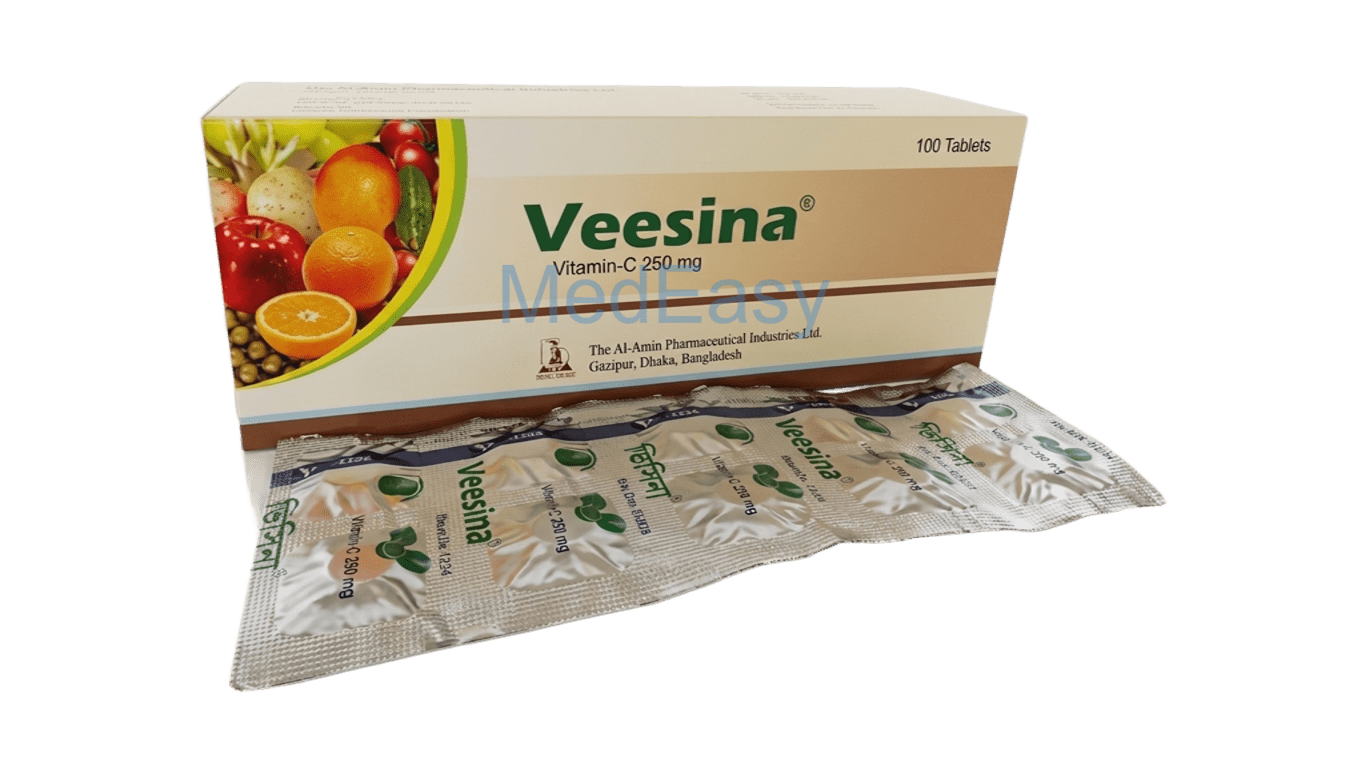
What is Vitamin C [Ascorbic acid] used for?
+
Vitamin C [Ascorbic acid] is used to prevent and treat Vitamin C [Ascorbic acid] deficiency (scurvy), as a dietary supplement when intake from food is insufficient, and as an adjunct to help the body absorb dietary or supplemental iron. It is also popularly, though not conclusively, used to try to shorten the duration of common colds. See Indications for full details.
How much Vitamin C [Ascorbic acid] should I take per day?
+
The right amount of Vitamin C [Ascorbic acid] depends on age, sex, and the reason it is being taken. For general dietary supplementation, the usual recommended intake for adults is about 90 mg/day for men and 75 mg/day for women (higher in pregnancy, breastfeeding, and for smokers), while treatment of diagnosed deficiency uses higher, doctor-directed doses of Vitamin C [Ascorbic acid]. See Dosage for a full reference table, and always follow the advice of a healthcare professional or the product label.
Can Vitamin C [Ascorbic acid] cure or prevent the common cold?
+
Not reliably. Regular use of Vitamin C [Ascorbic acid] may modestly shorten the duration and severity of colds in the general population, and may reduce how often colds occur specifically in people under brief periods of intense physical exertion or cold exposure. It does not prevent colds in most people, and starting Vitamin C [Ascorbic acid] after symptoms have already begun has not been shown to help.
Is Vitamin C [Ascorbic acid] safe during pregnancy?
+
Vitamin C [Ascorbic acid] is generally needed and considered appropriate during pregnancy at RDA levels (80–85 mg/day, depending on age), and low dietary intake should be corrected. Very high doses (several grams per day) of Vitamin C [Ascorbic acid] are not recommended in pregnancy and have been linked in case reports to scurvy-like symptoms in the newborn after birth. Pregnant women should consult their doctor before taking Vitamin C [Ascorbic acid] supplements above dietary/RDA amounts.
Can children take Vitamin C [Ascorbic acid]?
+
Yes. Vitamin C [Ascorbic acid] is a normal part of a child's nutrition, with age-specific recommended intakes, and a pediatrician may prescribe higher, supervised doses of Vitamin C [Ascorbic acid] to treat confirmed Vitamin C [Ascorbic acid] deficiency in a child. See Pediatric Uses for details, and avoid high-dose supplementation in children without medical supervision.
Does Vitamin C [Ascorbic acid] interact with any medicines?
+
Yes, Vitamin C [Ascorbic acid] can interact with certain medicines. Notable examples include enhanced absorption of iron supplements, a possible reduction in the anticoagulant effect of warfarin at high doses, a theoretical concern with chemotherapy and radiation therapy, and increased absorption of aluminum from aluminum-containing antacids or phosphate binders. See Interaction for full details, and tell your doctor or pharmacist about all medicines you take before starting Vitamin C [Ascorbic acid].
What are the side effects of taking too much Vitamin C [Ascorbic acid]?
+
Taking more Vitamin C [Ascorbic acid] than recommended can cause stomach upset, including nausea, cramping, and diarrhea. Long-term high-dose use is also linked to an increased risk of kidney stones, and in people with G6PD deficiency, high doses (especially intravenous) of Vitamin C [Ascorbic acid] have been reported to trigger acute breakdown of red blood cells. See Side Effects and Precautions and Warnings for full details.
Can Vitamin C [Ascorbic acid] be taken with milk?
+
There is no well-documented, clinically significant interaction between Vitamin C [Ascorbic acid] and milk. Vitamin C [Ascorbic acid] can generally be taken with or without food, including with milk, and taking it with food or a milky drink may help reduce mild stomach upset in some people.
What should I do if I miss a dose of Vitamin C [Ascorbic acid]?
+
If a dose of Vitamin C [Ascorbic acid] is missed, take it as soon as it is remembered unless it is almost time for the next dose, in which case the missed dose should be skipped rather than doubling up. Since Vitamin C [Ascorbic acid] is usually taken for ongoing nutritional support rather than as a strict fixed-interval medicine, an occasional missed dose is not typically a cause for concern, but consult a doctor or pharmacist if unsure.