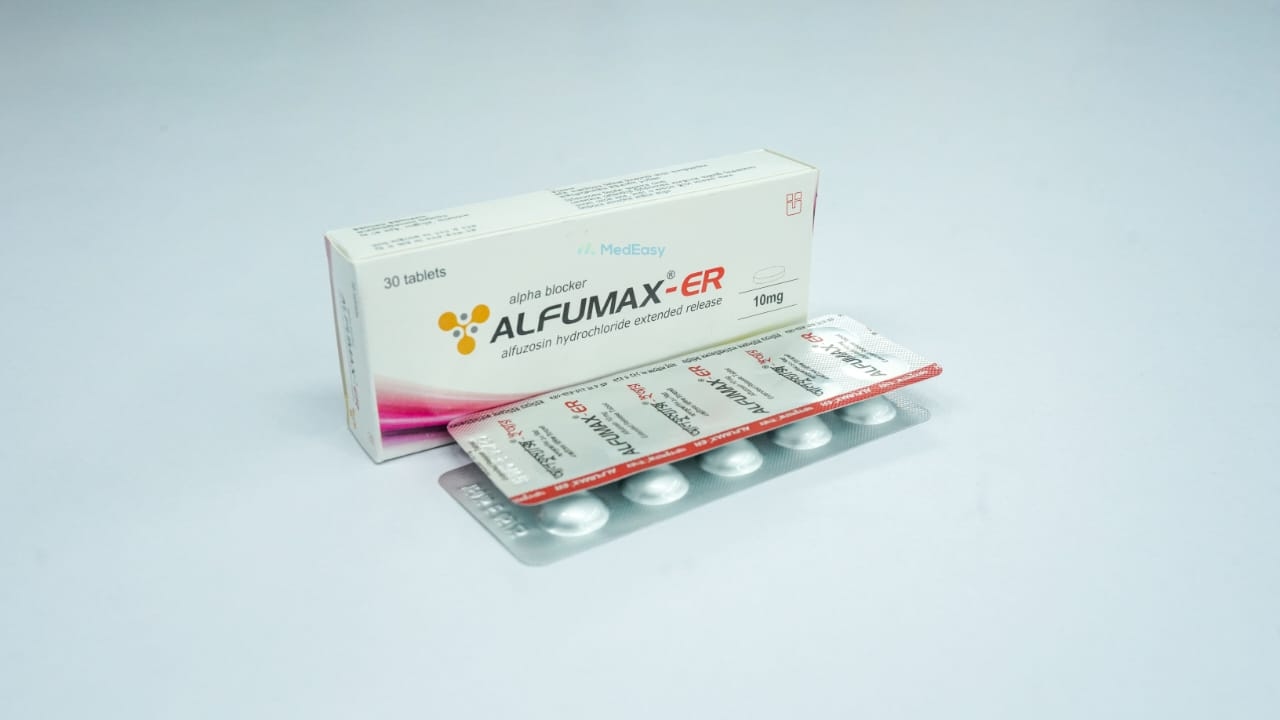
Generic medicine

Alfuzosin Hydrochloride: Brands, Price & Uses in Bangladesh

Alfuzosin Hydrochloride is an alpha-1 adrenergic receptor antagonist indicated for the treatment of signs and symptoms of benign prostatic hyperplasia (BPH) in adult men.

Forms:Tablet

About Alfuzosin Hydrochloride

Indications of Alfuzosin Hydrochloride

Alfuzosin Hydrochloride is an alpha-1 adrenergic receptor antagonist indicated for the treatment of signs and symptoms of benign prostatic hyperplasia (BPH) in adult men.

  • Established/FDA-approved use: Relief of BPH-related lower urinary tract symptoms such as urinary hesitancy, weak or interrupted stream, straining, incomplete bladder emptying, urinary frequency, and nocturia.
  • Guideline-supported adjunct use: Facilitation of voiding trial after catheter removal in men presenting with acute urinary retention associated with BPH, usually combined with catheterization.

Alfuzosin Hydrochloride is not indicated for the treatment of hypertension, and it is not intended for use in women or children.

Important: Alfuzosin Hydrochloride improves urinary symptoms but does not reduce the size of the prostate or halt progression of BPH.

Dosage & Administration of Alfuzosin Hydrochloride

The extended-release formulation of Alfuzosin Hydrochloride must be swallowed whole and must not be crushed, chewed, or divided, as doing so can result in rapid release and absorption of the drug and increased risk of adverse effects.

IndicationRecommended Dose
Benign prostatic hyperplasia (BPH)10 mg orally once daily, taken immediately after the same meal each day
Facilitation of voiding after catheter removal in acute urinary retention (adjunct)10 mg once daily, typically for a short course (about 3-4 days) during and after catheterization, as directed by a physician

Renal impairment: No dose adjustment is generally required in mild-to-moderate renal impairment; however, systemic exposure to Alfuzosin Hydrochloride is increased in patients with renal impairment, and caution is advised in severe renal impairment (creatinine clearance below 30 mL/min), with close monitoring for hypotension.

Hepatic impairment: Alfuzosin Hydrochloride is contraindicated in moderate-to-severe hepatic impairment (see Contraindications). Use with caution and at the lowest recommended dose in mild hepatic impairment.

If a dose is missed, it should be taken with the next meal; patients should not double the dose.

Side Effects of Alfuzosin Hydrochloride

Adverse effects reported with Alfuzosin Hydrochloride include:

  • Common: Dizziness, headache, fatigue, upper respiratory tract infection symptoms, nausea, abdominal pain, and general weakness.
  • Less common: Orthostatic hypotension, syncope (fainting), palpitations/tachycardia, diarrhea, dry mouth, and rash.
  • Rare but serious: Priapism (a prolonged, painful erection requiring urgent medical attention), intraoperative floppy iris syndrome (IFIS) during cataract surgery, angioedema, and aggravation of angina in patients with pre-existing coronary artery disease.

Patients should seek prompt medical attention for fainting, prolonged erection, or signs of an allergic reaction while taking Alfuzosin Hydrochloride.

Contraindications of Alfuzosin Hydrochloride

Alfuzosin Hydrochloride is contraindicated in the following situations:

  • Known hypersensitivity to alfuzosin or to any component of the formulation.
  • Moderate-to-severe hepatic impairment, because this significantly increases plasma concentrations of Alfuzosin Hydrochloride and the risk of hypotension.
  • Concurrent use with strong CYP3A4 inhibitors in patients who also have hepatic or renal impairment.

Frequently Asked Questions about Alfuzosin Hydrochloride

What is Alfuzosin Hydrochloride used for?

Alfuzosin Hydrochloride is used to relieve the urinary symptoms of benign prostatic hyperplasia (BPH) in adult men, such as difficulty starting urination, weak stream, and frequent nighttime urination. It does not shrink the prostate or cure BPH; it only relieves symptoms.

How should I take Alfuzosin Hydrochloride?

Take Alfuzosin Hydrochloride exactly as prescribed, usually one tablet by mouth once daily, immediately after the same meal each day. Swallow the tablet whole - do not crush, chew, or split it.

Can women or children take Alfuzosin Hydrochloride?

No. Alfuzosin Hydrochloride is approved only for men with BPH-related urinary symptoms. It is not indicated for use in women or children, and its safety and efficacy have not been established in these groups.

What are the main side effects of Alfuzosin Hydrochloride?

The most common side effects of Alfuzosin Hydrochloride include dizziness, headache, fatigue, and symptoms of upper respiratory infection. Less commonly, it can cause a sudden drop in blood pressure on standing (orthostatic hypotension) or fainting, especially with the first few doses.

Is it safe to have cataract surgery while taking Alfuzosin Hydrochloride?

Alpha-blockers like Alfuzosin Hydrochloride can cause intraoperative floppy iris syndrome (IFIS) during cataract surgery, even if the drug was stopped some time earlier. Always tell your ophthalmologist that you are taking or have previously taken Alfuzosin Hydrochloride before any eye surgery is scheduled.

What should I do if I miss a dose or take too much Alfuzosin Hydrochloride?

If you miss a dose, take your next dose with your next meal at the usual time - do not double up. If you or someone else has taken too much Alfuzosin Hydrochloride and experiences severe dizziness, fainting, or very low blood pressure, seek emergency medical attention or contact a poison control center immediately.

Disclaimer

The information provided is accurate to the best of our knowledge, but it does not replace professional medical advice. We cannot guarantee its completeness or accuracy, and the absence of specific information about a drug should not be taken as an endorsement. We are not responsible for any consequences arising from this information, so please consult a healthcare professional for any concerns or questions.
DoctorBlogArticles