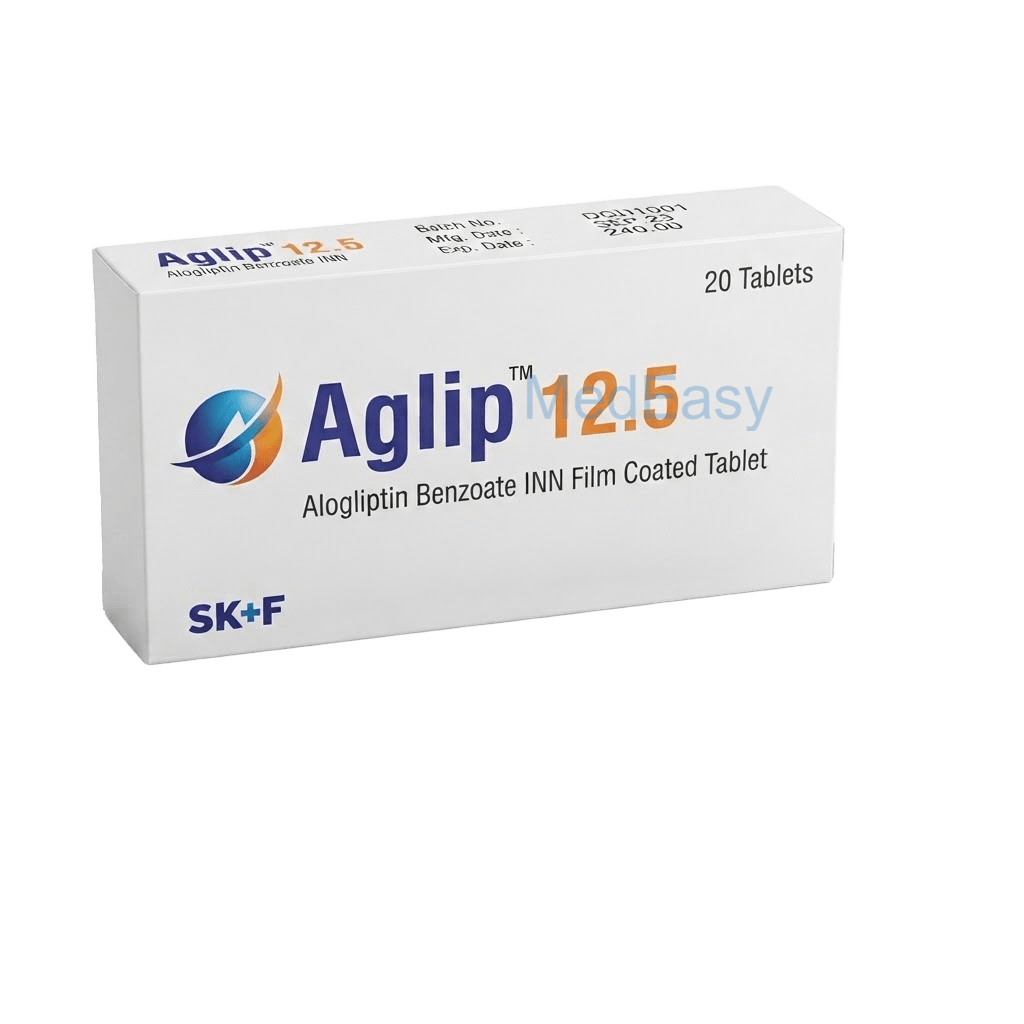
Generic medicine

Alogliptin: Brands, Price & Uses in Bangladesh

Alogliptin is indicated as an adjunct to diet and exercise to improve glycemic control in adults with type 2 diabetes mellitus.

Forms:Tablet

About Alogliptin

Indications of Alogliptin

Alogliptin is indicated as an adjunct to diet and exercise to improve glycemic control in adults with type 2 diabetes mellitus.

  • Established/FDA-approved use: Monotherapy or combination therapy (with metformin, a sulfonylurea, pioglitazone, or insulin) for glycemic control in type 2 diabetes.
  • Guideline-supported use: As an add-on option when metformin alone is insufficient, particularly in patients where hypoglycemia or weight gain are concerns.
  • Not indicated for: Type 1 diabetes mellitus or diabetic ketoacidosis (see Contraindications).

Alogliptin is not a substitute for insulin in patients who require insulin and should not be used to treat diabetic ketoacidosis.

Dosage & Administration of Alogliptin

Indication / SituationRecommended Dose
Type 2 diabetes, normal or mild renal impairment (CrCl ≥60 mL/min)Alogliptin 25 mg orally once daily
Moderate renal impairment (CrCl 30 to <60 mL/min)Alogliptin 12.5 mg orally once daily
Severe renal impairment or end-stage renal disease requiring dialysisAlogliptin 6.25 mg orally once daily (administer without regard to timing of dialysis)

Alogliptin may be taken with or without food. It is generally used as monotherapy or in combination with other antidiabetic agents (metformin, a sulfonylurea, pioglitazone, or insulin), with doses of concomitant sulfonylurea or insulin sometimes reduced to lower hypoglycemia risk (see Interactions).

Side Effects of Alogliptin

Most patients tolerate Alogliptin well. Reported adverse effects include:

  • Common: Nasopharyngitis, upper respiratory tract infection, headache.
  • Less common: Hypoglycemia (mainly when combined with sulfonylureas or insulin), mild gastrointestinal upset.
  • Rare but serious: Acute pancreatitis, severe hypersensitivity reactions, severe and disabling joint pain, hepatic failure, bullous pemphigoid, and heart failure/worsening heart failure (see Precautions and Warnings for details on each).

Contraindications of Alogliptin

Alogliptin is contraindicated in patients with:

  • Known hypersensitivity to Alogliptin or any component of the formulation.
  • A history of a serious hypersensitivity reaction (such as anaphylaxis, angioedema, or Stevens-Johnson syndrome) to Alogliptin or to another DPP-4 inhibitor (class-related caution).

Alogliptin should not be used in patients with type 1 diabetes mellitus or for the treatment of diabetic ketoacidosis, as it is not effective in these settings.

Frequently Asked Questions about Alogliptin

What is Alogliptin used for?

Alogliptin is used along with diet and exercise to help control blood sugar levels in adults with type 2 diabetes. It is not used for type 1 diabetes.

How should I take Alogliptin?

Alogliptin is usually taken once daily, with or without food, at the same time each day. Your doctor will determine the correct dose based on your kidney function.

Can Alogliptin cause low blood sugar (hypoglycemia)?

Alogliptin alone has a low risk of causing hypoglycemia, but the risk increases if it is taken together with a sulfonylurea or insulin. Your doctor may lower the dose of those medicines when combined with Alogliptin.

What are the serious warning signs I should watch for while taking Alogliptin?

Seek medical attention promptly if you develop severe abdominal pain (possible pancreatitis), unusual shortness of breath or rapid weight gain/swelling (possible heart failure), severe joint pain, yellowing of the skin or eyes (possible liver problems), or skin blistering.

Is Alogliptin safe during pregnancy or breastfeeding?

Alogliptin should be used in pregnancy only if clearly needed and the potential benefit justifies the potential risk to the fetus, since insulin is generally preferred for blood sugar control in pregnancy. It is not known if Alogliptin passes into breast milk, so consult your physician before use while breastfeeding.

Can Alogliptin be used in children?

No, the safety and efficacy of Alogliptin have not been established in patients under 18 years of age, so it is not recommended for children.

Disclaimer

The information provided is accurate to the best of our knowledge, but it does not replace professional medical advice. We cannot guarantee its completeness or accuracy, and the absence of specific information about a drug should not be taken as an endorsement. We are not responsible for any consequences arising from this information, so please consult a healthcare professional for any concerns or questions.

DoctorBlogArticles